
Florida, a peninsula jutting into the Atlantic Basin and the Gulf Coast, has a long and often tumultuous history with hurricanes. These formidable natural forces have repeatedly shaped the state’s geography, history, and cultural memory. While many powerful storms have made landfall, the question of the “strongest” is typically answered by examining a combination of wind speed and atmospheric pressure at landfall. By these measures, one hurricane stands out with an almost mythical, terrifying legacy: the Labor Day Hurricane of 1935.
The Unrivaled Fury: The Labor Day Hurricane of 1935
The Labor Day Hurricane of 1935 remains the most intense hurricane to ever make landfall in the United States, and by extension, Florida. This catastrophic storm struck the Florida Keys on September 2nd, 1935, as a Category 5 storm on the Saffir-Simpson Hurricane Wind Scale. Its raw power and devastating impact have etched it into the annals of natural disaster history, fundamentally altering the landscape and socio-economic fabric of the affected region.

The Science of Its Strength
What made the Labor Day Hurricane of 1935 so extraordinarily strong?
The storm achieved an estimated maximum sustained wind speed of 185 mph (295 km/h) at landfall. However, it was its incredibly low central atmospheric pressure that truly set it apart. The eye of the hurricane registered a pressure of 892 millibars (26.35 inches of mercury), making it the lowest pressure ever recorded at landfall for a North Atlantic hurricane until Hurricane Wilma in 2005 surpassed it while still at sea, and Hurricane Rita and Hurricane Katrina also dipped lower in pressure over the Gulf of Mexico. At landfall, the 1935 storm remains the benchmark for intensity. Such low pressure creates an immense pressure gradient, driving the incredibly high wind speeds that were observed.
Devastation in the Florida Keys
The target of this immense force was a remote stretch of the Florida Keys, specifically the Upper and Middle Keys, including Long Key and Islamorada. The storm surge, estimated to be between 17 and 20 feet (5 to 6 meters), inundated the low-lying islands, sweeping away everything in its path.
The impacts were catastrophic:
- Human Cost: Over 400 people perished, a significant portion of whom were World War I veterans working on the construction of the Overseas Highway. These veterans were residing in temporary camps, making them particularly vulnerable to the storm’s rapid intensification and lack of timely evacuation. The high death toll and the circumstances surrounding it sparked national outrage and investigations.
- Infrastructural Ruin: The Overseas Railroad, Henry Flagler’s engineering marvel connecting the Keys to mainland Florida, was obliterated. Miles of track, bridges, and equipment were swept away or severely damaged, effectively ending railroad service to Key West. The destruction of this monumental infrastructure highlights the sheer power of the storm. The remnants of the railroad are still visible in parts of the Keys, standing as a stark natural monument to the hurricane’s destructive force.
- Ecological Transformation: The natural landscape of the Keys was dramatically altered. Mangrove forests were stripped, coral reefs suffered damage, and the delicate ecosystem experienced a profound shock. The changes to the shoreline and vegetation were so extensive that they became part of the historical record of the Keys’ natural history.
The Labor Day Hurricane of 1935 stands as a somber landmark in Florida’s history, a testament to the raw, untamed power of nature and a turning point in the development of hurricane preparedness and understanding.
Other Defining Hurricanes: Markers in Florida’s History

While the Labor Day Hurricane of 1935 holds the record for intensity at landfall, Florida has been impacted by other incredibly powerful storms that have also left indelible marks on its history and natural environment. These events serve as historical landmarks, defining eras and shaping the consciousness of the state.
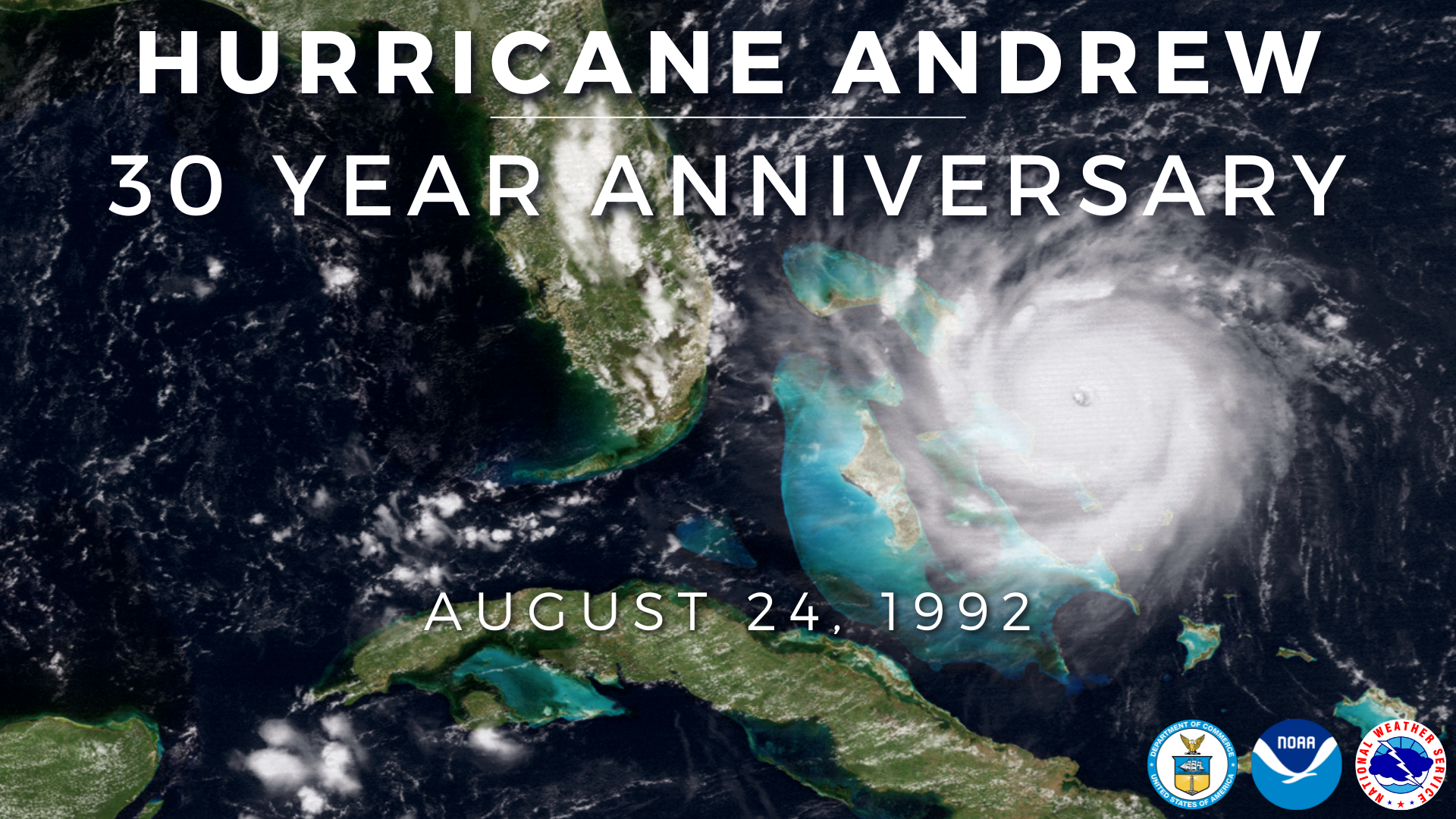
Hurricane Andrew (1992)
Hurricane Andrew, a compact but exceptionally powerful Category 5 storm, made landfall in South Florida in August 1992. Though its central pressure was not as low as the 1935 storm, its wind speeds were devastating, estimated at 165 mph (265 km/h) at landfall.
- Unprecedented Damage: Andrew caused an estimated $27 billion in damages (1992 USD), making it, at the time, the costliest natural disaster in U.S. history. The sheer scale of destruction, particularly in areas like Homestead and Florida City, was staggering. Over 125,000 homes were damaged or destroyed, changing the architectural landscape of these communities.
- Building Code Reform: The widespread destruction exposed critical flaws in existing building codes, particularly in Miami-Dade County. In response, Florida implemented some of the most stringent building codes in the nation, making Andrew a historical landmark for resilience and safety in construction. The changes still influence how structures are built across the state, ensuring that new buildings are designed to withstand powerful winds.
- Environmental Impact: Andrew also severely damaged parts of the Everglades National Park, altering delicate ecosystems and impacting wildlife populations, leaving a lasting ecological imprint.
The Okeechobee Hurricane of 1928
Also known as the Great Okeechobee Hurricane, this powerful Category 4 storm (it was a Category 5 before its second landfall in Florida from the Caribbean Sea) struck Southeast Florida in September 1928. While its winds were formidable, the defining characteristic and historical impact of this storm was its catastrophic storm surge over Lake Okeechobee.
- Deadliest in Florida’s History: The storm caused the lake to surge over its southern bank, leading to massive flooding that claimed an estimated 2,500 to 3,000 lives, predominantly among migrant farmworkers in the communities around the lake. This makes it one of the deadliest natural disasters in U.S. history and the deadliest in Florida’s recorded history.
- Engineering Responses: The immense loss of life spurred the federal government to construct the Herbert Hoover Dike around Lake Okeechobee, a major engineering feat designed to prevent similar disasters. The dike itself is a landmark of human response to natural fury, constantly being maintained and improved to protect the surrounding communities.
Modern Giants: Hurricanes of Recent Memory
While the historical records define the “strongest,” recent storms have also demonstrated immense power and have left significant imprints on Florida’s collective memory and physical landscape.
Hurricane Irma (2017)
Hurricane Irma was a sprawling, powerful storm that devastated parts of the Florida Keys and then made a wide swath of destruction up the state’s peninsula in 2017. While it had weakened to a Category 4 upon its first Florida landfall at Cudjoe Key, its immense size meant that hurricane-force winds extended far from its center, affecting a vast area.
- Widespread Impact: Irma affected nearly every county in Florida to some degree, causing widespread power outages and significant property damage, particularly in the Keys and along the southwest coast. Its sheer geographic reach made it a landmark event for state-wide preparedness and recovery efforts.
- Key West’s Resilience: The recovery in places like Key West and other Keys communities after Irma showcased the resilience of these historical areas, as they rebuilt and restored their unique charm, becoming symbols of determination in the face of natural adversity.
The Lasting Legacy of Florida’s Hurricanes
The strongest hurricanes to hit Florida are more than just weather events; they are profound historical markers. They have shaped the natural features of the coastlines, transformed ecosystems, and driven significant changes in urban planning, infrastructure, and building codes. From the obliterated railroad of the 1935 storm to the rebuilt communities post-Andrew and Irma, these storms are integral to the state’s narrative. They are natural landmarks in their own right, defining moments in Florida’s ongoing story, reminding both residents and visitors of the immense power of the natural world and the enduring spirit of human adaptation and resilience.
LifeOutOfTheBox is a participant in the Amazon Services LLC Associates Program, an affiliate advertising program designed to provide a means for sites to earn advertising fees by advertising and linking to Amazon.com. Amazon, the Amazon logo, AmazonSupply, and the AmazonSupply logo are trademarks of Amazon.com, Inc. or its affiliates. As an Amazon Associate we earn affiliate commissions from qualifying purchases.