
The Sunshine State, Florida, a perennial favorite for tourists and residents alike, boasts stunning beaches, vibrant cities, and a rich tapestry of attractions. From the iconic theme parks of Orlando to the art deco charm of Miami Beach, and the natural wonders of the Everglades, Florida offers a diverse range of experiences for every traveler. However, its idyllic geography also places it directly in the path of some of nature’s most formidable forces: hurricanes. For anyone planning a trip to Florida, or even considering a move to the peninsula, understanding the history of its most destructive storms is crucial. The question of “What was the worst hurricane in Florida?” is not merely an academic exercise; it’s a vital piece of information that shapes preparedness, informs travel decisions, and underscores the resilience of the communities that call this beautiful state home.
While “worst” can be subjective, often defined by loss of life, economic damage, or sheer physical destruction, historical records point to several devastating storms that have left an indelible mark on Florida. Each hurricane tells a story of nature’s power and humanity’s struggle against it, highlighting the importance of robust infrastructure, effective emergency management, and the unwavering spirit of its people. This article delves into the contenders for the title of Florida’s worst hurricane, examining their impact and the lessons learned.
The Anatomy of a Catastrophic Storm
To understand what makes a hurricane truly devastating, we need to consider several key factors: wind speed, storm surge, rainfall, and the areas impacted.
Wind Speed and Infrastructure Impact
Hurricanes are classified on the Saffir-Simpson Hurricane Wind Scale, which categorizes storms from Category 1 to Category 5 based on sustained wind speeds. The higher the category, the more intense the winds and the greater the potential for damage.
- Category 1: Winds 74-95 mph. Minor damage, mostly to unanchored objects.
- Category 2: Winds 96-110 mph. Considerable damage, to trees, roofs, and mobile homes.
- Category 3: Winds 111-129 mph. Severe damage, significant structural damage to houses and other buildings.
- Category 4: Winds 130-156 mph. Catastrophic damage, widespread destruction to well-built homes, and lifethreatening storm surge.
- Category 5: Winds 157 mph or higher. Catastrophic damage, complete devastation to many structures and lifethreatening storm surge.
When a powerful hurricane, particularly a Category 4 or 5, makes landfall directly over densely populated areas, the sheer force of the winds can rip roofs off homes, shatter windows, and turn debris into dangerous projectiles. The impact on infrastructure – power lines, communication networks, transportation systems, and essential services – can be catastrophic, leading to prolonged disruptions that affect millions. For travelers, this means potential cancellations of flights to cities like Miami or Fort Lauderdale, closures of attractions like Walt Disney World Resort or Universal Orlando Resort, and the inability to reach booked accommodations, whether a luxury suite at the Fontainebleau Miami Beach or a charming villa in the Florida Keys.
Storm Surge: The Silent Killer
While high winds are terrifying and destructive, storm surge is often the deadliest aspect of a hurricane. Storm surge is an abnormal rise of water generated by a storm, over and above the predicted astronomical tide. Driven by the hurricane’s intense winds pushing water towards the shore and a drop in atmospheric pressure, storm surge can inundate coastal areas with feet of water, submerging entire neighborhoods and causing immense damage.
The lower-lying coastal regions of Florida, particularly the Florida Keys and the Gulf Coast, are exceptionally vulnerable to storm surge. A surge of just a few feet can flood roads, rendering evacuation impossible. Higher surges can destroy homes from the ground up, sweep vehicles away, and create dangerous currents. Understanding the storm surge potential is critical for assessing the risk to specific destinations. A storm that might seem less severe in terms of wind speed could be far more destructive if it brings a significant storm surge to a vulnerable coastline. For instance, a beachfront resort on Siesta Key would face an entirely different threat profile from a storm surge compared to an inland hotel in Gainesville.
Rainfall and Inland Flooding
Beyond wind and surge, hurricanes carry enormous amounts of moisture, leading to torrential rainfall. This can cause widespread inland flooding, overwhelming rivers, lakes, and drainage systems. Even if a hurricane weakens after making landfall, its lingering rain bands can continue to drop inches, or even feet, of rain over several days. This was a significant factor in the impact of some of Florida’s most devastating storms, affecting areas far from the immediate coast. Inland cities like Tampa or Jacksonville can experience severe flooding from heavy rainfall, even if the storm’s eyewall passed hundreds of miles away. This can lead to road closures, power outages, and significant damage to homes and businesses, impacting travel plans and the availability of accommodations.
Contenders for “The Worst”
Identifying a single “worst” hurricane in Florida’s history is challenging due to the varying criteria. However, several storms stand out for their sheer destructiveness, loss of life, and the lasting impact they had on the state.
Hurricane Okeechobee (1928): A Devastating Toll
The 1928 Okeechobee Hurricane, also known as the Great Atlantic Hurricane, is often cited as one of Florida’s deadliest natural disasters. While it made landfall as a Category 4 hurricane near West Palm Beach with winds estimated around 140 mph, its most catastrophic impact came from the immense storm surge that breached the dike around Lake Okeechobee.
The immense volume of water from the lake, combined with the surge, inundated the surrounding agricultural communities, particularly south and east of the lake. Thousands of people, many of them migrant workers living in flimsy housing, were trapped and drowned. Estimates of the death toll vary, but most sources place it between 2,500 and 3,000, making it one of the deadliest hurricanes in United States history. The storm surge alone was reported to be 10 to 15 feet above the normal lake level in some areas.

The aftermath saw widespread destruction across the region. Homes were obliterated, farmlands were devastated, and the loss of life was staggering. This disaster spurred significant efforts to improve flood control around Lake Okeechobee, leading to the construction of a larger dike, which played a crucial role in mitigating future surges from the lake. For travelers, the memory of this storm serves as a stark reminder of the vulnerability of communities situated near large bodies of water, even those not directly on the coast.
Hurricane Andrew (1992): The Modern Benchmark of Destruction
When discussing modern hurricanes in Florida, Hurricane Andrew in 1992 is often the benchmark for widespread, catastrophic damage. This powerful Category 5 hurricane made landfall near Homestead in South Florida with sustained winds of 165 mph, gusting higher.
Andrew’s impact was devastating, particularly on Miami-Dade County. The intense winds, characteristic of a Category 5 storm, leveled entire neighborhoods, destroying or severely damaging tens of thousands of homes. The destruction to buildings was so widespread that Miami was left in a state of disarray, with essential services severely crippled. The economic cost was immense, estimated at over $25 billion in 1992 dollars, making it the costliest hurricane in U.S. history at that time.
The storm’s impact on the built environment was profound. Mobile homes were completely destroyed, and even well-built houses suffered significant damage, with many losing their roofs and walls. The damage extended to critical infrastructure, including hospitals, airports like Miami International Airport, and roads. Power outages lasted for weeks in many areas.
For the tourism industry, Hurricane Andrew meant a complete shutdown. Attractions were closed, hotels were damaged, and the entire infrastructure supporting tourism was severely impacted. Travelers planning to visit Miami or the Florida Keys at that time faced canceled trips and a landscape transformed by destruction. The resilience of the communities in South Florida was tested like never before, and the recovery was a long and arduous process. Andrew also led to significant improvements in building codes across Florida, particularly in coastal areas, to better withstand hurricane-force winds.
Hurricane Michael (2018): The Panhandle’s Catastrophe
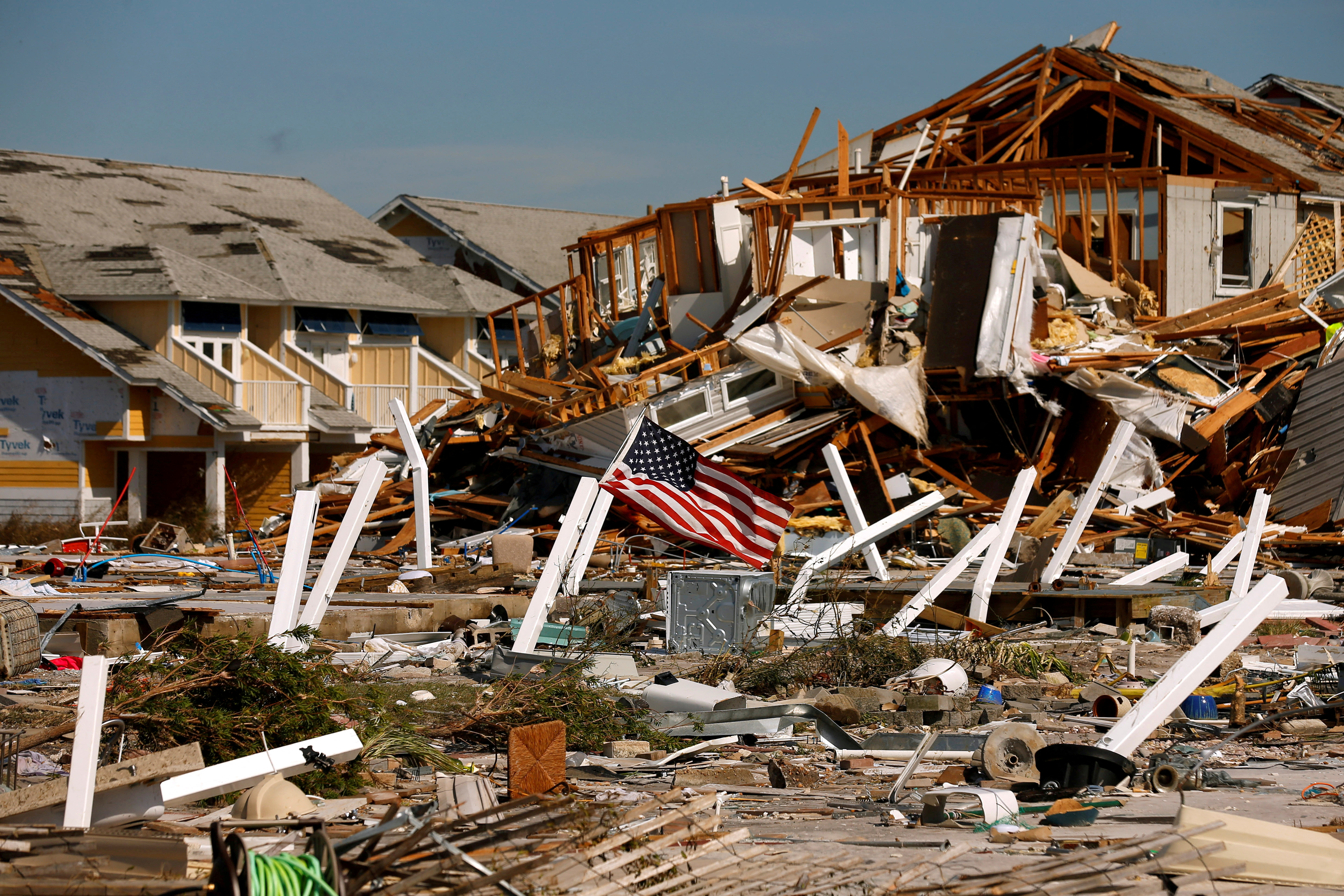
More recently, Hurricane Michael in 2018 delivered a devastating blow to the Florida Panhandle. This storm rapidly intensified and made landfall as a powerful Category 5 hurricane near Mexico Beach with sustained winds of 155 mph. While slightly weaker than Andrew at landfall, Michael’s intensity in a region not historically accustomed to such powerful storms caused immense destruction.
The storm surge along the coast was devastating, and the eyewall unleashed catastrophic winds on communities like Mexico Beach, Port St. Joe, and Panama City. Homes were reduced to rubble, entire neighborhoods were flattened, and the destruction was described as resembling a war zone. The economic impact was significant, with damage estimates reaching tens of billions of dollars.
Michael highlighted the vulnerability of communities that may have had less robust building codes or less experience with such extreme weather events. The sheer power of the storm overwhelmed defenses and left a lasting scar on the landscape and the lives of those who lived there. For the tourism sector in the Panhandle, the impact was immediate and severe, with beaches and coastal towns requiring extensive rebuilding. The recovery process for this region has been long and continues to this day, a testament to the enduring power of nature and the strength of community spirit.
Other Notable Storms and Their Legacy
While Okeechobee, Andrew, and Michael represent some of the most severe in Florida’s history, several other hurricanes have left their mark, underscoring the state’s ongoing vulnerability.
The Labor Day Hurricane (1935)
Often considered the most intense hurricane to make landfall in the United States, the 1935 Labor Day Hurricane struck the Florida Keys as a Category 5 storm with winds estimated at 185 mph. The storm surge was immense, inundating the low-lying islands. The lack of timely evacuation and the sheer ferocity of the storm led to a high death toll, particularly among the Works Progress Administration (WPA) workers stationed on Key Largo. The storm’s impact on the infrastructure of the Keys, including the iconic Overseas Railroad, was devastating, effectively ending that era of transportation.
Hurricane Irma (2017)
More recently, Hurricane Irma in 2017 posed a significant threat to the entire state. While it weakened before making landfall, it still brought destructive winds, heavy rainfall, and a dangerous storm surge to vast portions of Florida, from the Keys to the west coast and then across the state. The scale of the potential impact was enormous, prompting one of the largest evacuations in U.S. history. The widespread power outages and significant flooding experienced across the state demonstrated that even a Category 2 or 3 storm, if large and well-organized, can cause widespread disruption. Irma affected tourism across the state, from the beaches of Naples to the theme parks in Orlando, highlighting the interconnectedness of the state’s economy.

Preparing for the Unpredictable
The history of hurricanes in Florida serves as a powerful reminder that while the state offers unparalleled beauty and endless attractions, it also faces significant natural risks. For travelers, this means staying informed about weather forecasts, heeding evacuation orders, and having flexible travel plans. For residents and businesses, it means investing in sturdy construction, maintaining disaster preparedness kits, and understanding emergency procedures.
The “worst” hurricane is a grim title that can be measured in many ways, but each storm leaves a legacy of destruction, resilience, and crucial lessons learned. As Florida continues to grow and attract visitors to its vibrant cities, beautiful coastlines, and world-class theme parks, understanding and respecting the power of its hurricane season is paramount. Whether you’re planning a luxury stay at a resort in Boca Raton, a family trip to explore the historical landmarks of St. Augustine, or a budget-friendly adventure through the natural wonders of the Florida Keys, preparedness is key to a safe and enjoyable experience in the Sunshine State.
LifeOutOfTheBox is a participant in the Amazon Services LLC Associates Program, an affiliate advertising program designed to provide a means for sites to earn advertising fees by advertising and linking to Amazon.com. Amazon, the Amazon logo, AmazonSupply, and the AmazonSupply logo are trademarks of Amazon.com, Inc. or its affiliates. As an Amazon Associate we earn affiliate commissions from qualifying purchases.