
Florida, affectionately known as the Sunshine State, is a premier travel destination drawing millions of visitors each year with its stunning beaches, world-class theme parks, and vibrant cities. From the subtropical north to the truly tropical south, the state’s diverse climate is a major factor in planning any trip, influencing everything from the best time to visit specific attractions to the type of accommodation you’ll seek out. Understanding Florida’s weather patterns is key to crafting the perfect itinerary, whether you’re seeking a luxurious resort escape, a budget-friendly family adventure, or a long-term stay in a cozy apartment. This comprehensive guide will navigate you through the state’s distinct seasons and regional variations, offering insights to help you prepare for a memorable Florida experience.
Understanding Florida’s Climate: A Seasonal Breakdown
Florida’s climate is primarily humid subtropical in the northern and central regions, transitioning to a tropical climate in the southern tip and the Florida Keys. This distinction means that while sunny days are abundant year-round, the intensity of heat, humidity, and the likelihood of rain vary significantly with the seasons. Each period offers unique advantages and considerations for travelers, impacting the best times for sightseeing, beach activities, or exploring natural landmarks.
Winter (December – February): The Peak Season’s Charm
Winter in Florida is undeniably the most popular time to visit, especially for those escaping colder northern climates. The weather during these months is characterized by mild temperatures, low humidity, and abundant sunshine, making it ideal for outdoor activities and comfortable exploration. Average high temperatures range from the mid-60s°F (18-20°C) in North Florida to the mid-70s°F (24-26°C) in South Florida and the Florida Keys. Nights can be cool, particularly in the northern half of the state, occasionally dipping into the 40s°F (4-9°C), so packing layers is advisable.
This season is perfect for visiting iconic destinations like Walt Disney World Resort in Orlando, exploring the vibrant streets of Miami, or enjoying the laid-back atmosphere of Key West. Hotels, resorts, and villas across the state experience high demand, with many snowbirds seeking long-term stays. Luxury travel thrives during winter, with upscale suites and beachside apartments offering prime positions for enjoying the temperate climate. Popular activities include golfing, deep-sea fishing, exploring state parks, and simply lounging on the beach. Attractions like Everglades National Park are also at their most pleasant to visit. Given the popularity, advance booking for accommodation and attractions is highly recommended to secure the best rates and availability.
Spring (March – May): Pleasant Transitions
Spring in Florida offers a delightful transition, with temperatures steadily rising and humidity remaining relatively low, especially in early spring. Highs typically range from the low 70s°F (21-23°C) to the low 80s°F (27-29°C) across the state. This period strikes an excellent balance, providing comfortable weather for outdoor activities before the intense summer heat sets in.
However, spring also brings the excitement of Spring Break, particularly in March and early April, which can lead to crowded beaches and higher prices in popular destinations like South Beach in Miami or Panama City Beach in the Florida Panhandle. If you’re planning a family trip during this time, consider quieter destinations or adjust your travel dates.
Spring is an excellent time for exploring Florida’s natural beauty, from kayaking in crystal-clear springs like Blue Spring State Park to hiking in conservation areas. It’s also a fantastic season for attending various festivals and outdoor events that celebrate local culture and food. The pleasant temperatures make it ideal for visiting theme parks without the overwhelming summer heat. Tourists can take advantage of the milder weather for extensive sightseeing, making sure to check guides for unique experiences like airboat rides in the Everglades or exploring historic St. Augustine.
Summer (June – August): Tropical Heat and Afternoon Showers
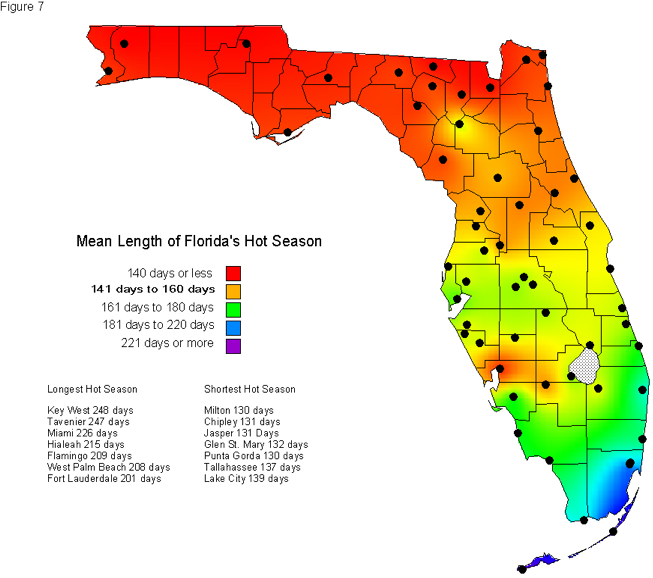
Florida’s summer is characterized by high heat, intense humidity, and frequent afternoon thunderstorms. Average high temperatures often reach the high 80s°F (31-32°C) to low 90s°F (32-34°C), with “feels like” temperatures often exceeding 100°F (38°C) due to the humidity. These daily thunderstorms, while often brief, can be heavy, bringing torrential rain and lightning. This period also marks the official start of hurricane season.
Despite the challenging weather, summer remains a popular time, especially for families traveling during school breaks. The key to enjoying a summer trip to Florida is smart planning. Focus on indoor attractions during the hottest parts of the day, such as museums, aquariums, or shopping centers. Theme parks often open early, allowing visitors to tackle major rides before the heat peaks. Water parks like Typhoon Lagoon and Volcano Bay become essential havens for cooling off.
For those considering budget travel, summer can offer more attractive deals on accommodation and flights compared to the peak winter season, as long as you’re prepared for the weather. Essential tips for summer travel include staying hydrated, wearing light-colored and breathable clothing, seeking shade, and always having an umbrella or rain jacket handy. Being aware of hurricane season, which officially runs from June 1st to November 30th, is also crucial, and travel insurance is highly recommended for peace of mind.

Fall (September – November): Cooling Down and Continued Adventure
Fall in Florida brings a gradual cooling trend and a decrease in humidity, especially as November approaches. Early fall (September and early October) still feels very much like summer, with high temperatures in the 80s°F (27-32°C) and a continued risk of tropical storms and hurricanes. However, by late October and November, the weather becomes increasingly pleasant, resembling the delightful conditions of spring. Highs settle into the 70s°F (21-26°C), and humidity levels drop, creating comfortable conditions for all types of tourism.
This season is fantastic for exploring Florida’s natural beauty, with cooler temperatures making hiking and outdoor activities more enjoyable. Fall festivals, such as the Epcot Food & Wine Festival at Walt Disney World Resort, draw large crowds. Business stays also see a resurgence as conference season begins. For those seeking fewer crowds and milder weather, late fall is an excellent choice for a wide range of experiences, from exploring the historic streets of St. Augustine to enjoying the pristine beaches of Sarasota or Naples. Reviews often highlight fall as a hidden gem for Florida travel, offering a blend of good weather and potentially lower prices before the winter rush.
Regional Weather Variations Across the Sunshine State
Florida’s elongated shape and proximity to both the Atlantic Ocean and the Gulf of Mexico contribute to distinct regional weather patterns. What you experience in Jacksonville can be quite different from the climate in Key West, influencing choices in destinations and types of accommodation. Understanding these differences helps in planning the perfect trip to match your weather preferences.
North Florida: Four Seasons, Sort Of
North Florida, encompassing cities like Jacksonville, Tallahassee, and Gainesville, experiences the most defined seasons within the state. Winters are noticeably cooler here, with occasional freezes and more frequent dips into the 30s°F (0-4°C). While snow is rare, it’s not unheard of. Summers are hot and humid, similar to Central Florida, but spring and fall offer genuinely pleasant, mild conditions.
This region, with its sprawling pine forests, historic sites, and major rivers like the St. Johns River, offers a different kind of Florida experience. It’s ideal for those who appreciate distinct seasonal changes and enjoy exploring nature or history. Attractions such as the historic district of St. Augustine or the beaches of Amelia Island and Destin are highly enjoyable during the milder months. Accommodation options here range from charming historic inns to modern hotels and beachside villas, often at more competitive prices outside of major holiday weekends.
Central Florida: Theme Park Paradise
Central Florida, home to Orlando and Tampa, is famous for its mild winters and hot, humid summers. The weather here is consistently warmer than North Florida but still experiences a noticeable difference between seasons. Winter days are comfortably warm, perfect for theme park visits to Universal Orlando Resort or Disney’s Hollywood Studios, while evenings can be cool. Summers are characterized by high temperatures, significant humidity, and almost daily afternoon thunderstorms.
The weather profoundly impacts the tourism industry in this region. Theme park strategies often revolve around beating the heat, with early morning starts and mid-day breaks for indoor shows or water rides at places like SeaWorld Orlando or Busch Gardens Tampa Bay. Hotels and resorts in Orlando are often equipped with extensive amenities like large pools, indoor attractions, and shuttles, designed to make stays comfortable regardless of the forecast. This region is a hotspot for family trips and offers a vast comparison of accommodation styles, from sprawling resorts to budget-friendly suites and even apartments for longer stays.
South Florida & The Keys: True Tropical Living
South Florida, including Miami, Fort Lauderdale, Naples on the Gulf Coast, and the entire chain of the Florida Keys (down to Key West and Dry Tortugas National Park), boasts a true tropical or subtropical climate. Winters are incredibly mild, often feeling like an extended pleasant spring, with high temperatures typically in the 70s°F (21-26°C) and minimal rainfall. Summers are hot, humid, and very wet, with the highest chance of tropical storms and hurricanes.
This region is perfect for those seeking year-round warmth and vibrant outdoor living. Activities like swimming, snorkeling, diving in Biscayne National Park, boating, and simply enjoying the beach are popular attractions here. The local culture in places like Miami is heavily influenced by this climate, fostering an active outdoor lifestyle and a rich food scene. Accommodation here, from luxurious resorts in South Beach to charming guesthouses in Key West, often emphasizes outdoor spaces, pools, and proximity to water activities. While it’s ideal for a luxurious winter escape, savvy travelers can find good value in the summer by embracing the heat and planning around the afternoon showers.
Preparing for Florida’s Weather: Tips for Travelers
No matter when you plan your Florida travel, a little preparation regarding the weather can significantly enhance your experience. These practical tips will help you pack smart, stay safe, and make the most of your Sunshine State adventure.
Packing Essentials
Given Florida’s diverse climate, packing strategically is crucial. Light, breathable fabrics like cotton or linen are ideal year-round. Always include swimwear, regardless of the season, as even in winter, a heated pool or a warm day at the beach can be inviting. Sun protection is paramount: bring high-SPF sunscreen, a wide-brimmed hat, and sunglasses. For summer and early fall, a lightweight rain jacket or umbrella is a must-have for unexpected downpours.
During winter, remember to pack layers, especially if you’re venturing into North Florida or plan to be out in the evenings. A light jacket, sweater, or hoodie will be appreciated as temperatures can drop significantly after sunset. Comfortable walking shoes are also essential, particularly if you plan to explore theme parks or natural landmarks.
Navigating Hurricane Season
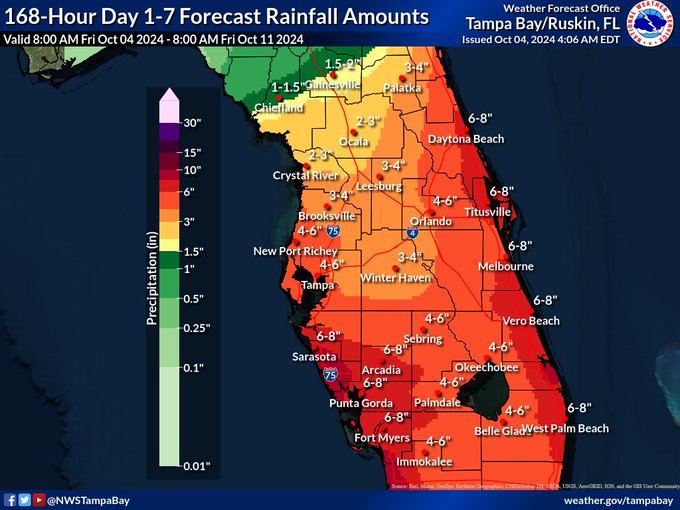
Hurricane season officially runs from June 1st to November 30th, peaking in August and September. While the probability of a direct hit on your specific destination is statistically low, it’s wise to be prepared. When planning travel during these months:
- Monitor forecasts: Stay informed about tropical weather systems before and during your trip. Reputable weather services provide excellent guides.
- Consider travel insurance: Comprehensive travel insurance that covers weather-related disruptions can provide peace of mind, especially for cancellations or delays impacting booking and accommodation.
- Book flexible options: Choose hotels, flights, and attractions with flexible cancellation policies where possible.
- Have a plan: Understand your hotel’s hurricane procedures and know evacuation routes if you’re staying in coastal areas.
Major events are rare, and Florida’s infrastructure is well-equipped to handle them, but preparedness ensures a safer and less stressful experience.
Making the Most of Any Forecast
Florida’s weather can be unpredictable, but with a flexible mindset, you can enjoy your trip no matter the forecast.
- Embrace flexibility: Have backup plans for outdoor activities. If a thunderstorm rolls in, duck into a museum, an indoor attraction, or explore the vast shopping opportunities.
- Utilize hotel amenities: Many resorts and hotels offer excellent indoor amenities like spas, indoor play areas, and diverse dining options that can be perfect for rainy days. For long-term stays in apartments or villas, a well-equipped kitchen can turn a rainy day into a fun cooking experience.
- Consult locals: Don’t hesitate to ask hotel staff or locals for tips on navigating specific weather conditions or discovering hidden gems that are less weather-dependent. Their insights can be invaluable for finding the best food or a unique local culture experience.
Ultimately, Florida’s weather is part of its charm. The quick afternoon showers can clear the air, leaving behind vibrant skies, and the tropical warmth is what makes its beaches and theme parks world-famous.
Conclusion
Florida’s weather, with its distinct seasonal shifts and regional variations, plays a pivotal role in shaping the travel experience across the Sunshine State. From the idyllic mild winters that make luxury travel and long-term stays in resorts so appealing, to the warm, humid summers perfect for family trips and aquatic adventures, there’s truly a season for every type of visitor. Whether you’re planning to explore the historic landmarks of St. Augustine, immerse yourself in the magic of Orlando’s theme parks, or unwind on the tropical beaches of Key West, understanding what weather to expect is your first step towards a perfectly tailored Florida getaway. By following practical tips for packing and preparedness, and embracing the state’s natural charm, you can ensure your trip is as sunny and memorable as Florida itself, making the most of every moment, come rain or shine.
LifeOutOfTheBox is a participant in the Amazon Services LLC Associates Program, an affiliate advertising program designed to provide a means for sites to earn advertising fees by advertising and linking to Amazon.com. Amazon, the Amazon logo, AmazonSupply, and the AmazonSupply logo are trademarks of Amazon.com, Inc. or its affiliates. As an Amazon Associate we earn affiliate commissions from qualifying purchases.