
The year 2021 was a memorable one for weather enthusiasts and residents of the Sunshine State alike, marked by a series of meteorological events that tested the resilience of communities across Florida. While the Atlantic hurricane season officially runs from June 1 to November 30, its impacts can sometimes extend beyond these dates, and the activity in 2021 was no exception. For those planning their travels or seeking to understand the historical weather patterns of this popular tourist destination, pinpointing the final significant tropical systems to affect the state is crucial for assessing risk and appreciating the dynamic nature of Florida’s climate.
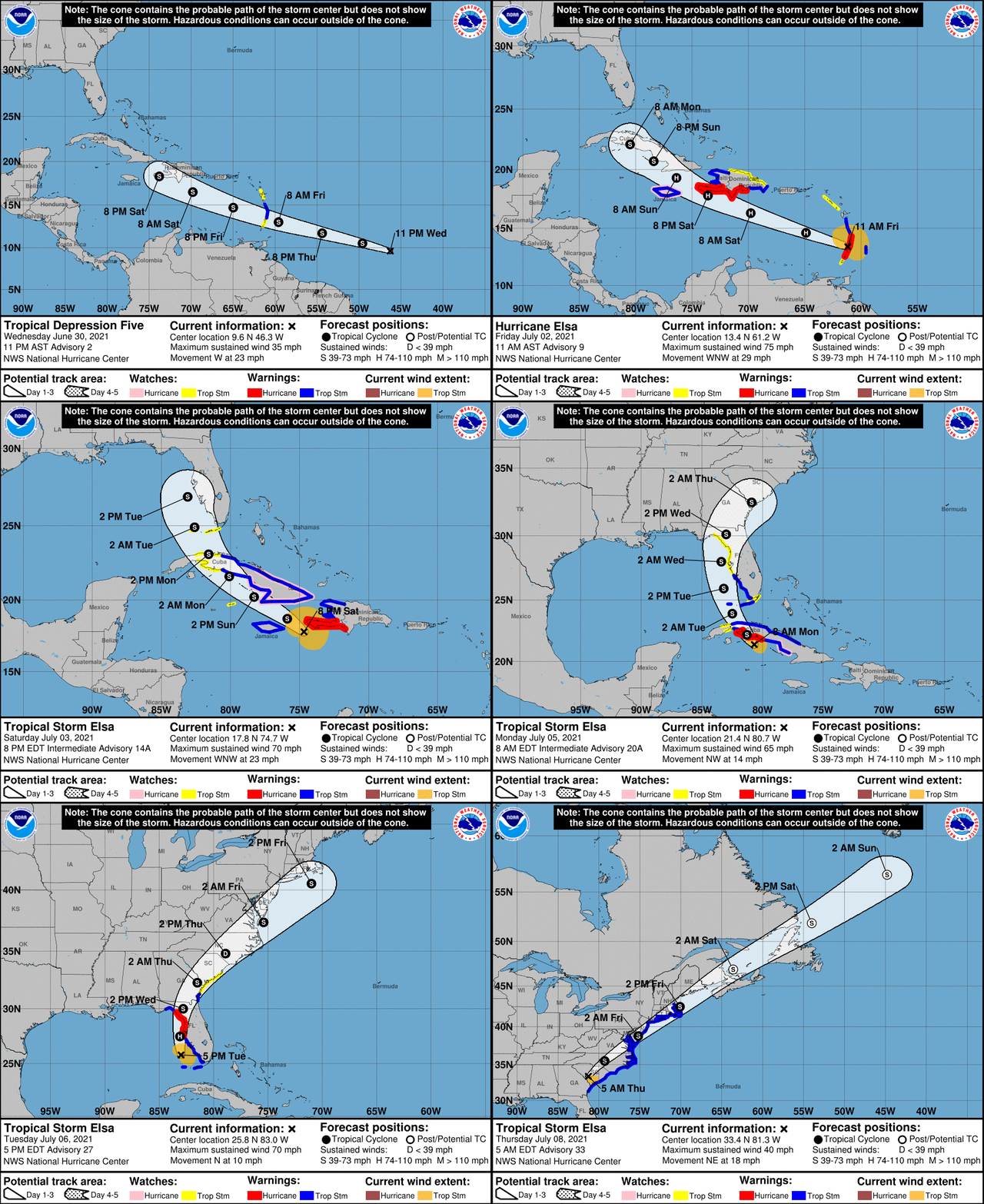
The latter part of the 2021 hurricane season was particularly active, with several storms brewing and making their presence felt. Understanding these events is not just an academic exercise; it informs decisions about when to visit, what to pack, and how to prepare for the unpredictable nature of tropical weather, especially for popular tourist hubs like Miami, Orlando, and the Florida Keys. While many storms skirted the state or weakened before landfall, two particular hurricanes left a notable impression as the season wound down, serving as the last significant tropical cyclone threats to Florida in 2021.
Hurricane Ida: A Late-Season Specter
While Hurricane Ida is more famously known for its devastating impact on Louisiana and the Northeast United States, its indirect effects and the specter of its strength were felt in Florida as it traversed the Gulf of Mexico. Although Ida did not make direct landfall in Florida as a major hurricane, its formation and movement significantly influenced weather patterns across the southeastern United States, including parts of the Sunshine State, during late August and early September 2021.
Formation and Initial Trajectory
Hurricane Ida rapidly intensified from a tropical storm over the Caribbean in late August. Its initial westward track towards the Yucatán Peninsula and then into the Gulf of Mexico put the western coast of Florida on alert. While the storm ultimately veered northwestward, its presence in the Gulf generated significant swells and increased rip current activity along many of Florida’s coastlines, particularly on the Gulf side. This posed a risk to beachgoers and maritime activities, even in areas not directly impacted by wind or rain.
Indirect Impacts and Preparations
The projected path of Ida caused considerable concern among residents and emergency management officials throughout Florida. While evacuations were not mandated for the state, preparations were underway, and there was a palpable sense of unease as the storm’s intensity grew. The indirect impacts included increased rainfall in some areas as the storm’s outer bands brushed the western coast, and altered ocean conditions. For the tourism sector, this meant potential disruptions to offshore activities and beach access, reminding visitors and locals of the powerful forces at play. The sheer power displayed by Ida served as a stark reminder of the hurricane season’s potential, even for storms that do not make direct landfall.
Hurricane Nicholas: A Texas Focus with Florida Ripples
Following the intensity of Ida, the Atlantic hurricane season continued its active pace. By mid-September, another storm system began to develop in the Gulf of Mexico, eventually becoming Hurricane Nicholas. While Nicholas made landfall on the coast of Texas, its circulation and the weather patterns it influenced did extend into the Florida Panhandle and other parts of the state, albeit in a much less severe capacity than its Gulf Coast neighbor.

Formation and Landfall
Hurricane Nicholas formed in the western Gulf of Mexico in mid-September 2021. It rapidly intensified and made landfall as a Category 1 hurricane near Matagorda Bay, Texas. The storm brought significant rainfall and gusty winds to coastal Texas and Louisiana.
Florida’s Exposure to Nicholas
As Nicholas moved inland over Texas, its large circulation continued to interact with weather systems over the southeastern United States. For Florida, this translated to enhanced chances of showers and thunderstorms, particularly in the Panhandle region and along the northern Gulf coast. While not experiencing direct hurricane-force winds, some areas might have seen tropical storm-force gusts and moderate rainfall. These conditions could have led to minor disruptions for travelers heading to or from destinations like Pensacola or Tallahassee, affecting flight schedules or outdoor activities. The presence of Nicholas underscored the interconnectedness of weather systems across the Gulf, even when a storm’s primary impact zone is far removed.
The Broader Context of the 2021 Hurricane Season
It is important to place these last two hurricanes in the context of the overall 2021 Atlantic hurricane season. This season was notably active, ranking as the third most active on record in terms of the number of named storms. While many storms did not directly impact Florida with significant force, the constant threat and the potential for rapid intensification kept emergency managers and residents vigilant.
Understanding Tropical Cyclone Behavior
The 2021 season provided valuable insights into tropical cyclone behavior. Storms like Ida demonstrated the potential for rapid intensification over warm ocean waters, a phenomenon that continues to be a focus of meteorological research. The extended duration of the hurricane season, with significant activity occurring late into the autumn, also highlights the need for preparedness measures to remain in place beyond traditional timelines. For travelers, this means staying informed about weather forecasts throughout the entire hurricane season, especially when planning trips to coastal regions.
Planning Travel with Weather in Mind
For anyone planning a trip to Florida, understanding the historical patterns of hurricane seasons is a prudent step. While Ida and Nicholas were the last notable hurricanes affecting the state in 2021, they represent just two events in a complex season. The primary advice for travelers remains consistent: monitor weather forecasts from reliable sources such as the National Hurricane Center, purchase travel insurance that covers weather-related disruptions, and be aware of the cancellation policies of airlines and accommodations.
Resilience and Recovery
The experiences of 2021, including the impacts of storms like Ida and Nicholas, underscore the importance of community resilience. Florida has a long history of preparing for and recovering from tropical cyclones, with robust infrastructure and emergency management plans in place. For visitors, understanding that the state is well-equipped to handle such events can provide peace of mind, while also encouraging responsible behavior during periods of potential weather alerts. The lessons learned from these storms continue to inform preparedness strategies and ensure the safety and well-being of residents and visitors alike, allowing the vibrant tourism industry to thrive even in the face of natural challenges.
LifeOutOfTheBox is a participant in the Amazon Services LLC Associates Program, an affiliate advertising program designed to provide a means for sites to earn advertising fees by advertising and linking to Amazon.com. Amazon, the Amazon logo, AmazonSupply, and the AmazonSupply logo are trademarks of Amazon.com, Inc. or its affiliates. As an Amazon Associate we earn affiliate commissions from qualifying purchases.