
As a pivotal element in understanding the cultural landscape of a city, the inception of a beloved television series can offer insights into the narratives that resonate with audiences and shape perceptions. Chicago P.D., a compelling police procedural drama, has captivated viewers with its gritty portrayal of the Chicago Police Department’s Intelligence Unit. To fully appreciate its impact, delving into its origins is essential.
The Genesis of an Iconic Series
The journey of Chicago P.D. began with a pilot episode that laid the groundwork for the intense drama and complex character development that would become its hallmarks. This foundational step was crucial in establishing the series’ tone and introducing its core cast of characters, whose lives and professional challenges would drive the narrative forward. The creators aimed to present a realistic, albeit dramatized, look into the lives of law enforcement officers, showcasing the difficult decisions they face and the personal sacrifices they make in the pursuit of justice.

Conception and Development
The concept for Chicago P.D. emerged from the successful universe established by Dick Wolf, a renowned producer known for his work on the Law & Order franchise. The intention was to create a spin-off that would explore a different facet of the criminal justice system in Chicago, focusing on the frontline officers who actively engage with criminals. This expansion of the “One Chicago” franchise aimed to provide viewers with a more visceral and action-oriented perspective on policing.
The Pilot Episode
The pilot episode, a critical juncture for any new series, was meticulously crafted to hook audiences from the outset. It introduced viewers to Sergeant Hank Voight, the enigmatic and often morally ambiguous leader of the Intelligence Unit, portrayed by Jason Beghe. The episode also featured other key characters, such as detectives Erin Lindsay, Jay Halstead, and Adam Ruzek, establishing their initial relationships and professional dynamics. The narrative focused on a compelling case that immediately showcased the unit’s methods and the high stakes involved in their work. The gritty authenticity and the raw emotional performances were designed to immediately immerse the audience in the world of Chicago P.D..
Premiering to the World
The official debut of Chicago P.D. marked a significant moment for television drama, introducing a fresh perspective on police procedurals. The series’ premiere was met with anticipation, building upon the existing fanbase of the “One Chicago” universe. Its initial reception provided a strong foundation for its subsequent seasons, setting the stage for its enduring popularity.
The Broadcast Debut
Chicago P.D. premiered on January 8, 2014. This date is significant as it represents the official launch of the series into the public consciousness. The premiere episode was broadcast on the NBC network, which has been its home throughout its run. The choice of a mid-season premiere allowed the network to strategically place the show and gauge audience reaction. The initial broadcast was designed to be impactful, featuring a compelling storyline that immediately established the show’s character-driven approach and its commitment to exploring the darker aspects of crime and its impact on the city and its residents.
Initial Reception and Reviews
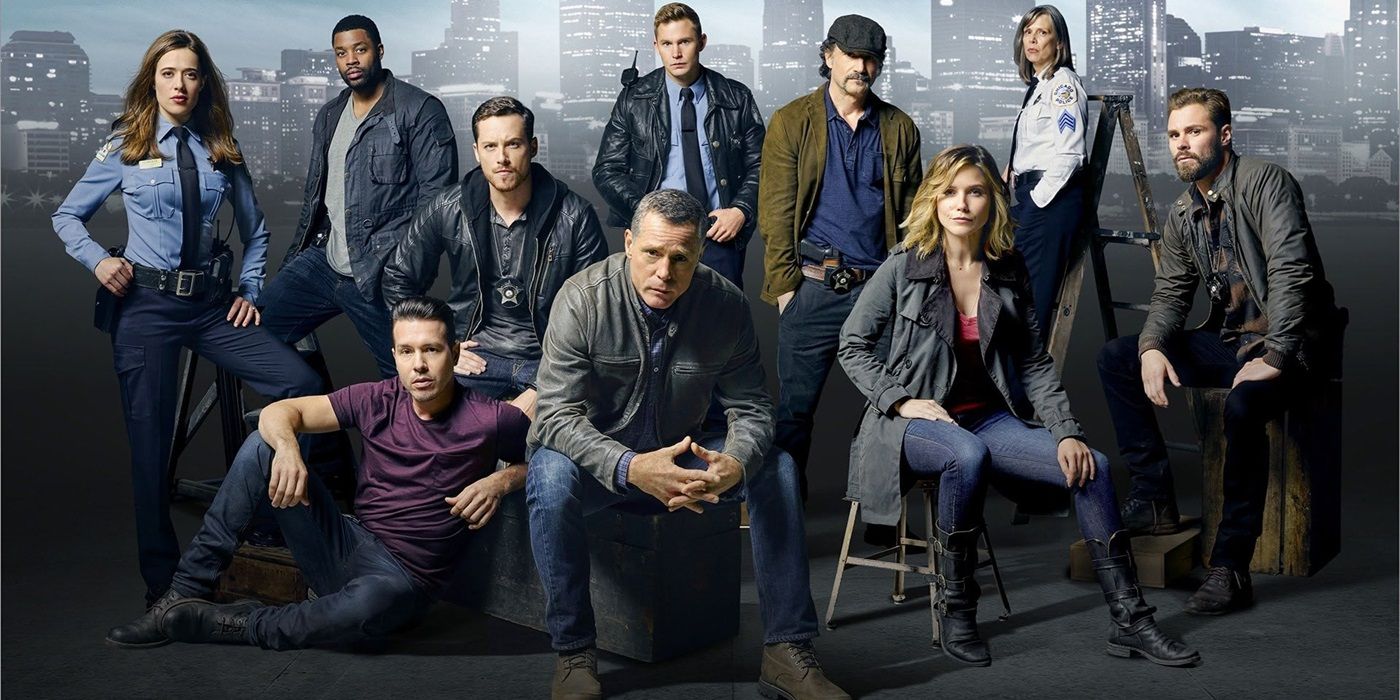
Upon its debut, Chicago P.D. garnered a generally positive response from critics and audiences alike. Reviewers often praised the strong performances, particularly from Jason Beghe as Sergeant Voight, and the show’s gritty realism. The series was lauded for its ability to balance intense action sequences with compelling character development, exploring the personal lives and struggles of the officers. While some noted its similarities to other police dramas, many found its unique take on police work in Chicago to be refreshing. The show’s immediate success indicated that it had successfully carved out its own niche within the crowded television landscape.
The “One Chicago” Universe: A Connected World
The launch of Chicago P.D. was not an isolated event but rather a strategic expansion of a larger, interconnected television universe. This “One Chicago” franchise has become a hallmark of NBC, offering viewers a variety of perspectives on the city’s emergency services and legal system. Understanding the context of its creation within this universe provides a richer appreciation for the series’ development and its subsequent evolution.
The Preceding Series: Chicago Fire
Before Chicago P.D. made its debut, the “One Chicago” universe was already firmly established by the success of Chicago Fire. Premiering in 2012, Chicago Fire focused on the brave men and women of Chicago’s Firehouse 51. The popularity of this series paved the way for spin-offs, creating a demand for more stories set within the city’s vital emergency services. The interconnectedness allowed for natural crossovers, introducing characters and storylines that seamlessly transitioned between the shows. This existing fanbase was a crucial factor in the early success of Chicago P.D..
Thematic Overlap and Crossover Opportunities
The shared setting of Chicago and the common themes of public service and high-stakes emergencies provided fertile ground for crossovers between Chicago Fire and Chicago P.D.. These collaborations allowed characters from one series to appear in the other, deepening the narrative and offering viewers a more comprehensive look at the city’s responders. For instance, a fire could necessitate the involvement of the police, or a criminal investigation might require the assistance of the fire department. This deliberate weaving of storylines not only enhanced viewer engagement but also reinforced the idea of a unified community of heroes working to protect Chicago. This approach has been a cornerstone of the “One Chicago” franchise, extending to later additions like Chicago Med.
Legacy and Impact
Since its premiere in 2014, Chicago P.D. has solidified its position as a prominent and influential series in contemporary television. Its blend of gritty realism, complex characters, and compelling storylines has resonated with a broad audience, contributing significantly to the ongoing success of the “One Chicago” franchise. The show’s longevity speaks to its ability to adapt and evolve while staying true to its core themes.
Critical Acclaim and Audience Engagement
Over its extensive run, Chicago P.D. has consistently garnered critical attention and a dedicated fan base. The series has been recognized for its bold storytelling, tackling complex social issues and ethical dilemmas faced by law enforcement officers. The consistent portrayal of nuanced characters, particularly Sergeant Voight’s morally gray leadership, has been a subject of much discussion and analysis. The show’s ability to maintain high ratings and sustain audience interest across multiple seasons is a testament to its production quality and the enduring appeal of its narrative.

The “One Chicago” Phenomenon
The success of Chicago P.D. has been instrumental in the creation and continued prosperity of the “One Chicago” universe. Alongside Chicago Fire and Chicago Med, and later Chicago Justice and FBI: Most Wanted, the franchise has become a significant draw for NBC. These interconnected series have fostered a loyal audience that tunes in for the compelling drama, character development, and the unique spirit of Chicago as depicted on screen. The franchise’s ability to deliver engaging storylines that appeal to a wide demographic has cemented its place as a television powerhouse.
LifeOutOfTheBox is a participant in the Amazon Services LLC Associates Program, an affiliate advertising program designed to provide a means for sites to earn advertising fees by advertising and linking to Amazon.com. Amazon, the Amazon logo, AmazonSupply, and the AmazonSupply logo are trademarks of Amazon.com, Inc. or its affiliates. As an Amazon Associate we earn affiliate commissions from qualifying purchases.