
The magic of Walt Disney World is a phenomenon that has captured the imaginations of millions across the globe. For decades, this sprawling entertainment complex in Orlando, Florida, has been a beacon of family fun, fantastical adventures, and unforgettable memories. But for many who dream of experiencing its enchantment, a fundamental question often arises: when did this iconic destination first welcome its eager visitors? The answer to “What year did Disney World open in Orlando, Florida?” is a pivotal piece of information for anyone planning a pilgrimage to the land of enchantment.
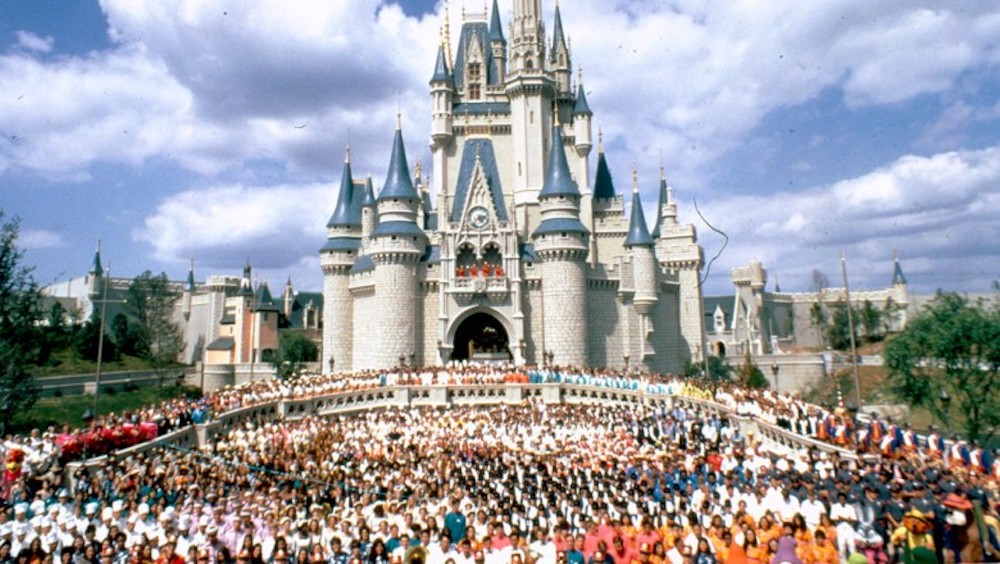
This monumental undertaking, envisioned by the legendary Walt Disney, wasn’t just about building a theme park; it was about creating an entirely new type of vacation experience, a place where dreams could truly come to life. The journey from concept to grand opening was a testament to innovation, perseverance, and a deep understanding of what makes people happy. Understanding the opening year is not just about a date; it’s about acknowledging the historical significance of a project that reshaped the landscape of tourism and travel in Florida and beyond.
The Genesis of a Dream: From California to the Sunshine State
The initial spark for what would become Disney World ignited long before the first shovel broke ground in Florida. After the phenomenal success of Disneyland in Anaheim, California, which opened its gates in 1955, Walt Disney recognized the limitations of his West Coast park. Disneyland, while groundbreaking, was a single park on a relatively small parcel of land. Walt envisioned something grander, a destination that could offer a wider array of experiences, accommodate more guests, and serve as a beacon for a broader geographical region.
His vision was for a “Vacation Kingdom” – a place that extended far beyond just rides and attractions. He dreamt of hotels, recreational facilities, and even a fully functioning city. The sheer scale of this ambition required a much larger canvas. California was deemed too developed, with limited available land and potentially higher land acquisition costs. Walt Disney and his team began an extensive search for a new location, a place that offered ample space, a favorable climate, and access to a significant population base. Their search ultimately led them to the undeveloped swampland of central Florida.
The choice of Orlando, Florida, was strategic. The state offered a warm climate year-round, ideal for outdoor attractions. Its location provided access to major population centers in the Southeast, and crucially, vast tracts of land were available at a more reasonable cost. This was essential for the ambitious scope of Walt’s “Florida Project.” The acquisition of over 27,000 acres of land was a clandestine operation, with Disney purchasing parcels under various shell corporations to avoid driving up prices.
The Grand Opening: A New Era of Entertainment Dawns
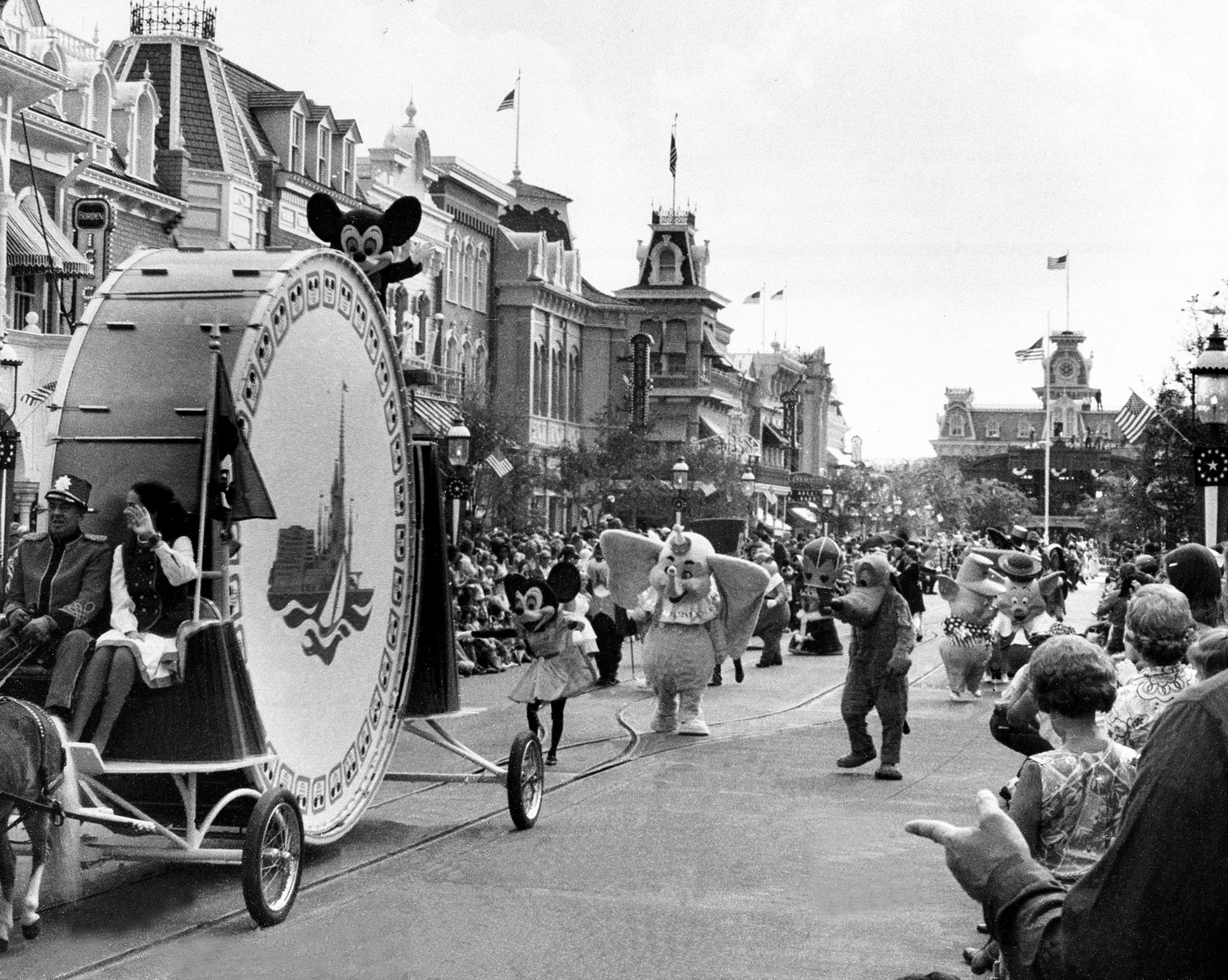
After years of meticulous planning, design, and construction, the dream began to materialize. The culmination of this monumental effort arrived on October 1, 1971. On this historic day, Walt Disney World Resort officially opened its gates to the public, debuting with Magic Kingdom park, Disney’s Contemporary Resort, and Disney’s Polynesian Village Resort. This opening marked a significant milestone not only for The Walt Disney Company but for the entire tourism industry.
The initial offerings were designed to awe and inspire. Magic Kingdom, the iconic heart of Walt Disney World, was built with the intention of replicating the magic of Disneyland but on a grander scale. Its Cinderella Castle, a regal centerpiece, became an immediate symbol of fairy tales and wonder. The park was divided into themed “lands,” each offering a unique immersive experience: Adventureland, Frontierland, Liberty Square, Fantasyland, and Tomorrowland. These lands were populated with innovative attractions that pushed the boundaries of theme park entertainment, many of which were either new or enhanced versions of beloved Disneyland classics.
The opening of Disney’s Contemporary Resort and Disney’s Polynesian Village Resort also signaled a new era in theme park accommodation. These were not just places to sleep; they were destinations in themselves, offering themed environments, extensive amenities, and a seamless integration with the park experience. The Contemporary Resort, with its distinctive A-frame architecture and monorail running through its center, was a marvel of engineering and design, offering unparalleled views of Magic Kingdom. The Polynesian Village Resort transported guests to the tropical islands of the South Pacific, providing a unique cultural and leisure experience.
The opening was a carefully orchestrated event, drawing immense media attention and an eager public. Despite the absence of Walt Disney himself, who had passed away in 1966, his vision was vividly brought to life by his dedicated team, led by his brother, Roy O. Disney. Roy O. Disney played a crucial role in ensuring Walt’s dream was realized, famously stating that Walt Disney World would be “for the people of the world” and that its name would be Walt Disney World, to “carry his name on forever.” The park’s success was immediate and profound, quickly establishing itself as a premier travel destination.
Beyond the Gates: The Evolution of a Theme Park Empire
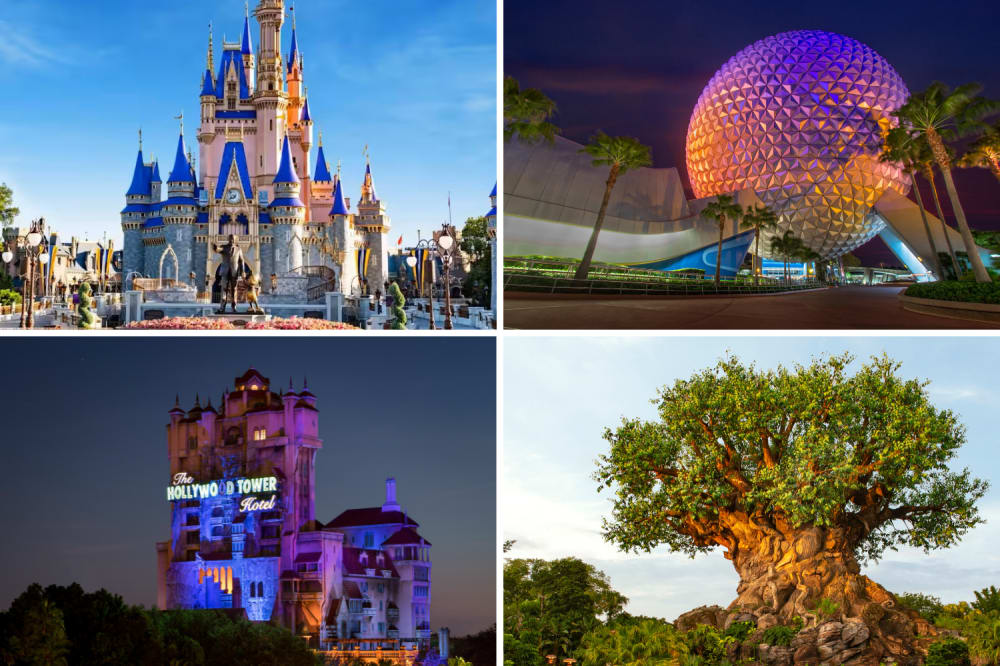
Since its grand opening on October 1, 1971, Walt Disney World has undergone continuous evolution and expansion, cementing its status as a global entertainment powerhouse. The initial modest offerings of Magic Kingdom and two resorts have blossomed into a vast complex encompassing multiple theme parks, water parks, a vibrant entertainment district, and a multitude of resort hotels, each catering to diverse lifestyle preferences and accommodation needs.
Following the success of Magic Kingdom, EPCOT Center (now EPCOT) opened its doors in 1982, focusing on innovation, international culture, and a forward-looking vision. This park was designed to be a unique blend of “edutainment” and thrilling attractions, showcasing advancements in technology and the diverse cultures of the world through its iconic World Showcase. The subsequent addition of Disney’s Hollywood Studios (originally Disney-MGM Studios) in 1989 brought the magic of movies and show business to life, offering behind-the-scenes glimpses into filmmaking and immersive attractions based on beloved cinematic stories. Finally, Disney’s Animal Kingdom debuted in 1998, offering an expansive exploration of the natural world, wildlife conservation, and captivating shows.
The growth in accommodation has been equally impressive. From the initial two resorts, Walt Disney World now boasts a comprehensive portfolio of hotels, ranging from value-friendly options to luxurious Deluxe Villas and themed resorts. Each resort is meticulously designed to enhance the guest experience, offering unique amenities, dining options, and a seamless connection to the parks. These resorts are integral to the Disney experience, providing diverse lifestyle choices for every traveler, whether they are seeking a budget-friendly family trip or a more indulgent luxury travel escape.
The complex also includes the Disney Springs area, a bustling hub for shopping, dining, and entertainment, offering a vibrant tourism experience outside the theme parks. Water parks like Typhoon Lagoon and Blizzard Beach provide refreshing escapes during the warm Florida months. This continuous expansion and diversification have ensured that Walt Disney World remains a dynamic and ever-evolving destination, consistently offering new adventures and experiences for repeat visitors and first-time guests alike. The year 1971 marks the beginning of this incredible journey, the moment when a singular vision transformed into a world-renowned landmark of travel and tourism.