
As the Golden State beckons millions of travelers and residents with its sun-drenched landscapes, iconic cities, and endless adventure, the topic of vehicle comfort and aesthetics often comes to the forefront. From cruising down the Pacific Coast Highway to navigating the bustling streets of Los Angeles or enjoying a scenic drive through Napa Valley, a car is often more than just transport; it’s an integral part of the California experience. One popular modification that enhances both the driving experience and the look of a vehicle is window tinting. However, for those exploring California as a destination or considering a long-term stay, understanding the specific legal requirements for window tint is crucial. It’s not just about style; it’s about safety, compliance, and enjoying your travel without unwelcome legal detours.
Window tinting offers a range of benefits, from reducing interior heat and glare – a welcome relief during California’s often intense sunshine – to enhancing privacy and protecting the car’s interior from harmful UV rays. For those on a road trip across the state, or even just commuting daily, these advantages significantly contribute to comfort and vehicle longevity. Yet, the desire for darker windows must be balanced with adherence to the law. Each state has its own distinct regulations regarding window tint, and California’s rules are particularly strict, designed to ensure driver visibility and law enforcement safety. Whether you’re a local resident, a tourist renting a car for a scenic drive, or someone considering an accommodation for an extended period, knowing “What is legal tint in California?” is fundamental to a smooth and enjoyable journey. This comprehensive guide will delve into the intricacies of California’s window tint laws, exploring the specific regulations, the benefits of legal tint, and how to ensure your vehicle meets the state’s requirements, all while aligning with the diverse lifestyle and tourism opportunities the state offers.
Understanding California’s Window Tint Laws: The Essentials
California’s vehicle code, specifically sections CVC 26708 and 26708.5, lays out the specific requirements for window tinting. These laws are designed to ensure clear visibility for drivers and allow law enforcement officers to see into a vehicle, which is a critical safety measure. Unlike some states with more lenient rules, California has precise regulations concerning the visible light transmission (VLT) percentages and the placement of tint.
The VLT percentage refers to the amount of visible light that passes through the window film and the window glass. A lower VLT percentage means darker tint, allowing less light to pass through. Conversely, a higher VLT percentage means a lighter tint, allowing more light.
Key Regulations for Legal Tint in California:
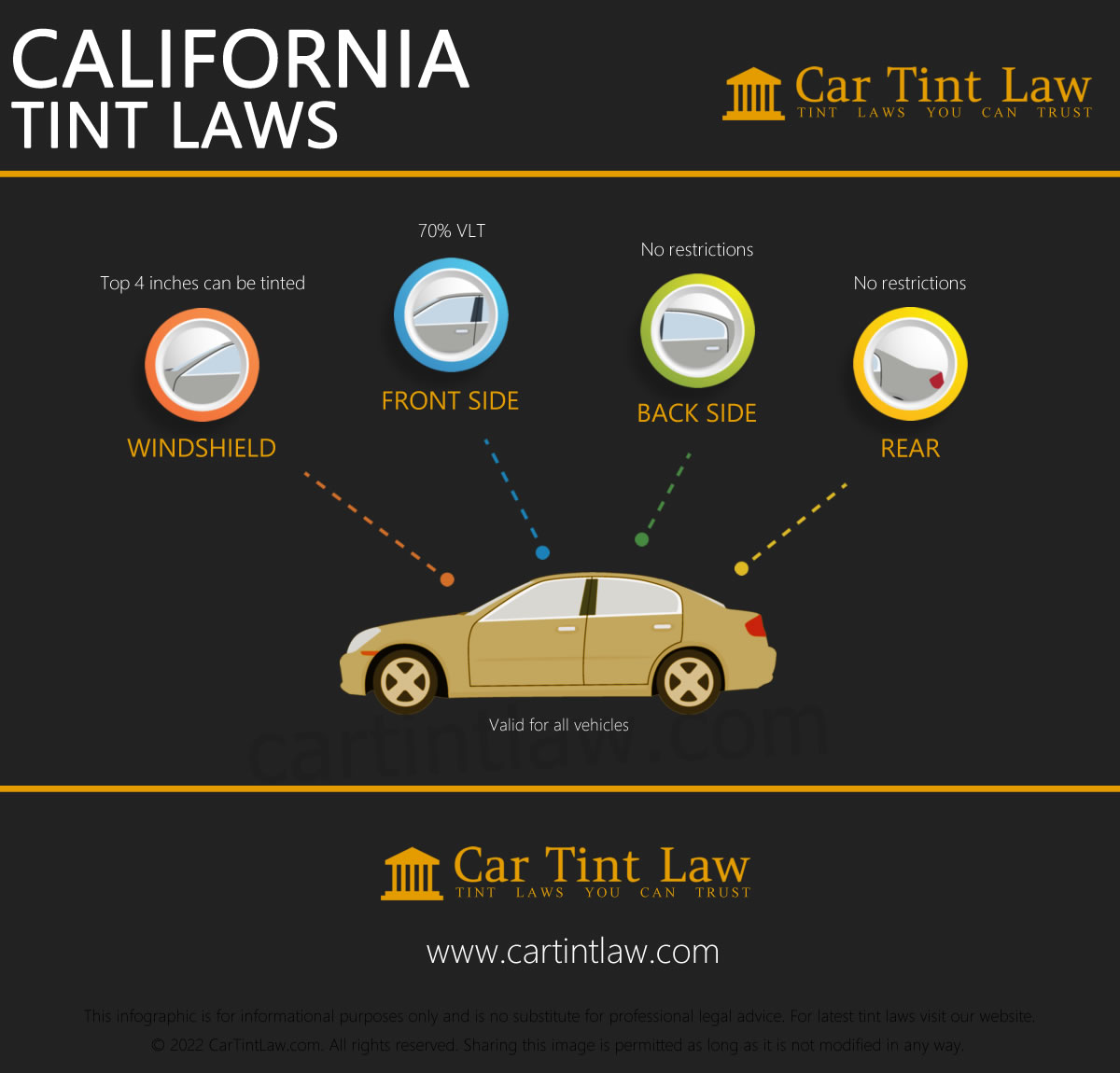
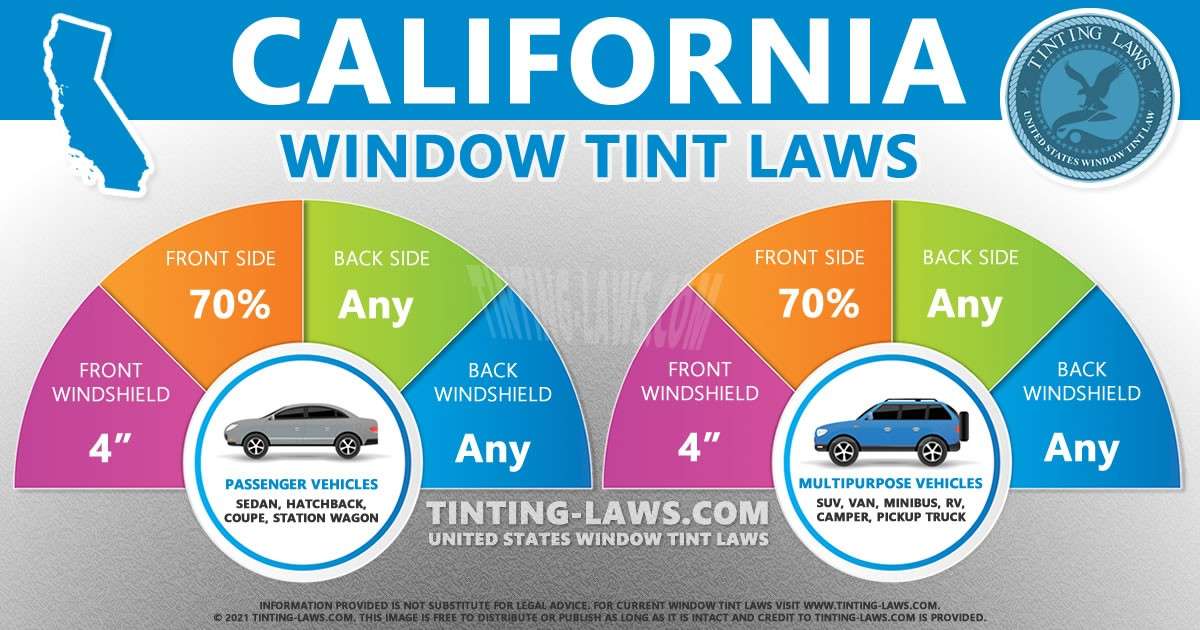
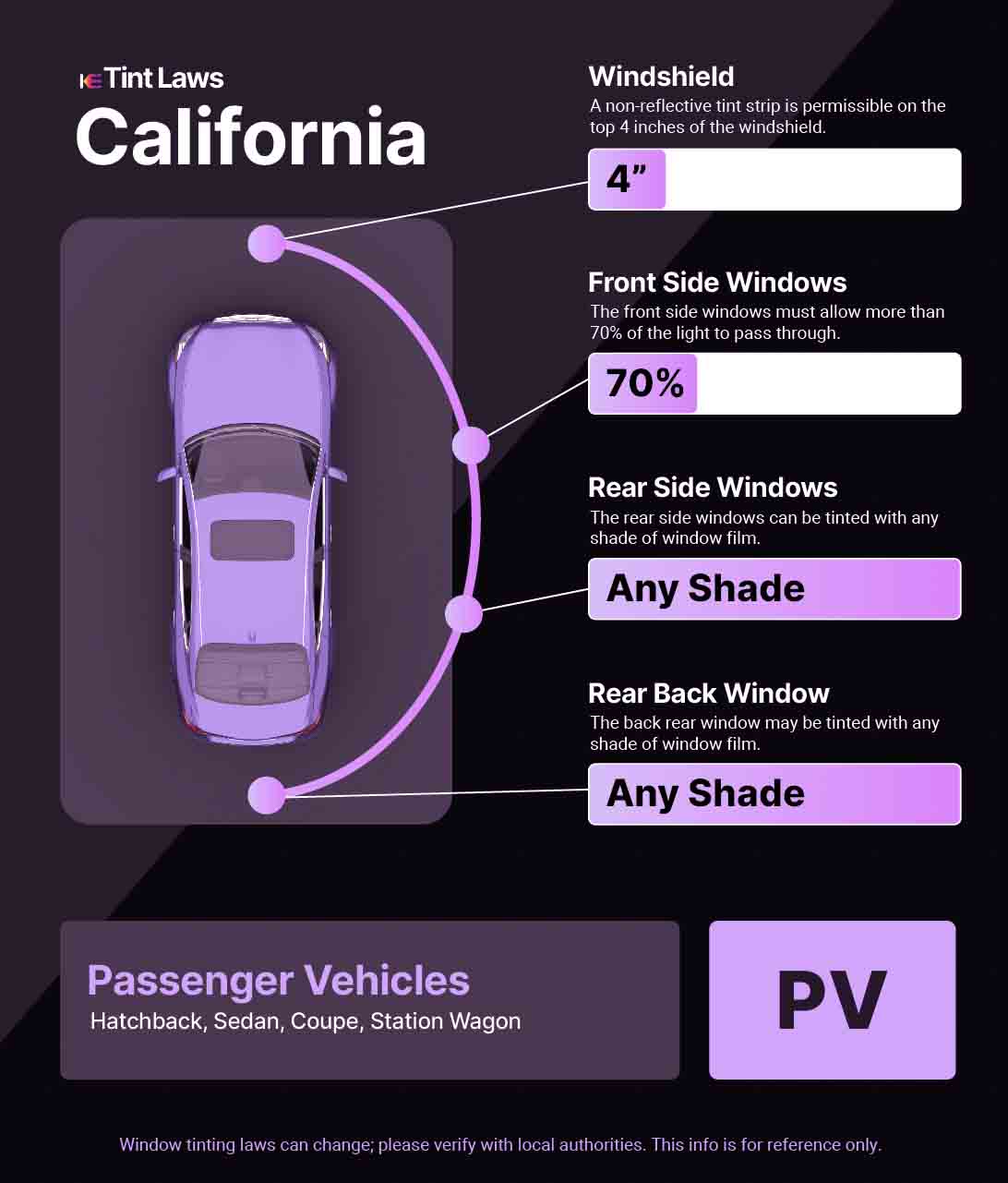
- Front Side Windows: This is perhaps the most critical distinction. The front side windows (driver and front passenger side) must allow more than 70% of visible light through. This means that only a very light tint is permitted, or often, no aftermarket tint at all if the factory glass already has a slight tint. The purpose is to maintain clear visibility for the driver, especially when checking mirrors or making turns, and to ensure law enforcement can see the occupants of the vehicle.
- Rear Side Windows: For the rear side windows (behind the driver and front passenger), there are no restrictions on darkness (VLT percentage). You can legally apply any shade of tint, including complete blackout, to these windows. This provides flexibility for privacy and heat reduction, which is particularly appealing for families traveling with children or those carrying valuables.
- Rear Window (Back Windshield): Similar to the rear side windows, there are no restrictions on the darkness (VLT percentage) for the back windshield. However, if the rear window is tinted, the vehicle must have dual side mirrors that allow the driver to see at least 200 feet to the rear. This is a common requirement and most modern vehicles are already equipped with dual side mirrors.
- Windshield Tint: This area is subject to the strictest rules. No tint is allowed on the windshield below the AS-1 line. The AS-1 line is typically marked on the windshield, usually about 5-6 inches from the top. If there is no AS-1 line, tint is permitted only on the top 4 inches of the windshield. The tint applied to this upper strip must be non-reflective and transparent. The intention here is to block direct overhead sun glare without impairing the driver’s forward visibility.
- Color Restrictions: California law generally prohibits metallic or mirrored tint that is highly reflective. The tint film must be transparent and not of certain colors that could impede visibility or be confused with emergency vehicle lights. Red, amber, blue, and highly reflective silver films are typically illegal. The tint should ideally be a neutral shade like charcoal or bronze.
- Medical Exemptions: There is a provision for medical exemptions in California. Individuals with a legitimate medical condition that makes them highly sensitive to sunlight (e.g., lupus, severe photosensitivity) can apply for a medical exemption certificate from the Department of Motor Vehicles (DMV). This certificate, signed by a licensed physician, may allow for darker tint on front side windows than typically permitted. However, this is not an automatic right and requires proper documentation and approval.
These regulations reflect California’s commitment to road safety while acknowledging the practical benefits of tinting for comfort and vehicle preservation. For anyone residing in or planning to visit California, understanding these specific percentages and placements is paramount to avoiding fines and ensuring a hassle-free experience.
The Appeal of Window Tinting for Travelers and Residents
Beyond mere compliance, legal window tinting offers significant advantages that align perfectly with the diverse experiences offered by California’s tourism and lifestyle scenes. Whether you’re on a grand road trip, enjoying a stay at a luxury hotel, or simply navigating daily life, tinted windows can dramatically improve your experience.
Enhanced Comfort and Privacy on the Road
California’s climate is famous for its abundant sunshine, which, while beautiful, can lead to scorching car interiors and uncomfortable glare. Legal window tint acts as a crucial barrier against the sun’s relentless rays. By rejecting a significant amount of solar heat, tint keeps your vehicle cooler, reducing the strain on your air conditioning system and making every drive more comfortable. This is especially beneficial when exploring sun-drenched destinations like Palm Springs or navigating traffic in San Diego.
Reduced glare is another major benefit. Driving into a setting sun on the Santa Monica pier or a rising sun on a desert highway can be blinding and dangerous. Tint helps to cut down this glare, improving visibility and reducing eye strain, which is vital for long drives and exploring new destinations. For families on vacation, it means a more peaceful journey for children in the back seats, protecting them from direct sunlight and allowing for more relaxed travel between attractions like Disneyland and Universal Studios Hollywood.
Furthermore, tint provides a degree of privacy, especially for rear passengers and the contents of your vehicle. When you park your car to explore a landmark like the Golden Gate Bridge or check into a resort, the subtle concealment offered by tinted windows can deter opportunistic theft by keeping valuables out of plain sight. This added layer of security is a major peace of mind for both short-term tourists and long-term residents.
Protecting Vehicle Interiors and Valuables
The intense UV radiation in California can wreak havoc on a vehicle’s interior. Over time, constant exposure to sunlight can fade upholstery, crack dashboards, and degrade plastic components. Window tinting, particularly high-quality films, is incredibly effective at blocking up to 99% of harmful UV rays. This acts as an invisible shield, preserving the pristine condition of your car’s interior, whether it’s a personal vehicle, a rental car, or a luxury automobile. For those who invest in premium vehicles or frequently embark on luxury travel, this protection is invaluable for maintaining resale value and aesthetic appeal.
Beyond protecting the car itself, tint also safeguards personal belongings left inside. When travelers explore bustling city centers like San Francisco or go hiking in Yosemite National Park, their luggage, electronics, and other valuables are often left in the car. Tinted windows make it significantly harder for passersby to peek inside, reducing the temptation for break-ins. This subtle deterrent is a smart consideration for anyone frequently parking their vehicle in public areas, whether for a quick sightseeing stop or an overnight stay.
Aesthetic and Lifestyle Considerations
In a state celebrated for its style, innovation, and diverse lifestyle, the aesthetic appeal of a vehicle plays a significant role. Window tinting can dramatically enhance the appearance of a car, giving it a sleek, sophisticated, and unified look. This is particularly true in fashion-forward areas like Beverly Hills or Hollywood, where vehicle presentation often reflects personal style.
For many, a tinted vehicle aligns with a specific lifestyle – one of cool confidence, privacy, and understated luxury. It can make a standard car feel more premium and a luxury car even more exclusive. Whether you’re commuting to a business meeting in Sacramento or heading out for a weekend adventure to Lake Tahoe, legal window tint contributes to a sense of comfort and personal space. It’s an investment in both practicality and personal expression, ensuring your vehicle not only feels good but also looks good as you navigate the varied terrains and social scenes of California.
Navigating Enforcement and Ensuring Compliance
Understanding California’s tint laws is the first step; the next is ensuring your vehicle complies and understanding the potential consequences of non-compliance. Law enforcement agencies in California are well-versed in these regulations and are equipped to check for violations.
How Law Enforcement Checks Tint: Officers often use portable tint meters, small electronic devices that measure the VLT percentage of your window film. They can quickly determine if your front side windows, in particular, fall below the legal 70% VLT threshold. During routine traffic stops or checkpoints, this is a common inspection point.
Consequences of Non-Compliance: If your vehicle’s tint is found to be illegal, you will likely receive a “fix-it ticket,” officially known as a “correctable violation.” This type of citation requires you to correct the violation (remove or replace the illegal tint) and then provide proof of correction to the court or law enforcement agency. While often not accompanied by an immediate large fine, failure to correct the violation and provide proof can lead to more significant fines and even a misdemeanor charge. Additionally, in some cases, officers might issue a fine directly without the “fix-it” option, or a combination of both. Repeated violations or blatant disregard for the law can result in harsher penalties.
Tips for Ensuring Legal Tint:
- Professional Installation: Always opt for a reputable, professional window tinting service. Experienced installers will be knowledgeable about California laws and can advise you on the darkest legal tint for each window. They often use high-quality films that provide excellent UV protection and heat rejection without violating VLT limits. Ask for a guarantee that their installation complies with state law.
- Check Your VLT: Before or after installation, you can ask the installer to provide a VLT reading for your windows. Many tint shops have their own meters. If you’re unsure about existing tint, you can often find mobile tint services or ask local law enforcement during non-emergency times if they can provide a reading.
- Understand Factory Tint: Be aware that many vehicles come with a slight factory tint in the glass itself, even if it looks clear. This factory tint usually has a VLT of around 70-80%. Adding any aftermarket film, even a very light one, to a front window with existing factory tint could push it below the 70% legal limit. A good installer will account for this.
- Keep Documentation: If you have a medical exemption, always keep the official certificate from the DMV in your vehicle. This will save you trouble if you are pulled over.
Ensuring your window tint is legal is a straightforward process that simply requires attention to detail and reliance on knowledgeable professionals. It’s an essential part of responsible vehicle ownership and operation, particularly in a state as vigilant about road safety as California.
Tinting as Part of the California Experience
The golden state embodies a unique blend of vibrant urban centers, pristine natural beauty, and an undeniable car culture. From the iconic highways that hug the coastline to the sprawling freeways connecting its major metropolitan areas, driving is an integral part of the California lifestyle. Understanding and utilizing legal window tinting subtly weaves into this experience, enhancing comfort, safety, and personal expression on the road.
Imagine embarking on a multi-day road trip through Big Sur, stopping at picturesque overlooks, or driving through Death Valley National Park where temperatures soar. Legal window tint contributes significantly to the enjoyment of these journeys by mitigating intense heat and glare, making the interior a more pleasant sanctuary. For residents of bustling cities like Oakland or San Jose, where commutes can be long, the daily benefits of UV protection and increased comfort are invaluable.
Moreover, the aesthetic aspect of legal tint aligns with the state’s emphasis on style and personal flair. In a culture where vehicles are often seen as an extension of one’s personality, a professionally tinted car projects an image of sophistication and care. It’s about more than just looking good; it’s about feeling good, too. The privacy offered by tinting provides a sense of personal space, a luxury in itself amidst the state’s vibrant and often crowded environments. Whether you’re navigating the urban jungle or finding solitude in nature, legal window tint allows for a more relaxed and protected driving experience.
Ultimately, ensuring your car’s window tint is compliant with California law is not just about avoiding a ticket; it’s about embracing a smart approach to vehicle ownership and travel in a state that celebrates both the journey and the destination. It’s a small but significant detail that can greatly enhance your overall California adventure, allowing you to focus on the breathtaking scenery, the diverse culture, and the myriad of experiences that await.
In conclusion, knowing “What is legal tint in California?” is essential for anyone on its roads. By adhering to the specific VLT percentages and placement rules, especially for front side windows and windshields, drivers can enjoy the numerous benefits of window tinting – enhanced comfort, UV protection, privacy, and improved aesthetics – without running afoul of the law. Prioritize professional installation and regular checks to ensure compliance, making your drives across California as smooth, safe, and stylish as possible, whether for a quick trip or an extended stay.
LifeOutOfTheBox is a participant in the Amazon Services LLC Associates Program, an affiliate advertising program designed to provide a means for sites to earn advertising fees by advertising and linking to Amazon.com. Amazon, the Amazon logo, AmazonSupply, and the AmazonSupply logo are trademarks of Amazon.com, Inc. or its affiliates. As an Amazon Associate we earn affiliate commissions from qualifying purchases.