
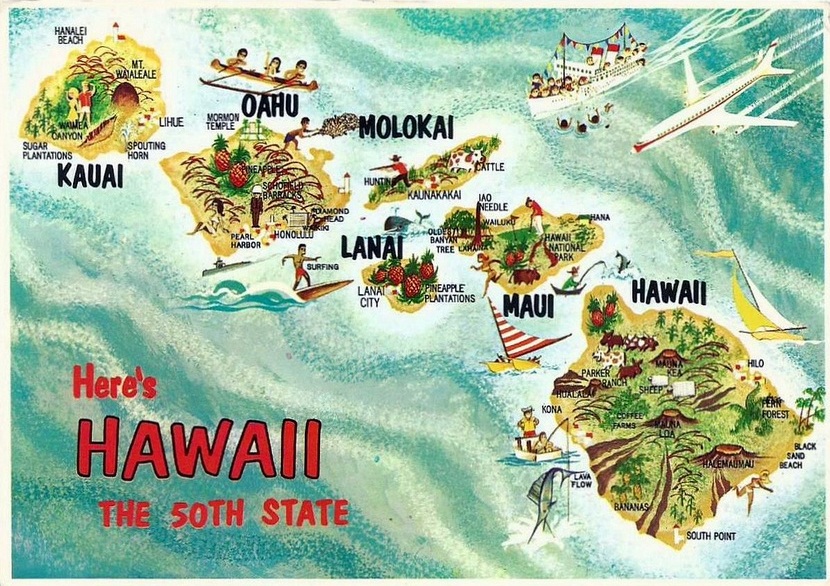
The breathtaking archipelago of Hawaii, a name synonymous with paradise, aloha spirit, and unparalleled natural beauty, officially became the 50th state of the United States on August 21, 1959. This pivotal moment in history marked the culmination of a long and complex journey, transforming a once-independent kingdom into a vital part of the American fabric. Far more than just a historical date, Hawaii’s statehood profoundly reshaped its economic landscape, fueled an unprecedented tourism boom, and solidified its status as one of the world’s most coveted travel destinations. Understanding this historical trajectory is essential for appreciating the unique culture, vibrant lifestyle, and diverse attractions that draw millions of visitors to its shores each year.
A Journey Through Time: Hawaii’s Path to Statehood
The story of Hawaii’s statehood is a rich tapestry woven with threads of ancient Polynesian voyagers, European exploration, monarchical rule, and American political ambition. Its path to becoming a state was anything but straightforward, characterized by significant cultural shifts, political upheavals, and a persistent desire for self-determination.
From Kingdom to Territory: The Pre-Statehood Era
For centuries, the Hawaiian Islands flourished under the rule of indigenous chiefs, eventually unified into a single kingdom by King Kamehameha I in 1810. This period saw the development of a unique and vibrant culture, deeply connected to the land and sea. However, the arrival of Western explorers, most notably Captain James Cook in 1778, introduced new influences that would irrevocably alter the islands’ destiny. Over the 19th century, Hawaii became a strategic hub for whaling and sugar plantations, attracting a diverse influx of immigrants and increasing American economic and political interests.
This growing influence culminated in the controversial overthrow of the Hawaiian Kingdom‘s last monarch, Queen Liliuokalani, in 1893 by a group of American and European businessmen, supported by U.S. Marines. Following a brief period as a republic, the islands were annexed by the United States in 1898 and formally established as the Territory of Hawaii in 1900. During its territorial phase, Hawaii developed rapidly, with Honolulu emerging as a key port and military base in the Pacific. The seeds of statehood were sown early, with many residents believing that full integration into the United States would bring greater representation and economic stability.
The Road to the 50th Star: A Half-Century of Advocacy
The pursuit of statehood was a protracted battle, facing opposition from various fronts, including concerns about Hawaii’s racial diversity, its distance from the mainland, and its perceived strategic vulnerability. However, the attack on Pearl Harbor on December 7, 1941, and Hawaii’s crucial role as a military outpost during World War II, dramatically shifted public and political opinion. The loyalty and sacrifices of Hawaiian residents, particularly the contributions of its diverse population to the war effort, underscored their American identity and strengthened the argument for statehood.
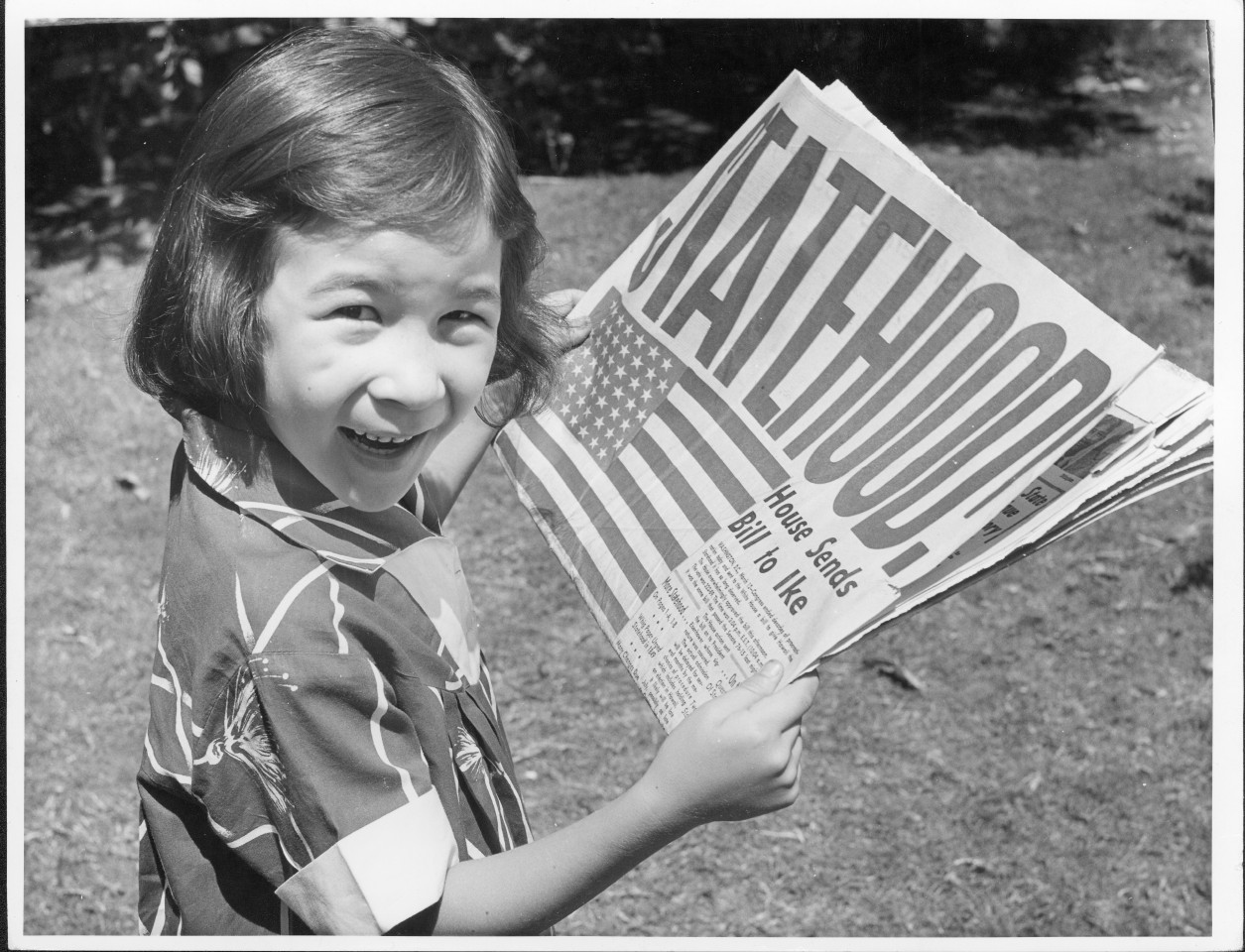
In the post-war years, advocacy for statehood intensified. Delegates from Hawaii made frequent trips to Washington D.C. to lobby Congress. Finally, after decades of debate, the U.S. Congress passed the Hawaii Admission Act in March 1959. This act required a plebiscite, or popular vote, by the residents of Hawaii. On June 27, 1959, Hawaiian citizens voted overwhelmingly in favor of statehood, with 94% casting their ballots in affirmation. Less than two months later, on August 21, 1959, President Dwight D. Eisenhower signed the proclamation officially making Hawaii the 50th state. This historic event was met with widespread celebration across the islands, marking a new chapter for the vibrant Pacific paradise.

Statehood’s Unveiling: Transforming a Paradise into a Global Destination
The advent of statehood brought about significant changes that propelled Hawaii onto the global stage as a premier destination for tourism and travel. The newfound political stability and federal investment laid the groundwork for an economic boom, primarily driven by the burgeoning travel industry.
The Economic Boom: Tourism, Infrastructure, and Accessibility
Prior to statehood, Hawaii was already a destination, but it was largely seen as exotic and somewhat remote. Statehood changed this perception, integrating the islands more seamlessly into the American consciousness and significantly boosting accessibility. The 1960s witnessed an explosion in commercial air travel, and as a state, Hawaii was better positioned to capitalize on this trend. Federal funding facilitated the expansion of airports, highways, and harbors, dramatically improving the infrastructure necessary to support a mass influx of visitors.
The tourism sector experienced exponential growth. Developers recognized the immense potential, leading to a proliferation of world-class hotels, resorts, and accommodation options, particularly along Oahu’s iconic Waikiki Beach. Landmark properties like the Hilton Hawaiian Village Waikiki Beach Resort and the Sheraton Waikiki became symbols of Hawaii’s blossoming appeal. Statehood also brought increased federal resources for marketing, allowing Hawaii to promote its unique brand of tropical allure to a broader audience across the United States and internationally. The transformation was swift and profound, turning the islands into an economic powerhouse reliant on the smiles and sunshine offered to visitors.
Cultural Preservation and Modernization: Balancing Growth with Heritage
While statehood brought economic prosperity, it also presented challenges related to cultural preservation and the impact of rapid modernization. The influx of tourists and developers led to concerns about the dilution of Hawaiian culture and the environmental strain on the islands’ delicate ecosystems. However, statehood also provided a platform for stronger advocacy and greater political power for native Hawaiians and local communities.
Over the decades, a concerted effort has been made to balance economic growth with the protection of Hawaii’s rich indigenous heritage. Honolulu, as the state capital and a major urban center, became a focal point for both modernization and cultural revival. Initiatives promoting the Hawaiian language, hula, and traditional practices have gained momentum. Today, sustainable tourism practices and respectful engagement with local culture are paramount, reflecting a conscious effort to ensure that Hawaii remains not just a beautiful destination, but also a place where the aloha spirit and the deep reverence for aina (land) continue to thrive. This delicate balance is key to Hawaii’s enduring appeal, offering visitors not just stunning scenery but also a meaningful cultural experience.
Experiencing the Aloha Spirit: Hawaii’s Enduring Appeal for Travelers
Hawaii’s journey to statehood paved the way for it to become one of the world’s most desired destinations. Today, the islands offer an unparalleled blend of natural wonders, historical landmarks, and diverse lifestyle opportunities, catering to every type of traveler.
Iconic Landmarks and Natural Wonders: From Volcanic Peaks to Historic Harbors
Each of Hawaii’s main islands—Oahu, Maui, Kauai, and the Big Island (Hawaii Island)—boasts its own unique set of wonders. On Oahu, visitors can hike to the summit of Diamond Head for panoramic views of Waikiki and Honolulu, or pay homage at the solemn Pearl Harbor National Memorial, a poignant reminder of World War II and the sacrifices made. The powerful surfing waves of the North Shore also beckon adventurers and spectators alike.
Maui enchants with its world-famous beaches, the scenic Road to Hana, and the majestic sunrise from atop Haleakala Crater. On Kauai, often called the “Garden Isle,” the dramatic cliffs of the Na Pali Coast and the vast canyons of Waimea Canyon offer breathtaking vistas for hikers and sightseers. The Big Island is home to the active volcanoes of Hawaii Volcanoes National Park, where visitors can witness the raw power of creation, alongside pristine black sand beaches. These iconic natural and historical sites serve as cornerstones of the Hawaiian travel experience, each telling a part of the islands’ incredible story.
A Spectrum of Lifestyle and Accommodation: Luxury to Budget, Family to Solo
Hawaii’s statehood ushered in an era of diverse development, making it accessible to a wide range of budgets and preferences. Whether you dream of a lavish escape or an adventurous budget travel, Hawaii has an accommodation type for you. Luxury resorts like the Four Seasons Resort Maui at Wailea or The Royal Hawaiian in Waikiki offer opulent suites, world-class dining, and exclusive amenities. For those seeking a more modest stay, countless vacation rentals, cozy apartments, and budget-friendly hotels can be found across the islands.
Family trips are well-catered for, with resorts offering kids’ clubs, multiple pools, and family-friendly activities. Adventure seekers can opt for boutique hotels near surfing spots or eco-lodges closer to hiking trails. From serene beachfront villas perfect for a romantic getaway to bustling city hotels in Honolulu for business stays, the range of choices ensures that every visitor can find their ideal slice of paradise. The continuous evolution of Hawaii’s hospitality industry, spurred by its statehood status, means visitors can expect high standards of service and diverse options that cater to every whim and desire.
Planning Your Hawaiian Escape: Tips for a Memorable Visit
Embarking on a journey to Hawaii promises an unforgettable experience, but a little planning can go a long way in ensuring your trip is smooth and truly enriching. Leveraging the extensive tourism infrastructure built since statehood allows for well-informed choices that enhance every aspect of your visit.
Best Time to Visit and Getting Around: Navigating the Islands
While Hawaii enjoys pleasant weather year-round, generally the driest months are from April to October, making them ideal for beach activities and outdoor exploration. The peak travel seasons typically align with school holidays (summer, Christmas, spring break), so booking accommodation and flights well in advance is advisable during these times. Conversely, visiting during the shoulder seasons (spring and fall) can offer fewer crowds and potentially better deals on hotels and airfare.
Inter-island travel is primarily by air, with short flights connecting Honolulu International Airport (HNL) on Oahu to airports on Maui, Kauai, and the Big Island. Renting a car on each island is highly recommended for exploring beyond the main tourist areas, offering the freedom to discover hidden beaches, lush valleys, and scenic viewpoints at your own pace. Public transportation is available in some urban areas, like Honolulu’s TheBus system, but it doesn’t offer the comprehensive coverage needed for extensive island exploration.
Embracing Local Culture and Sustainable Tourism: Respecting the Aloha Spirit
A truly memorable Hawaiian experience extends beyond beautiful scenery; it involves engaging with the local culture and respecting the unique heritage of the islands. Make an effort to learn a few basic Hawaiian words like “aloha” (hello, goodbye, love) and “mahalo” (thank you). Try local food specialties such as poke, lomi salmon, kalua pig, and fresh tropical fruits. Attending a luau, visiting cultural centers like the Polynesian Cultural Center, or exploring the vibrant art scenes in towns like Paia on Maui can provide deeper insights into the island’s traditions.
Moreover, practicing sustainable tourism is crucial for preserving Hawaii’s pristine environment for future generations. This means respecting marine life (never touch or feed sea turtles, dolphins, or monk seals), staying on marked trails, properly disposing of trash, using reef-safe sunscreen, and supporting local businesses. Understanding that Hawaii is not just a holiday spot but a living, breathing culture with profound respect for aina (land) and kai (sea) will enrich your travels and contribute positively to the local community. By embracing these tips, your Hawaiian escape will be not only unforgettable but also responsible and deeply meaningful.
The year 1959 stands as a monumental landmark in the history of Hawaii, solidifying its place as the 50th state of the United States. This transition was a catalyst, transforming the islands into a global beacon of tourism and travel, while simultaneously fostering a renewed appreciation and commitment to its unique cultural identity. From the solemn history of Pearl Harbor to the volcanic majesty of the Big Island and the bustling resorts of Waikiki, Hawaii offers a kaleidoscope of experiences. Its statehood journey is a testament to resilience, adaptation, and the enduring power of the aloha spirit, inviting every visitor to discover their own paradise within its shores.
LifeOutOfTheBox is a participant in the Amazon Services LLC Associates Program, an affiliate advertising program designed to provide a means for sites to earn advertising fees by advertising and linking to Amazon.com. Amazon, the Amazon logo, AmazonSupply, and the AmazonSupply logo are trademarks of Amazon.com, Inc. or its affiliates. As an Amazon Associate we earn affiliate commissions from qualifying purchases.