
The history of Hawaii is a complex narrative of indigenous sovereignty, colonial expansion, and eventual integration into the United States. Understanding the timeline of this Pacific archipelago is essential for anyone interested in the cultural and political heritage of the 50th state. While many visitors are drawn to the pristine beaches of Oahu or the volcanic landscapes of the Big Island, the path that led Hawaii to become an American state is a multifaceted journey spanning over a century of change.
The Road to Annexation: From Kingdom to Territory
To answer the question of when Hawaii became part of the United States, one must first distinguish between territorial status and statehood. The process began in earnest during the late 19th century, a period defined by the decline of the Hawaiian Kingdom.
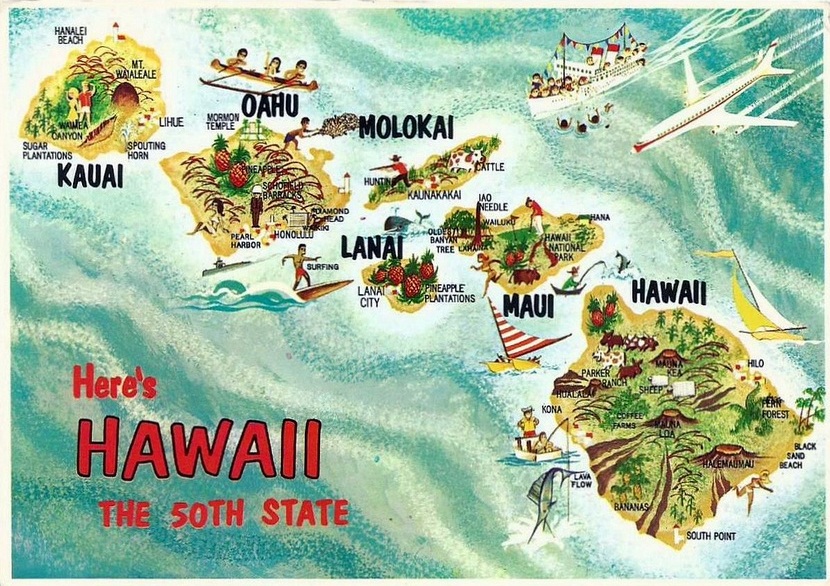
The Overthrow of the Monarchy
In 1893, a group of businessmen and sugar planters, supported by the United States military, orchestrated the overthrow of Queen Liliuokalani. This event shifted the political landscape of Honolulu and set the stage for annexation. For several years, the Republic of Hawaii operated as an independent entity, though it maintained strong economic and political ties to the mainland.
The Newlands Resolution
The official incorporation of Hawaii as a territory occurred on July 7, 1898, with the passage of the Newlands Resolution. By this act of Congress, Hawaii was annexed by the United States. This date marks the point at which Hawaii legally became a part of the American fold, though it had not yet achieved the status of a full state. The islands served as a crucial strategic outpost in the Pacific Ocean, particularly as tensions began to rise globally leading into the 20th century.
From Territory to Statehood: The 1959 Milestone
While the 1898 annexation brought the islands under American governance, the residents of the territory spent the next several decades pushing for the full rights and responsibilities associated with statehood.
The Impact of World War II
The pivotal moment in this transition was the attack on Pearl Harbor on December 7, 1941. The devastation experienced on Oahu drew the entire nation into World War II. Following the war, the cultural and political integration of Hawaii into the mainland fabric accelerated. The diverse population of the islands, which had contributed significantly to the war effort, sought equal representation in the federal government.

The Admission Act
After years of deliberation and legislative campaigning, the Hawaii Admission Act was signed into law by President Dwight D. Eisenhower in 1959. On August 21, 1959, Hawaii was officially proclaimed the 50th state of the United States of America. This event finalized the transformation that had begun six decades earlier. The islands were no longer just a strategic territory; they were an equal partner in the American union, with full congressional representation and voting rights.
The Cultural Significance of Hawaii’s History
For those traveling to Hawaii today, recognizing these dates offers a deeper appreciation for the unique identity of the state. The blending of Polynesian traditions with American modernism is evident in everything from the architecture of Iolani Palace to the vibrant food culture found in Maui and Kauai.
Preservation of Heritage
Modern Hawaii acts as a steward of both its indigenous past and its American present. Landmarks such as the Bishop Museum provide visitors with a comprehensive view of the history leading up to 1898 and 1959. Understanding these dates is not merely an academic exercise; it is an acknowledgment of the resilience of the Native Hawaiian people and the evolution of the American geopolitical landscape.
A Modern Destination
Today, Hawaii stands as a beacon of cultural fusion. As travelers explore the natural wonders of Haleakala National Park or walk through the historic streets of Lahaina, the echoes of the 19th and 20th centuries are ever-present. The transition from a kingdom to a territory in 1898, and finally to a state in 1959, forms the bedrock of the contemporary experience. By visiting these historical sites, travelers engage with a narrative that continues to unfold as the islands balance their rich history with their current role as one of the most significant and beloved states in the union.
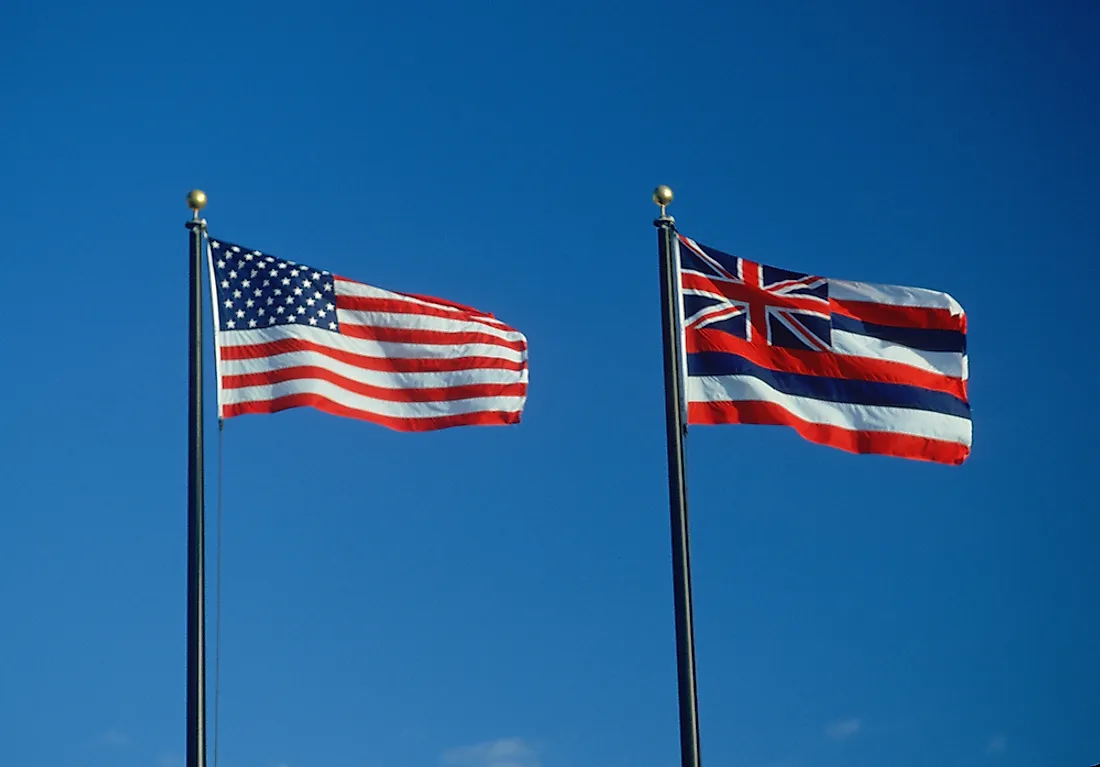
Summary of the Timeline
To summarize the milestones of Hawaii as part of the United States:
- 1893: The Hawaiian Kingdom monarchy is overthrown, leading to a period of independent republican governance.
- 1898: The Newlands Resolution is passed on July 7, formally annexing Hawaii as a territory of the United States.
- 1941: The attack on Pearl Harbor highlights the strategic importance of the territory.
- 1959: On August 21, President Dwight D. Eisenhower signs the proclamation making Hawaii the 50th state.
For the inquisitive traveler, Hawaii offers far more than just tropical scenery. It provides a window into a historic transition that forever changed the identity of the Pacific. Whether you are exploring the dense jungles of the North Shore or learning about the royal history at the Aliiolani Hale, every corner of the islands serves as a reminder of the complex, storied path that led the archipelago to its current status within the nation. The journey from 1898 to 1959 is the central thread that weaves together the past and the present, defining the unique character of the Aloha State. By understanding this history, visitors can approach their trips with a heightened level of respect and intellectual engagement, ensuring that their experience is both enjoyable and deeply informative.
LifeOutOfTheBox is a participant in the Amazon Services LLC Associates Program, an affiliate advertising program designed to provide a means for sites to earn advertising fees by advertising and linking to Amazon.com. Amazon, the Amazon logo, AmazonSupply, and the AmazonSupply logo are trademarks of Amazon.com, Inc. or its affiliates. As an Amazon Associate we earn affiliate commissions from qualifying purchases.