
The question “What year did Katrina hit New Orleans?” is one that resonates deeply with the history of the United States and specifically with the vibrant culture of Louisiana. While the immediate answer is straightforward, the impact and aftermath of Hurricane Katrina continue to shape the city and its tourism landscape. This catastrophic event, which made landfall on August 29, 2005, fundamentally altered the fabric of New Orleans, presenting both immense challenges and inspiring stories of resilience. For travelers and those interested in landmarks, history, and the enduring spirit of a city, understanding the timeline and context of Katrina is crucial.
This article delves into the year Katrina struck, exploring its immediate consequences and how the city has since rebuilt and evolved, offering a unique blend of historic charm and renewed vigor for visitors today. We will touch upon the experiences of those who lived through it, the efforts to restore iconic attractions, and how New Orleans continues to welcome the world, even with the scars of the past.
The Devastation and the Dawn of Recovery
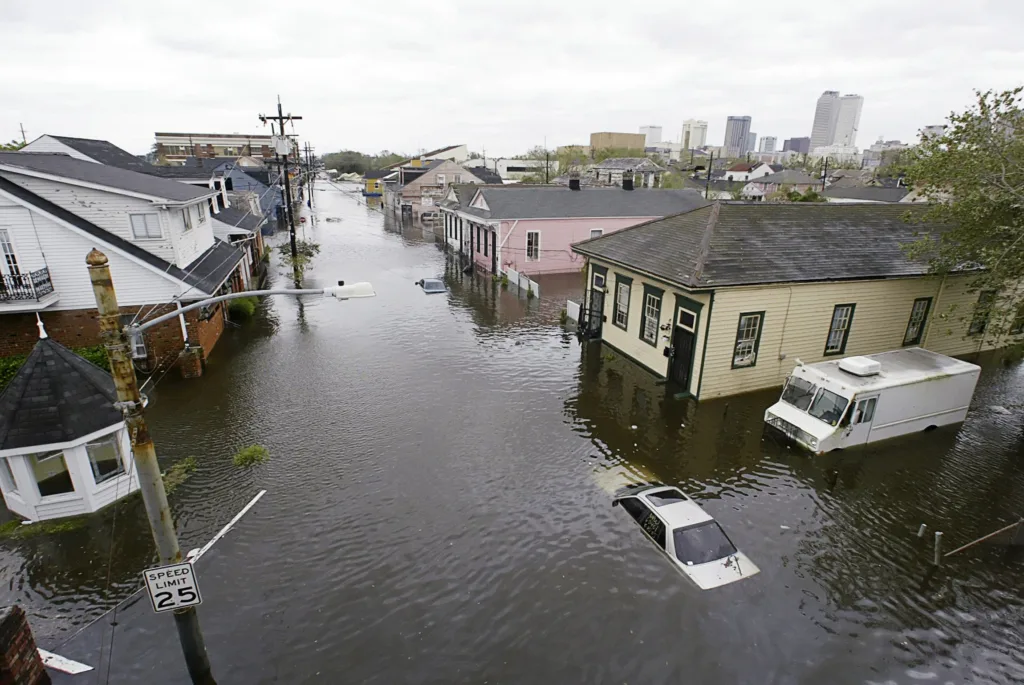
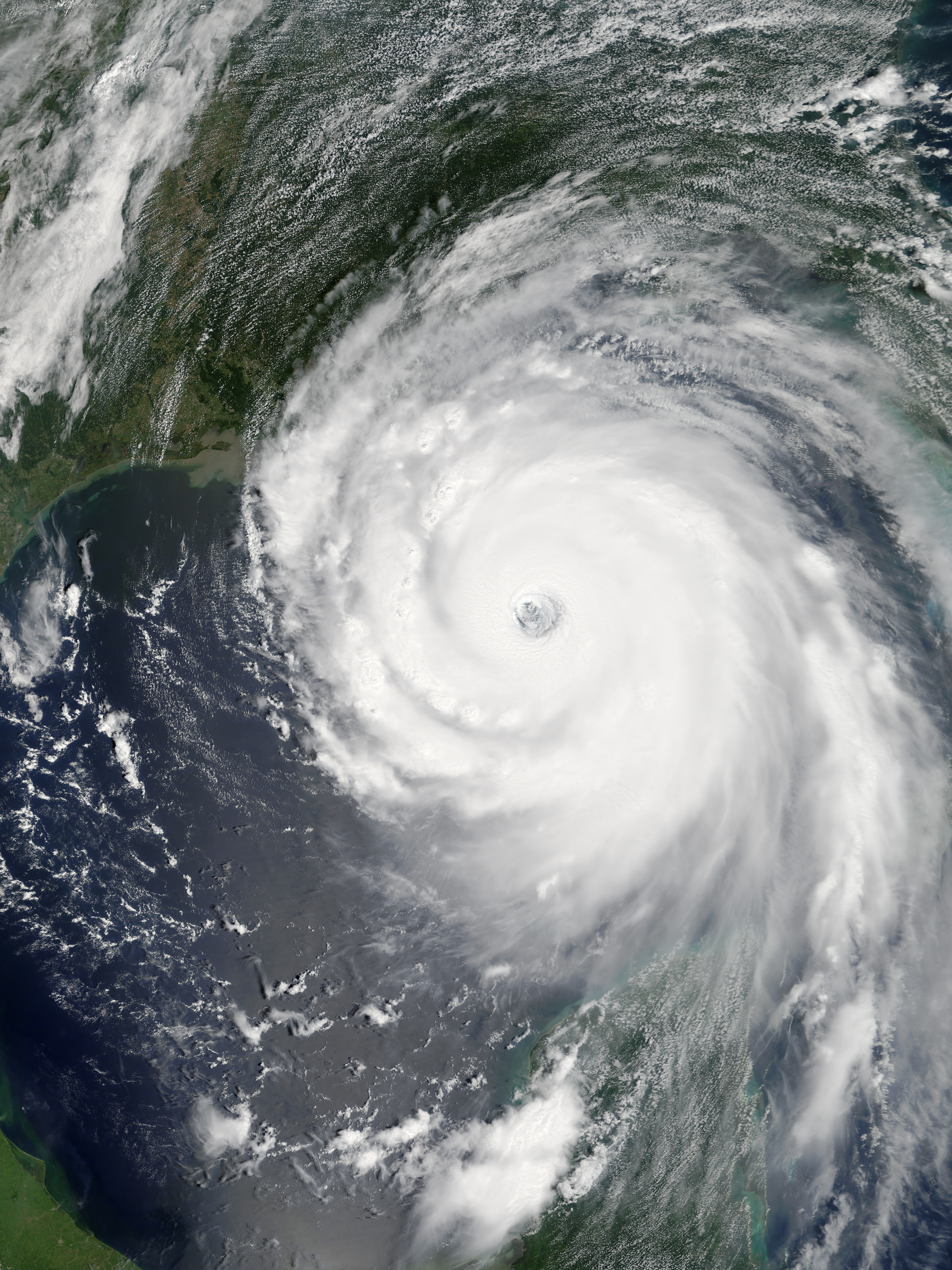
The year 2005 will forever be etched in the memory of New Orleans as the year Hurricane Katrina unleashed its fury. This Category 5 storm, one of the most powerful to ever make landfall in the United States, caused widespread destruction across the Gulf Coast. In New Orleans, the devastation was particularly acute due to a complex system of levees that failed, leading to catastrophic flooding that submerged nearly 80% of the city.
The Immediate Aftermath: A City Under Water
The immediate aftermath of Katrina was a scene of unimaginable hardship. Thousands of residents were displaced, many seeking refuge in shelters far from their homes. Essential infrastructure was severely damaged, including power grids, transportation networks, and communication systems. The iconic French Quarter, a cornerstone of New Orleans tourism, though relatively spared from direct wind damage, faced significant flooding and the subsequent economic and social disruption.
Many of New Orleans’ beloved hotels and resorts, vital to the tourism industry, suffered extensive damage, some taking years to reopen or requiring complete reconstruction. The unique architectural heritage of the city, from the historic townhouses to the grand estates, faced the threat of irreparable harm. The spirit of the city, however, remained unbroken. Even amidst the chaos, stories of heroism and community support began to emerge, showcasing the resilience that defines New Orleans.
The Long Road to Rebuilding: A Symbol of Hope
The recovery process following Katrina was a monumental undertaking. It involved not only the physical rebuilding of homes, businesses, and public spaces but also the revitalization of the city’s soul. Government agencies, non-profit organizations, and countless volunteers worked tirelessly to restore essential services, clear debris, and begin the long process of rebuilding neighborhoods.
For the tourism sector, the path to recovery was equally challenging. New Orleans relies heavily on its unique culture, culinary scene, and vibrant music to draw visitors. The damage to restaurants, music venues, and attractions threatened to diminish the city’s allure. However, the commitment to preserving and restoring these cultural cornerstones became a driving force in the city’s resurgence. Efforts were made to reopen iconic landmarks, support local artists and musicians, and reassure potential visitors that New Orleans was on a path to recovery.
New Orleans Today: Resilience, Culture, and Renewed Vibrancy
More than a decade and a half after Hurricane Katrina struck, New Orleans stands as a testament to human resilience and the enduring power of culture. The city has not only rebuilt but has in many ways reinvented itself, offering a rich tapestry of experiences for travelers seeking authentic travel and immersive tourism.
Reimagined Destinations and Enduring Attractions
While the scars of Katrina are still visible in certain areas, they are often overshadowed by the city’s remarkable recovery and its unwavering commitment to its heritage. Many of the attractions that draw visitors from around the globe have been restored and continue to thrive.
The historic French Quarter, with its distinctive Creole architecture, wrought-iron balconies, and bustling streets, remains the heart of New Orleans‘ charm. Jackson Square, a beloved landmark overlooking the Mississippi River, is once again alive with street performers, artists, and musicians. The St. Charles Avenue Streetcar, a quintessential New Orleans experience, continues its picturesque journey past stunning mansions, a symbol of the city’s architectural grandeur.
The city’s world-renowned culinary scene has experienced a remarkable renaissance. New Orleans chefs, many of whom were deeply affected by the storm, have reopened their doors, bringing back beloved dishes and introducing innovative new flavors. From classic Creole and Cajun cuisine to cutting-edge contemporary fare, the city offers an unparalleled food experience. Many hotels and restaurants, from humble eateries to luxurious suites, have been meticulously rebuilt, offering visitors comfortable and stylish accommodations.

The Spirit of New Orleans: A Blend of Past and Present
New Orleans is more than just its landmarks and attractions; it is a living, breathing testament to its people and their indomitable spirit. The cultural landscape is as vibrant as ever, with music spilling out from clubs on Frenchmen Street and festivals celebrating everything from jazz to Mardi Gras. The resilience of the community has fostered a deep sense of pride and a renewed appreciation for the unique way of life in New Orleans.
For those interested in lifestyle and experiences, New Orleans offers a diverse range of possibilities. Luxury travel options abound, with elegant boutique hotels and fine dining establishments. For budget-conscious travelers, charming guesthouses and affordable apartments provide comfortable stays, allowing ample opportunity to explore the city’s rich history and vibrant culture. Family trips can be filled with enriching activities, from visits to the Audubon Aquarium of the Americas to exploring the historic cemeteries, known as “Cities of the Dead.”
The history of New Orleans, including the devastating impact of Katrina, is an integral part of its narrative. Museums and historical sites offer poignant insights into the city’s past, including its struggles and triumphs. Understanding this history enriches the visitor’s experience, providing context for the city’s present-day vibrancy and the unwavering spirit of its people. The tourism industry, once severely impacted, has not only recovered but has grown, driven by a global fascination with New Orleans‘ unique identity and its compelling story of survival and rebirth. The lessons learned from Katrina have undoubtedly informed the city’s approach to disaster preparedness and resilience, ensuring that New Orleans is better equipped to face future challenges.
In conclusion, while the question “What year did Katrina hit New Orleans?” points to a specific moment of crisis in 2005, the true story of Katrina in New Orleans is one of enduring resilience, cultural preservation, and a city that continues to welcome the world with open arms and a vibrant, indomitable spirit.
LifeOutOfTheBox is a participant in the Amazon Services LLC Associates Program, an affiliate advertising program designed to provide a means for sites to earn advertising fees by advertising and linking to Amazon.com. Amazon, the Amazon logo, AmazonSupply, and the AmazonSupply logo are trademarks of Amazon.com, Inc. or its affiliates. As an Amazon Associate we earn affiliate commissions from qualifying purchases.