
The history of the American West is etched into the rugged topography of Montana, a land defined by its colossal mountains, sweeping prairies, and the enduring legacy of the frontier. To understand the soul of “Big Sky Country,” one must first look at the timeline of its political formation. Montana officially became the 41st state of the United States on November 8, 1889. This pivotal moment capped decades of turbulent settlement, gold rushes, and a complex evolution from a wilderness territory into a sovereign member of the Union.
The Road to Statehood: A Chronology of Expansion
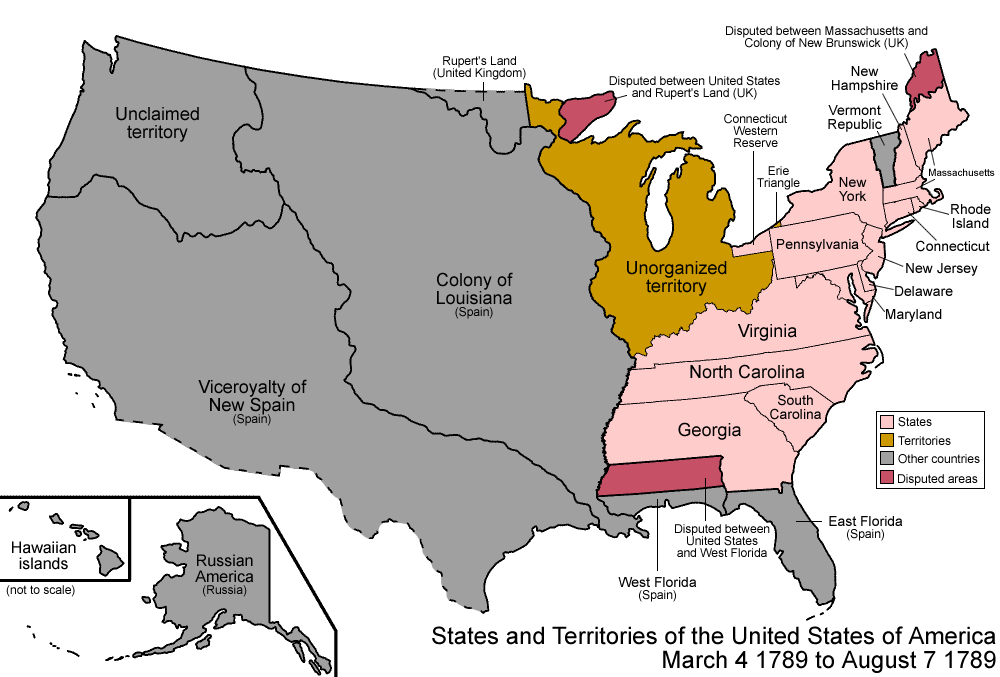
The journey toward statehood was neither swift nor simple. Before Montana emerged as a formal state, it existed as a sprawling expanse under the administration of various territories. The land was part of the Louisiana Purchase, a monumental acquisition that paved the way for westward expansion.

Territorial Origins and the Mining Boom
For much of the mid-19th century, what is now Montana was part of the Nebraska Territory, the Washington Territory, and later the Idaho Territory. The true catalyst for development was the discovery of gold. In the early 1860s, strikes in places like Bannack and Virginia City triggered a massive influx of prospectors, merchants, and fortune seekers. This sudden boom in population necessitated a more localized government, leading to the formal creation of the Montana Territory on May 26, 1864.
Constitutional Struggles and Political Hurdles
Once established as a territory, the region faced the long, arduous path toward statehood. Political tensions, concerns over mining rights, and the integration of indigenous populations—specifically the displacement of the Northern Cheyenne, Crow Nation, and Blackfeet people—dominated the era. Several failed attempts at organizing constitutional conventions hindered the process, as residents grappled with how to govern a frontier where industry interests often clashed with the preservation of the landscape.
Landmarks of Historical Significance
The landscape of Montana acts as a physical monument to its history. Visitors traveling through the state today encounter sites that have remained virtually unchanged since the late 19th century, offering a window into the era of the pioneers.
The Battle of the Little Bighorn
One of the most consequential events in the region occurred in 1876, nearly thirteen years before statehood. The Little Bighorn Battlefield National Monument serves as a poignant reminder of the conflicts that defined the transition from the territorial era to the statehood era. It is a site of immense historical gravity, representing the clash between the United States Army and the coalition of Lakota Sioux, Northern Cheyenne, and Arapaho tribes.
The Rise of Frontier Cities
The architecture and layout of cities like Helena, the state capital, reflect the prosperity of the late 1880s. When Montana was admitted to the Union, Helena was a thriving hub of mining wealth. Many buildings from that period remain preserved in the city’s historic districts, showcasing the ornate craftsmanship that defined the era of the “Copper Kings.” Other areas of significance include Butte, often called “The Richest Hill on Earth,” which was central to the state’s economic identity during the lead-up to 1889.
The Cultural Legacy of 1889
Becoming a state was not just a legal act; it was a cultural milestone that solidified the identity of the people living within the Rocky Mountains and the surrounding plains.
Bridging the Frontier and Modernity
The year 1889 marked a shift from a lawless, extraction-based economy to one governed by established legislative processes. This evolution allowed for the creation of infrastructure that would eventually support the state’s world-renowned parks, such as Glacier National Park and the gateway to Yellowstone National Park. These natural treasures reflect the preservationist spirit that gained traction in the early days of Montana statehood.
The Enduring Spirit of Big Sky Country
The state’s motto, “Oro y Plata” (Gold and Silver), pays homage to the mining heritage that pushed the Montana Territory to organize so rapidly. Even today, the spirit of independence that characterized the pioneers of 1889 is deeply ingrained in the local culture. Whether exploring the high mountain passes near Bozeman or the quiet, sprawling cattle ranches of eastern Montana, the legacy of the statehood era is present in every horizon.
Preservation for Future Generations
Maintaining the historical narrative of the 1889 statehood is a critical component of Montana tourism. By visiting the landmarks and museums that document this timeline, modern travelers gain a deeper appreciation for the effort it took to transition from a wild frontier into the infrastructure-rich state it is today.
Museums and Interpretive Centers
The Montana Historical Society Museum serves as the definitive source for those wanting to dive deeper into the events of 1889. It houses artifacts that date back to the time of the territorial delegates and the constitutional conventions. For history enthusiasts, visiting these locations is not merely an educational experience; it is an act of honoring the heritage of the American West.
Connecting with the Land
Montana remains one of the few places in the United States where the scale of nature dwarfs human construction. This is a testament to the fact that, despite statehood bringing order and government, the vast, untamed wilderness remains the true master of the region. From the Missouri River to the Bitterroot Range, the geography that existed long before 1889 continues to command respect.
In summary, Montana officially joined the Union as the 41st state on November 8, 1889. This event ended a decades-long struggle to define the territory, bringing a sense of permanence to the settlers who had transformed the frontier into a productive land of industry and opportunity. Today, the state invites visitors to explore the remnants of that history, from the gold-dusted hills of the mining towns to the majestic peaks of the national parks. By understanding the significance of 1889, one gains a far greater appreciation for the character and resilience of Montana today.
LifeOutOfTheBox is a participant in the Amazon Services LLC Associates Program, an affiliate advertising program designed to provide a means for sites to earn advertising fees by advertising and linking to Amazon.com. Amazon, the Amazon logo, AmazonSupply, and the AmazonSupply logo are trademarks of Amazon.com, Inc. or its affiliates. As an Amazon Associate we earn affiliate commissions from qualifying purchases.