
The Lone Star State, a vast expanse of diverse landscapes and rich history, holds a special place in the American narrative. Its journey to statehood is a compelling story of independence, ambition, and eventual union with the United States. Understanding this pivotal moment is key to appreciating the unique character of Texas, a state that often embodies a spirit of self-reliance and grandeur.
The Path to Statehood: From Republic to Union
The question “What Year Did Texas Become A State?” is a straightforward one, but the events leading up to that declaration are anything but. Texas wasn’t always part of the United States. For a significant period, it existed as its own independent nation, the Republic of Texas. This era, marked by struggle and triumph, laid the groundwork for its eventual absorption into the American fold.
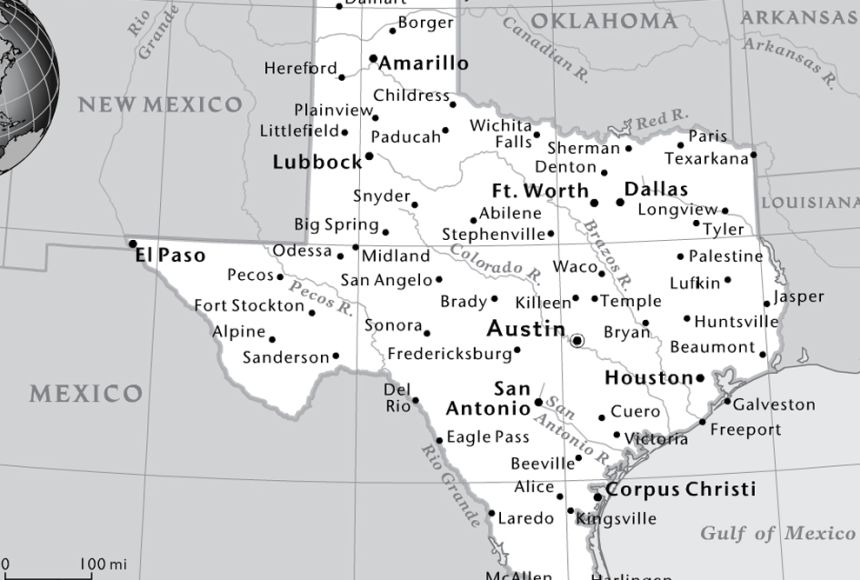
The Texas Revolution and Independence
The seeds of Texas‘s independence were sown in the early 19th century. Following Mexico‘s independence from Spain in 1821, the vast territory of Texas was a sparsely populated region of Mexico. To encourage settlement and economic development, the Mexican government offered land grants to American immigrants. This led to a significant influx of settlers, primarily from the southern United States, who brought with them their customs, language, and, crucially, their institutions, including slavery.
Tensions between the American settlers and the Mexican government began to escalate due to a variety of factors. Mexico‘s increasingly centralized government, changes in immigration policies, and the abolition of slavery in Mexico created friction. The settlers, accustomed to a degree of autonomy, found these policies oppressive. This discontent culminated in the Texas Revolution, a bloody conflict that began in 1835. Key battles such as the Alamo and Goliad became iconic symbols of Texan resistance, even though they ended in Mexican victory and the tragic loss of life for the Texan defenders.
The decisive battle of the revolution was the Battle of San Jacinto on April 21, 1836. Led by Sam Houston, Texan forces launched a surprise attack on General Santa Anna‘s Mexican army, achieving a swift and overwhelming victory. This triumph secured Texas‘s independence, and on March 2, 1836, delegates had already declared independence from Mexico at Washington-on-the-Brazos, establishing the Republic of Texas.
The Republic Era: A Decade of Independence
For nearly a decade, Texas functioned as an independent republic. Sam Houston served as its first president, followed by Mirabeau B. Lamar. This period was characterized by the challenges of nation-building: establishing a stable government, developing an economy, managing border disputes, and defending against continued Mexican incursions. The republic faced financial difficulties and internal political divisions. Despite these challenges, the spirit of independence remained strong. Texans debated their future, with many aspiring to join the United States.
Annexation Debates and the Road to Statehood
The question of annexation was a contentious one in both Texas and the United States. Texas officially sought annexation by the United States shortly after gaining its independence. However, the issue became entangled in the growing sectional tensions over slavery. The United States was divided on whether to admit another state, particularly one that permitted slavery. Slaveholding states saw annexation as a way to increase their political power in the Senate, while abolitionist states feared the expansion of slavery.
The initial annexation efforts were met with resistance. President Andrew Jackson and President Martin Van Buren were hesitant to take on the issue, fearing it would ignite a divisive debate over slavery. However, the desire for expansion, coupled with Mexican threats to reclaim Texas, kept the idea alive.
The election of James K. Polk in 1844, a fervent proponent of Manifest Destiny and the expansion of American territory, marked a turning point. Polk‘s victory was seen as a mandate for annexation. The United States Congress passed a joint resolution for the annexation of Texas in March 1845, and Texas ratified the annexation treaty on July 4, 1845.
December 29, 1845: The Official Year Texas Became A State

The official date when Texas formally became the 28th state of the United States is December 29, 1845. This marked the culmination of Texas‘s journey from a Mexican territory to an independent republic and finally to a state within the American union.
The Immediate Aftermath of Statehood
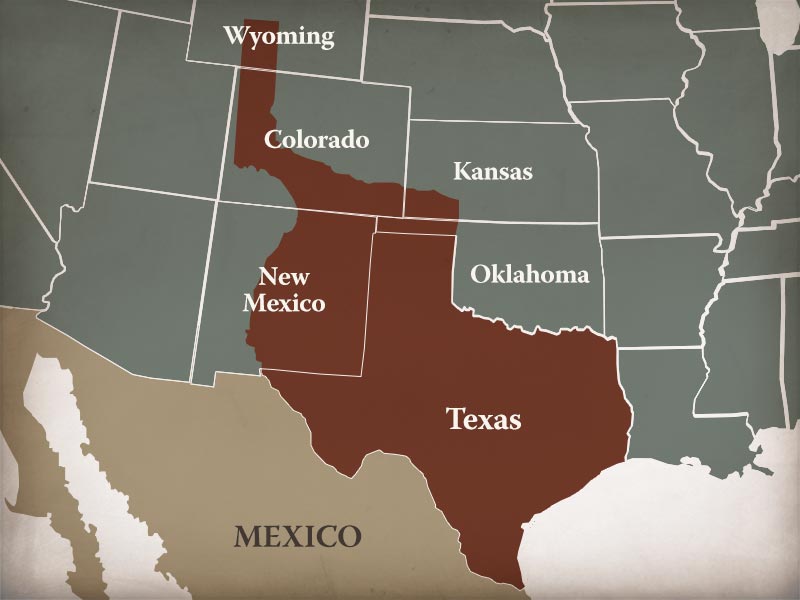
The annexation of Texas was not without consequences. Mexico never fully recognized Texas‘s independence and viewed its annexation by the United States as an act of aggression. This dispute over the southern boundary of Texas, with the United States claiming the Rio Grande and Mexico insisting on the Nueces River, directly led to the Mexican-American War in 1846. The war, though brief, resulted in a decisive American victory and the Treaty of Guadalupe Hidalgo in 1848, which ceded vast territories to the United States, including present-day California, Nevada, Utah, Arizona, New Mexico, and parts of Colorado and Wyoming.
The integration of Texas into the United States brought significant changes. Texas adopted a state constitution that largely mirrored those of other American states, while still retaining some of its unique characteristics, such as its large land area and the distinction of being a former republic. The state continued to grow, driven by cotton cultivation, cattle ranching, and later, the discovery of oil, which would fundamentally transform its economy and landscape.
Experiencing Texas: From Historic Landmarks to Modern Wonders
Understanding when Texas became a state is just the beginning of appreciating its rich tapestry. Today, Texas offers a diverse range of experiences for travelers, from its historical sites that echo the struggles for independence to its vibrant modern cities and breathtaking natural beauty.
Exploring Historical Landmarks
For those interested in the state’s formative years, visiting key historical landmarks is a must. The Alamo in San Antonio stands as a powerful testament to the Texans‘ sacrifice and courage. Walking through its hallowed grounds offers a profound connection to the past. Nearby, the San Antonio Missions National Historical Park, a UNESCO World Heritage Site, showcases the Spanish colonial heritage and the complex history of the region.
The Texas State Capitol in Austin, a magnificent Victorian Renaissance structure, is a symbol of the state’s enduring governance and a landmark in its own right. The Texas Republic Historical Museum in Austin provides further insights into the era of Texas‘s independence. For those who want to step back into the days of the Republic, visiting Washington-on-the-Brazos, the site of the declaration of independence, and the nearby Star of the Republic Museum offers a detailed look at this pivotal period.
The Diverse Appeal of Modern Texas
Beyond its historical significance, Texas is a state of immense natural beauty and dynamic urban centers. From the rolling hills of the Texas Hill Country, dotted with charming towns like Fredericksburg and Dripping Springs, to the rugged coastline along the Gulf of Mexico, there are landscapes to captivate every visitor.
The major cities offer a glimpse into the state’s thriving culture and economy. Houston, the largest city in Texas, is a global hub for energy and space exploration, home to the Space Center Houston. It boasts a world-class culinary scene and a vibrant arts district. Dallas is renowned for its modern architecture, upscale shopping, and the historic Dealey Plaza, the site of President John F. Kennedy‘s assassination. Austin, the state capital, is famous for its live music scene, quirky atmosphere, and its motto, “Keep Austin Weird.” San Antonio charms visitors with its Riverwalk, Paseo del Rio, historic missions, and Tex-Mex cuisine.
Accommodation and Lifestyle in Texas
Whether you’re planning a short visit or a longer stay, Texas offers a wide array of accommodation options. From luxurious resorts and boutique hotels in the cities to charming bed and breakfasts in rural areas and extensive apartment and villa rentals for extended stays, there’s something to suit every preference and budget. The state’s hospitality industry is well-equipped to cater to diverse travel needs, whether it’s a family trip, a romantic getaway, or a business trip.
The lifestyle in Texas is as varied as its geography. It encompasses everything from the sophistication of its urban centers to the laid-back charm of its small towns. Experiencing Texan culture means indulging in its world-famous cuisine, from authentic barbecue to spicy Tex-Mex dishes. It means experiencing the warmth of its people and the enduring spirit of the Lone Star State.
From its hard-won independence to its crucial role in shaping the United States, Texas’s journey to statehood is a fascinating chapter in American history. Understanding that Texas officially became a state on December 29, 1845, allows for a deeper appreciation of the state’s enduring legacy and its significant contributions to the nation. Whether you’re drawn by its historical landmarks, its natural wonders, or its vibrant cities, Texas promises an unforgettable travel experience.
LifeOutOfTheBox is a participant in the Amazon Services LLC Associates Program, an affiliate advertising program designed to provide a means for sites to earn advertising fees by advertising and linking to Amazon.com. Amazon, the Amazon logo, AmazonSupply, and the AmazonSupply logo are trademarks of Amazon.com, Inc. or its affiliates. As an Amazon Associate we earn affiliate commissions from qualifying purchases.