
The question, “What year did the New Orleans Saints win the Super Bowl?” resonates with a particular fervor, not just among football enthusiasts, but also for those captivated by the spirit and resilience of New Orleans. The victory wasn’t merely a sporting achievement; it was a cathartic moment for a city still reeling from the devastation of Hurricane Katrina. This triumph became an indelible part of the city’s narrative, a symbol of hope, unity, and the unwavering strength of its people. Understanding the context of this win requires looking beyond the scoreboards and into the heart of Louisiana.

A City’s Resilience: The Road to Super Bowl XLIV
The journey of the New Orleans Saints to their Super Bowl victory is intrinsically linked to the city’s recovery in the wake of Hurricane Katrina. The storm, which made landfall in August 2005, caused widespread destruction, displacing hundreds of thousands and leaving an indelible mark on the fabric of New Orleans. For a period, the Saints, like many residents, were temporarily displaced, playing home games in cities like San Antonio and Baton Rouge. The team’s eventual return to the Superdome in 2006 was a significant milestone in the city’s rebuilding efforts, symbolizing a return to normalcy and a beacon of hope for its residents.
The 2009 Season: A Year of Destiny
The 2009 NFL season marked the culmination of years of rebuilding and determination for the New Orleans Saints. Under the inspiring leadership of head coach Sean Payton and the exceptional play of quarterback Drew Brees, the team embarked on a historic run. The season was characterized by offensive fireworks, a tenacious defense, and a palpable sense of destiny. Every game seemed to carry the weight of expectation, not just from the loyal Saints fanbase, but from a city desperate for a unifying moment of triumph. The players themselves often spoke of the motivation they drew from the city’s spirit, understanding that their success represented more than just wins and losses on the football field.
Key Players and Coaching Brilliance
The success of the 2009 Saints was a testament to the synergy between outstanding individual talent and masterful coaching. Drew Brees had an MVP-caliber season, showcasing his leadership, accuracy, and uncanny ability to connect with his receivers. His performance was crucial in overcoming defensive challenges and orchestrating game-winning drives. Alongside Brees, a constellation of stars shone brightly. Marques Colston, Devery Henderson, and Lance Moore provided a dynamic receiving corps, while the running game, led by Pierre Thomas and Reggie Bush, added another potent dimension.
Defensively, the Saints were anchored by stalwarts like Jonathan Vilma and a relentless pass rush that often put opposing quarterbacks under pressure. The strategic genius of Sean Payton, coupled with the defensive acumen of coordinator Gregg Williams (though his tenure would later be marred by controversy), created a formidable team that was difficult to match. This blend of offensive firepower and defensive grit, all orchestrated by a cohesive coaching staff, was the engine that propelled them toward their ultimate goal.
Super Bowl XLIV: The Climax in Miami
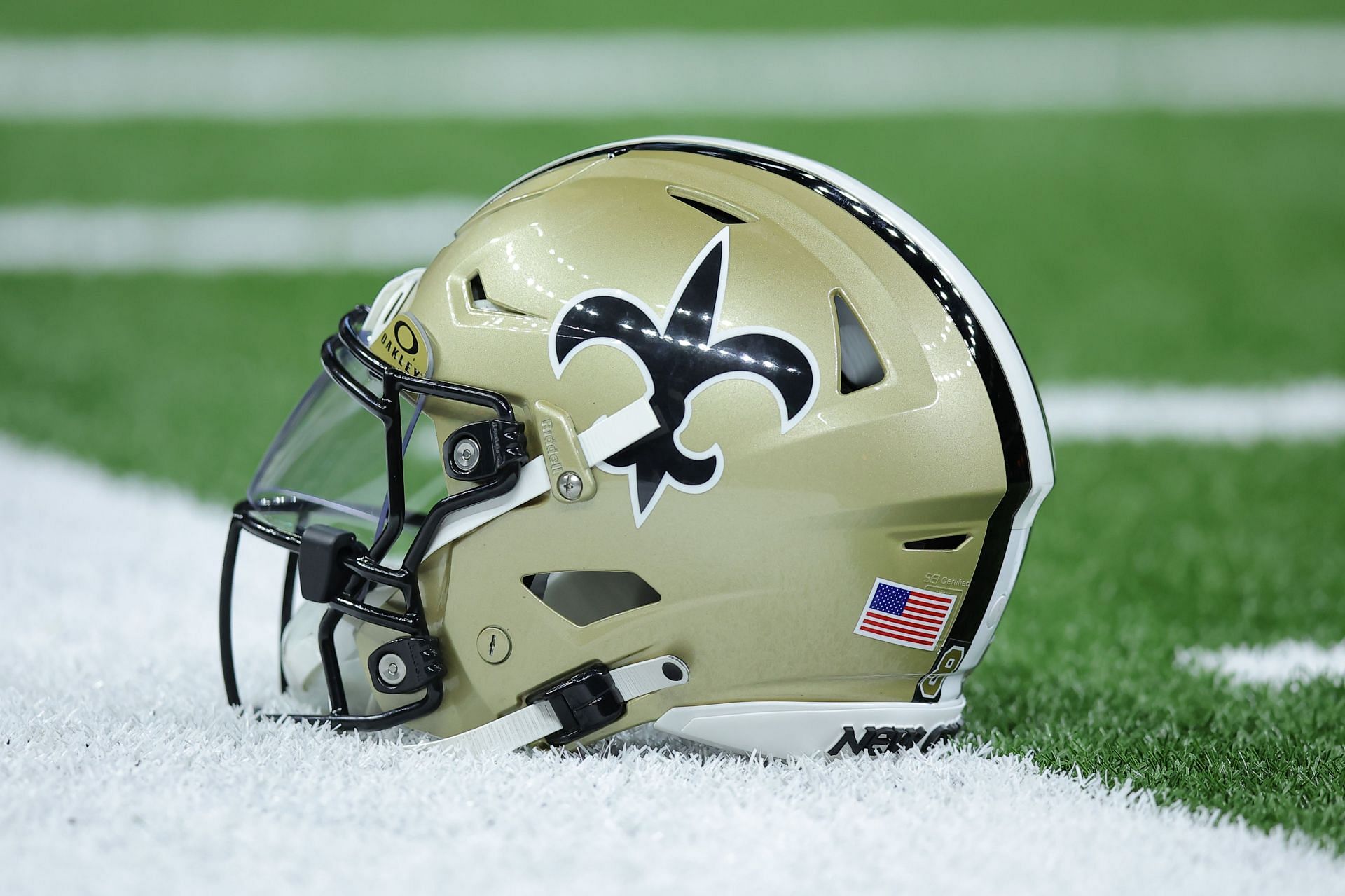
The culmination of the Saints’ extraordinary season arrived on February 7, 2010, at Sun Life Stadium in Miami, Florida, for Super Bowl XLIV. Their opponent was the formidable Indianapolis Colts, led by the league’s MVP, quarterback Peyton Manning. The pre-game atmosphere was electric, charged with the hopes of New Orleans and the anticipation of a historic upset. The city had rallied behind its team, and the stakes were immeasurably high.
The Game Itself: A Masterclass in Strategy and Grit
The Super Bowl XLIV contest was a strategic battle from the outset. The New Orleans Saints found themselves trailing early in the game, facing the pressure of a veteran and highly successful Indianapolis Colts team. However, what defined this championship performance was the Saints’ unwavering composure and their ability to execute under the most intense pressure.
The turning point of the game, and arguably one of the most iconic moments in Super Bowl history, came on the opening kickoff of the second half. In a move that stunned both the Colts and the viewers, Coach Sean Payton called for an onside kick, recovering it to regain possession. This audacious play, executed flawlessly, injected a surge of energy into the Saints and their fans, shifting the momentum decisively. It was a bold statement of intent, a declaration that this team was prepared to do whatever it took to win.
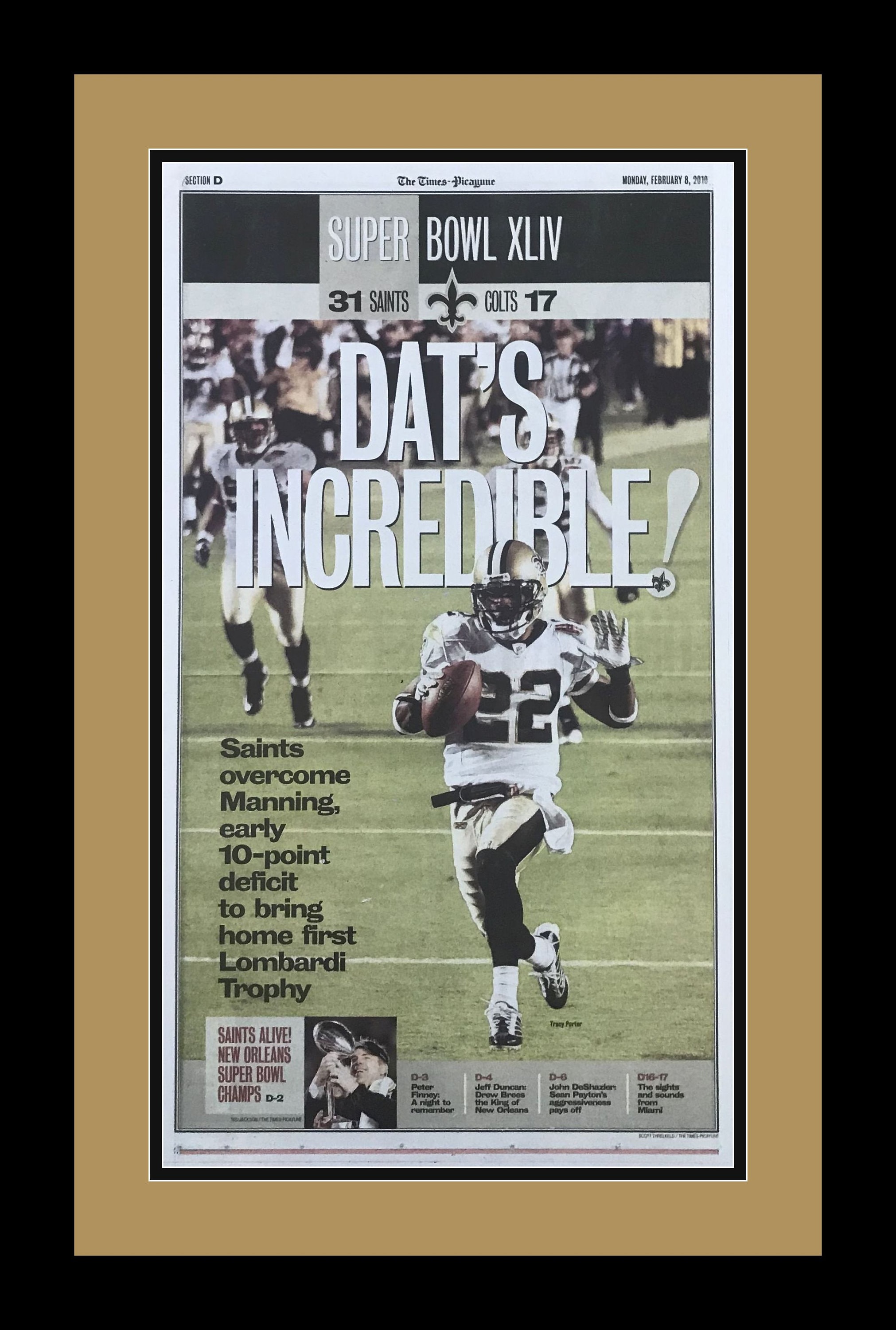
Following the onside kick, the Saints’ offense, led by Drew Brees, began to assert its dominance. Brees delivered a masterful performance, connecting on crucial passes, extending drives, and ultimately earning the Super Bowl MVP award. The Saints’ defense also rose to the occasion, making key stops and forcing turnovers that stifled the Colts’ potent offense. The final score, 31-17, reflected a convincing victory that cemented the Saints’ place in NFL history.
The Legacy of a Championship
The New Orleans Saints’ Super Bowl XLIV victory on February 7, 2010, transcended the realm of sports. It was a victory for New Orleans, a testament to its enduring spirit, and a powerful symbol of recovery and resilience. For a city that had faced unimaginable hardship, this championship provided a much-needed moment of collective joy and pride.
A Symbol of Hope and Unity
The impact of the Super Bowl win on the city of New Orleans cannot be overstated. In the years following Hurricane Katrina, the city was engaged in a monumental effort to rebuild its infrastructure, its economy, and its community. The Saints’ journey to the Super Bowl served as a unifying force, bringing people together across racial, social, and economic divides. The roar of the crowds at the Superdome, the sea of black and gold, and the shared anticipation of victory created a powerful sense of communal identity and purpose. When the final whistle blew, signaling their championship status, the city erupted in a celebration that echoed the indomitable spirit of New Orleans.
The Year and the Significance
The question of “What year did the New Orleans Saints win the Super Bowl?” is answered with the year 2010. This victory marked the first and, to date, only Super Bowl championship in the franchise’s history. It was the culmination of a dream that had been long deferred, a reward for decades of dedication from players, coaches, and fans. The significance of this win is amplified when considering the context of the city’s recovery; it was more than just a game; it was a moment of triumph that helped to heal wounds and reaffirm the strength and resilience of New Orleans. The echoes of that victory continue to inspire, reminding everyone of the power of perseverance, teamwork, and the unwavering spirit of a beloved city.
LifeOutOfTheBox is a participant in the Amazon Services LLC Associates Program, an affiliate advertising program designed to provide a means for sites to earn advertising fees by advertising and linking to Amazon.com. Amazon, the Amazon logo, AmazonSupply, and the AmazonSupply logo are trademarks of Amazon.com, Inc. or its affiliates. As an Amazon Associate we earn affiliate commissions from qualifying purchases.