
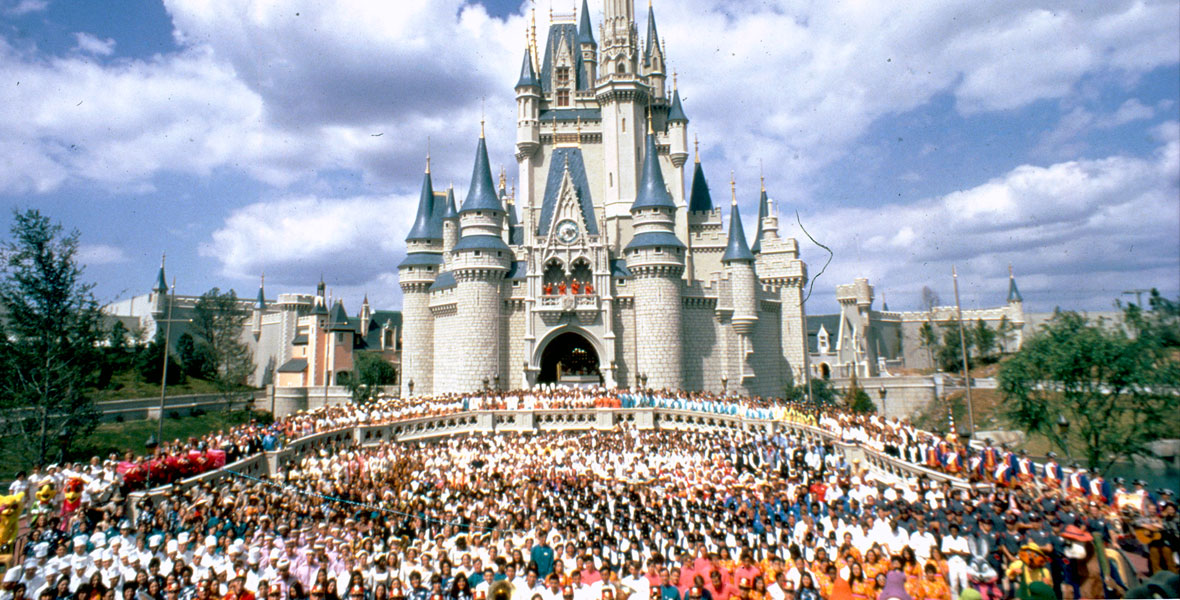
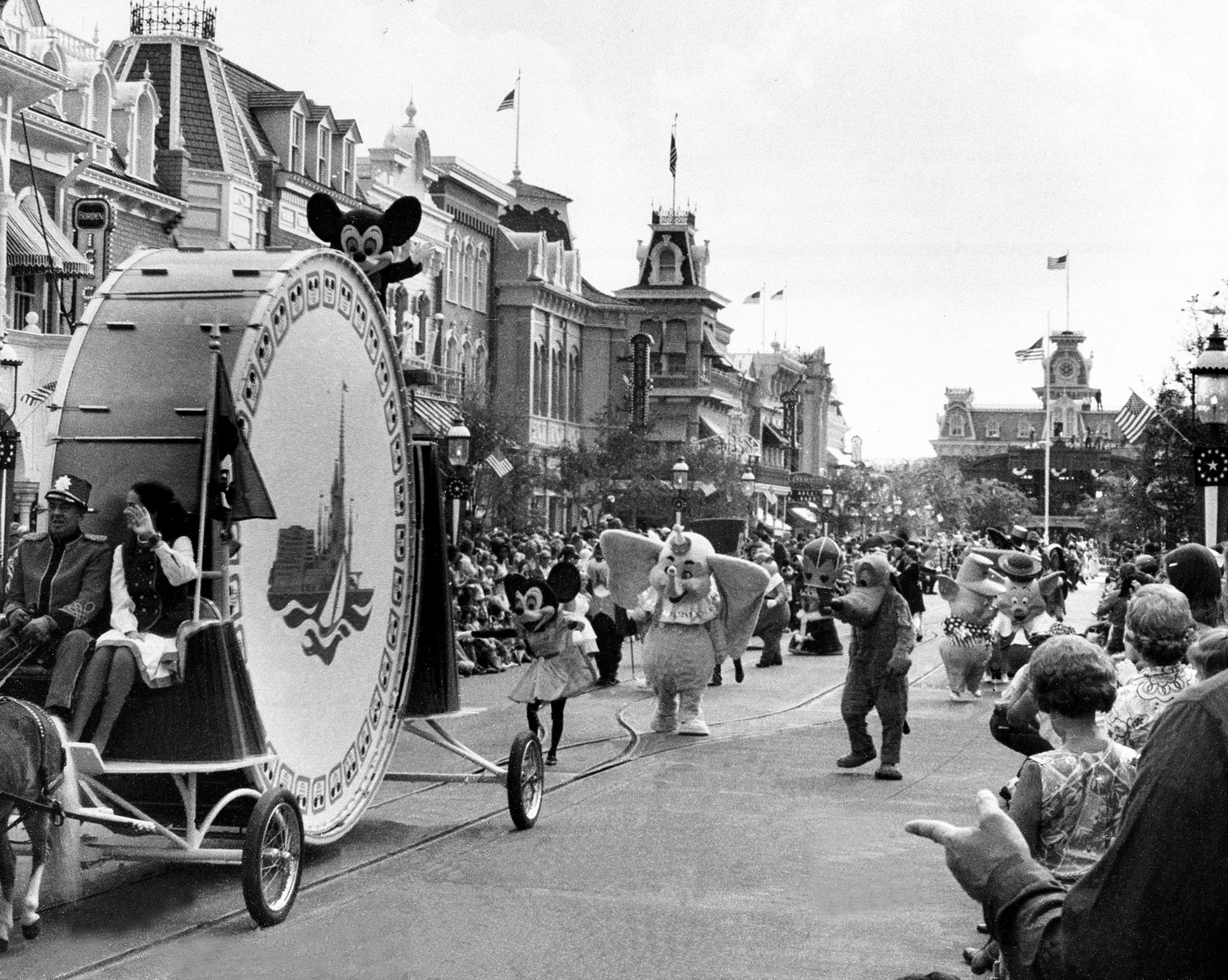
The question of when Walt Disney World in Florida first opened its gates is a seminal one for any travel enthusiast or historian of iconic destinations. The answer marks a pivotal moment in the evolution of modern tourism and the concept of an integrated vacation resort. On October 1, 1971, the Magic Kingdom Park officially welcomed its first guests, initiating an era that would fundamentally transform the travel landscape of central Florida and establish a new benchmark for immersive entertainment destinations worldwide. This opening was not merely the debut of a theme park but the unveiling of a visionary project designed to be a complete, self-contained travel ecosystem, far exceeding the scope of its California predecessor, Disneyland.
The Dawn of a Dream: Crafting the Florida Project
The origins of Walt Disney World trace back to the ambitious vision of Walt Disney himself. Following the immense success and learning experiences gleaned from Disneyland in Anaheim, California, Walt Disney recognized the critical importance of controlling the environment surrounding his creation. Disneyland had quickly become surrounded by a sprawl of independent hotels, restaurants, and souvenir shops, often detracting from the park’s carefully curated immersive experience. This lesson fueled a new, grander aspiration: to build an entire resort destination where every aspect, from accommodation to transportation, could be meticulously managed to enhance the guest’s journey.
In the mid-1960s, Walt Disney secretly began acquiring vast tracts of undeveloped swamp and farmland in central Florida, near the then-small city of Orlando. The scale of these land purchases – over 27,000 acres – was unprecedented for a private company and was initially executed under various shell corporations to avoid price gouging. This strategic location was chosen for its accessibility to the East Coast population, its vast expanse allowing for future expansion, and its generally flat topography, which was ideal for construction.
Walt Disney’s vision extended far beyond a single theme park. He dreamed of an Experimental Prototype Community of Tomorrow, or Epcot, a functioning city that would showcase innovation and urban planning, influencing future generations. While Walt Disney passed away in 1966 before seeing his Florida project come to fruition, his brother, Roy O. Disney, took the helm, determined to realize his brother’s dream. To facilitate the ambitious development, the Reedy Creek Improvement District was established by the Florida Legislature in 1967, granting Disney the authority of a county government in matters of land use, infrastructure, and public services within its property boundaries. This unique governmental control allowed for the seamless integration of planning, construction, and operation that defines Walt Disney World as a premier, holistic travel destination.
October 1, 1971: The Grand Opening and Its Immediate Impact
The opening day of Walt Disney World on October 1, 1971, was a testament to years of meticulous planning, innovation, and sheer determination. Initially, only the Magic Kingdom Park was complete, featuring classic attractions like “It’s a Small World,” “The Haunted Mansion,” and “20,000 Leagues Under the Sea.” The park mirrored many beloved elements of Disneyland but on an even grander scale, with enhanced infrastructure and a groundbreaking tunnel system for backstage operations, ensuring the magical illusion remained unbroken for guests.
Accompanying the Magic Kingdom Park were two resort hotels designed to immerse guests fully into the Disney experience from the moment of their arrival: the futuristic Contemporary Resort and the South Seas-themed Polynesian Village Resort. These early accommodations set the precedent for integrated resort travel, offering monorail access directly to the park and a host of amenities designed to extend the vacation experience beyond the theme park gates.
The grand opening heralded a new era for travel, particularly for families. No longer was a visit to a theme park a day trip; it was now a multi-day, even week-long, immersive vacation. Walt Disney World instantly became a magnetic force, drawing visitors from across the nation and eventually the globe. Its arrival fundamentally altered the economic and demographic landscape of Orlando, transforming a citrus-farming region into the world’s leading family vacation destination. The growth in air travel, the proliferation of hotels and rental car agencies, and the development of surrounding attractions like International Drive can all be directly attributed to the gravitational pull of the “Vacation Kingdom of the World.”
A Sprawling Travel Ecosystem: Growth and Expansion
The opening of the Magic Kingdom Park in 1971 was merely the first chapter in the expansive narrative of Walt Disney World. Over the subsequent decades, the resort blossomed into a colossal travel ecosystem, consistently redefining the limits of an integrated tourist destination.
Thematic Parks Diversification
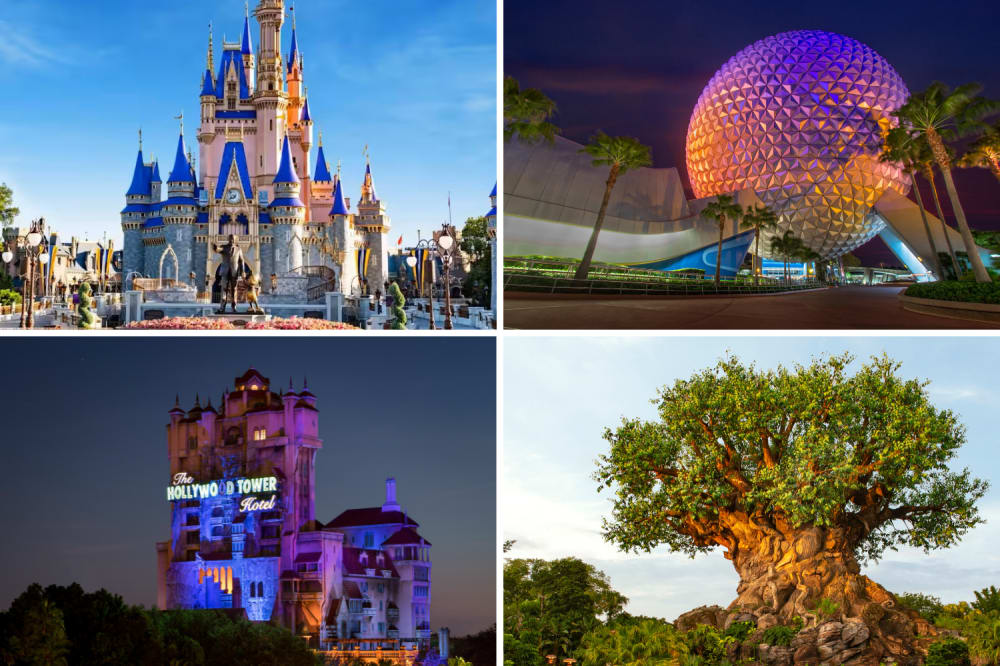
The success of the Magic Kingdom Park paved the way for the addition of three more iconic theme parks, each offering distinct travel experiences:
- Epcot (1982): Built on Walt Disney’s original concept, Epcot opened as a celebration of human achievement and international culture. It offered guests a unique opportunity to explore technological innovation in Future World and traverse the globe in World Showcase, experiencing diverse cuisines, traditions, and landmarks in a single day. This park redefined educational and cultural tourism within a recreational setting.
- Disney’s Hollywood Studios (1989): Originally named Disney-MGM Studios, this park transported visitors into the world of film, television, and show business. It offered behind-the-scenes glimpses, thrilling attractions, and live entertainment that showcased the magic of movie-making, becoming a must-visit for cinema aficionados and those seeking high-octane entertainment.
- Disney’s Animal Kingdom Theme Park (1998): Breaking new ground, Disney’s Animal Kingdom Theme Park blended an authentic African safari experience with mythical creatures and adventurous lands. It highlighted conservation efforts and the wonders of the natural world, appealing to travelers interested in wildlife and unique ecological encounters.
Beyond the Theme Parks
The growth of Walt Disney World extended far beyond its four main theme parks, creating a comprehensive travel destination unmatched in its offerings:
- Water Parks: Two distinct water parks, Typhoon Lagoon Water Park (1989) and Blizzard Beach Water Park (1995), provided refreshing alternatives to the theme parks, adding another layer to the multi-day vacation experience.
- Shopping and Entertainment Districts: Areas like Disney Springs (formerly Downtown Disney) evolved into vibrant hubs for dining, shopping, and nightlife, catering to guests looking for entertainment outside the park environment.
- Extensive Resort Hotels: The initial two resorts grew into a collection of over two dozen Disney-owned hotels, ranging from value resorts to deluxe villas and accommodating every budget and preference. Each resort offers unique theming, amenities, and transportation options, further immersing guests in the Disney vacation bubble. The introduction of the Disney Vacation Club in 1991 also revolutionized timeshare ownership, integrating it into the luxury resort experience.
- Recreational Activities: Golf courses, miniature golf, ESPN Wide World of Sports, and myriad other activities cemented Walt Disney World’s status as a holistic destination, encouraging longer stays and repeat visits. The sheer breadth of activities ensures that every type of traveler, from sports enthusiasts to spa-goers, can find their niche.
This continuous expansion cemented Walt Disney World as the quintessential multi-day travel destination, a model for integrated resort development globally, and a powerful magnet for tourism to the Bay Lake and Lake Buena Vista areas of Florida.
The Enduring Allure: Walt Disney World as a Global Travel Icon
Decades after its 1971 debut, Walt Disney World continues to reign as one of the world’s most visited and iconic travel destinations. Its enduring popularity stems from a potent combination of factors: an unwavering commitment to storytelling, continuous innovation, a relentless focus on guest experience, and a unique ability to evoke nostalgia while simultaneously offering cutting-edge attractions.
For many, a trip to Walt Disney World is a rite of passage, a cherished family tradition passed down through generations. The resort masters the art of escapism, transporting visitors into meticulously crafted worlds where fantasy becomes reality. This immersive quality, coupled with unparalleled customer service and attention to detail, creates a powerful emotional connection that fosters loyalty and encourages repeat visits.
The economic impact of Walt Disney World on Florida and the broader travel industry is immense. It generates billions in revenue, creates tens of thousands of jobs, and serves as a primary driver for regional tourism, spurring the development of surrounding infrastructure, businesses, and rival attractions, such as Universal Orlando Resort. Its presence has turned Orlando into a global aviation hub and a nexus for international leisure travel.
Beyond its economic footprint, Walt Disney World significantly influences travel trends. It consistently sets benchmarks for theme park design, technological integration in attractions, and immersive guest experiences. The resort’s ability to reinvent itself – with new lands like Pandora – The World of Avatar or Star Wars: Galaxy’s Edge, and continuous updates to its classic attractions – ensures its relevance and appeal to new generations of travelers. It remains a dynamic destination, constantly evolving to offer fresh experiences while retaining the timeless magic that first captivated visitors in 1971.
Planning Your Trip: Navigating the World’s Most Magical Destination
For first-time visitors and seasoned travelers alike, planning a trip to Walt Disney World requires thoughtful consideration to maximize the experience within this vast travel destination. Its sheer size and the multitude of offerings necessitate a strategic approach.
Best Times to Visit
Understanding seasonality is key. Peak travel times, such as major holidays (Christmas, Easter, Spring Break) and summer months, bring larger crowds and higher prices. Conversely, visiting during the shoulder seasons (late January to early March, late August to early November) often yields lighter crowds, more comfortable weather, and potentially lower costs. Special events like the Epcot International Food & Wine Festival or the Magic Kingdom Park’s Halloween and Christmas parties can also influence crowd levels and offer unique travel experiences.
Transportation and Logistics
Navigating the sprawling 27,000-acre resort is a critical aspect of the Walt Disney World travel experience. Disney provides an extensive, complimentary transportation system including buses, the iconic monorail linking the Magic Kingdom Park and Epcot area resorts, and the innovative Disney Skyliner gondola system connecting Epcot and Disney’s Hollywood Studios with several resorts. For travelers staying off-property, personal vehicles or rideshares are common, though parking fees apply at the parks. Planning routes and travel times between parks and resorts is essential to avoid delays and maximize park time.
Accommodation Choices
The decision between staying on-property at a Disney resort or off-property significantly shapes the travel experience. On-property guests benefit from early theme park entry, complimentary transportation, and proximity to the magic, often enhancing the immersive feeling. Disney resorts are also incredibly themed, extending the fantasy beyond the parks. Off-property accommodations, ranging from budget-friendly hotels to expansive vacation rentals, can offer greater value, more space, and flexibility, particularly for larger groups or longer stays. Many off-property options are clustered around International Drive, providing easy access to Walt Disney World and other attractions.
Maximizing Your Experience
Given the scale of Walt Disney World, pre-planning is paramount. Utilizing tools like the My Disney Experience app for mobile ordering, wait times, and Genie+ selections can significantly streamline your park days. Making dining reservations well in advance, especially for popular character meals or fine dining experiences, is highly recommended. Understanding park hopping rules and selecting which parks to visit on which days based on expected crowd levels and personal interests are also vital for a fulfilling vacation. A carefully planned itinerary ensures that travelers can truly immerse themselves in the magic of this unparalleled destination, which began welcoming guests back in 1971 and continues to evolve as a global leader in travel and entertainment.
LifeOutOfTheBox is a participant in the Amazon Services LLC Associates Program, an affiliate advertising program designed to provide a means for sites to earn advertising fees by advertising and linking to Amazon.com. Amazon, the Amazon logo, AmazonSupply, and the AmazonSupply logo are trademarks of Amazon.com, Inc. or its affiliates. As an Amazon Associate we earn affiliate commissions from qualifying purchases.