
The sun-drenched shores and vibrant culture of Hawaii have captivated imaginations for centuries, drawing travelers from across the globe to its unique blend of Polynesian heritage and American spirit. For many, Hawaii represents the quintessential island paradise, a place where adventure meets serenity. But beyond the stunning beaches and volcanic landscapes lies a rich history, culminating in a pivotal moment that forever changed its destiny: statehood. The answer to the question “What year Hawaii became a state?” is 1959, specifically August 21st. This historic event solidified its place as the 50th state in the United States and ushered in an era of unprecedented growth and accessibility for this remote Pacific archipelago. Understanding this journey not only enriches our appreciation for Hawaii’s past but also illuminates the evolution of its dynamic tourism industry, transforming it into the world-class travel destination it is today. From its ancient origins to its modern allure, Hawaii’s story is a compelling narrative of cultural resilience, political change, and the enduring appeal of paradise.
The Road to Statehood: A Journey Through Hawaiian History
Hawaii’s path to becoming the 50th state was a long and complex one, spanning centuries of exploration, unification, and political transformation. Far from being a simple administrative decision, it was the culmination of deep historical currents that shaped the islands’ identity long before the first Westerners arrived.
From Ancient Polynesia to a Unified Kingdom
The history of Hawaii begins with its remarkable Polynesian navigators, who journeyed across vast expanses of the Pacific Ocean in double-hulled canoes, settling the islands as early as the 4th century AD. These early settlers established a sophisticated social and political system, complete with a complex religious hierarchy and a sustainable agricultural economy. For over a millennium, Hawaiian society evolved in relative isolation, developing unique cultural practices, oral traditions, and an intimate connection to the aina (land).
The late 18th century marked a profound shift with the arrival of Europeans. It was against this backdrop that King Kamehameha I, a visionary leader from the island of Hawaii (the Big Island), embarked on a mission to unite the warring chiefdoms. Through strategic alliances and formidable military campaigns, he successfully brought all the major islands under his rule by 1810, establishing the Kingdom of Hawaii. This unified kingdom thrived for nearly a century, developing its own constitution, legal system, and engaging in diplomatic relations with major world powers. The grandeur of this era is still palpable in landmarks such as Iolani Palace in Honolulu, the only official residence of royalty in the United States, which serves as a poignant reminder of Hawaii’s regal past.
Annexation and the Territorial Era
The 19th century brought increasing foreign influence, primarily from American missionaries and businessmen who established sugar plantations. The economic power of these haole (foreign) residents grew steadily, leading to political pressure for annexation by the United States. This period was marked by growing tension between the Hawaiian monarchy and American interests. The reign of Queen Liliuokalani, Hawaii’s last reigning monarch, was tragically cut short by a coup d’état orchestrated by American and European businessmen in 1893. Despite her fervent protests and appeals to the United States government, the independent Kingdom of Hawaii was overthrown.
Following a brief period as an independent republic, Hawaii was formally annexed by the United States in 1898, becoming a U.S. territory. For the next six decades, Hawaii operated under a territorial government, with its economy largely driven by sugar and pineapple plantations. During this time, the diverse population—comprising native Hawaiians, Chinese, Japanese, Filipino, Portuguese, and Caucasian immigrants—contributed to a vibrant and unique cultural melting pot, laying the foundation for the multicultural society that defines Hawaii today.
The Quest for the 50th Star
The push for statehood gained significant momentum in the mid-20th century. While initially a minority opinion, the idea of Hawaii becoming a full state of the United States grew stronger, especially after the profound impact of World War II. The attack on Pearl Harbor in December 1941 thrust Hawaii onto the global stage, demonstrating its strategic importance to national security. Thousands of Hawaiian residents, many of them of Japanese descent, served with distinction in the U.S. armed forces, proving their loyalty and commitment to the nation. This wartime sacrifice and the strategic value of the islands helped to overcome long-standing racial and political objections within Congress.
Following years of debate, congressional hearings, and local plebiscites, the Statehood Bill was finally passed by Congress and signed into law by President Dwight D. Eisenhower. On August 21, 1959, Hawaii officially became the 50th state of the United States, marking a triumphant moment in its history. This event was met with widespread celebration across the islands, signaling a new era of self-governance, economic development, and cultural recognition for the Aloha State.
Statehood’s Enduring Legacy: Shaping Hawaii’s Tourism Landscape
The declaration of statehood in 1959 was more than just a political milestone; it fundamentally reshaped Hawaii’s economic and social fabric, most notably by catalyzing the growth of its tourism industry. What was once a distant territorial outpost transformed into a readily accessible and highly desirable vacation destination for millions.
A Gateway to Paradise: Increased Accessibility and Infrastructure
Prior to statehood, travel to Hawaii was often an arduous and expensive undertaking, largely limited to ocean liners and a select few. Statehood, however, marked a turning point. It brought Hawaii fully into the American economic and political system, removing perceived barriers and encouraging significant investment in infrastructure. Major airports were expanded, road networks improved, and direct air routes from the mainland United States became increasingly common and affordable. The advent of the jet age in the 1960s further reduced travel times, making a trip to Hawaii a viable option for a broader segment of the population.
This newfound accessibility spurred a boom in the hospitality sector. Developers flocked to the islands, constructing resorts, hotels, and visitor accommodations to cater to the burgeoning influx of tourists. Areas like Waikiki Beach on Oahu began their transformation into world-famous stretches of sand lined with towering hotels and luxury suites. Statehood essentially opened the floodgates, turning Hawaii from an exotic, hard-to-reach locale into an integral part of the American travel dream, accessible to families, couples, and solo adventurers alike.

Iconic Attractions and Historical Reflections
Statehood also solidified Hawaii’s place in the national narrative, bringing its unique landmarks and rich history to a wider audience. Many of Hawaii’s most visited sites today are direct reflections of its journey through history, offering visitors not just beauty but profound educational experiences.
The USS Arizona Memorial at Pearl Harbor, a poignant tribute to those who perished in the 1941 attack, stands as a solemn reminder of Hawaii’s pivotal role in World War II and its unwavering connection to the United States. This landmark draws millions of visitors annually, reflecting both its historical significance and its status as a top tourist attraction on Oahu. Similarly, Iolani Palace in downtown Honolulu offers a rare glimpse into the opulent yet tragic history of the Hawaiian monarchy. Touring its hallowed halls allows visitors to connect directly with the stories of King Kamehameha I and Queen Liliuokalani, understanding the island’s journey from a sovereign nation to an American state. The cultural melting pot that evolved during the territorial period is evident in Honolulu’s architecture, diverse cuisine, and vibrant neighborhoods, providing tourists with an authentic taste of local life that is both distinctively Hawaiian and uniquely American.
Embracing the Aloha Spirit: Cultural Tourism and Local Experiences
Beyond historical sites, statehood played a crucial role in the preservation and promotion of Hawaiian culture as a unique and invaluable aspect of the American identity. As tourism grew, so did the recognition of the Aloha Spirit—a philosophy of kindness, compassion, and respectful living—as a core element of the Hawaiian experience. This led to the development of cultural tourism, where visitors are encouraged to engage with local traditions, learn about native Hawaiian history, and participate in authentic activities.
Modern tourism in Hawaii actively promotes luaus that showcase traditional food, music, and hula performances, offering an immersive cultural experience. Visitors can also explore local markets, learn basic Hawaiian phrases, and understand the importance of malama aina (caring for the land). While some critics argue that statehood and mass tourism have diluted aspects of native culture, it has also provided a platform for cultural practitioners to share and perpetuate their heritage on a global scale. The result is a vibrant local culture that continues to thrive, offering visitors a deeper connection to the islands than merely lounging on a beach.
Planning Your Hawaiian Escape: Travel, Accommodation, and Lifestyle
Today, Hawaii stands as a testament to its compelling history, offering an unparalleled travel experience that blends breathtaking natural beauty with rich cultural immersion. Planning a trip to this paradise involves choosing from a diverse array of destinations, finding the perfect accommodation, and embracing a lifestyle that ranges from luxurious indulgence to adventurous exploration.
Exploring the Islands: Destinations and Attractions for Every Traveler
Each of Hawaii’s major islands offers a distinct flavor, catering to different interests and travel styles.
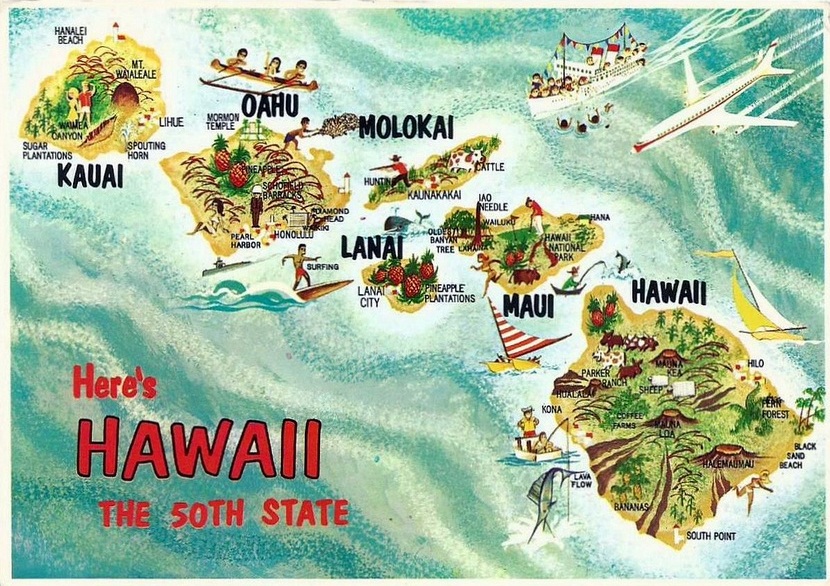
- Oahu: The Gathering Place – Home to Honolulu and the iconic Waikiki Beach, Oahu is the most populous and developed island. Here, you can hike to the summit of Diamond Head for panoramic views, learn to surf the legendary waves of the North Shore, or delve into history at Pearl Harbor and Iolani Palace. It’s a hub for vibrant city life, diverse dining, and endless activities.
- Maui: The Valley Isle – Renowned for its stunning natural landscapes and luxurious resorts. Drive the legendary Road to Hana, witness a majestic sunrise from the summit of Haleakala National Park, or relax on the golden sands of Wailea and Ka’anapali. Maui offers a perfect blend of adventure and upscale relaxation, ideal for honeymoons and family trips alike.
- Kauai: The Garden Isle – Lush, verdant, and wonderfully rugged, Kauai is a haven for nature lovers. Its dramatic Napali Coast is best explored by helicopter or boat tour, revealing emerald valleys and towering cliffs. Hike through
Waimea Canyon, often called the “Grand Canyon of the Pacific,” or simply unwind on its pristine, less crowded beaches. - Big Island: The Orchid Isle – The youngest and largest of the islands, the Big Island boasts unparalleled geological diversity. Explore active volcanoes at Hawaii Volcanoes National Park, witness the mesmerizing glow of Kilauea Volcano, snorkel in crystal-clear waters, or stargaze from the Mauna Kea observatory. Its varied climate zones range from volcanic deserts to lush rainforests.
Finding Your Perfect Stay: Hotels, Resorts, and Alternative Accommodations
Hawaii offers an accommodation option for every budget and preference, from ultra-luxury resorts to charming boutique hotels and practical vacation rentals. For those seeking the pinnacle of luxury travel, properties like the Four Seasons Hualalai on the Big Island or the Grand Wailea, A Waldorf Astoria Resort on Maui provide exquisite suites, world-class amenities, and unparalleled service. These resorts often feature multiple pools, gourmet dining, and private beach access, perfect for an indulgent escape or a special occasion.
Mid-range hotels are plentiful, particularly in popular areas like Waikiki, offering comfortable rooms, often with stunning ocean views, and convenient access to attractions. For budget-conscious travelers or those seeking a more local experience, guesthouses, hostels, and vacation apartments are readily available across all islands. Villas and long-term stay apartments are ideal for families or groups, providing more space, kitchen facilities, and a home-away-from-home feel. When booking, it’s advisable to consult reviews and comparison sites to find the best value and ensure your chosen accommodation aligns with your travel style and expectations.

A Taste of Hawaiian Lifestyle: Food, Activities, and Sustainable Tourism
Embracing the Hawaiian lifestyle means immersing yourself in its unique culinary scene and participating in its diverse range of activities. Food is central to the Hawaiian experience, from fresh poke bowls and refreshing shaved ice to elaborate luau feasts featuring kalua pig and poi. Don’t miss the opportunity to explore local farmers’ markets for fresh tropical fruits or try farm-to-table dining experiences that showcase Hawaii’s agricultural bounty.
Activities abound, catering to thrill-seekers and relaxation enthusiasts alike. Take surfing lessons, go snorkeling or diving in vibrant coral reefs, hike through lush rainforests, or embark on a thrilling helicopter tour for unparalleled aerial views of the islands. For a more laid-back pace, enjoy a spa retreat at a luxury resort, practice yoga on the beach, or simply watch the sunset over the Pacific Ocean.
As you enjoy the beauty of Hawaii, remember the importance of sustainable tourism. Respect local culture, protect the fragile ecosystems, and support local businesses. Whether you prefer luxury travel, a budget-friendly adventure, a family trip, or even a business stay combined with leisure, Hawaii offers a tapestry of experiences. Its statehood in 1959 not only cemented its political status but also amplified its appeal as a global destination, inviting everyone to discover the magic of its islands while fostering a deeper connection to its rich past and vibrant present.
The year 1959 is more than just a date; it marks a pivotal moment in the story of Hawaii, transforming it from a U.S. territory into the proud 50th state. This historical journey from an ancient Polynesian kingdom to an American state has profoundly shaped its identity, culture, and especially its robust tourism industry. Today, Hawaii stands as a vibrant testament to this legacy, offering travelers an extraordinary blend of historical depth, cultural richness, and unparalleled natural beauty. From the historical landmarks of Oahu to the volcanic landscapes of the Big Island, and the luxurious resorts of Maui to the serene shores of Kauai, the Aloha State continues to welcome visitors to explore its unique heritage and create unforgettable experiences. Its statehood 65 years ago not only brought Hawaii into the full embrace of the United States but also firmly placed it on the map as one of the world’s most sought-after destinations, a true paradise waiting to be discovered.
LifeOutOfTheBox is a participant in the Amazon Services LLC Associates Program, an affiliate advertising program designed to provide a means for sites to earn advertising fees by advertising and linking to Amazon.com. Amazon, the Amazon logo, AmazonSupply, and the AmazonSupply logo are trademarks of Amazon.com, Inc. or its affiliates. As an Amazon Associate we earn affiliate commissions from qualifying purchases.