
When discussing the history of New Orleans, one event stands as a profound marker of change, resilience, and transformation: Hurricane Katrina. The storm made landfall in Louisiana in 2005, forever altering the landscape, culture, and architecture of this iconic American city. Understanding the timeline and the impact of this disaster is essential for anyone interested in the historical preservation and the enduring spirit of one of the most culturally significant cities in the United States.
The Timeline of the Storm: August 2005
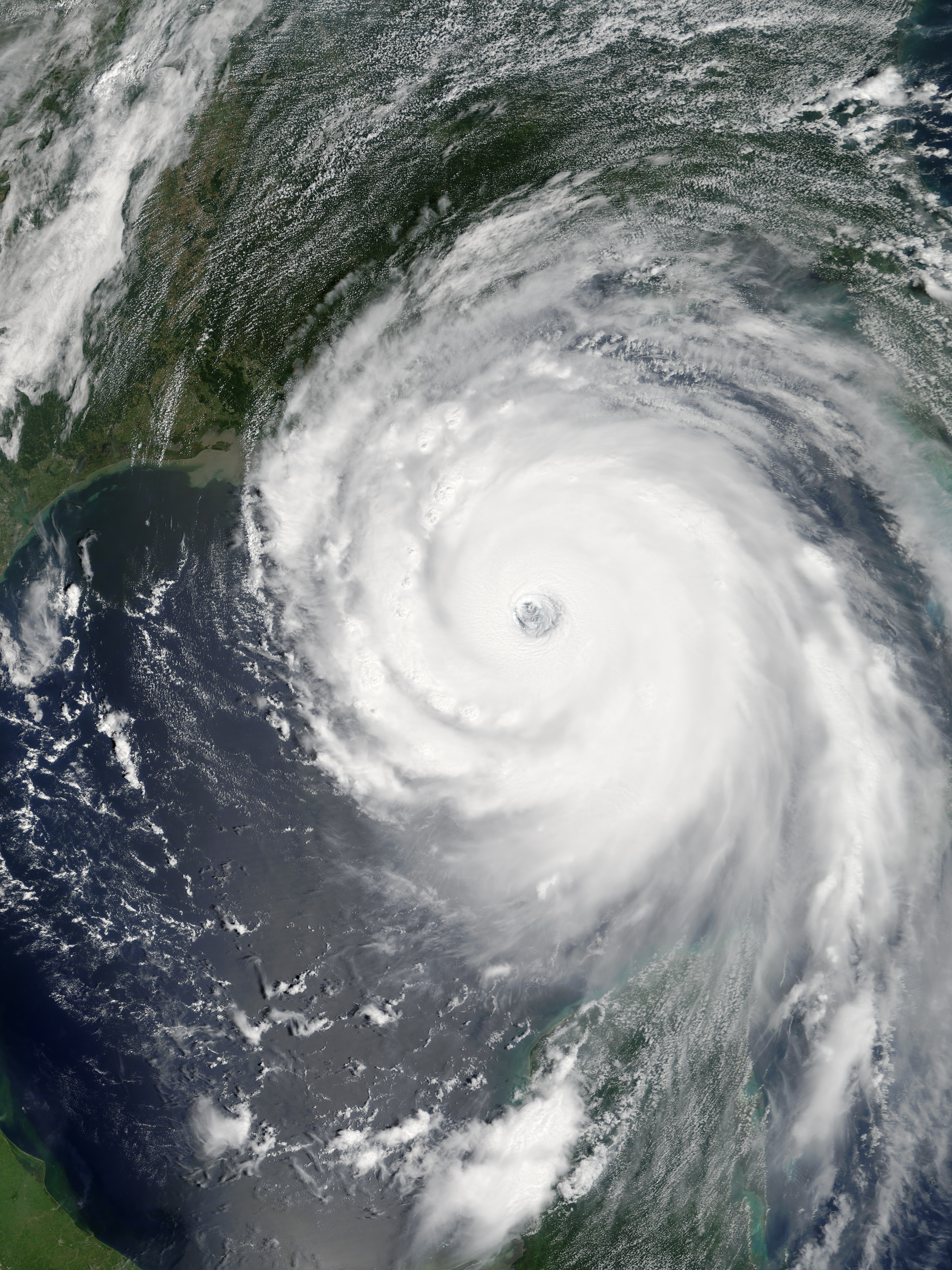
Hurricane Katrina first formed over the Bahamas on August 23, 2005. As it moved toward the Gulf of Mexico, it intensified into a massive, Category 5 hurricane. While the storm weakened slightly before its final landfall, the scale of the surge and the catastrophic failure of the levee systems created a humanitarian and infrastructural crisis that the Southern United States had never encountered on such a scale.

The Impact on the Gulf Coast
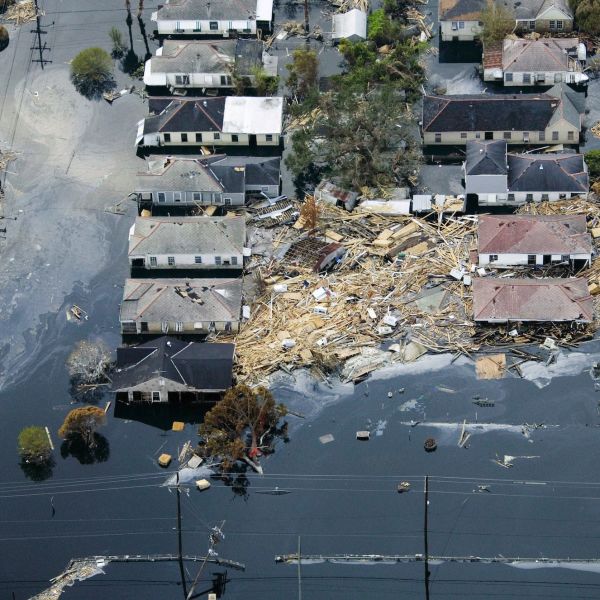
On August 29, 2005, the hurricane struck the coast near the border of Mississippi and Louisiana. While cities like Biloxi and Gulfport faced the direct brunt of the wind, the low-lying geography of New Orleans placed it in a uniquely vulnerable position. The flooding that followed in the days after August 29 decimated historic neighborhoods and forced a mass evacuation of the city’s population.
The Levee Failures
The most significant aspect of the 2005 event was the catastrophic breach of the federal levee system. Large portions of the city, including the Lower Ninth Ward, were inundated as protective barriers failed. This architectural and engineering tragedy served as a focal point for subsequent national debates regarding disaster preparedness, environmental management, and the protection of historic urban centers.
The Transformation of a Historic Landscape
For visitors, historians, and locals, the New Orleans of today reflects a tapestry of pre-2005 charm and post-Katrina innovation. The storm forced the city to reimagine how it protects its most precious assets, from the colonial-era buildings in the French Quarter to the ornate mansions of the Garden District.
Preservation Efforts
Following the devastation of 2005, monumental efforts were undertaken to restore the city’s architectural identity. The National Trust for Historic Preservation played a critical role in documenting the damage and assisting in the recovery of landmark properties. Walking through the city today, one can still see the careful restoration of ironwork, balconies, and historic facades that define the city’s character.
Modern Flood Mitigation
Beyond aesthetics, the post-2005 era brought significant infrastructure changes. The Army Corps of Engineers undertook the construction of the Hurricane and Storm Damage Risk Reduction System. This engineering marvel, which includes massive floodwalls and gate systems, represents a new chapter in the city’s ability to withstand the forces of nature that have shaped the Mississippi River Delta for centuries.
Cultural Resilience and the Return of Tourism
The year 2005 remains a painful memory for many, yet it is also a testament to the tenacity of the local community. The spirit of the city, famously represented by the resilience of the local musicians and the vibrancy of the food scene, proved to be the primary engine for recovery.
The Music Lives On
The musical heartbeat of New Orleans, centered in spots like Frenchmen Street and the historic Preservation Hall, never truly stopped. In the years following 2005, the city’s jazz and brass band culture became a symbol of global hope. Musicians who were displaced by the hurricane returned to rebuild the venues that define the city’s nightlife, ensuring that the legacy of Louis Armstrong and Buddy Bolden continued to thrive.
Culinary Revival
The food industry, another cornerstone of Louisiana culture, faced immense challenges after 2005. Iconic establishments like Commander’s Palace and Antoine’s Restaurant faced physical damage and staffing shortages, yet they served as anchors that encouraged tourists to return. The subsequent explosion of the local dining scene, characterized by a fusion of traditional Creole and innovative modern techniques, has cemented the city as one of the premier food destinations in the Americas.
Reflecting on History: Visiting the Memorials
For those traveling to the city, understanding the events of 2005 is often tied to visiting the sites that honor the survivors and the victims of the storm. These locations provide a somber, reflective space that stands in contrast to the festive atmosphere of Bourbon Street or the St. Charles Avenue Streetcar.
The Katrina Memorial
The Hurricane Katrina Memorial serves as a place of quiet contemplation. Located in the Mid-City area, it houses the remains of those who were never claimed after the tragedy. It is a vital stop for those wishing to pay their respects and gain a deeper understanding of the human cost of the hurricane.
The Backstreet Cultural Museum
To truly understand the culture that persevered, a visit to the Backstreet Cultural Museum is recommended. This institution highlights the Mardi Gras Indians and the Second Line traditions. These groups were instrumental in bringing communities back together after 2005, providing a social safety net when formal institutions were stretched thin.
The Future of New Orleans
As the city looks ahead, the year 2005 remains a cautionary tale and a milestone of achievement. The lessons learned about urban planning, environmental stewardship, and community involvement are now shared with cities across the globe facing similar climate-related challenges.
Sustainability and Growth
Today, new developments are springing up in areas like the Bywater and the Warehouse District, blending modern sustainability practices with the city’s unique architectural history. These areas demonstrate that a city can honor its past while simultaneously building a resilient future.
Why Travel Matters
Tourism is the lifeblood of New Orleans. By engaging with the local culture, visiting historic landmarks, and supporting small businesses in neighborhoods outside the traditional tourist hubs, visitors contribute to the ongoing economic recovery and cultural preservation of the city. The story of 2005 is not just one of tragedy; it is a story of a city that refused to vanish, and instead, chose to reinvent itself while keeping its soul intact. Whether you are exploring the Audubon Aquarium of the Americas or wandering through the City Park, the influence of the recovery is visible in every corner, making it a place of profound significance for any traveler.
LifeOutOfTheBox is a participant in the Amazon Services LLC Associates Program, an affiliate advertising program designed to provide a means for sites to earn advertising fees by advertising and linking to Amazon.com. Amazon, the Amazon logo, AmazonSupply, and the AmazonSupply logo are trademarks of Amazon.com, Inc. or its affiliates. As an Amazon Associate we earn affiliate commissions from qualifying purchases.