
The question “What year was New York founded?” often evokes a specific date, but the true answer is a mosaic of significant historical moments that collectively shaped one of the world’s most dynamic cities. While the land that would become New York was settled earlier, the year 1624 marks the official establishment of the Dutch colony of New Netherland, and 1626 is famously cited as the year the Dutch acquired Manhattan Island and formally established New Amsterdam. However, the city we recognize today as New York truly began its journey to global prominence in 1664, when it was renamed after the English seized control. Understanding these pivotal dates offers a fascinating glimpse into the city’s complex origins, a tale of exploration, commerce, conquest, and the persistent drive that continues to define this incredible destination for travelers, history buffs, and luxury seekers alike.

From its humble beginnings as a fur-trading post to its current status as a global epicenter of finance, culture, and tourism, New York’s history is as rich and layered as its iconic skyline. For those planning a trip, exploring its past provides a deeper appreciation for the landmarks, diverse neighborhoods, and vibrant lifestyle that make it an unparalleled travel experience. Whether you’re interested in the remnants of its Dutch heritage, the architectural marvels of the Gilded Age, or the bustling modern attractions, New York offers a journey through time that can be seamlessly integrated into any travel itinerary, from budget-conscious adventures to opulent getaways.
The Humble Beginnings: New Amsterdam and the Dutch Legacy
The story of New York truly begins with European exploration in the early 17th century, driven by the quest for new trade routes and valuable resources. This era laid the groundwork for a settlement that would eventually transform into a bustling metropolis, attracting people from all corners of the globe.
A European Foothold in the New World
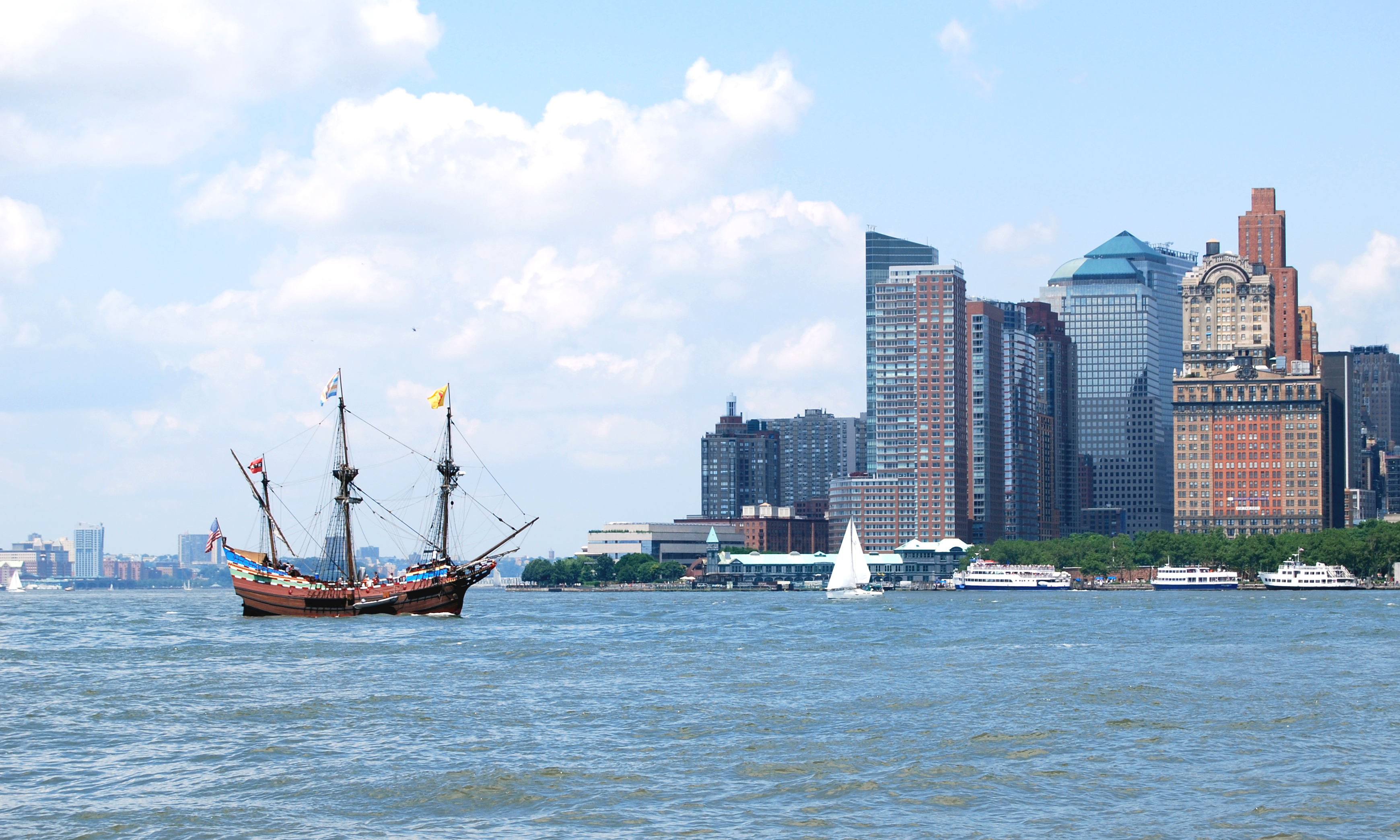
The first significant European contact with the area was in 1609 when Henry Hudson, an English explorer commissioned by the Dutch East India Company, sailed his ship, the Halve Maen, into what is now New York Harbor. He navigated the river that now bears his name, exploring as far north as present-day Albany, in search of a westward passage to Asia. While he didn’t find the passage, his expedition revealed a vast region abundant in natural resources, particularly beaver pelts, which were highly prized in Europe for the felt hat industry.
This discovery quickly attracted Dutch traders, leading to the establishment of several small trading posts. Recognizing the immense commercial potential, the Dutch West India Company was granted a charter in 1621 to colonize the region of New Netherland. The company officially established its first permanent settlement in 1624, when around 30 Dutch families, mostly Walloons (French-speaking Protestants from what is now Belgium), arrived to settle on Governors Island, and later spread to areas like Long Island and the upper Hudson River. It was two years later, in 1626, that Director-General Peter Minuit famously purchased Manhattan Island from the Lenape Native Americans for goods valued at 60 Dutch guilders (often mistakenly translated to $24, a figure that has been widely debated and often undervalued). This acquisition paved the way for the formal establishment of New Amsterdam at the southern tip of Manhattan, centered around Fort Amsterdam. This strategic location at the mouth of the Hudson River was crucial for trade and defense, marking the true birth of what would become the heart of New York City.
Daily Life in New Amsterdam
Life in New Amsterdam was characterized by a distinct frontier spirit, blended with the commercial drive of its Dutch founders. The primary economic engine was the fur trade, with beaver pelts being the most valuable commodity. The settlement quickly grew beyond its initial military and trading purposes, developing into a diverse community. Despite its small size, New Amsterdam was remarkably cosmopolitan for its time. By the mid-17th century, it was common to hear over 18 different languages spoken among its roughly 1,000 residents, a testament to the Dutch West India Company’s policy of religious tolerance and its efforts to attract settlers from various European countries. This early embrace of diversity laid the foundation for New York’s enduring identity as a melting pot.
The architecture of New Amsterdam reflected its Dutch heritage, with narrow, gabled houses lining cobblestone streets. Infrastructure slowly developed, including the construction of a protective wall along the northern edge of the settlement, which would later lend its name to a famous street: Wall Street. The settlement also developed a sophisticated legal system and a burgeoning social scene, often centered around taverns and markets. While living conditions were undoubtedly challenging, marked by conflicts with native tribes and the constant struggle to establish a stable colony in the wilderness, the residents of New Amsterdam laid down deep roots, creating a vibrant, albeit small, community that was already demonstrating the entrepreneurial spirit and cultural openness that would define its successor. For travelers today, echoes of this Dutch past can still be found in Lower Manhattan, particularly around Stone Street, offering a glimpse into the city’s earliest architectural and urban planning foundations.
The English Takeover and the Birth of New York
The trajectory of New Amsterdam, and thus the future of the region, took a dramatic turn in the mid-17th century with the arrival of a formidable rival power: England. This shift in colonial control was not merely a change of flags; it was a fundamental reorientation that set the stage for the city’s rapid expansion and its emergence as a major force in the American colonies.
From Dutch to Duke
The English had long viewed New Netherland as an unwelcome wedge between their New England colonies to the north and their southern colonies like Virginia. Recognizing its strategic importance, King Charles II of England granted the territory to his younger brother, James, the Duke of York, in 1664. Without a formal declaration of war, an English fleet, commanded by Colonel Richard Nicolls, arrived in New York Harbor and demanded the surrender of New Amsterdam.
Despite the initial resistance of Director-General Peter Stuyvesant, the citizens of New Amsterdam, weary of conflicts and recognizing the overwhelming military superiority of the English, persuaded him to surrender without a fight. On September 8, 1664, New Amsterdam officially capitulated, and the entire colony of New Netherland came under English rule. The name of the settlement was immediately changed from New Amsterdam to New York in honor of the Duke of York. While the Dutch briefly recaptured the city in 1673, renaming it New Orange, it was permanently returned to the English under the Treaty of Westminster in 1674, solidifying its new identity and destiny. This transition marked a crucial turning point, shifting the city’s legal, political, and cultural allegiances and paving the way for its future as a dominant British colonial port.
Colonial Expansion and Revolutionary Spirit
Under English rule, New York continued its commercial expansion, albeit with a more centralized administrative structure. The city’s deep-water port facilitated increased trade with England and other colonies, solidifying its status as a vital economic hub. Merchants prospered, and the population diversified further, with an influx of English, Scottish, Irish, and German immigrants joining the existing Dutch families. Slavery also unfortunately became a significant part of the colonial economy, shaping the city’s early workforce and social structure.

As the 18th century progressed, New York became a hotbed of revolutionary fervor, a testament to its independent spirit and its burgeoning merchant class’s resistance to British taxation and control. Figures like Alexander Hamilton and John Jay rose to prominence, advocating for colonial rights. The city played a pivotal role in the lead-up to the American Revolution, hosting the Stamp Act Congress in 1765. Despite being occupied by British forces for much of the war, New York was where George Washington bade farewell to his officers at Fraunces Tavern in 1783, signaling the end of the conflict and the dawn of a new era. The city briefly served as the first capital of the United States from 1785 to 1790, with Federal Hall on Wall Street hosting Washington’s first inauguration. These events solidified New York’s place in the nascent nation’s history, showcasing its resilience and its capacity for reinvention, traits that continue to attract travelers interested in the foundational stories of the USA.
The Evolution of a Global Metropolis: From Colony to Cosmopolitan Hub
The post-revolutionary period unleashed New York’s full potential, transforming it from a significant colonial port into a global powerhouse. This era of explosive growth and innovation cemented its reputation as a city of unparalleled opportunity and a magnet for dreams.
New York’s Rise as a Major City
The 19th century was a period of unprecedented growth for New York. The completion of the Erie Canal in 1825 was a game-changer, connecting the city’s port to the vast agricultural and industrial heartland of the Great Lakes region. This engineering marvel dramatically boosted trade, making New York the principal gateway for goods and immigrants entering the United States. Waves of immigrants from Ireland, Germany, and later Southern and Eastern Europe, poured into the city, seeking economic opportunities and a new life. Ellis Island, which opened in 1892, became the entry point for millions, shaping the city’s demographic and cultural fabric profoundly.
The influx of people and capital fueled rapid urbanization. Neighborhoods like the Lower East Side, Little Italy, and Chinatown emerged, each with its distinct character, reflecting the diverse origins of its inhabitants. Infrastructure development struggled to keep pace with the exploding population, leading to both immense challenges and innovative solutions. The consolidation of the five boroughs – Manhattan, Brooklyn, Queens, The Bronx, and Staten Island – into greater New York City in 1898 marked its official transformation into a sprawling metropolis. This period also saw the rise of iconic public spaces like Central Park, meticulously designed to provide a green oasis amidst the concrete jungle, reflecting a burgeoning civic pride and a commitment to quality of life even amidst rapid industrialization.
Icons and Innovations: Shaping the Modern City
The 20th century witnessed New York’s ascent to global preeminence. It became a crucible of architectural innovation, cultural movements, and economic power. The city’s skyline, once dominated by church steeples, began to reach for the heavens with the construction of groundbreaking skyscrapers. Landmarks like the Flatiron Building (1902), the Chrysler Building (1930), and the magnificent Empire State Building (1931) became symbols of American ambition and ingenuity, attracting millions of visitors then as they do today.
Beyond architecture, New York became the stage for unparalleled cultural output. Broadway solidified its reputation as the world’s theater capital, Greenwich Village nurtured artistic and literary movements, and Harlem became the heart of a vibrant African American cultural renaissance. Institutions like the Metropolitan Museum of Art and the New York Public Library provided access to knowledge and art for all. The construction of the Brooklyn Bridge (1883) revolutionized urban connectivity, while the Statue of Liberty (1886) became a beacon of hope for immigrants and a universal symbol of freedom. Times Square, once a humble carriage mart, transformed into the “Crossroads of the World,” ablaze with neon lights and a constant hub of activity. These landmarks, along with a dynamic fashion scene, world-class culinary experiences, and an unmatched energy, continue to draw visitors seeking everything from luxury travel experiences in five-star hotels to authentic local culture and unique attractions. New York’s persistent evolution ensures that there is always something new to discover, yet its historical foundations remain visible, offering a captivating narrative for every type of traveler.
Experiencing Historical New York Today: A Traveler’s Guide
For those intrigued by New York’s rich history, the city offers countless opportunities to step back in time while enjoying its modern comforts and attractions. Integrating historical exploration into your travel plan allows for a deeper, more meaningful engagement with this iconic destination.
Tracing the Dutch Footprints
Believe it or not, remnants of New Amsterdam are still visible if you know where to look. Begin your historical journey in Lower Manhattan, the very site of the original Dutch settlement. Walk down Stone Street, a charming cobblestone lane that is one of New York’s oldest streets, maintaining much of its original 17th-century street plan and offering a European feel amidst towering skyscrapers. Here, you can enjoy a meal at one of the lively restaurants, imagining the early Dutch settlers going about their daily lives.
Visit Bowling Green, the oldest public park in New York City, which was a parade ground and cattle market in New Amsterdam. Just steps away, you’ll find the site of Fort Amsterdam, now occupied by the Alexander Hamilton U.S. Custom House and the National Museum of the American Indian. While the fort itself is gone, standing on this ground provides a powerful connection to the city’s earliest defenses and administrative center. A stroll along Wall Street not only immerses you in the global financial district but also traces the line of the original protective wall built by the Dutch. Historical markers and plaques throughout Lower Manhattan often provide context, bringing the stories of these early inhabitants to life. Consider a guided walking tour focused on New York’s Dutch past to fully appreciate these subtle yet significant historical markers.
Modern Comforts and Timeless Charm
Exploring New York’s history doesn’t mean sacrificing modern comfort or incredible experiences. The city’s accommodation options are as diverse as its history. For those seeking luxury travel, world-class hotels near Central Park or in Midtown Manhattan offer unparalleled service and amenities, often in buildings that are themselves historical landmarks. Boutique hotels in areas like Greenwich Village provide a charming, localized experience, blending historic architecture with contemporary style. Budget travelers can find excellent hostels and more affordable hotels in Brooklyn or Queens, offering easy access to Manhattan’s historical sites via the city’s extensive subway system.
Beyond accommodation, New York seamlessly blends its past with its present in its culinary scene, cultural attractions, and everyday lifestyle. Enjoy traditional American fare at Fraunces Tavern, a historic restaurant and museum that once hosted George Washington. Visit St. Paul’s Chapel, Manhattan’s oldest surviving church, which served as a place of worship for Washington and a refuge for first responders after 9/11, showcasing layers of history in one location. For a comprehensive overview of the city’s evolution, the Museum of the City of New York offers engaging exhibits detailing its transformation from a Dutch outpost to a global metropolis.
From a lifestyle perspective, New York caters to all. You can spend your mornings tracing colonial footsteps in Battery Park, then your afternoons enjoying high-end shopping on Fifth Avenue or catching a Broadway show. Even choosing an apartment rental for a long-term stay offers a unique perspective, allowing you to live like a local in a neighborhood steeped in history. The vibrancy of New York is its ability to honor its multifaceted past while constantly reinventing itself, making it an endlessly fascinating destination for any traveler.
In conclusion, the question “What year was New York founded?” is best answered by appreciating a series of foundational dates: 1624 for the establishment of New Netherland, 1626 for the formal founding of New Amsterdam, and 1664 for its renaming to New York. These dates represent crucial chapters in an unfolding narrative that continues to captivate and inspire. New York’s journey from a small trading post to a global icon is a testament to its enduring spirit, its capacity for reinvention, and its incredible ability to welcome the world. For any traveler, delving into this rich history enhances the experience of exploring its iconic landmarks, bustling streets, and diverse cultures, revealing the deep roots that support this ever-evolving city.
LifeOutOfTheBox is a participant in the Amazon Services LLC Associates Program, an affiliate advertising program designed to provide a means for sites to earn advertising fees by advertising and linking to Amazon.com. Amazon, the Amazon logo, AmazonSupply, and the AmazonSupply logo are trademarks of Amazon.com, Inc. or its affiliates. As an Amazon Associate we earn affiliate commissions from qualifying purchases.