
The California Gold Rush, an event that irrevocably altered the course of American history and shaped the very identity of the Golden State, commenced in the year 1848. This pivotal discovery ignited a wave of global migration, transforming sleepy California into a bustling frontier and drawing fortune-seekers from every corner of the world. Far more than just a historical footnote, the legacy of the Gold Rush continues to captivate travelers, offering a unique blend of history, adventure, and cultural immersion that resonates deeply with modern tourism.
For those planning to explore the rich tapestry of destinations and attractions linked to this transformative period, understanding its origins is key. The Gold Rush wasn’t merely a quest for precious metal; it was a catalyst for unprecedented urban development, infrastructure building, and the establishment of vibrant communities, many of which remain popular travel spots today. From the bustling streets of San Francisco and Sacramento to the quaint, preserved towns nestled in the Sierra Nevada foothills, the echoes of this era are palpable, inviting visitors to step back in time and experience a seminal chapter in the United States’ expansion. Our exploration delves into the historical context, the immediate and lasting impacts, and practical guides for travelers eager to experience the enduring allure of California’s Gold Country.

The Spark of Fortune: The Gold Rush Begins
The year 1848 marks the official beginning of the California Gold Rush, an event triggered by a single, accidental discovery that set off a global chain reaction. On January 24, 1848, James W. Marshall, a carpenter working for pioneer John Sutter, stumbled upon shiny flakes of gold in the American River while overseeing the construction of a sawmill near Coloma. This location, famously known as Sutter’s Mill, was a quiet, undeveloped tract, a stark contrast to the burgeoning settlements it would soon inspire.
At the time of Marshall’s discovery, California was a sparsely populated territory, recently ceded by Mexico to the United States following the Mexican-American War. News of the gold strike initially spread slowly. Sutter himself attempted to keep the discovery quiet, fearing it would disrupt his agricultural empire. However, word, as it always does, eventually got out. By mid-1848, newspapers in San Francisco began reporting on the findings, and within months, the trickle of curious prospectors turned into a torrent. The official confirmation by President James K. Polk in his December 1848 address to Congress—where he publicly announced the vast quantities of gold found—acted as an open invitation to the world.
This declaration ignited what is known as the ‘Forty-Niners’ phenomenon. In 1849, an estimated 90,000 people, primarily men, streamed into California from across the United States and beyond. They traveled by land, enduring treacherous journeys across deserts and mountains like the Sierra Nevada, or by sea, braving the long, dangerous passages around Cape Horn at the southern tip of South America or taking shortcuts across the Isthmus of Panama. These intrepid individuals, driven by dreams of instant wealth, laid the foundation for modern California, transforming it from a frontier outpost into a rapidly developing state. The sudden influx of diverse cultures and ambitions created a melting pot, setting the stage for California’s unique socio-economic landscape and leaving behind a rich legacy that is ripe for exploration by today’s travelers.
The Enduring Legacy: Boomtowns, Development, and Cultural Shifts
The California Gold Rush, though officially beginning in 1848, saw its most intense period between 1849 and 1855. During these few years, the face of California changed dramatically, giving rise to bustling boomtowns, driving rapid infrastructural development, and instigating profound cultural shifts that still resonate today. The population exploded from roughly 14,000 non-indigenous inhabitants in 1848 to over 300,000 by 1855, making California a diverse and dynamic hub.
The gold fields themselves, primarily located along the Sierra Nevada foothills, saw the mushrooming of new settlements. Towns like Sacramento, initially a supply hub, rapidly grew into a major city and eventually the state capital. San Francisco, a small port village at the start of the rush, became the primary entry point for prospectors arriving by sea and quickly transformed into a major financial and commercial center. Its population soared from around 1,000 residents to over 25,000 in just two years. These burgeoning cities became hotbeds of innovation and enterprise, offering everything from hotels and saloons to shipping services and financial institutions.
The Gold Rush also fueled an unprecedented demand for goods and services. Merchants, rather than miners, often reaped the greatest profits, selling provisions, tools, and entertainment at exorbitant prices. This entrepreneurial spirit laid the groundwork for California’s future as an economic powerhouse. Transportation networks, including roads, bridges, and stagecoach lines, were rapidly developed to connect the mining camps with supply centers. The establishment of banks, legal systems, and organized governance followed, as the chaotic early days gave way to more structured societies.
Culturally, the Gold Rush created a unique blend of ethnicities and traditions. People from all corners of the globe—including Europe, China, Latin America, and Australia—flocked to California, bringing their languages, cuisines, and customs. While this led to a vibrant, multicultural society, it also unfortunately gave rise to conflicts and xenophobia, particularly against indigenous populations and Chinese immigrants. The Gold Rush era, therefore, is a complex narrative of both opportunity and hardship, a story that modern tourism seeks to explore in its entirety. Its profound impact shaped not only the state’s demographics and economy but also its distinctive spirit of resilience, innovation, and pursuit of dreams, making it an endlessly fascinating subject for historical travel and cultural exploration.
Embarking on a Gold Rush Adventure: A Traveler’s Guide
For those intrigued by the allure of the past, California’s Gold Country offers an unparalleled travel experience, seamlessly blending history with modern amenities. Many of the original gold rush towns have been meticulously preserved, offering a tangible link to the 19th century and providing a unique backdrop for a memorable vacation.
Exploring Historic Gold Country Destinations
The heart of the Gold Rush lies in the charming towns scattered along Highways 49 and 108, east of Sacramento. These destinations are perfect for exploring the history, architecture, and lifestyle of the era.
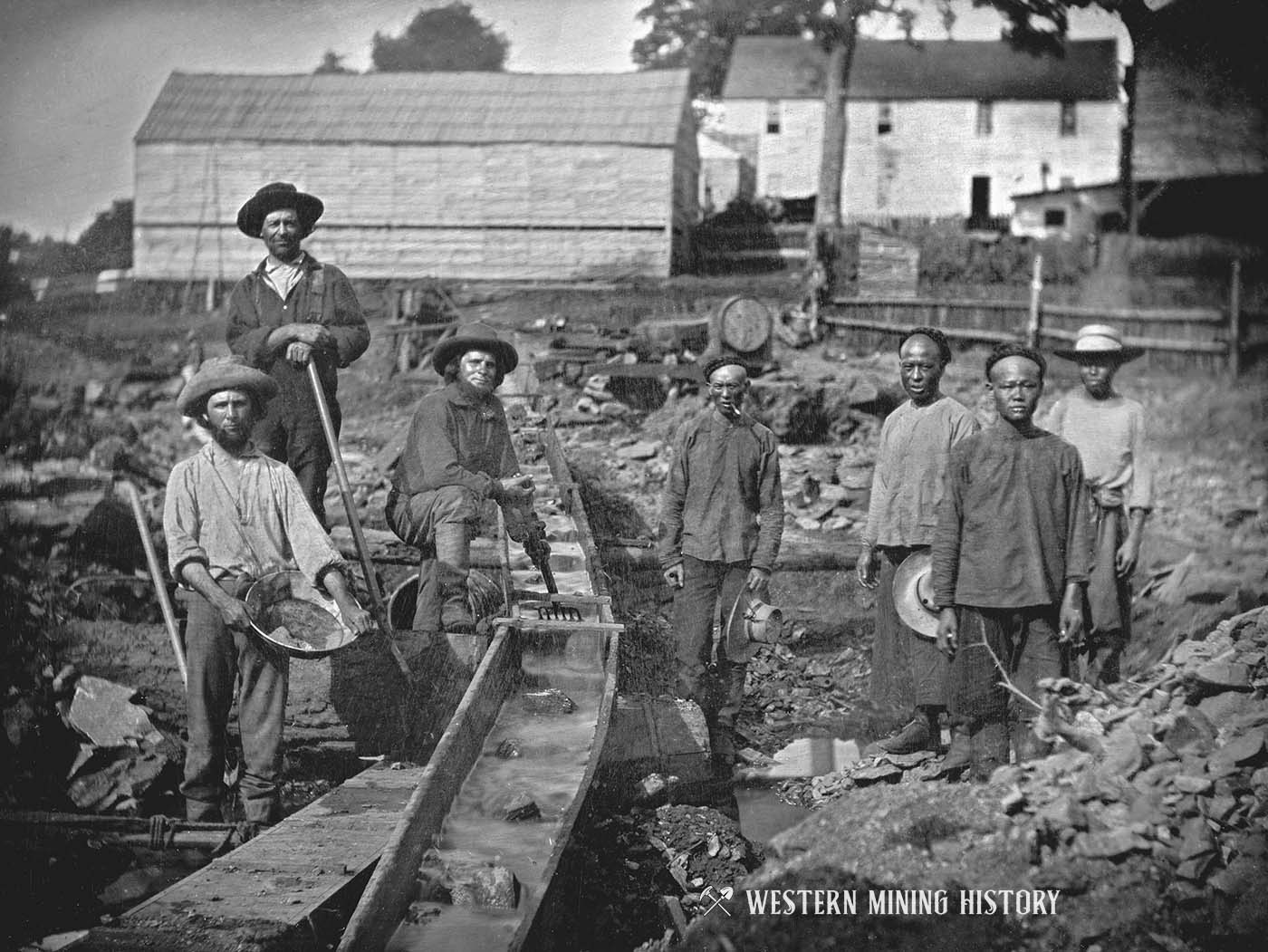
- Columbia State Historic Park: Arguably the best-preserved of California’s gold rush towns, Columbia allows visitors to step directly into the 1850s. Car-free streets, original brick buildings, and costumed docents bring the past to life. You can take a stagecoach ride, pan for gold, watch a blacksmith at work, or enjoy a meal in an authentic saloon. For accommodation, nearby Sonora offers modern hotels and historic inns like the Hotel Pickwick, while Columbia itself features the historic Columbia City Hotel and Fallon House Theatre.
- Marshall Gold Discovery State Historic Park: Located in Coloma, this is the exact spot where James W. Marshall first found gold. The park features a replica of Sutter’s Mill, original buildings, and a museum, allowing visitors to stand at the very birthplace of the rush. Guided tours and gold panning demonstrations are popular activities.
- Bodie State Historic Park: For a more haunting experience, head east of the Sierra Nevada to Bodie, a genuine gold mining ghost town preserved in a state of “arrested decay.” With original buildings, furniture, and belongings left as they were, it offers an incredibly authentic and eerie glimpse into a harsh mining existence. Accommodation is typically found in nearby Mammoth Lakes or Bridgeport.
- Nevada City and Grass Valley: These two towns, close to each other, boast beautiful Victorian architecture, charming downtowns, and a rich mining history. Nevada City is known for its arts scene and historic Nevada Theatre, while Grass Valley offers the impressive Empire Mine State Historic Park, one of California’s oldest and richest gold mines. Both offer a range of hotels, from boutique inns like the National Exchange Hotel in Nevada City to modern chain hotels.
- Placerville: Once known as “Hangtown” due to its rough-and-tumble justice, Placerville today is a vibrant town with a historic main street, unique shops, and a strong sense of its past. It serves as a great base for exploring the nearby Apple Hill region and the American River.
- Jamestown: Another classic gold rush town, Jamestown is famous for its “Railroad Flat” district and the Railtown 1897 State Historic Park, where visitors can ride historic steam trains through picturesque scenery.
Museums and Interpretive Centers
To deepen your understanding of the Gold Rush, a visit to these educational institutions is highly recommended:
- California State Mining and Mineral Museum (Mariposa): Home to one of the finest collections of minerals and mining artifacts in the United States, including the famous 13.8-pound “Fricot Nugget.”
- Oakland Museum of California (Oakland): Features comprehensive exhibits on California’s history, including a significant section on the Gold Rush and its impact on the state’s diverse population.
- California State Capitol Museum (Sacramento): While not exclusively about the Gold Rush, it provides context on California’s statehood and development, which were direct consequences of the gold discovery.
- California State Railroad Museum (Sacramento): Explores the crucial role of railroads in connecting California to the rest of the country, a necessity brought about by the rapid growth during and after the Gold Rush.
- Sutter’s Fort State Historic Park (Sacramento): This historic fort provides insight into life in California just before and during the initial phase of the Gold Rush, having been the initial destination for many overland immigrants.
- Old Sacramento State Historic Park (Sacramento): A vibrant historic district showcasing buildings and businesses from the mid-19th century, reflecting the boom period after the discovery of gold.
Accommodation and Lifestyle Experiences
Traveling through Gold Country offers a diverse range of accommodation options, from luxurious resorts to charming, historically themed hotels. Many towns feature beautifully restored Victorian inns that provide a taste of 19th-century elegance with modern comforts. For those seeking a unique experience, consider booking a stay in a boutique hotel or a bed and breakfast in a historic building, where the architecture and decor transport you back in time.
Beyond lodging, the lifestyle aspects of a Gold Rush tour are plentiful. You can try your hand at gold panning in various locations, guided by experienced prospectors. Many towns host historical reenactments, festivals, and guided walking tours that delve into the lives of miners, merchants, and saloon keepers. Culinary experiences often lean into the region’s agricultural bounty, with farm-to-table restaurants and local wineries. For a more rugged adventure, consider hiking trails that follow old mining paths or exploring the natural beauty of the Sierra Nevada foothills, perhaps even extending your trip to nearby Yosemite National Park. Whether you’re a history buff, an outdoor enthusiast, or a family seeking an educational and entertaining trip, the California Gold Rush region offers a rich tapestry of experiences waiting to be discovered.
Planning Your Gold Rush Itinerary: Tips for Every Traveler
A journey through California’s Gold Country promises a captivating blend of historical insight and modern-day enjoyment, catering to a wide range of traveler preferences. Whether you’re on a luxury retreat, a budget-friendly adventure, a family vacation, or a solo exploration, careful planning will ensure you extract the most gold from your trip.
Maximizing Your Travel Experience
- Understand the Geography: The primary Gold Country region stretches roughly 300 miles along the Sierra Nevada foothills, encompassing diverse terrain from rolling hills to mountainous areas. It’s often divided into Northern, Central, and Southern Gold Country. Decide which section you want to focus on or allocate sufficient time if you plan to cover the entire length. A rental car is almost essential for flexibility and accessing smaller towns and parks.
- Best Time to Visit: Spring (April to June) and Fall (September to November) offer the most pleasant weather for exploring, with mild temperatures and vibrant natural scenery. Summers can be quite hot, especially in the central and southern parts, though this is also peak season for families. Winters bring cooler temperatures and occasional snow in higher elevations, creating a picturesque, albeit sometimes challenging, landscape.
- Accommodation Choices:
- Historic Inns & Boutique Hotels: For a truly immersive experience, consider staying in one of the many beautifully restored Victorian inns found in towns like Nevada City, Sonora, or Placerville. These often come with unique charm, personalized service, and a palpable sense of history. Examples include the National Exchange Hotel or The Holbrooke Hotel.
- Modern Resorts & Chain Hotels: Larger towns like Sacramento, Auburn, and Placerville offer a wider selection of contemporary hotels, providing familiar amenities and often better rates, especially for budget-conscious travelers or those needing extensive facilities like pools or fitness centers.
- Vacation Rentals & Cabins: For families or longer stays, renting a cabin or a historic house through platforms like Airbnb or VRBO can offer more space, privacy, and opportunities for self-catering, contributing to a more localized lifestyle experience.
- Camping: Several state parks and national forests in the region offer camping facilities for outdoor enthusiasts, placing you directly amidst California’s stunning natural beauty.
- Embrace Local Culture & Food: The Gold Rush era drew people from all over, creating a diverse culinary heritage. Today, many local eateries celebrate this history with hearty, traditional fare, alongside modern Californian cuisine. Don’t miss out on local wines, particularly from the Shenandoah Valley or Fair Play appellations, which are nestled right in Gold Country. Farmers’ markets offer fresh produce and artisan goods, perfect for a taste of local life.
- Activities for All Ages:
- For History Buffs: Prioritize Columbia State Historic Park, Marshall Gold Discovery State Historic Park, and Bodie State Historic Park. Consider guided tours for in-depth insights.
- For Families: Gold panning, stagecoach rides, and train excursions at Railtown 1897 State Historic Park in Jamestown are highly engaging. Many parks offer educational programs geared towards children.
- For Adventure Seekers: Explore hiking and biking trails, try white-water rafting on the American River, or go fishing in one of the many pristine lakes or rivers.
- For Arts & Culture Enthusiasts: Nevada City and Sonora boast vibrant arts scenes with galleries, live music venues, and historic theaters.
- Extend Your Trip: The Gold Country region is conveniently located near other major California attractions. Consider combining your Gold Rush adventure with a visit to Lake Tahoe for stunning alpine scenery, Yosemite National Park for breathtaking natural wonders, or the vibrant urban centers of San Francisco or Sacramento for a broader California experience.
By focusing on these practical aspects, you can tailor your visit to the California Gold Rush region to be as educational, adventurous, or relaxing as you desire, truly making the most of this significant historical landmark and its surrounding tourist attractions.
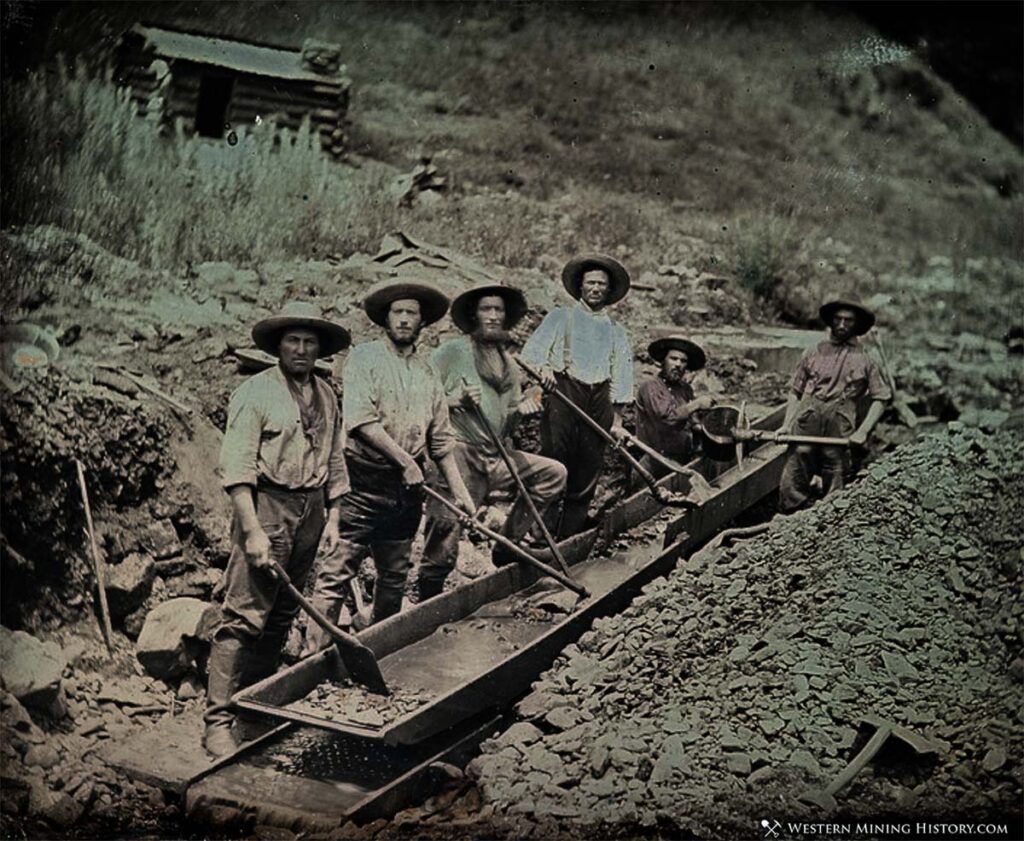
Conclusion: The Enduring Allure of the Golden Dream
The California Gold Rush, an epic chapter that began in the momentous year of 1848, remains a cornerstone of American history and a compelling destination for modern travelers. From the initial spark of discovery at Sutter’s Mill to the rapid growth of cities like San Francisco and Sacramento, this period profoundly shaped California’s identity, drawing a diverse tapestry of dreamers and doers from around the globe.
Today, the spirit of the Gold Rush is more accessible than ever. The historic towns of Gold Country serve as living museums, offering immersive experiences that transport visitors back to the mid-19th century. Whether you’re panning for gold in Coloma, exploring the preserved streets of Columbia State Historic Park, or contemplating the silence of Bodie State Historic Park, the echoes of this transformative era are palpable.
For travelers, the region offers an incredible range of activities, from educational museum visits to outdoor adventures in the stunning Sierra Nevada foothills. With a diverse array of accommodation options, from luxurious resorts to charming historic inns, and a vibrant local culture rich in culinary delights and artistic expression, the California Gold Rush is not just a historical landmark but a dynamic destination. It promises an unforgettable journey for anyone seeking to connect with the raw ambition, resilience, and groundbreaking spirit that defined the quest for the golden dream. A visit to this remarkable region is more than just a trip; it’s an opportunity to walk in the footsteps of history and witness the enduring legacy of an event that truly changed the world.
LifeOutOfTheBox is a participant in the Amazon Services LLC Associates Program, an affiliate advertising program designed to provide a means for sites to earn advertising fees by advertising and linking to Amazon.com. Amazon, the Amazon logo, AmazonSupply, and the AmazonSupply logo are trademarks of Amazon.com, Inc. or its affiliates. As an Amazon Associate we earn affiliate commissions from qualifying purchases.