
The question “What zone is Alabama?” might seem straightforward, but its answer unravels a fascinating tapestry of geographical, temporal, and climatic distinctions that profoundly shape the experience of visitors and residents alike. Far from a singular definition, Alabama exists within multiple “zones,” each contributing to its unique character as a travel destination, a haven for diverse lifestyles, and a rich cultural landscape. From timekeeping to horticulture, and from bustling urban centers to serene coastal retreats, understanding these zones is key to unlocking the full potential of any journey through the Heart of Dixie.
This comprehensive guide will delve into the various zones that define Alabama, offering insights into its practical implications for travelers and highlighting why this Southern gem should be on every explorer’s list. We’ll navigate the intricacies of its time zones, explore its distinct climate and hardiness zones, and journey through its vibrant geographic and cultural regions, showcasing how each “zone” contributes to an unforgettable Alabama experience.
Navigating Alabama’s Time Zones
When planning a trip to Alabama, one of the first practical considerations is its time zone. The vast majority of the state operates on Central Standard Time (CST) during the fall and winter months, observing Central Daylight Time (CDT) when daylight saving is in effect. This places most of Alabama six hours behind Coordinated Universal Time (UTC-6) during standard time and five hours behind (UTC-5) during daylight saving.
However, there’s a small, intriguing exception to this rule. A sliver of eastern Alabama, specifically areas within Phenix City and its immediate surroundings, unofficially observes Eastern Standard Time (EST) or Eastern Daylight Time (EDT). This unique anomaly is largely due to its close proximity and strong economic ties to Columbus, Georgia, which is firmly in the Eastern Time Zone. While technically still part of the Central Time Zone, many local businesses and schools in this border region align their clocks with Georgia for practical convenience.
For travelers, this means that while most flight arrivals, hotel bookings, and attraction timings across the state will adhere to Central Time, those venturing to the eastern border near Georgia should exercise a bit of caution and verify local timings. This seemingly minor detail underscores the subtle complexities that can influence travel logistics, making pre-trip planning essential for a seamless experience, whether you’re embarking on a luxurious resort stay or an adventurous outdoor expedition.
Alabama’s Climate and Hardiness Zones: A Traveler’s and Gardener’s Guide
Beyond time, Alabama’s climate dictates much of its allure and seasonal offerings. The state predominantly falls within a humid subtropical climate zone, characterized by hot, humid summers and mild winters. This translates to an extended growing season, lush natural landscapes, and a vibrant outdoor lifestyle for much of the year.
Travelers will find that spring (March to May) and autumn (September to November) offer the most pleasant weather, with comfortable temperatures ideal for exploring the state’s natural beauty, historic sites, and urban attractions. These seasons are perfect for hiking in the Appalachian Mountains foothills, teeing off on a championship course along the Robert Trent Jones Golf Trail, or enjoying the vibrant festivals that celebrate Alabama’s rich culture and culinary traditions. Summers, while hot, are prime time for beach vacations along the Gulf Coast, with refreshing breezes and endless opportunities for water sports and relaxation. Winters are generally mild, especially in the southern regions, making Alabama an attractive destination for those seeking a warm escape from colder climates, with many resorts and hotels offering cozy amenities.
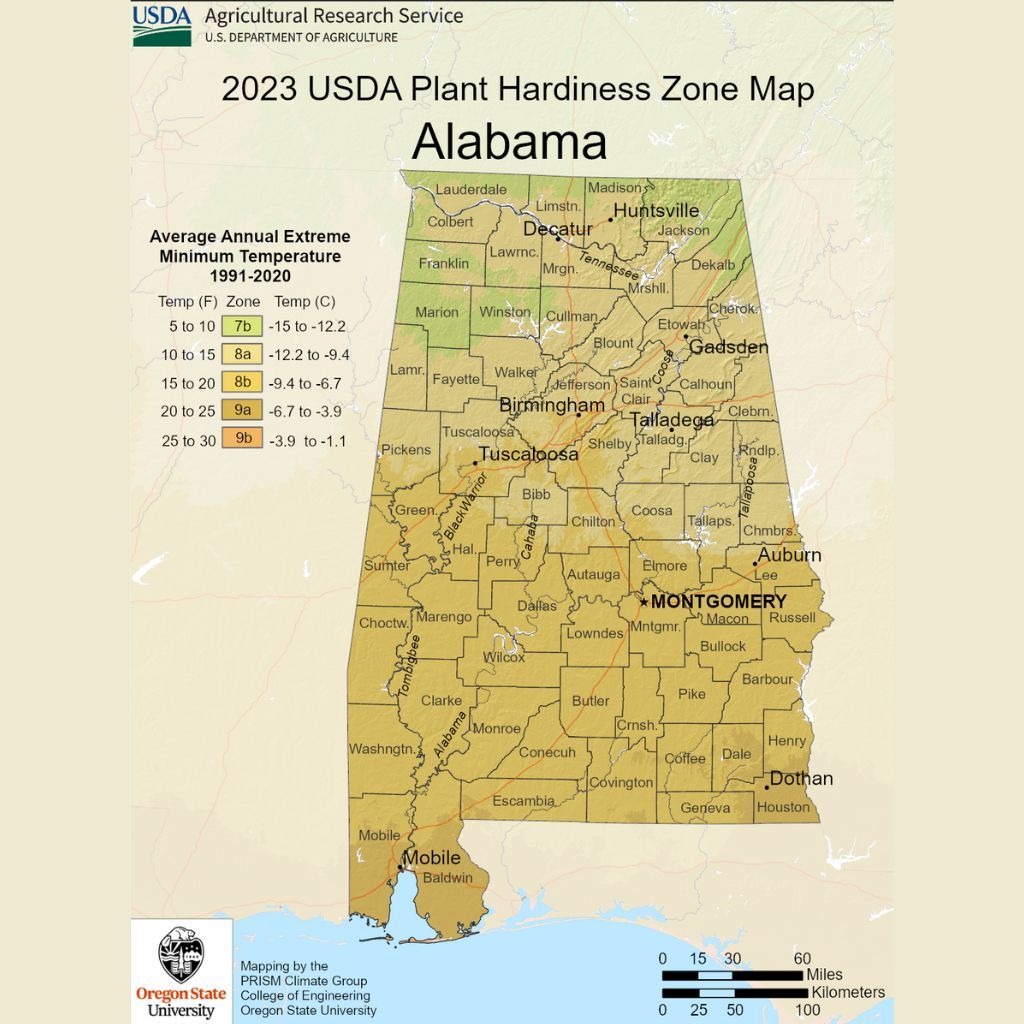
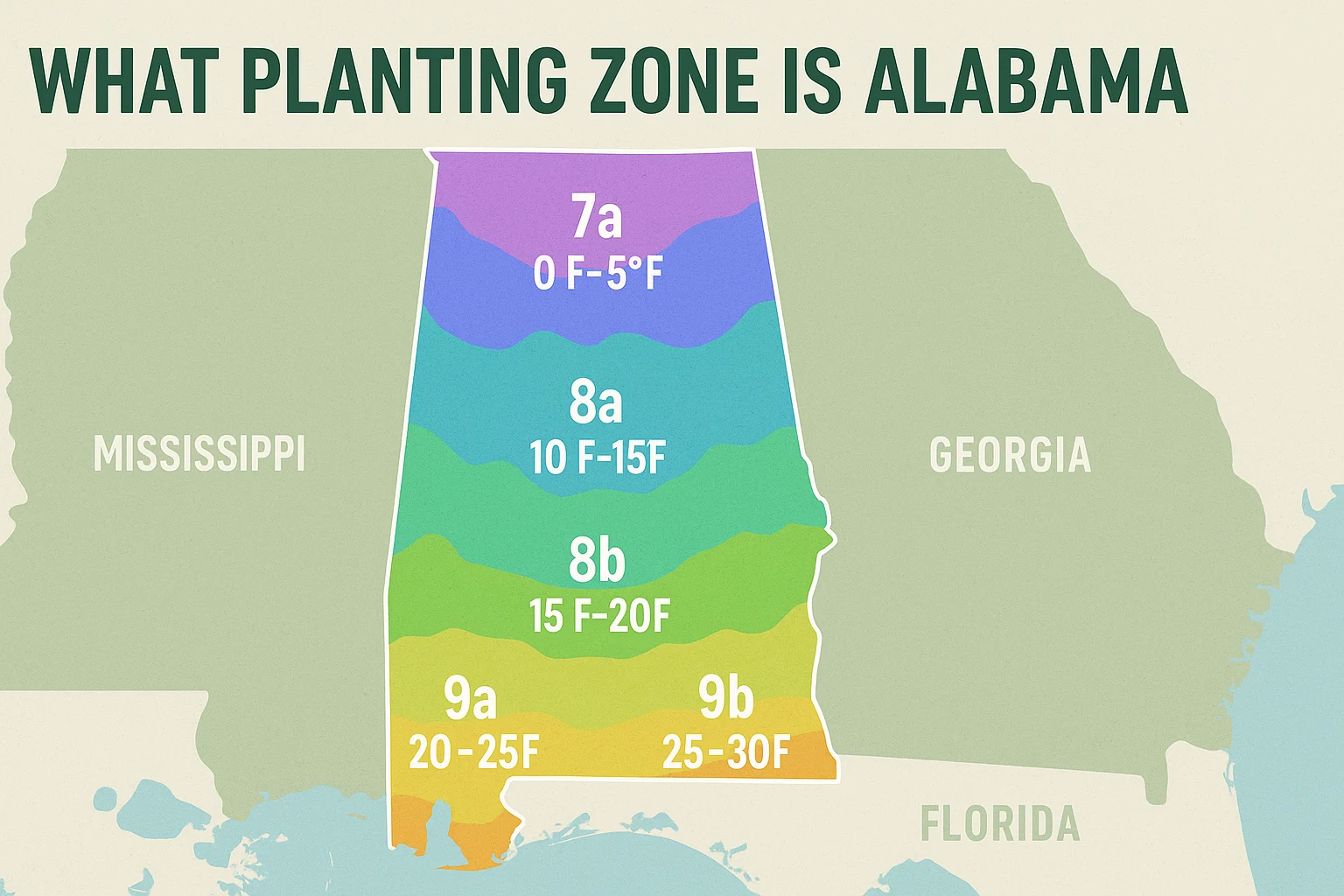
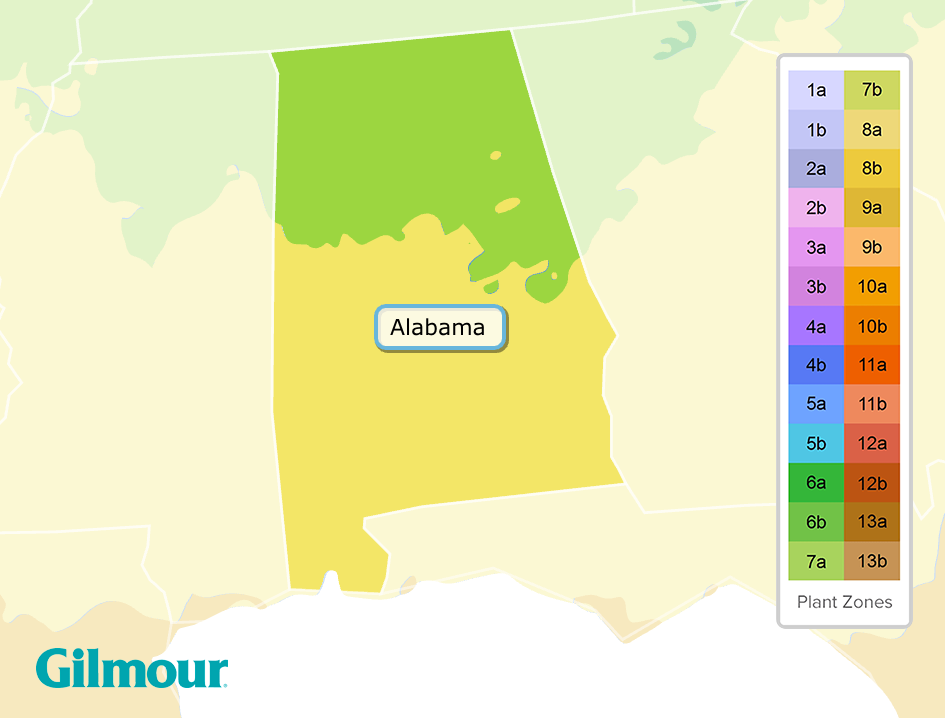
From a horticultural perspective, Alabama spans USDA Plant Hardiness Zones 7b to 9a. This means the state experiences minimum winter temperatures ranging from 5°F to 25°F (-15°C to -4°C), allowing for a remarkable diversity of plant life. These zones influence everything from the vibrant azaleas and camellias that adorn southern gardens like Bellingrath Gardens and Home to the resilient pines of the state’s extensive forests. For visitors interested in nature, botanical gardens, or agricultural tourism, understanding these hardiness zones provides context for the beautiful flora encountered throughout the state, supporting the travel website’s focus on landmarks and natural attractions.
Exploring Alabama’s Diverse Geographic and Cultural Zones
Alabama is a state of remarkable geographic and cultural diversity, segmented into distinct regions that offer unique experiences for every type of traveler. From the mountainous north to the sun-drenched southern coast, each zone presents its own blend of history, natural beauty, culinary delights, and recreational opportunities. This regional zoning offers a curated path for exploring Alabama’s rich tapestry.
North Alabama: The Heart of Innovation and Natural Beauty
The northern region of Alabama is a captivating blend of scientific innovation and rugged natural beauty. Dominated by the foothills of the Appalachian Mountains and the meandering Tennessee River, this zone is a paradise for outdoor enthusiasts and those with a fascination for space exploration.
Huntsville, often called “Rocket City“, stands as the undisputed hub of this region. Home to the U.S. Space & Rocket Center, it offers an immersive journey through the history of space travel and a glimpse into future missions. This landmark attraction is a must-visit for families and education-focused travelers. Beyond the rockets, Huntsville boasts a vibrant downtown, sophisticated dining options, and a growing craft beer scene. Accommodation options range from upscale hotels catering to business travelers to family-friendly suites, ensuring comfort for all visitors.
Nature lovers will revel in the opportunities presented by the Bankhead National Forest, known for its stunning waterfalls, rugged canyons, and the iconic Sipsey Wilderness, often called the “Land of 1000 Waterfalls.” Monte Sano State Park near Huntsville offers panoramic views, hiking trails, and serene cabins for those seeking a rustic retreat. The Tennessee Valley also provides ample opportunities for fishing, boating, and scenic drives, making this zone a prime destination for outdoor adventures and relaxation. The Robert Trent Jones Golf Trail also has several world-class courses in this northern zone, including the challenging Hampton Cove and Shoals sites, perfect for a luxurious golf lifestyle experience.
Central Alabama: Echoes of History and Urban Vibrancy
Moving south, Central Alabama unfolds as a crucial zone for understanding American history, particularly the Civil Rights Movement, while also offering vibrant urban experiences and cultural richness. This region encompasses the state’s largest city, Birmingham, and the capital, Montgomery.
Birmingham, once an industrial powerhouse, has transformed into a dynamic city known for its burgeoning culinary scene, craft breweries, and a deep commitment to its Civil Rights legacy. The Birmingham Civil Rights Institute, adjacent to Kelly Ingram Park and the historic 16th Street Baptist Church, offers a poignant and educational journey through a pivotal era of American history. For those seeking panoramic city views and a unique landmark, Vulcan Park and Museum, home to the world’s largest cast iron statue, provides an iconic perspective of the Birmingham-Hoover Metropolitan Area. Birmingham’s diverse accommodation options range from boutique hotels in revitalized historic districts to luxurious suites and modern apartments, catering to both business and leisure travelers.
Montgomery, the state capital, holds immense significance in the Civil Rights Movement. Visitors can trace the steps of history along the Montgomery Civil Rights Trail, visiting landmarks such as the Rosa Parks Museum, the Dexter Avenue King Memorial Baptist Church (where Martin Luther King Jr. preached), and the Civil Rights Memorial Center. Beyond its historical weight, Montgomery offers cultural attractions like the Montgomery Museum of Fine Arts and a charming downtown area.
Further west in this zone, Tuscaloosa, home to the University of Alabama, embodies classic Southern college town charm with a vibrant sports culture. The nearby Talladega Superspeedway, a legendary site for NASCAR fans, also lies within this zone, offering high-octane excitement. For nature lovers, Cheaha Mountain, the highest point in Alabama and part of the Talladega National Forest, offers breathtaking views and excellent hiking opportunities. These central zones are perfect for family trips and those seeking to immerse themselves in authentic Southern culture and history.
Coastal Alabama: Sun, Sand, and Southern Charm
The southernmost zone of Alabama is defined by its stunning Gulf Coast, offering miles of pristine white-sand beaches, sparkling emerald waters, and a relaxed, laid-back atmosphere. This is the prime zone for beach holidays, seafood lovers, and outdoor recreational pursuits focused on the water.
Mobile, Alabama’s historic port city, is a cultural jewel in this zone. Known for its French colonial roots and for hosting the nation’s original Mardi Gras celebration, Mobile boasts charming historic districts, magnificent antebellum homes, and a vibrant arts scene. Key attractions include the USS Alabama Battleship Memorial Park, a sprawling park home to the World War II battleship, and the natural beauty of Mobile Bay. Accommodations in Mobile range from elegant historic hotels to modern waterfront properties, providing a luxurious base for exploring.
Further east along the coast, Gulf Shores and Orange Beach are the quintessential resort towns. Here, travelers will find an abundance of resorts, vacation rentals, and hotels catering to every budget and style, from family-friendly apartments to luxurious beachfront villas. These destinations are renowned for their fishing charters, parasailing, dolphin cruises, and exquisite fresh seafood. Gulf State Park offers a unique blend of beach access, hiking and biking trails, and freshwater lakes, making it a comprehensive destination for outdoor adventure.
Dauphin Island, a barrier island at the mouth of Mobile Bay, provides a more tranquil escape. It’s a birdwatcher’s paradise, home to the Dauphin Island Sea Lab, and features the historic Fort Gaines. Nearby, Fort Morgan State Historic Site offers another glimpse into military history with stunning coastal views. The Alabama Gulf Coast epitomizes a lifestyle of relaxation and enjoyment of nature’s bounty, providing perfect settings for long-term stays or quick getaways.
Accommodation and Lifestyle Across Alabama’s Zones
Across all of Alabama’s diverse zones, the choices for accommodation and the varied lifestyles they support are as broad as the landscape itself. Whether your travel philosophy leans towards luxury travel, budget-friendly stays, family trips, or focused business stays, Alabama has an option to suit.
In the urban centers like Birmingham, Huntsville, and Mobile, you’ll find a range of modern hotels and boutique properties, many offering top-tier amenities, concierge services, and sophisticated dining experiences. These cater to business travelers seeking convenience and luxury travelers desiring comfort and style. Online booking platforms, complete with detailed reviews and price comparisons, make finding the perfect hotel or suite straightforward.
For those drawn to Alabama’s natural beauty, the various state parks and national forests offer opportunities for camping, cabins, and lodge stays, providing an immersive experience for budget travelers and nature enthusiasts. Meanwhile, the Gulf Coast is synonymous with resorts, vacation rentals, apartments, and villas, ideal for family trips and long-term stays. Many of these properties boast private beach access, swimming pools, and facilities for children, making them perfect for extended holidays.
The lifestyle of Alabama is profoundly influenced by its zones. From the vibrant nightlife and cultural events in Birmingham to the laid-back pace of beach life in Gulf Shores, the state offers experiences that cater to diverse interests. Food tourism thrives here, with fresh Gulf seafood, classic Southern barbecue, and innovative farm-to-table restaurants drawing foodies from around the world. The state’s rich musical heritage, particularly its contributions to blues, jazz, and country music, adds another layer to its cultural allure. Engaging with local culture and traditions, from attending a college football game to exploring an art gallery, enriches any visit.
Ultimately, Alabama’s zones provide a framework for discovery. Whether you’re planning a trip focused on historical landmarks, seeking thrilling outdoor activities, or simply craving a relaxing escape, understanding these distinctions helps tailor an itinerary that perfectly matches your travel aspirations.
Conclusion
So, what zone is Alabama? It is a state that defies a single definition, instead existing as a dynamic interplay of various “zones.” It largely resides in the Central Time Zone, encompasses diverse USDA Plant Hardiness Zones, and is beautifully fragmented into distinct geographic and cultural regions. This multifaceted nature is precisely what makes Alabama such a captivating destination within the United States.
From the cutting-edge innovation and mountain vistas of North Alabama to the profound historical echoes and urban pulse of Central Alabama, and down to the sun-kissed beaches and rich maritime heritage of Coastal Alabama, each zone offers a distinct flavor of the South. For travelers, this means an endless array of destinations, attractions, and experiences awaits. Whether you’re seeking educational landmarks, adventurous outdoor excursions, luxurious resort stays, or an authentic taste of Southern lifestyle and cuisine, Alabama’s zones promise a journey as diverse and welcoming as the state itself. Dive into the Heart of Dixie and discover the many zones that make it an unforgettable travel destination.
LifeOutOfTheBox is a participant in the Amazon Services LLC Associates Program, an affiliate advertising program designed to provide a means for sites to earn advertising fees by advertising and linking to Amazon.com. Amazon, the Amazon logo, AmazonSupply, and the AmazonSupply logo are trademarks of Amazon.com, Inc. or its affiliates. As an Amazon Associate we earn affiliate commissions from qualifying purchases.