
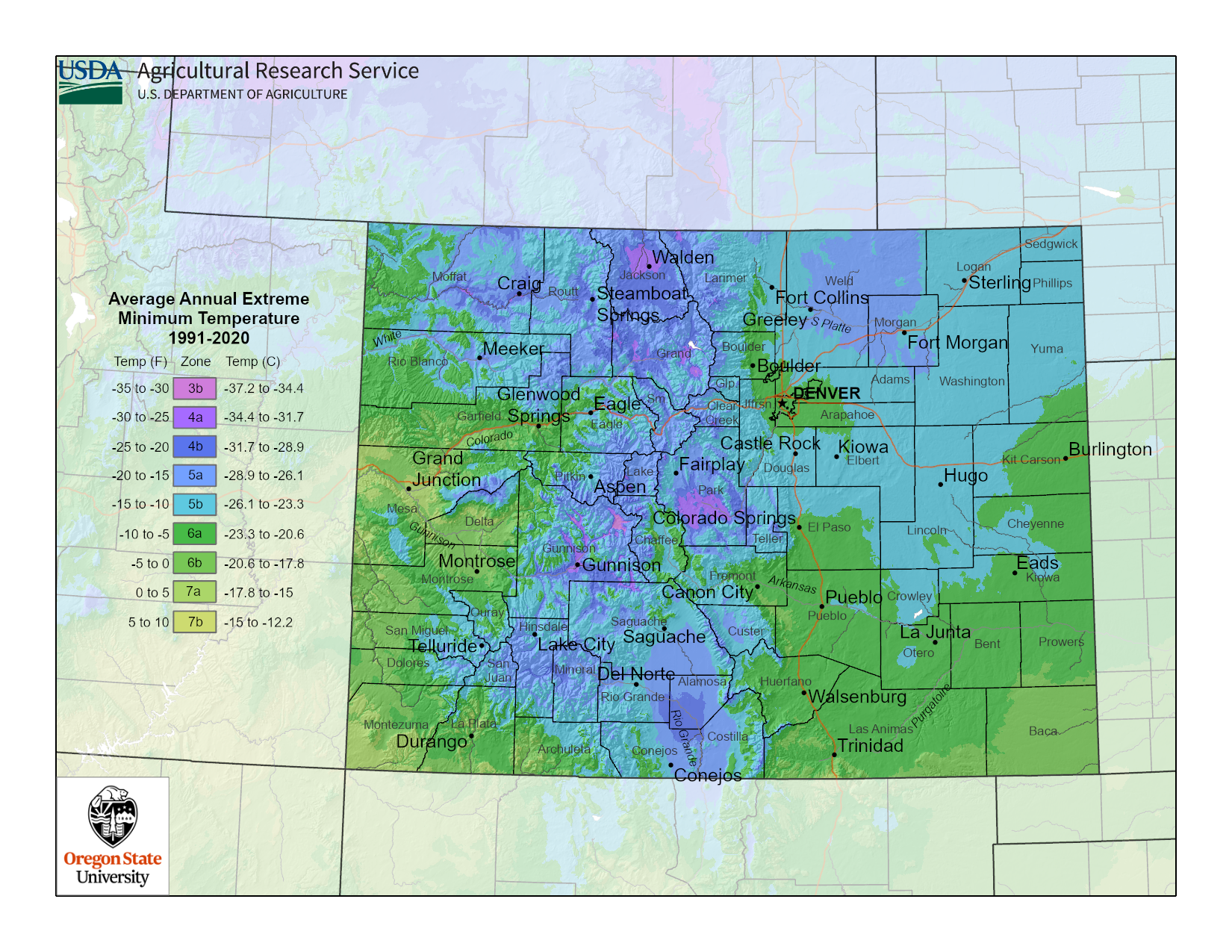
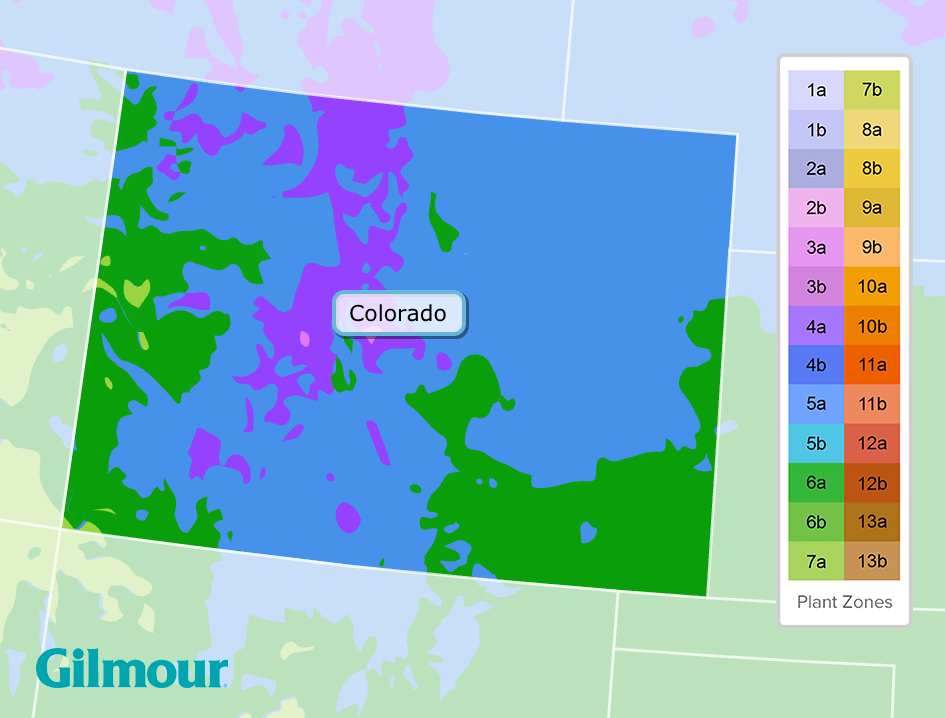
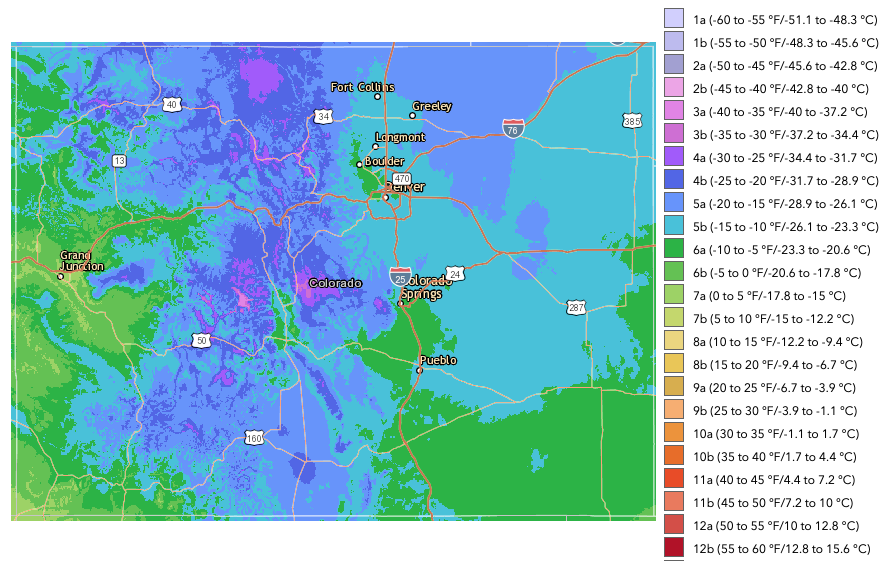
Colorado, a state renowned for its majestic Rocky Mountains and diverse topography, presents a unique challenge and opportunity for gardeners and agricultural enthusiasts. Understanding the planting zones within Colorado is paramount to successful cultivation, impacting everything from the types of vegetables that can thrive to the optimal timing for sowing seeds and transplanting seedlings. These zones, primarily dictated by the United States Department of Agriculture (USDA), are based on average annual minimum winter temperatures, offering a crucial guide for predicting which perennial plants are most likely to survive the winter in a particular location. However, for a state as geographically varied as Colorado, a single zone designation would be an oversimplification. Instead, Colorado is a mosaic of distinct USDA Plant Hardiness Zones, each with its own set of climatic characteristics that influence what can be grown and when.
Understanding USDA Plant Hardiness Zones in Colorado
The USDA Plant Hardiness Zone Map is the cornerstone for any gardener venturing into Colorado. It divides North America into 11 distinct zones, with Zone 1 being the coldest and Zone 11 being the warmest. Each zone is further divided into ‘a’ and ‘b’ sub-zones, representing a 5-degree Fahrenheit difference in average annual minimum winter temperature. For instance, Zone 5a is colder than Zone 5b.
Zone 1: The High Peaks and Extreme Cold
The coldest regions of Colorado, typically found at the highest elevations, fall into Zone 1. These areas, often above 11,000 feet, experience extremely harsh winters with average minimum temperatures dipping to -40°F to -30°F. While this zone is largely unsuitable for traditional agriculture and most annual gardening, it is home to hardy alpine plants and specialized vegetation adapted to extreme cold and short growing seasons. For the adventurous gardener in these areas, success lies in selecting plants that are exceptionally cold-tolerant and have rapid life cycles.
Zones 2 and 3: The Mountain Valleys and High Plains
Moving down in elevation, Colorado encompasses significant portions of Zone 2 and Zone 3. Zone 2, with average minimum temperatures between -30°F and -20°F, and Zone 3, ranging from -20°F to -10°F, are still characterized by severe winters. These zones are often found in mountain valleys, higher elevation plains, and northern reaches of the state. In these areas, gardeners must be mindful of frost dates. The growing season is relatively short, and the risk of late spring frosts and early fall freezes is substantial. However, many hardy vegetables, such as potatoes, carrots, peas, and certain varieties of lettuce and spinach, can be successfully grown if planted after the last frost date. Cold-hardy fruit trees like apples and pears, as well as berries like raspberries and strawberries, can also be cultivated with proper care and site selection.
Zone 4: The Foothills and Western Valleys
A substantial part of Colorado, including much of the Front Range foothills and some western valleys, resides in Zone 4. With average minimum temperatures between -10°F and 0°F, this zone offers a slightly more forgiving climate for a wider range of plants. The growing season is longer compared to Zones 2 and 3, allowing for a broader selection of vegetables and flowers. Many common garden vegetables, including tomatoes, peppers, beans, cucumbers, and squash, can thrive here. It is also a favorable zone for many fruit trees, berries, and a vast array of ornamental shrubs and perennials. However, gardeners in Zone 4 still need to be vigilant about late frosts, which can damage tender young plants.
Zone 5: The Front Range and Eastern Plains
Zone 5, with average minimum temperatures between 0°F and 10°F, represents a significant portion of Colorado, including the more populated areas along the Front Range and much of the eastern plains. This zone provides a relatively mild winter climate for the state, allowing for a diverse gardening landscape. Homeowners in cities like Denver, Boulder, and Fort Collins typically fall within Zone 5a or 5b. This zone supports a wide variety of fruits, vegetables, flowers, and trees. Many varieties of fruit trees, including cherries, peaches, and plums, can be successful, alongside a bounty of common garden vegetables. The longer growing season in Zone 5 means that gardeners have more flexibility in planting times and can often extend their harvest well into the fall.
Zone 6: The Lower Elevations and Protected Valleys
The warmest zones in Colorado, primarily Zone 6 (average minimum temperatures between 10°F and 20°F), are found in the lowest elevation areas, such as parts of the Western Slope and some sheltered river valleys in southern Colorado. These areas, including cities like Grand Junction and Pueblo, experience the mildest winters and the longest growing seasons. This climate allows for the cultivation of a wider array of less hardy plants, including more sensitive fruit varieties, a broader selection of ornamental trees and shrubs, and a more extensive range of annual flowers. Gardeners in Zone 6 have the most flexibility and can experiment with a wider variety of species.
Factors Beyond Temperature: Microclimates and Site Selection
While USDA zones provide a vital framework, they are not the sole determinant of gardening success in Colorado. The state’s dramatic elevation changes and varied terrain create numerous microclimates, which are localized climatic conditions that can significantly differ from the broader zone designation.
Elevation’s Impact
The most obvious factor influencing microclimates in Colorado is elevation. As elevation increases, temperatures generally decrease, and the growing season shortens. A valley floor might be several degrees warmer than a nearby hillside, affecting frost dates and the ability of certain plants to survive.
Sun Exposure and Wind Patterns
Sun exposure plays a critical role. South-facing slopes receive more direct sunlight, leading to warmer soil temperatures and extending the growing season. Conversely, north-facing slopes are cooler and retain more moisture. Wind patterns are also crucial, particularly in the plains where strong winds can desiccate plants, cause physical damage, and lead to greater temperature fluctuations. Creating windbreaks can be essential for protecting vulnerable crops and garden beds.
Soil Type and Drainage
The type of soil and its drainage characteristics are also vital considerations. Colorado soils can range from heavy clay to sandy loam, each with different water-holding capacities and nutrient profiles. Understanding your specific soil type will inform your planting choices and any necessary amendments. Good drainage is paramount, especially in areas with heavy clay soils, to prevent root rot, a common problem for many plants.
Planting Strategies for Colorado’s Zones
Armed with knowledge of Colorado’s planting zones and microclimates, gardeners can develop effective strategies to maximize their success.
Timing is Everything: Frost Dates and Growing Seasons
The most critical aspect of timing is understanding your area’s last average spring frost date and first average fall frost date. These dates define the length of your frost-free growing season. In higher zones with shorter seasons, it’s essential to start seeds indoors early for crops like tomatoes and peppers, or to choose quick-maturing varieties. For cooler zones, selecting cold-hardy crops is key. Conversely, in warmer zones, gardeners can often extend their harvest by planting successive crops and utilizing season-extending techniques.
Choosing the Right Plants for Your Zone
Selecting plants that are hardy to your specific USDA zone is the first step. However, it’s also beneficial to consider specific cultivar recommendations for high-altitude or short-season environments. For example, some tomato varieties are bred to ripen quickly and perform better in cooler climates. Researching plants known to perform well in Colorado’s unique conditions, such as native plants and drought-tolerant species, can also lead to greater success and reduced water usage.
Utilizing Season Extension Techniques
Even in colder zones, techniques like using cold frames, hoop tunnels, or row covers can extend the growing season, allowing for earlier planting and later harvests. Mulching can help retain soil moisture and regulate soil temperature, protecting roots from extreme heat and cold. For vegetables, carefully planned succession planting can ensure a continuous harvest throughout the growing season.
Exploring Colorado’s Agricultural Landscape
Beyond home gardens, Colorado’s diverse zones support a thriving agricultural industry, showcasing the versatility of what can be grown across the state.
Eastern Plains Agriculture
The vast eastern plains of Colorado, largely in Zone 5, are a breadbasket for the state and the nation. This region is renowned for its production of corn, wheat, soybeans, and sugar beets. While large-scale agriculture dominates, smaller farms and ranches also cultivate a variety of fruits and vegetables, benefiting from the longer growing seasons and vast expanses of arable land.
Western Slope’s Fruit Orchards
The Western Slope, with its warmer microclimates in Zone 6 and favorable soil conditions, is Colorado’s premier fruit-growing region. Cities like Grand Junction are synonymous with delicious peaches, apples, pears, and cherries. The region’s arid climate, combined with careful irrigation, allows for the production of high-quality fruits that are a significant part of Colorado’s agricultural output.
Mountain Agriculture and Specialty Crops
At higher elevations, agriculture becomes more specialized. In mountain valleys and foothills (Zones 2-4), hardy crops like potatoes, root vegetables, and certain grains are cultivated. There is also a growing interest in high-altitude specialty crops, such as herbs, medicinal plants, and hardy berries, often grown in smaller, more intensive operations.
Urban Farming and Community Gardens
Even within cities like Denver and Boulder, urban farming and community gardens are flourishing. These initiatives often operate in microclimates created by buildings and paved surfaces, sometimes extending the growing season by a few degrees. They are vital for providing fresh produce, fostering community engagement, and educating residents about food production within their own neighborhoods, regardless of their specific USDA zone.
In conclusion, understanding the planting zones of Colorado is an indispensable first step for anyone seeking to cultivate plants within its borders. By considering the USDA zones, local microclimates, and employing appropriate gardening strategies, individuals can successfully grow a wide array of fruits, vegetables, and ornamental plants, contributing to the state’s rich agricultural heritage and vibrant natural beauty.
LifeOutOfTheBox is a participant in the Amazon Services LLC Associates Program, an affiliate advertising program designed to provide a means for sites to earn advertising fees by advertising and linking to Amazon.com. Amazon, the Amazon logo, AmazonSupply, and the AmazonSupply logo are trademarks of Amazon.com, Inc. or its affiliates. As an Amazon Associate we earn affiliate commissions from qualifying purchases.