
Denver, Colorado, often celebrated as the “Mile High City” for its elevation, is a fascinating intersection of various “zones” that profoundly impact a traveler’s experience. From its unique climate and specific time zone to its distinctive ecological and agricultural classifications, understanding these zones is crucial for anyone planning a visit to this vibrant Western hub. Delving into these geographical and temporal designations reveals not just facts, but also practical implications for what to pack, when to visit, and what activities to prioritize.
Unpacking Denver’s Climate Zone: A High-Desert Experience
While many envision Colorado as solely mountainous, Denver itself sits on the high plains, just east of the Rocky Mountains. This geographical positioning places it firmly within a semi-arid climate zone, a fact that often surprises first-time visitors expecting purely alpine weather. This designation dictates everything from the amount of sunshine to the typical precipitation patterns, shaping the city’s character and outdoor appeal.
Koppen Classification: Semi-Arid Steppe
According to the Koppen Climate Classification system, Denver is classified as a cold semi-arid climate (BSk). This means it receives low precipitation, often less than what would be evaporated from the land, but it also experiences cold winters. The “semi-arid” aspect is critical; despite its proximity to towering peaks, Denver generally enjoys dry air, abundant sunshine (over 300 days a year), and significant diurnal temperature swings. The mountains to the west create a rain shadow effect, blocking moisture-laden air from the Pacific and contributing to its dry conditions. This semi-arid nature means travelers should be prepared for intense sun, low humidity, and a generally dry environment, which can contribute to dehydration and increased susceptibility to sunburn, even in winter.
Seasonal Variations and Traveler Expectations
The semi-arid climate translates into distinct seasons, each offering unique travel experiences.
- Summers (June to August) are warm to hot, with average high temperatures often in the upper 80s°F (around 30-32°C). However, the low humidity often makes these temperatures feel more comfortable than in more humid climates. Evenings cool down considerably, providing pleasant relief. Thunderstorms are common in the late afternoon, but they are typically brief and intense, quickly giving way to sunshine.
- Autumn (September to November) is arguably one of the most picturesque times to visit. The air is crisp, temperatures are mild, and the foliage in the surrounding mountains, particularly the aspens, turns brilliant shades of gold. This is an ideal time for hiking and scenic drives.
- Winters (December to February) in Denver are cold, but not excessively snowy compared to the higher elevations. Snowfalls occur, but the sun often returns quickly, melting snow from streets and sidewalks. Travelers can expect average high temperatures in the 40s°F (around 4-9°C) but also periods of much colder weather. Ski resorts in the Rocky Mountains are easily accessible, making Denver a popular base for winter sports enthusiasts.
- Spring (March to May) is highly unpredictable, with wide temperature swings and the potential for significant late-season snowstorms, sometimes followed by warm, sunny days within hours. This “shoulder season” offers fewer crowds but requires flexible packing.
High Altitude Considerations
Denver’s designation as the “Mile High City” (officially 5,280 feet or 1,609 meters above sea level) places it in a high-altitude zone. This elevation has physiological implications for travelers. Visitors from lower altitudes may experience mild symptoms of altitude sickness, such as shortness of breath, headaches, or fatigue, especially during the first day or two. Staying hydrated, avoiding excessive alcohol, and taking it easy upon arrival are common recommendations. The thinner air also means the sun’s UV rays are more intense, necessitating diligent use of sunscreen and protective clothing year-round.
Denver’s Time Zone: Navigating Mountain Time
For any traveler, understanding the local time zone is fundamental for planning flights, appointments, and activities. Denver, Colorado, operates within the Mountain Time Zone.
Mountain Standard Time (MST) vs. Mountain Daylight Time (MDT)
The Mountain Time Zone observes Mountain Standard Time (MST) during the winter months, which is UTC-7. From early March to early November, it switches to Mountain Daylight Time (MDT), which is UTC-6, to take advantage of longer daylight hours. This seasonal shift means that if you’re planning a trip, especially during the spring or fall, it’s essential to confirm whether daylight saving is in effect to avoid any scheduling mishaps. For instance, MDT is typically one hour behind Central Daylight Time and two hours behind Eastern Daylight Time.
Impact on Travel Planning and Coordination
For travelers flying into Denver International Airport or coordinating with friends and family in other parts of the United States or internationally, being aware of the time difference is crucial. This can affect everything from flight arrival times and hotel check-ins to scheduling virtual meetings or phone calls. When arriving from an eastern time zone, travelers gain an hour or two, which can sometimes ease jet lag. Conversely, arriving from a western time zone may mean losing an hour, requiring adjustments for early morning activities. Many online tools and smartphone apps can help with time zone conversions, ensuring a smooth transition into Denver’s rhythm.
Ecological and Geographical Zones: Gateway to the Rockies
Denver’s unique position as a city situated where the Great Plains meet the Rocky Mountains defines its ecological and geographical zones, offering a distinct landscape that influences everything from urban planning to recreational opportunities. This transition zone is a key aspect of Denver’s appeal as a travel destination.
Front Range Urban Corridor
Denver is the heart of the Front Range urban corridor, a heavily populated area stretching from Fort Collins in the north to Pueblo in the south. This corridor is characterized by its relatively flat terrain, formed by alluvial deposits from ancient rivers, which then dramatically rises into the foothills of the Rocky Mountains to the west. The urban sprawl, while extensive, is constantly defined by the imposing natural boundary of the mountains. This geographical setting provides unparalleled access to both city amenities and natural adventures, often within a short drive.
Transition from Plains to Mountains
Within minutes of leaving downtown Denver, travelers can experience a rapid shift in elevation and landscape. To the east, the landscape extends into the vast, open plains, characterized by grasslands and agriculture. To the west, the gentle slopes quickly give way to the rugged foothills of the Rocky Mountains, eventually leading to the towering peaks of the Continental Divide. This transition zone supports a variety of ecosystems, from semi-arid grasslands to ponderosa pine forests and eventually alpine tundra at higher elevations. This means that travelers can embark on different types of outdoor adventures—from easy walks along the South Platte River trails to challenging mountain hikes—all within proximity to the city.
Biodiversity and Outdoor Activities
The varied ecological zones around Denver support diverse flora and fauna. While the urban core has its own green spaces, venturing into the foothills offers opportunities to spot deer, elk, and a wide array of bird species. The proximity to nature is one of Denver’s biggest draws. Within an hour’s drive, travelers can find numerous state parks and national forests, offering hiking, mountain biking, rock climbing, and scenic drives. Popular spots like Red Rocks Park and Amphitheatre near Morrison, Golden, and Boulder showcase this unique geographical transition, providing stunning views and recreational opportunities that blend plains and mountain environments. In winter, world-class ski resorts like Winter Park, Breckenridge, and Vail are within a couple of hours’ drive, attracting winter sports enthusiasts.
Understanding Denver’s USDA Plant Hardiness Zone
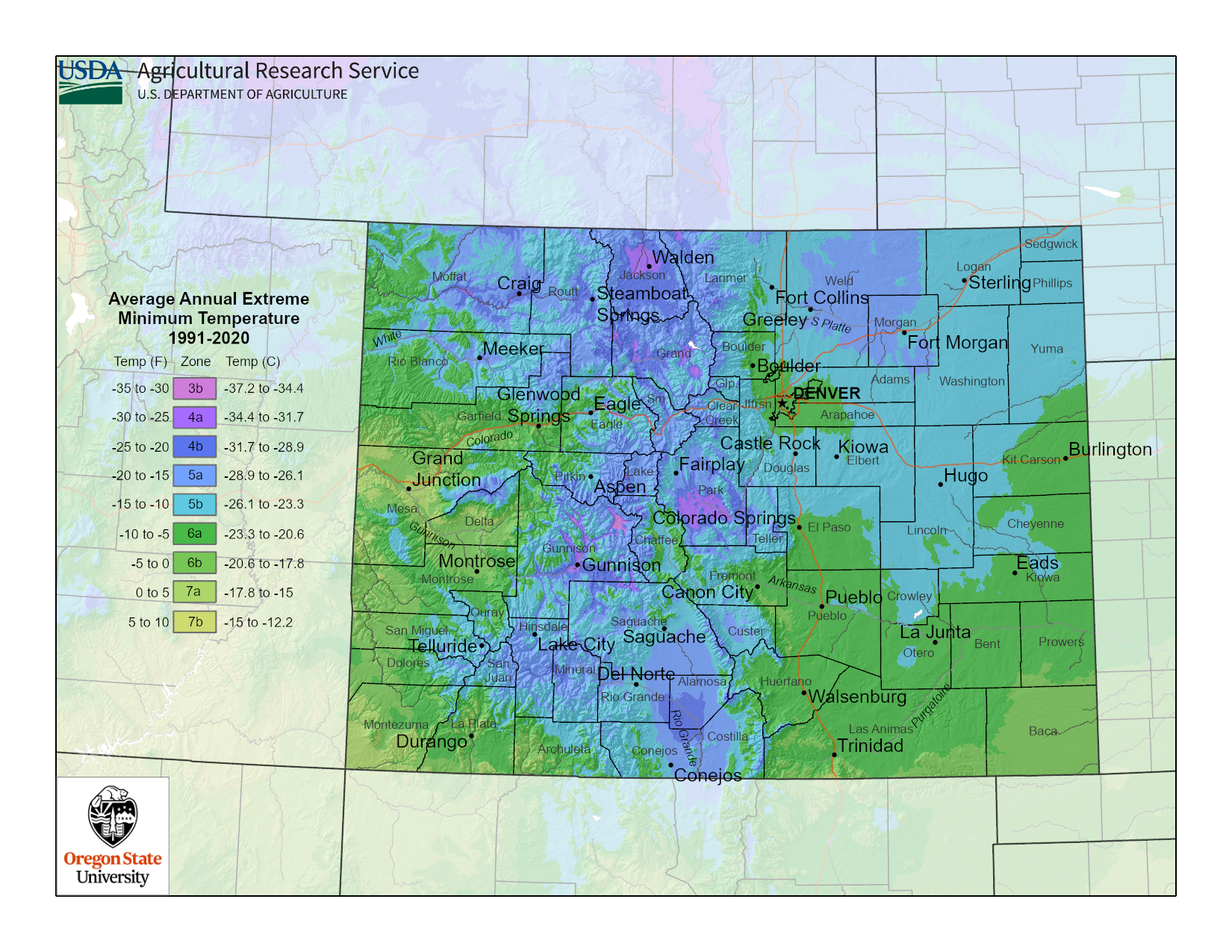
While primarily relevant to gardeners, the United States Department of Agriculture (USDA) Plant Hardiness Zone classification offers an interesting insight into Denver’s microclimate, particularly for travelers interested in local parks, gardens, and the urban landscape. This zone system indicates the average annual extreme minimum winter temperature, providing a benchmark for which plants are likely to survive in a given location.
Implications for Local Flora and Gardens
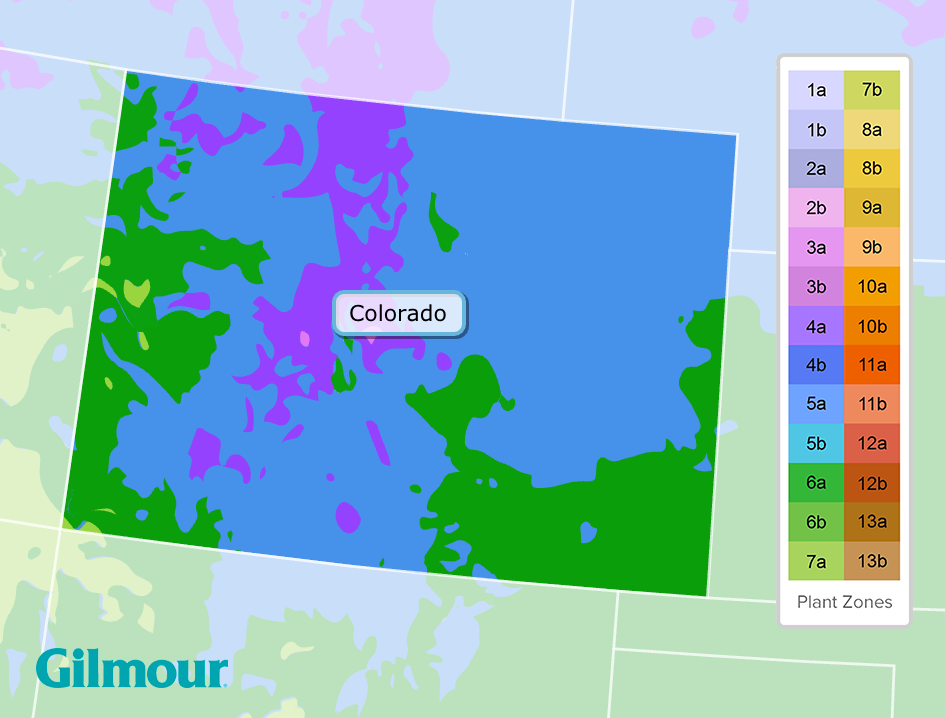
Denver typically falls within USDA Plant Hardiness Zone 5b to 6a, depending on the specific neighborhood and microclimates (urban heat islands, proximity to water bodies). Zone 5b indicates minimum winter temperatures of -15 to -10°F (-26 to -23°C), while 6a is -10 to -5°F (-23 to -21°C). This classification explains why the city can support a surprisingly diverse range of plant life despite its semi-arid climate and cold winters. Drought-tolerant species, native grasses, and specialized varieties of trees and shrubs thrive here. This insight is particularly interesting for visitors exploring city parks, such as City Park or the Denver Botanic Gardens, which showcase how carefully selected flora adapts to and beautifies this high-altitude, semi-arid environment.
Visualizing Denver’s Green Spaces
Understanding the hardiness zone helps travelers appreciate the efforts behind Denver’s urban greenery. The lushness found in established neighborhoods and public parks isn’t accidental; it’s a testament to strategic landscaping, water-wise gardening, and the resilience of plants suited for this specific climate. Visitors to attractions like the Denver Botanic Gardens will find extensive collections of xeriscaped gardens, alpine plants, and hardy varieties that flourish in Denver’s challenging yet rewarding growing conditions. This adds another layer of appreciation for the city’s commitment to creating beautiful, sustainable green spaces.
Denver’s Economic and Cultural Zones
Beyond the natural and temporal classifications, Denver can also be understood through its distinct urban zones, each contributing to the city’s dynamic cultural and economic landscape. These “zones” are more conceptual, referring to neighborhoods and districts that have developed unique characters and purposes, vital for any traveler exploring the city’s diverse offerings.
Urban Planning and Neighborhood Districts
Denver’s urban fabric is a mosaic of distinct neighborhoods, each with its own vibe and attractions. The downtown core, for instance, includes the historic LoDo (Lower Downtown) district, characterized by beautifully preserved Victorian-era buildings now housing trendy restaurants, bars, and boutiques. Nearby, Union Station serves as a modern transportation hub and a destination in itself, replete with shops and eateries. Areas like RiNo (River North Art District) represent the city’s artistic zone, with vibrant murals, galleries, and studios in former industrial buildings. Cherry Creek North is known as Denver’s upscale shopping and dining district, offering a luxurious experience. These distinct zones are products of historical development, urban renewal, and community identity, each inviting exploration.

Arts, Culture, and Entertainment Hubs
Denver boasts several cultural zones dedicated to arts and entertainment. The Golden Triangle Creative District is home to major institutions like the Denver Art Museum, the Clyfford Still Museum, and the Denver Public Library, making it a central point for art and intellectual engagement. The Denver Performing Arts Complex hosts Broadway shows, ballet, opera, and symphony performances, establishing a zone for live entertainment. For sports enthusiasts, the areas around Coors Field (baseball) and Ball Arena (basketball and hockey) become lively sports zones during game days. These cultural and entertainment zones are not just geographical areas but also represent the city’s commitment to enriching its residents’ and visitors’ lives with diverse experiences, cementing Denver’s reputation as a culturally rich and dynamic travel destination.
LifeOutOfTheBox is a participant in the Amazon Services LLC Associates Program, an affiliate advertising program designed to provide a means for sites to earn advertising fees by advertising and linking to Amazon.com. Amazon, the Amazon logo, AmazonSupply, and the AmazonSupply logo are trademarks of Amazon.com, Inc. or its affiliates. As an Amazon Associate we earn affiliate commissions from qualifying purchases.