
The Sunshine State, with its diverse landscapes, from the subtropical embrace of the Everglades to the sandy shores of the Panhandle, presents a fascinating question for horticultural enthusiasts and travelers alike: “What zone is Florida for plants?” The answer isn’t a simple, single designation, but rather a nuanced understanding of the state’s varied microclimates and the official USDA Plant Hardiness Zones that guide gardeners and landscapers. Understanding these zones is crucial for anyone planning a trip to Florida and hoping to appreciate its unique botanical tapestry, whether they’re visiting a renowned botanical garden, exploring a natural park, or even just observing the flora in their hotel’s courtyard.
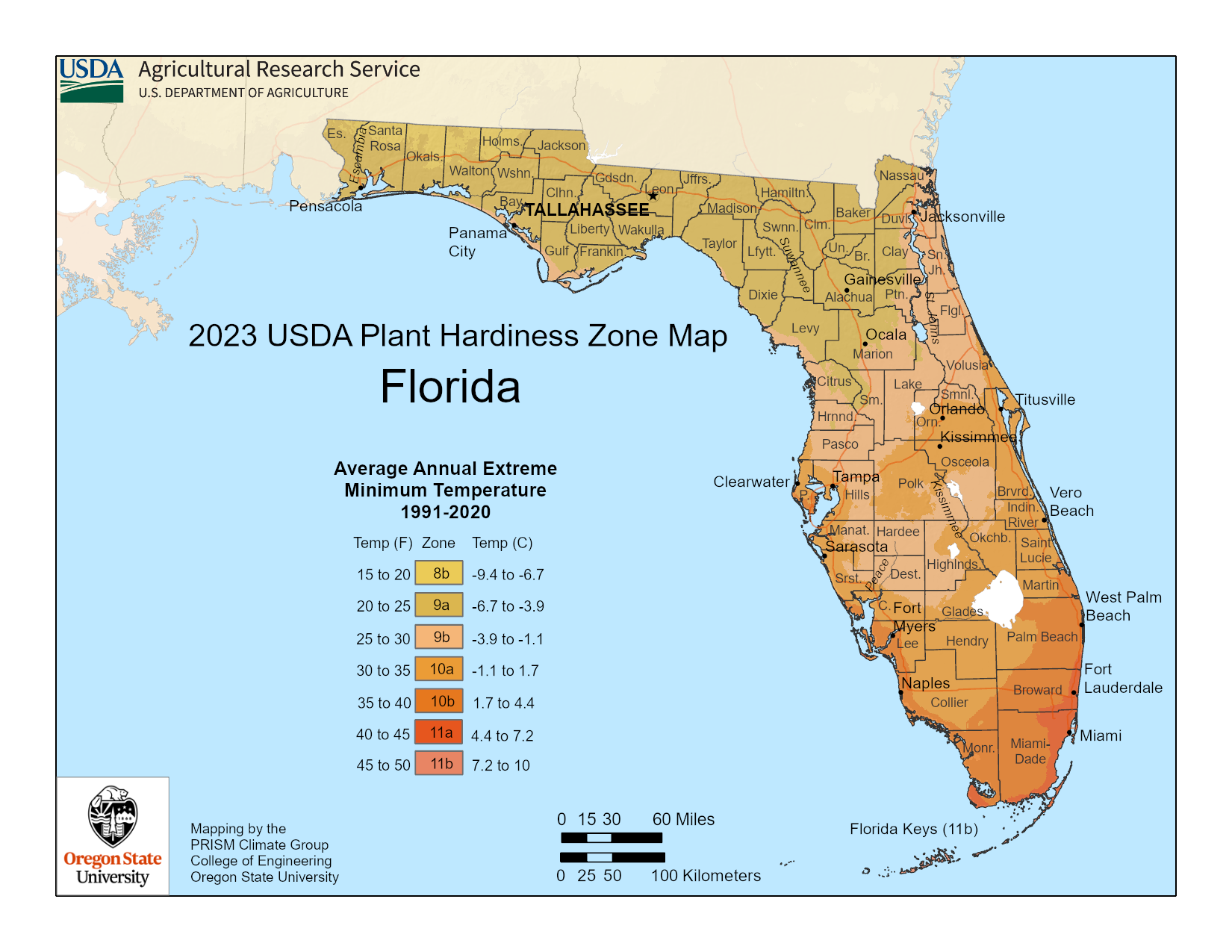
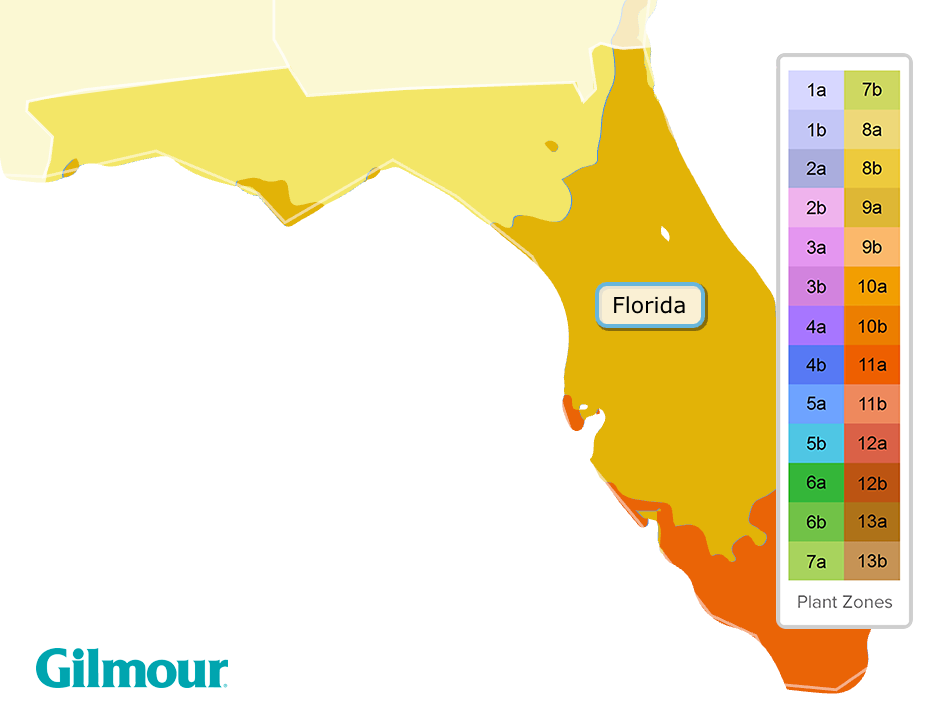
Florida’s plant hardiness zones are primarily determined by the average annual minimum winter temperature. This metric is vital for predicting which perennial plants will survive the winter in a given location. For Florida, this means a range of zones, predominantly falling within the warmer spectrum. The majority of the state is situated in USDA Hardiness Zones 9b, 10a, and 10b. However, the northernmost parts, especially the Panhandle, can dip into Zone 8b, while the Florida Keys and the southernmost tip of mainland Florida reach into Zone 11a. This geographical spread in hardiness zones is a direct reflection of Florida’s latitude and its proximity to the warm waters of the Atlantic Ocean and the Gulf of Mexico.
Understanding Florida’s Plant Hardiness Zones
The United States Department of Agriculture (USDA) divides the country into ten different hardiness zones, each representing a 10-degree Fahrenheit difference in average annual minimum winter temperature. Zone 1 is the coldest, and Zone 10 and 11 are the warmest. For Florida, this translates to a much milder winter than most of the continental United States, allowing for a much wider array of plant life to thrive year-round.
Zone 8b: The Northernmost Reach
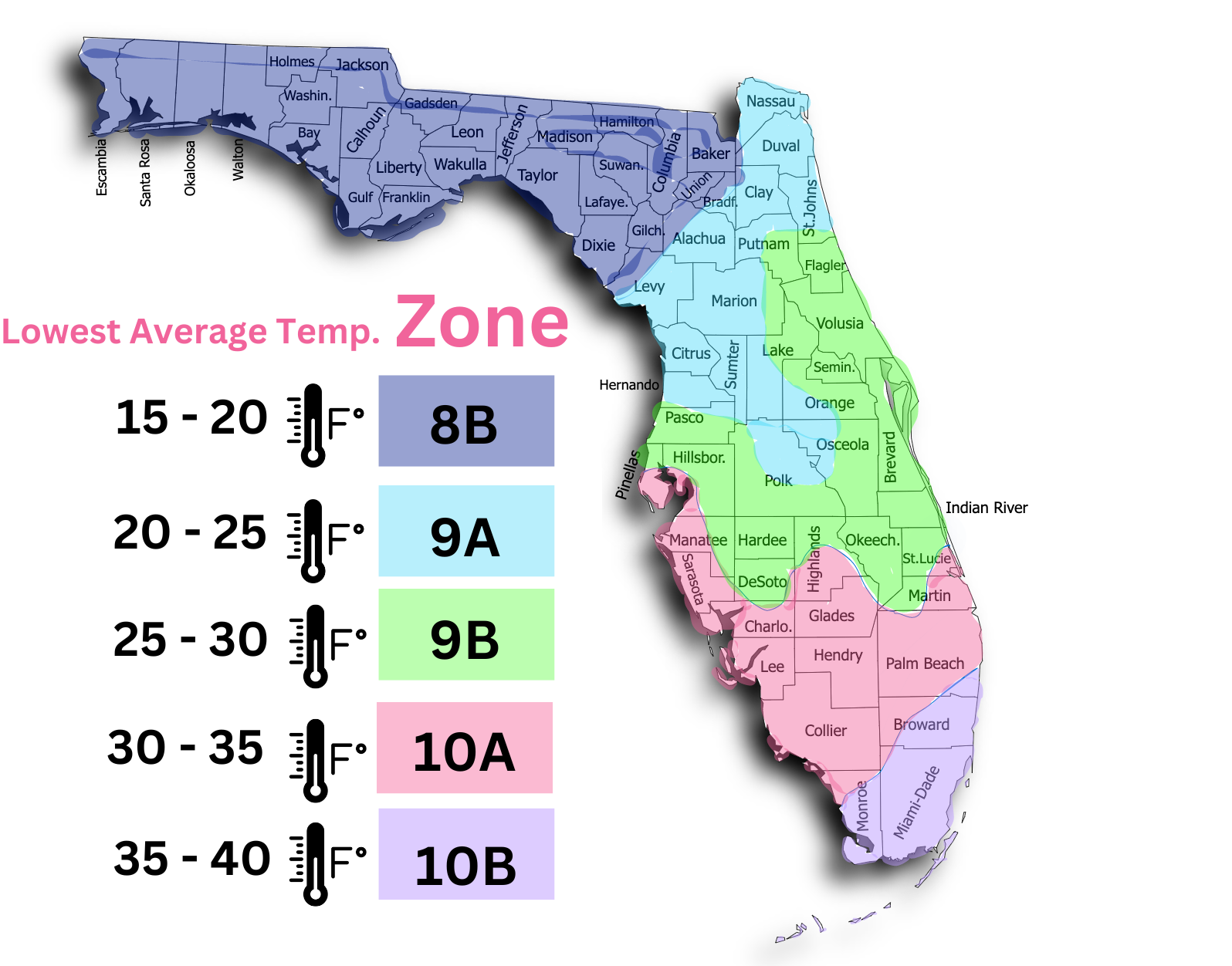
The northernmost section of Florida, primarily the Panhandle and extending slightly inland, falls into Zone 8b. Here, the average annual minimum winter temperature is between 15 to 20 degrees Fahrenheit. While still relatively warm compared to many other parts of the country, this zone experiences occasional dips below freezing. This means that while many subtropical plants can survive, those extremely sensitive to frost might struggle without protection. Visitors exploring cities like Tallahassee or the scenic beaches of Destin might notice a plant palette that includes more hardy evergreen trees, some deciduous varieties, and a greater reliance on plants that can tolerate cooler spells. This zone is ideal for those who enjoy the beauty of plants that can handle a bit of chill, perhaps a landscape featuring azaleas and camellias that bloom in the cooler months, or citrus trees that can be protected if a severe freeze is anticipated.
Zone 9b: Central Florida’s Embrace
Moving south, the majority of Central Florida, including popular tourist destinations like Orlando and Tampa, resides within Zone 9b. In this zone, the average annual minimum winter temperature ranges from 25 to 30 degrees Fahrenheit. This offers a more forgiving climate for a vast selection of subtropical flora. Gardens and landscapes here often feature a vibrant mix of flowering shrubs, palm trees, and fruit-bearing trees that are less susceptible to frost damage. When visiting an attraction like Walt Disney World Resort or exploring the citrus groves near Lakeland, you’ll likely encounter a lush environment where many tropical plants can thrive with minimal intervention. This zone is perfect for year-round gardening and allows for a diverse range of tropical and subtropical species to flourish, creating the iconic, verdant scenery many associate with Florida.
Zones 10a and 10b: South Florida’s Tropical Haven
As we venture further south, the climate becomes decidedly more tropical. Much of South Florida, encompassing areas from Sarasota down to the outskirts of Miami, falls into Zone 10a and 10b. Here, the average annual minimum winter temperatures are between 30 to 40 degrees Fahrenheit. Freezing temperatures are exceptionally rare, allowing for the cultivation of a wide array of true tropical plants. This is where you’ll find the most diverse displays of orchids, bromeliads, exotic palms, and fruit trees like mangoes and avocados thriving outdoors year-round. Destinations like the Naples Botanical Garden or the vibrant landscapes surrounding resorts in Fort Lauderdale are prime examples of the botanical richness found in these warmer zones. The constant warmth fosters continuous blooming and growth, making these areas a gardener’s paradise and a stunning visual spectacle for any traveler.
Zone 11a: The Extreme South and Keys
The southernmost regions of mainland Florida, including Miami-Dade County, and extending out to the Florida Keys, are classified as Zone 11a. This is the warmest zone in the continental United States, with average annual minimum winter temperatures ranging from 40 to 45 degrees Fahrenheit. In this zone, frost is virtually non-existent, opening the door to the most sensitive tropical species. Think of the lush, almost jungle-like environments you might find on an island tour of the Keys or within the botanical gardens of Miami. Here, plants that would quickly perish in cooler climates can thrive and reproduce, creating a truly exotic and vibrant botanical experience. When staying at a luxury resort in Key West or exploring the natural beauty of Biscayne National Park, you are immersing yourself in a climate that supports the most delicate and visually stunning tropical flora.
Factors Influencing Plant Life Beyond Hardiness Zones
While USDA Plant Hardiness Zones provide a foundational understanding of what plants can survive Florida’s winters, several other factors contribute to the state’s unique botanical character and influence plant success. These include rainfall patterns, soil types, and the ever-present influence of coastal conditions.
Rainfall and Humidity: The Lifeblood of the Landscape
Florida’s climate is characterized by distinct wet and dry seasons, heavily influenced by tropical weather patterns. The southeastern part of the state, particularly the areas within Zone 10a and 10b, receives substantial rainfall, especially during the summer months when afternoon thunderstorms are common. This consistent moisture is crucial for the lush vegetation found in regions like the Everglades National Park. The high humidity levels also play a significant role, supporting plants that thrive in moist environments, such as many species of ferns and tropical flowers. This abundance of water is a key reason why many plants that require consistently moist conditions flourish here, and why water management is a critical aspect of gardening and agriculture across the state. For travelers exploring these areas, the pervasive greenery is a testament to the interplay of warm temperatures and ample precipitation.
Soil Diversity: From Sandy Loams to Calcareous Rock
The soil types across Florida are as varied as its landscapes. In the northern and central parts of the state, sandy soils are prevalent, particularly in areas like the Ocala National Forest. These soils tend to drain quickly, which can be a challenge for moisture-loving plants but is ideal for drought-tolerant species. Further south, especially in South Florida and the Keys, the soils are often alkaline and derived from coral rock, creating a calcareous environment. This unique soil composition supports a distinct set of plant communities adapted to these conditions. For instance, the resilience of plants in the Dry Tortugas National Park is a testament to their adaptation to these challenging, yet specific, soil environments. Understanding these soil differences is vital for appreciating why certain plants thrive in one area of Florida and not another, and it’s a factor that often surprises visitors who might assume a uniform environment across the state.
Coastal Influences: Salt Tolerance and Wind Resistance
Florida’s extensive coastline, bordering both the Atlantic Ocean and the Gulf of Mexico, introduces another layer of environmental influence on plant life. Coastal areas often experience salt spray, high winds, and sandy, well-draining soils. Plants that thrive in these environments, such as sea oats along the beaches of Clearwater or mangroves along the southern coastlines, have developed specific adaptations to tolerate these challenging conditions. These salt-tolerant and wind-resistant species are crucial for stabilizing dunes and providing vital habitats. When exploring the beaches of Siesta Key or taking a boat tour through the coastal mangroves near Sanibel Island, the unique flora you encounter is a direct result of these maritime influences, showcasing nature’s ability to adapt to even the harshest coastal elements.
Cultivating Florida’s Botanical Wonders: Tips for Travelers and Gardeners
Whether you’re a seasoned gardener or a curious traveler, understanding Florida’s plant zones and environmental factors can greatly enhance your appreciation for the state’s natural beauty. Planning your visits to coincide with peak bloom times or choosing accommodations with lush, well-maintained gardens can add another dimension to your experience.
Planning Your Horticultural Adventures
For those interested in exploring Florida’s botanical diversity, timing is key. Spring and fall generally offer the most pleasant weather for exploring outdoor attractions and gardens across most of the state, minimizing the impact of extreme summer heat or occasional winter chills. Visiting the Bok Tower Gardens in Lake Wales during the spring can reveal a spectacular display of azaleas and other blooming perennials. In South Florida, many tropical plants bloom year-round, making any season a good time to witness their vibrant colors, though the slightly cooler, drier winter months (often within Zone 10a and 10b) can be particularly comfortable for exploration. Researching specific attractions like the Fairchild Tropical Botanic Garden in Coral Gables or the numerous state parks can provide insights into seasonal highlights and optimal visiting times.
Choosing Accommodation Wisely
Your choice of accommodation can also offer a gateway to experiencing Florida’s flora. Many resorts, particularly luxury properties, invest heavily in landscaping that showcases the best of the local and tropical plant life. Imagine waking up at a beachfront hotel in Miami Beach and stepping out onto a balcony overlooking palm trees and vibrant hibiscus, or staying at a charming inn near the St. Augustine historic district, surrounded by flowering shrubs and mature live oaks. Even budget-friendly accommodations often feature gardens that reflect the local plant hardiness zone. Look for hotels and resorts that emphasize their gardens or outdoor spaces in their descriptions. This can transform a simple stay into an immersive botanical experience, allowing you to enjoy the beauty of Florida’s plants right at your doorstep, whether you’re in the warmer climes of Zone 10b or the slightly cooler Zone 8b.
Gardening in the Sunshine State
For those who call Florida home or are considering a longer stay, understanding these zones is fundamental for successful gardening. Choosing plants that are native to Florida or well-suited to your specific hardiness zone will lead to healthier, more sustainable gardens. Resources from the University of Florida IFAS Extension are invaluable for local gardening advice, covering everything from soil amendment to pest control for specific plant species thriving in zones like 9b or 10a. By aligning your planting choices with the natural conditions of your area, you can cultivate a beautiful and resilient landscape that complements the overall charm of the Sunshine State, creating an outdoor living space that is both aesthetically pleasing and ecologically sound. Whether you’re aiming for a vibrant flower bed or a productive fruit tree orchard, a good understanding of Florida’s plant zones is the first step towards horticultural success.
LifeOutOfTheBox is a participant in the Amazon Services LLC Associates Program, an affiliate advertising program designed to provide a means for sites to earn advertising fees by advertising and linking to Amazon.com. Amazon, the Amazon logo, AmazonSupply, and the AmazonSupply logo are trademarks of Amazon.com, Inc. or its affiliates. As an Amazon Associate we earn affiliate commissions from qualifying purchases.