
Florida, often affectionately known as the Sunshine State, is far more complex than its popular image suggests. Beyond its renowned beaches and theme parks, Florida is a captivating mosaic of environments, cultures, and experiences, each defined by distinct “zones.” From the specific climate conditions that dictate its unique flora to the time zones that divide its bustling cities, and the hurricane zones that shape its resilience, understanding Florida’s various classifications is key to appreciating its multifaceted charm. For travelers, hoteliers, and anyone interested in tourism, accommodation, or the diverse lifestyles it offers, comprehending these zones unlocks a deeper understanding of what makes Florida a premier destination.
This comprehensive guide delves into the multiple “zones” that define Florida, exploring how they influence everything from travel planning and ideal vacation spots to the types of accommodation available and the unique cultural experiences visitors can enjoy. Whether you’re planning a family trip, seeking a luxurious escape, considering a long-term stay, or simply curious about the state’s natural heritage, unraveling Florida’s zonal distinctions will illuminate the incredible diversity that awaits.
Florida’s Climate and Botanical Zones: A Gardener’s Paradise
Perhaps the most common interpretation of “What zone is Florida?” pertains to its climate and the corresponding plant hardiness. Florida’s position in the southeastern United States, bordered by the Atlantic Ocean to the east and the Gulf of Mexico to the west, grants it a humid subtropical climate across much of the state, transitioning to a tropical climate in its southern reaches. This unique geographical and meteorological blend supports an astonishing array of plant life, making it a dream destination for nature lovers and a challenging yet rewarding landscape for horticulturists.
USDA Plant Hardiness Zones
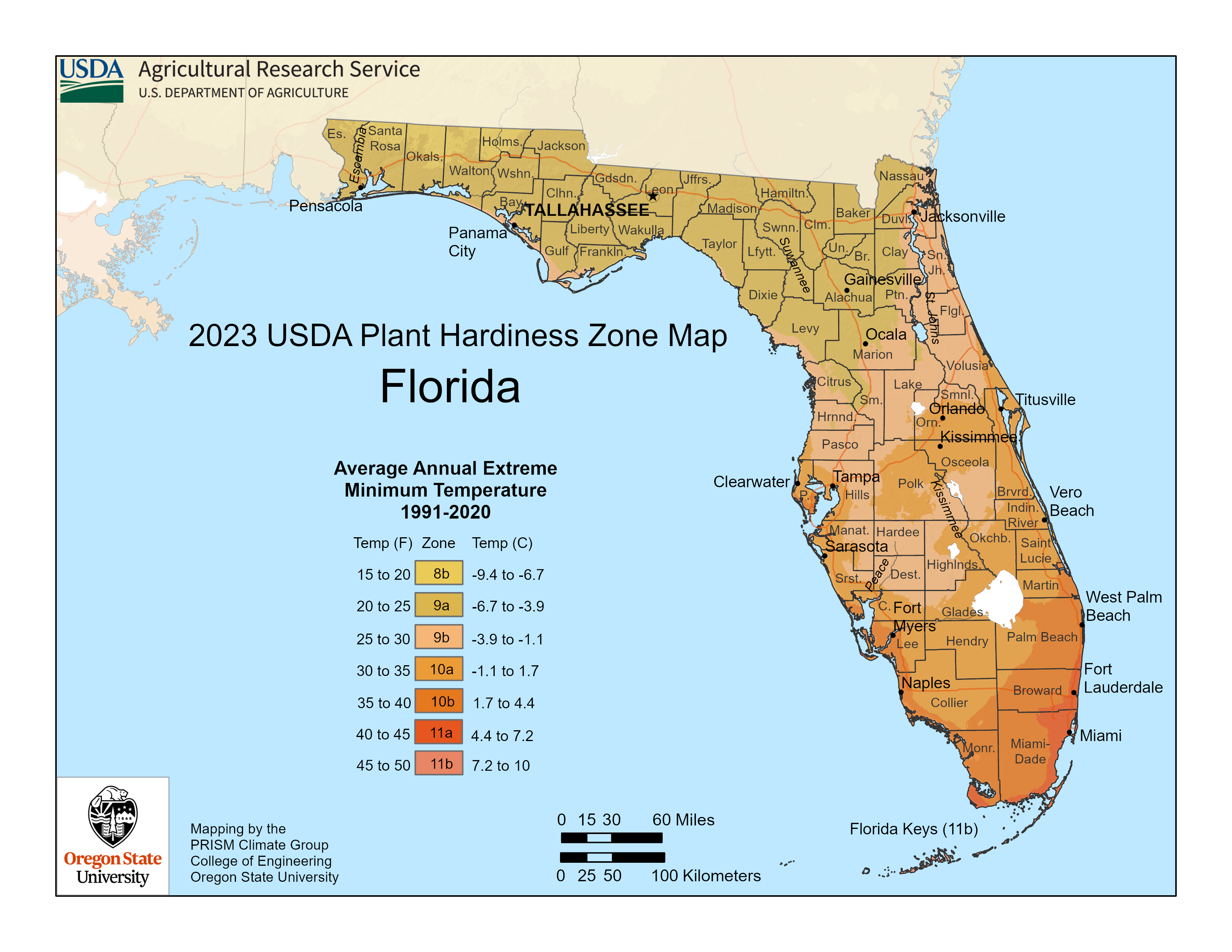
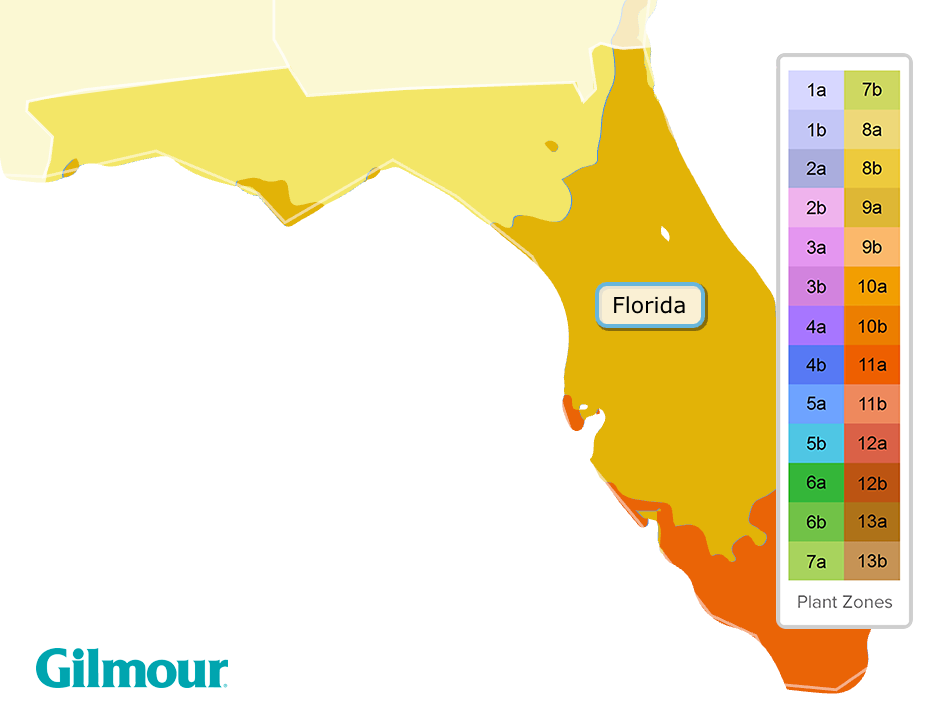
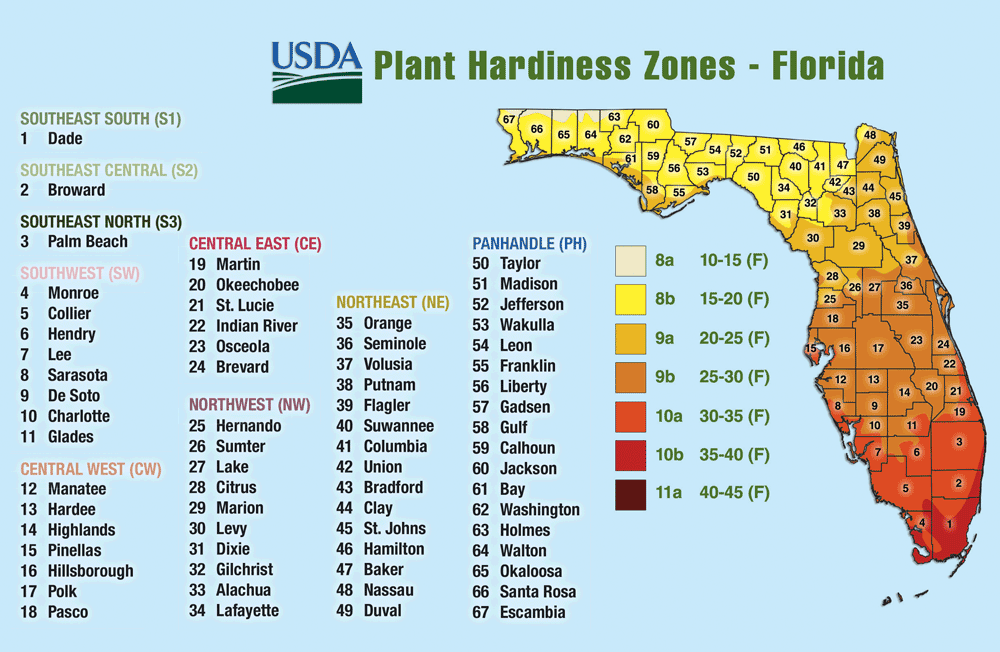
The USDA Plant Hardiness Zone Map is a crucial tool for gardeners and agriculturalists, dividing North America into zones based on the average annual extreme minimum winter temperature. Florida spans a remarkable range, primarily from Zone 8a in the northernmost Panhandle to Zone 11b in the Florida Keys.
- North Florida (Zones 8a-9a): Areas like Tallahassee and Jacksonville experience cooler winters, allowing for temperate zone plants such as certain oaks, magnolias, and even some fruit trees like peaches and blueberries. This region often exhibits a more traditional four-season feel, albeit with milder winters compared to states further north.
- Central Florida (Zones 9b-10a): Cities such as Orlando, Tampa, and St. Petersburg fall into this category, benefiting from milder winters that support a vibrant mix of subtropical and tropical plants. Here, travelers will encounter palms, citrus groves, and a lush array of flowering shrubs year-round. Resorts and hotels in this zone often boast beautifully landscaped gardens, enhancing the luxury travel experience.
- South Florida (Zones 10b-11b): Encompassing areas like Miami, Fort Lauderdale, Naples, and the Florida Keys, this region enjoys true tropical conditions, with frost being an exceedingly rare occurrence. This allows for the proliferation of truly tropical species, including vibrant bougainvillea, exotic fruit trees like mango and avocado, and a breathtaking diversity of orchids. The natural beauty of these zones is a major draw for tourism, showcasing landmarks like Everglades National Park and the unique marine ecosystems around the Keys.
Beyond Hardiness: Microclimates and Ecosystems
Florida’s climatic zones also dictate its rich tapestry of ecosystems. The northern zones feature pine flatwoods and hardwood hammocks, while central areas are characterized by extensive wetlands and citrus groves. South Florida is home to the unparalleled Everglades National Park, a vast subtropical wilderness of sawgrass marshes, cypress swamps, and mangrove forests, hosting an incredible array of wildlife including alligators, panthers, and diverse bird species.
Understanding these botanical zones enriches the travel experience, guiding visitors to specific natural attractions and helping them appreciate the local culture tied to the land. From exploring botanical gardens and state parks to sampling local produce and experiencing ecotourism activities, Florida’s climate zones are fundamental to its appeal as a destination for both adventure and relaxation.
Navigating Time and Tides: Time Zones and Hurricane Preparedness
Beyond its climatic classifications, Florida is also defined by time and the powerful natural forces of its environment. For anyone planning a visit or considering a long-term stay, understanding the state’s time zones and its hurricane zones is crucial for seamless travel and safe accommodation.
The Eastern and Central Time Divide
Most of Florida operates within the Eastern Time Zone (ET), which aligns with major cities like New York City and Washington, D.C.. This includes popular destinations such as Orlando, Miami, Tampa, and the entire Florida Keys. However, a segment of Florida, specifically the western part of the Florida Panhandle, observes the Central Time Zone (CT). This includes counties west of the Apalachicola River, encompassing cities like Pensacola and Destin.
This time zone split is important for travelers, especially those driving across the state or flying into regional airports. Misunderstanding the time difference can lead to missed flights, appointments, or simply confusion about local event timings. Travel guides often highlight this distinction to ensure visitors can plan their itineraries smoothly, from booking hotel check-ins to scheduling attraction visits. It’s a minor detail that can significantly impact a business stay or a tightly scheduled family trip.
Understanding Florida’s Hurricane Zones and Seasons
Florida’s coastal location makes it susceptible to tropical storms and hurricanes, particularly during the official hurricane season from June 1st to November 30th, with peak activity typically in August and September. While the entire state is technically within a potential hurricane zone, certain areas are more vulnerable due to their geography and elevation.
- Coastal Vulnerability: Low-lying coastal areas and islands, such as the Florida Keys, barrier islands along the Gulf of Mexico and Atlantic Ocean (e.g., South Beach in Miami, Clearwater Beach), and areas prone to storm surge, face the highest risks. These regions often have established evacuation zones, which are categorized based on flood risk.
- Inland Resilience: Inland cities like Orlando are less directly impacted by storm surge but can experience significant wind damage, heavy rainfall, and potential flooding. Infrastructure in these areas is generally built to withstand strong winds, and many resorts and hotels have robust hurricane preparedness plans.
For tourism and accommodation, understanding these zones is paramount. Many hotels and resorts offer flexible cancellation policies during hurricane season, and reputable travel providers issue advisories. Visitors considering a long-term stay or purchasing property in Florida must be keenly aware of these risks and the associated insurance and safety protocols. Staying informed through local news and official emergency management websites is a vital tip for any traveler to the Sunshine State during these months, ensuring a safe and enjoyable experience regardless of the weather.
Florida’s Tourism Zones: A Mosaic of Experiences
Florida’s allure as a travel destination is undeniable, and much of its success stems from its ability to offer distinct tourism experiences across different regions, effectively creating a series of “tourism zones.” Each zone boasts unique attractions, local culture, and hospitality options tailored to diverse preferences, from family trips to luxury escapes.
The Enchantment of Central Florida
Often considered the heart of Florida’s tourism industry, Central Florida is synonymous with world-class entertainment. The city of Orlando is the epicenter, home to iconic landmarks that draw millions annually.
- Theme Park Capital: Walt Disney World Resort and Universal Orlando Resort are the crown jewels, offering immersive experiences, thrilling rides, and unparalleled family fun. Beyond these giants, SeaWorld Orlando and LEGOLAND Florida Resort in nearby Winter Haven add to the diverse attractions.
- Accommodation Hub: The area around Kissimmee and Orlando is a hotbed for hotels, resorts, apartments, and villas, catering to every budget and style. From luxury hotels with extensive amenities to budget-friendly suites and spacious vacation rentals perfect for family trips or long-term stays, options abound.
- Beyond Theme Parks: The Space Coast, centered around Kennedy Space Center Visitor Complex in Titusville and the beaches of Cocoa Beach, offers a different kind of adventure, blending history, science, and sun-soaked relaxation.
Coastal Charms and Urban Vibrancy
Florida’s extensive coastline is dotted with vibrant cities and tranquil beaches, each offering a distinct flavor.
- Southeast Florida (Miami & Fort Lauderdale): This zone pulses with an energetic blend of international culture, luxurious lifestyle, and stunning urban landscapes. Miami is famed for its Art Deco Historic District, electrifying nightlife, and beautiful South Beach. Fort Lauderdale, often called the “Venice of America,” is known for its intricate canal system and upscale shopping. This region offers a plethora of luxury travel options, from boutique hotels to five-star resorts and exclusive villas, catering to a sophisticated clientele seeking a blend of cultural immersion and high-end amenities.
- Southwest Florida (Tampa, St. Petersburg & Sarasota): On the Gulf Coast, cities like Tampa and St. Petersburg offer a mix of cultural attractions, historical landmarks, and beautiful beaches. Busch Gardens Tampa Bay provides adventure, while the Salvador Dalí Museum in St. Petersburg caters to art enthusiasts. Sarasota is renowned for its cultural institutions and stunning Siesta Key Beach. This zone is excellent for family trips, budget travel, and those seeking a more relaxed coastal experience with access to rich arts scenes and gourmet food.
The Allure of the Panhandle and North Florida
The Florida Panhandle and North Florida offer a different side of the Sunshine State, characterized by Southern charm, historical depth, and pristine natural beauty.
- Historic Riches: St. Augustine, the nation’s oldest continuously inhabited European-established settlement, is a major landmark here, boasting the Castillo de San Marcos and a charming Historic District. Tallahassee, the state capital, offers insights into Florida’s political history and beautiful natural landscapes.
- Emerald Coast: The beaches of the Panhandle, often referred to as the Emerald Coast, are famous for their sugar-white sand and clear, emerald-green waters. Destinations like Pensacola, Destin, and Panama City Beach are popular for family vacations, fishing, and watersports, with a wide array of accommodation options from beach villas to family-friendly resorts. This zone often offers great value for budget travel without sacrificing beauty.
The Unique Ecosystems of South Florida
The southernmost tip of Florida presents a truly unique zone, defined by its extraordinary natural environments and laid-back island culture.
- Everglades and the Keys: Everglades National Park is a vital natural landmark, a designated UNESCO World Heritage Site, offering airboat tours and wildlife viewing. Further south, the Florida Keys stretch like a pearl necklace into the ocean, culminating in Key West. This tropical paradise is known for its vibrant local culture, unique cuisine, historic architecture, and incredible snorkeling and diving opportunities. Landmarks like Bahia Honda State Park and the remote Dry Tortugas National Park (home to Fort Jefferson) offer unparalleled natural beauty and history. Accommodation here ranges from charming guesthouses and boutique hotels to luxury resorts, perfect for an intimate getaway or an adventurous experience.
These tourism zones highlight Florida’s incredible diversity, ensuring that every traveler, regardless of their interests or budget, can find their ideal experience within the Sunshine State.
Lifestyle and Economic Zones: Beyond the Tourist Trail
While tourism is a cornerstone of Florida’s economy and identity, the state is also segmented by other “zones” that impact the lifestyle of its residents and visitors, from agricultural output to popular retirement havens. These zones influence not just what you see, but how people live and experience Florida beyond the typical vacation.
Agricultural Zones and Local Produce
Florida’s varied climate zones directly contribute to its status as a significant agricultural producer. Different regions specialize in different crops, creating distinct agricultural zones that support local economies and enrich the state’s culinary scene.
- Citrus Belt: Central and Southwest Florida have historically been the heart of Florida’s citrus industry, producing oranges, grapefruits, and tangerines. While development has impacted some groves, areas around Lakeland and Fort Myers still feature extensive citrus production. Visitors can experience local culture through farm tours and fresh juice stands, making for an authentic tourism experience.
- Vegetable and Sugarcane Production: South Florida, particularly around Lake Okeechobee and the Everglades Agricultural Area, is a major hub for sugarcane, winter vegetables, and tropical fruits. This rich farming land provides a significant portion of the nation’s fresh produce during cooler months. This impacts local food scenes, allowing for fresh, seasonal ingredients in restaurants and markets, enriching the culinary aspect of travel.
- Aquaculture and Seafood: Florida’s extensive coastline and numerous inland waterways also support vibrant aquaculture and fishing industries. From the oyster beds in the Florida Panhandle to the stone crab fisheries of Southwest Florida and the abundant seafood along both coasts, these maritime zones ensure a constant supply of fresh, local seafood, a highlight for any food-focused traveler.
Retirement and Relocation Hotspots
Florida has long been a magnet for retirees and those seeking a lifestyle change, leading to the development of distinct demographic and lifestyle zones.
- Retirement Communities: Areas like The Villages in Central Florida and numerous communities along the Gulf Coast (e.g., Sarasota, Naples) are prime examples of zones catering specifically to active adults. These areas offer comprehensive amenities, from golf courses and recreational facilities to specialized healthcare, appealing to those considering long-term stays or permanent relocation.
- Family-Friendly Suburbs: Cities like Orlando, Tampa, and Jacksonville boast expanding suburban zones that attract families and young professionals with their job opportunities, good schools, and diverse housing options, from modern apartments to spacious villas. This contributes to a different kind of “lifestyle travel,” where visitors might explore neighborhoods as potential future homes.
- Luxury Living: Exclusive enclaves in Palm Beach, Miami Beach, and Naples cater to a luxury lifestyle, featuring high-end real estate, exclusive resorts, and world-class shopping and dining experiences. These zones represent the pinnacle of luxury travel and permanent upscale living.
Understanding these lifestyle and economic zones provides a more holistic view of Florida, highlighting the diverse opportunities for both short-term visits and long-term residency. Whether it’s exploring the unique agricultural practices, experiencing the vibrant community life of a retirement haven, or envisioning a future in one of its bustling cities, Florida offers a multitude of life experiences shaped by its distinct zonal characteristics.
Conclusion
To answer the question, “What zone is Florida?”, one must acknowledge its multifaceted nature. Florida is not just one zone, but a captivating interplay of many. It is a subtropical and tropical climate zone, supporting an incredible diversity of plant life and ecosystems that draw nature enthusiasts and gardeners alike. It is a state bisected by time zones, requiring careful planning for seamless travel. It is a series of hurricane zones, demanding awareness and preparedness from residents and visitors. Most importantly, it is a collection of vibrant tourism zones, each offering a unique tapestry of attractions, cultural experiences, and accommodation options, from the exhilarating theme parks of Orlando to the historic charm of St. Augustine, the cosmopolitan flair of Miami, and the tranquil beauty of the Florida Keys.
Furthermore, Florida encompasses lifestyle and economic zones shaped by its agriculture and diverse communities, from bustling urban centers to serene retirement havens. This intricate layering of zones makes Florida an endlessly fascinating destination, a place where every visit can uncover something new. For anyone planning a trip – be it for luxury travel, a budget-friendly escape, a family adventure, or a business stay – understanding these zones is the ultimate guide to experiencing the Sunshine State in all its incredible diversity. Embark on your journey with this knowledge, and unlock the full spectrum of experiences that Florida so generously offers.
LifeOutOfTheBox is a participant in the Amazon Services LLC Associates Program, an affiliate advertising program designed to provide a means for sites to earn advertising fees by advertising and linking to Amazon.com. Amazon, the Amazon logo, AmazonSupply, and the AmazonSupply logo are trademarks of Amazon.com, Inc. or its affiliates. As an Amazon Associate we earn affiliate commissions from qualifying purchases.