
Houston, Texas, is a vibrant metropolis that constantly draws travelers, business professionals, and new residents to its dynamic landscape. Understanding its geographical and climatic zones is key to fully appreciating what makes this city unique, influencing everything from its lush parks to its culinary scene and the best times for travel. Far beyond a simple number on a map, Houston’s “zone” status profoundly shapes the experiences it offers, whether you’re planning a vacation, seeking a new home, or simply passing through.
At its core, when people ask “what zone is Houston?” they are often referring to its climate zones, which dictate plant life and, by extension, outdoor activities and the overall feel of the city throughout the year. Nestled on the Gulf Coast of the United States, Houston’s subtropical climate is a defining characteristic, impacting everything from its famous Museum District gardens to its numerous outdoor festivals. This article delves into the specific zones that characterize Houston, exploring how these factors intertwine with the city’s travel, tourism, accommodation, landmarks, and lifestyle offerings, providing a comprehensive guide for anyone looking to explore the fourth-largest city in the United States.

Understanding Houston’s Climatic Zones and Their Impact on Travel
The climate of Houston is undeniably one of its most defining features, influencing not just the natural environment but also the city’s rhythm of life and the types of travel experiences available. When speaking of “zones,” the most relevant classifications for Houston are the USDA Plant Hardiness Zone and the AHS Heat Zone. These zones provide critical insights for gardeners, urban planners, and, crucially, for visitors planning their itinerary and considering what to expect from the local environment.
USDA Plant Hardiness Zone: A Gardener’s and Traveler’s Perspective
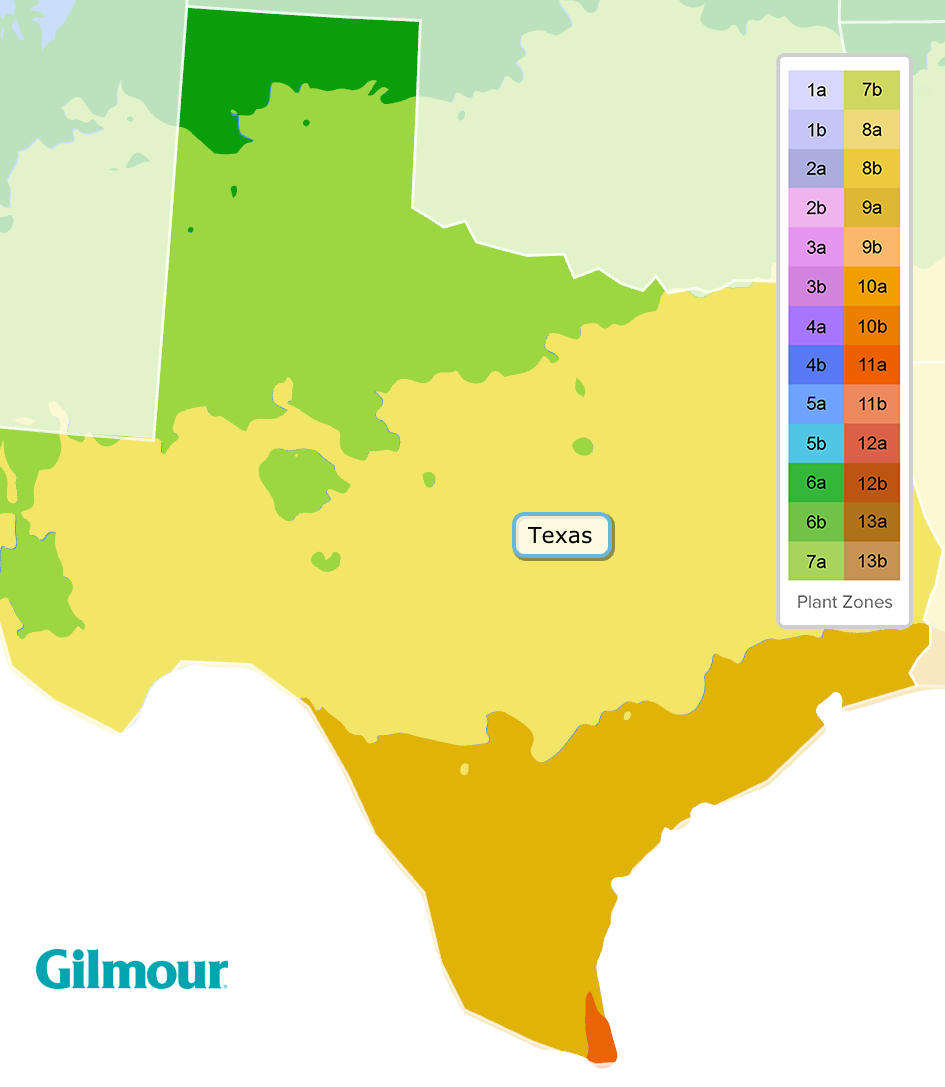
Houston falls primarily within USDA Plant Hardiness Zone 9a and 9b, with average annual extreme minimum temperatures ranging from 20-30°F (-6.7 to -1.1°C). This classification signifies a climate where very cold temperatures are rare and generally short-lived. For the traveler, this translates into a city that boasts an incredibly lush, green landscape for much of the year. The relative warmth allows for a spectacular array of plant life to thrive, contributing to Houston’s beautiful public parks, arboretums, and meticulously maintained gardens.
This zone makes Houston an ideal destination for those who appreciate outdoor beauty. Landmarks like the Houston Botanic Garden and the Houston Arboretum & Nature Center are able to showcase a diverse collection of native and exotic plants, many of which would not survive in colder climates. Furthermore, the numerous bayous that crisscross the city, like Buffalo Bayou Park, are lined with verdant foliage, offering scenic routes for walking, jogging, and biking almost year-round. This hardiness zone ensures that visitors can enjoy outdoor attractions without the concern of widespread dormant vegetation or harsh winter conditions for extended periods.
AHS Heat Zone: Navigating Houston’s Summers
In contrast to the USDA Plant Hardiness Zone, the AHS Heat Zone focuses on the average number of days per year that temperatures exceed 86°F (30°C). Houston is situated in AHS Heat Zone 9, indicating 120-150 days above this threshold annually. This means that Houston experiences long, hot, and humid summers.
While the heat can be intense, especially from June to September, it doesn’t deter tourism; rather, it shapes it. Visitors during these months learn to embrace Houston’s indoor attractions and strategically plan outdoor activities. World-class museums in the Museum District, such as the Houston Museum of Natural Science and the Museum of Fine Arts, Houston, provide cool retreats. Shopping centers like The Galleria offer extensive climate-controlled retail therapy. Moreover, the heat encourages visits to water parks, swimming pools, and nearby coastal getaways like Galveston Island, transforming summer into a time for aquatic adventures and air-conditioned exploration. Hotels and resorts in Houston are well-equipped to handle the heat, offering inviting pools and comfortable indoor amenities for guests.
Subtropical Climate: What to Expect Year-Round
Combining the insights from both the USDA Plant Hardiness Zone and the AHS Heat Zone, Houston’s climate is best characterized as humid subtropical. This means warm to hot summers, mild winters, and abundant rainfall throughout the year, though often concentrated in specific periods.
For travelers, this translates to predictable, albeit sometimes intense, weather patterns. Spring (March-May) and Fall (October-November) are often considered the prime seasons, offering pleasant temperatures and lower humidity, perfect for exploring outdoor attractions and attending festivals. Winters (December-February) are generally mild, with occasional cold snaps, making it an excellent escape for those fleeing colder northern climates. Even during the peak of summer, planning your day with indoor activities for the hottest parts of the afternoon and reserving mornings and evenings for outdoor excursions can ensure an enjoyable visit. The subtropical nature also contributes to Houston’s verdant appearance and the prevalence of specific crops and local flora that influence local culture and cuisine.
Houston’s Diverse Attractions and Activities by Season
The city’s climate zones play a crucial role in shaping the seasonal appeal of its many attractions and activities. From vibrant outdoor festivals to cool indoor museums, Houston offers a diverse range of experiences tailored to its subtropical rhythm. Understanding these seasonal nuances is key to optimizing your travel itinerary and ensuring you make the most of your visit.
Spring & Fall: Ideal for Outdoor Exploration and Festivals
The transitional seasons of spring and fall are arguably the best times to experience Houston’s outdoor charm. The pleasant temperatures, coupled with lower humidity, create perfect conditions for exploring the city’s extensive park system and attending its numerous events.
In spring, the city bursts into bloom, making Buffalo Bayou Park, Hermann Park, and Discovery Green exceptionally beautiful. Kayaking or paddleboarding along the Buffalo Bayou becomes a refreshing activity, offering unique skyline views. Festivals like the Art Car Parade and the Houston International Festival (often referred to as iFest in its heyday) draw large crowds outdoors, celebrating creativity and global culture. The Houston Zoo, located within Hermann Park, is particularly enjoyable during these months, with its lush animal habitats thriving.
Fall brings a similar respite from the summer heat, with comfortable weather perfect for outdoor dining on patios or exploring the historic districts of The Heights and Montrose. The Bayou City Art Festival transforms the city’s parks into open-air galleries, while various food and wine festivals celebrate Houston’s culinary diversity. Sporting events, from NFL Houston Texans games to MLB Houston Astros baseball, are popular activities during this time, often with perfect weather for tailgating and enjoying the game.
Summer: Indoor Marvels and Water Fun
Houston’s hot and humid summers, as indicated by its AHS Heat Zone 9, necessitate a strategic approach to sightseeing. Fortunately, the city excels at providing world-class indoor attractions and opportunities for cooling off.
The Museum District becomes a primary draw, offering air-conditioned comfort while visitors explore renowned institutions like the Menil Collection, the Children’s Museum Houston, and the Holocaust Museum Houston. The NASA Johnson Space Center is another iconic indoor destination, providing fascinating insights into space exploration. For those seeking retail therapy, The Galleria, one of the largest shopping malls in Texas, offers endless shopping, dining, and even an indoor ice skating rink.
When the desire for outdoor fun calls, Houstonians flock to water-based activities. Splash pads at parks like Discovery Green are popular for families, while nearby Galveston Island provides beaches, water parks like Moody Gardens and Schlitterbahn Galveston Island Waterpark, and bay cruises for a refreshing escape. Many hotels and resorts also boast impressive pools, turning accommodation into an integral part of the summer experience.
Winter: Mild Escapes and Holiday Cheer
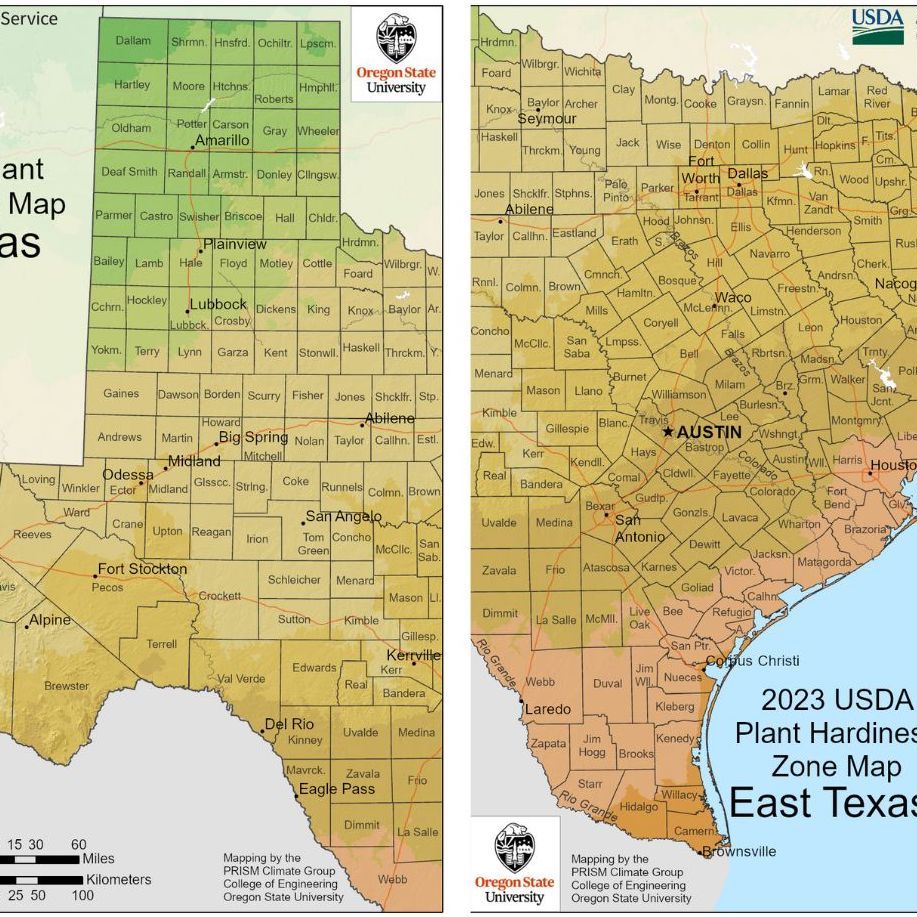
Houston’s mild winters are a welcome contrast to much of the United States, making it an attractive destination for a winter escape. The USDA Plant Hardiness Zone 9 climate means that while temperatures can drop, snowfall is exceedingly rare, and freezes are typically brief.
The holiday season in Houston is vibrant, with light displays, holiday markets, and festive events. Zoo Lights at the Houston Zoo and the Magical Winter Lights Festival offer dazzling outdoor experiences without the biting cold of more northern cities. Downtown Houston transforms with holiday cheer, and the Wortham Theater Center hosts festive performances by the Houston Ballet and Houston Grand Opera.
For those seeking indoor warmth, winter is an excellent time to explore Houston’s incredible food scene, from high-end dining in River Oaks to diverse ethnic eateries across the city. Sports fans can enjoy NBA Houston Rockets games in the comfort of the Toyota Center, while theater enthusiasts can catch Broadway shows at the Theater District. Houston’s mild winter also extends the golfing season and allows for continued enjoyment of its green spaces, albeit with fewer crowds.
Accommodation and Lifestyle in the Heart of the Lone Star State
Houston’s diverse climate and sprawling urban landscape contribute to a wide array of accommodation options and lifestyle experiences. From luxurious resorts in Uptown Houston to cozy apartments in historic neighborhoods, the city caters to every preference and budget, ensuring that visitors can find a stay that perfectly complements their travel style.
Choosing Your Houston Stay: Hotels, Resorts, and More
The sheer scale of Houston means there’s an accommodation option for every type of traveler. The city center, encompassing Downtown Houston and the Theater District, is home to numerous hotels, from established chains to modern boutique hotels. These offer convenient access to business centers, convention facilities, and major entertainment venues.
For those seeking a more upscale experience, Uptown Houston and the Galleria area boast a concentration of luxury hotels and resorts, often featuring lavish suites, spas, and gourmet dining options. These properties are ideal for luxury travel, offering premium amenities and proximity to high-end shopping.
Beyond traditional hotels, Houston also offers a growing selection of serviced apartments and vacation rentals, perfect for long-term stays, family trips, or those who prefer a more home-like environment. Neighborhoods like Montrose and The Heights offer charming bed & breakfasts and unique boutique hotels that provide a taste of local charm and a more personal experience. When booking, consider the proximity to your planned attractions and the type of atmosphere you desire.
From Budget to Luxury: Tailoring Your Houston Lifestyle
Houston’s diverse economic landscape and vast geographical spread ensure that every lifestyle preference can be accommodated, whether you’re planning a budget travel adventure or an opulent luxury travel experience.
For budget-conscious travelers, there are numerous affordable hotels and motels scattered along major thoroughfares and near both George Bush Intercontinental Airport (IAH) and William P. Hobby Airport. Public transportation and ride-sharing services make navigating the city accessible, even without a rental car. Dining can be incredibly economical and delicious, thanks to Houston’s array of ethnic eateries, food trucks, and casual dining spots. Many of the city’s parks and outdoor spaces offer free activities and enjoyment.
On the other end of the spectrum, Houston is a hub for luxury travel. Upscale shopping in The Galleria and River Oaks District, world-class performing arts in the Theater District, and Michelin-starred (though Texas doesn’t use Michelin, it has many equivalent top-tier) dining experiences cater to discerning tastes. Exclusive resorts and hotels offer personalized service and premium amenities, while private tours and chauffeur services enhance the experience. Whether it’s a business stay or a lavish vacation, Houston provides the infrastructure for a truly high-end lifestyle.
Culinary Zones: A Taste of Houston’s Global Flavor
Houston’s status as one of the most diverse cities in the United States is reflected vividly in its culinary landscape, often described in terms of “culinary zones” or districts. The city’s subtropical climate allows for a wide variety of fresh produce year-round, contributing to its vibrant food scene.
From authentic Tex-Mex and BBQ joints that are synonymous with Texas, to expansive Chinatowns, Little India, and Vietnamese enclaves, Houston offers an unparalleled gastronomic adventure. The Maharaja Bhog in Southwest Houston or the bustling restaurants along Bellaire Boulevard provide distinct regional flavors that transport diners across the globe.
Upscale dining can be found in Downtown Houston, Midtown Houston, and River Oaks, with chefs often incorporating local ingredients and flavors into innovative dishes. Exploring these diverse “culinary zones” is an activity in itself, offering a delicious insight into the city’s multicultural fabric and its ability to embrace and celebrate global traditions.
Planning Your Trip to Houston: Practical Tips
Navigating Houston’s zones and offerings requires a bit of planning to ensure a smooth and enjoyable travel experience. From the best time to visit to transportation and packing essentials, these practical tips will help you prepare for your Houston adventure.
Best Time to Visit Houston
Considering Houston’s USDA Plant Hardiness Zone 9 and AHS Heat Zone 9, the ideal times to visit are during the spring (March to May) and fall (October to November). These months offer the most comfortable weather, with mild temperatures and lower humidity, perfect for outdoor activities and enjoying the city’s lush green spaces and festivals.
If you plan to visit in summer (June to September), prepare for heat and humidity. Focus on indoor attractions, plan outdoor excursions for early mornings or evenings, and ensure your accommodation has a good pool. Winter (December to February) is also pleasant, with mild temperatures making it an excellent choice for those looking to escape colder climates, offering a different set of holiday-themed events and indoor entertainments.
Getting Around and What to Pack
Houston is a sprawling city, and while public transportation exists, renting a car is often the most convenient way to explore at your own pace, especially if you plan to visit attractions across different areas of the city. Ride-sharing services are also widely available and can be a good alternative for specific destinations.
When it comes to packing, lightweight and breathable clothing is essential, especially from spring through fall. Even in winter, layers are advisable as temperatures can fluctuate within a day. Comfortable walking shoes are a must, as many of Houston’s parks and museums involve a good amount of walking. Don’t forget sunscreen, a hat, and a reusable water bottle, especially if you plan on spending time outdoors, regardless of the season. An umbrella or light rain jacket is also a good idea, as sporadic showers can occur year-round due to the subtropical climate.
In conclusion, understanding “what zone is Houston, Texas?” goes beyond a simple scientific classification. It provides a comprehensive framework for appreciating its unique climate, planning unforgettable travel experiences, and diving into its vibrant lifestyle. From its subtropical warmth allowing year-round greenery to its hot summers shaping indoor exploration, Houston offers a rich tapestry of tourism opportunities that are deeply intertwined with its geographical identity. Whether for business or leisure, Houston promises a dynamic and welcoming experience for all who visit.
LifeOutOfTheBox is a participant in the Amazon Services LLC Associates Program, an affiliate advertising program designed to provide a means for sites to earn advertising fees by advertising and linking to Amazon.com. Amazon, the Amazon logo, AmazonSupply, and the AmazonSupply logo are trademarks of Amazon.com, Inc. or its affiliates. As an Amazon Associate we earn affiliate commissions from qualifying purchases.