
Understanding the agricultural zones of a region is fundamental to successful gardening, farming, and even simple landscaping. For those looking to cultivate plants in the state of Kansas, knowing your specific planting zone is the first step towards vibrant blooms, bountiful harvests, and a thriving green space. The United States Department of Agriculture (USDA) Plant Hardiness Zone Map is the standard by which gardeners and growers determine which perennial plants are likely to survive the winter in a particular location. These zones are based on the average annual extreme minimum winter temperature, divided into 10-degree Fahrenheit zones.
Decoding the USDA Plant Hardiness Zones in Kansas
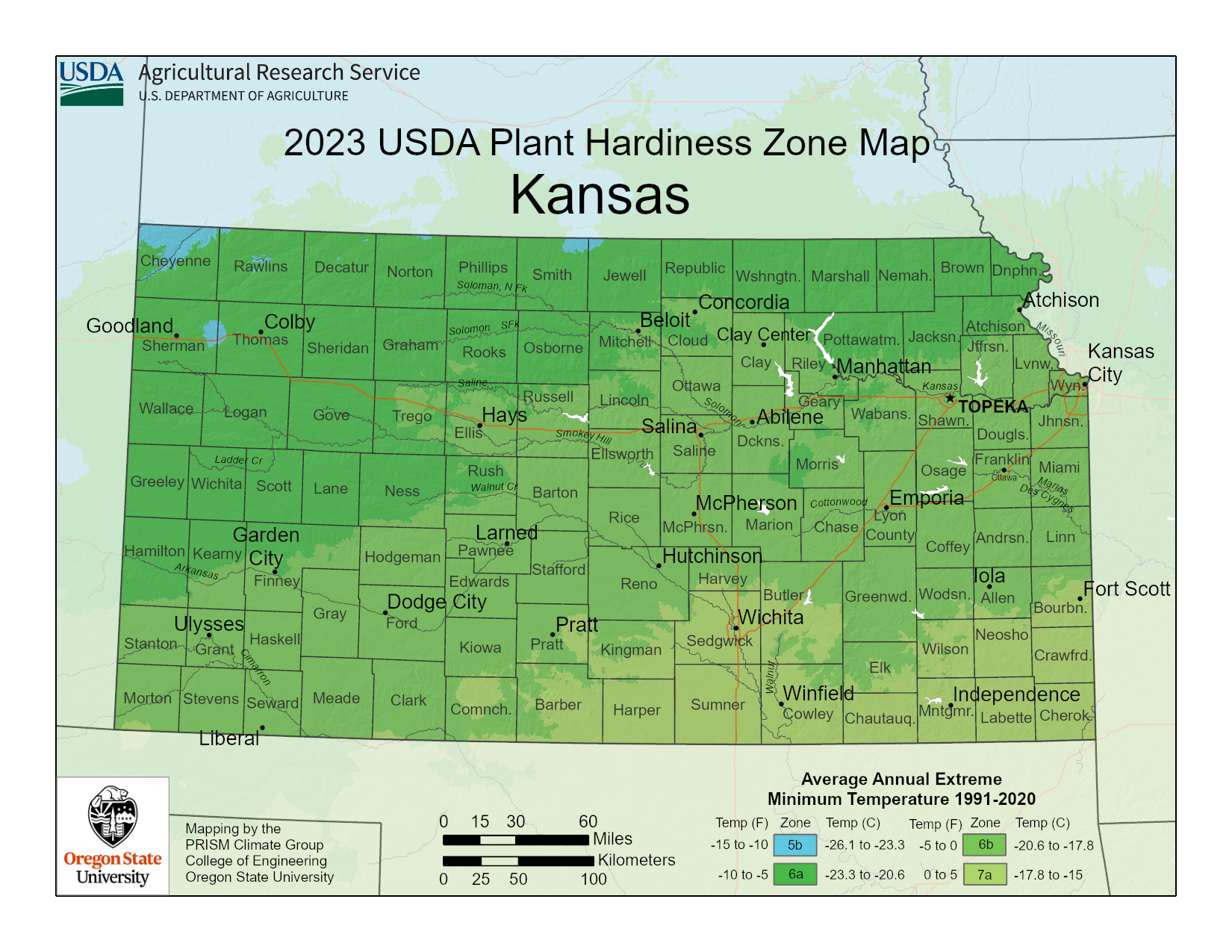
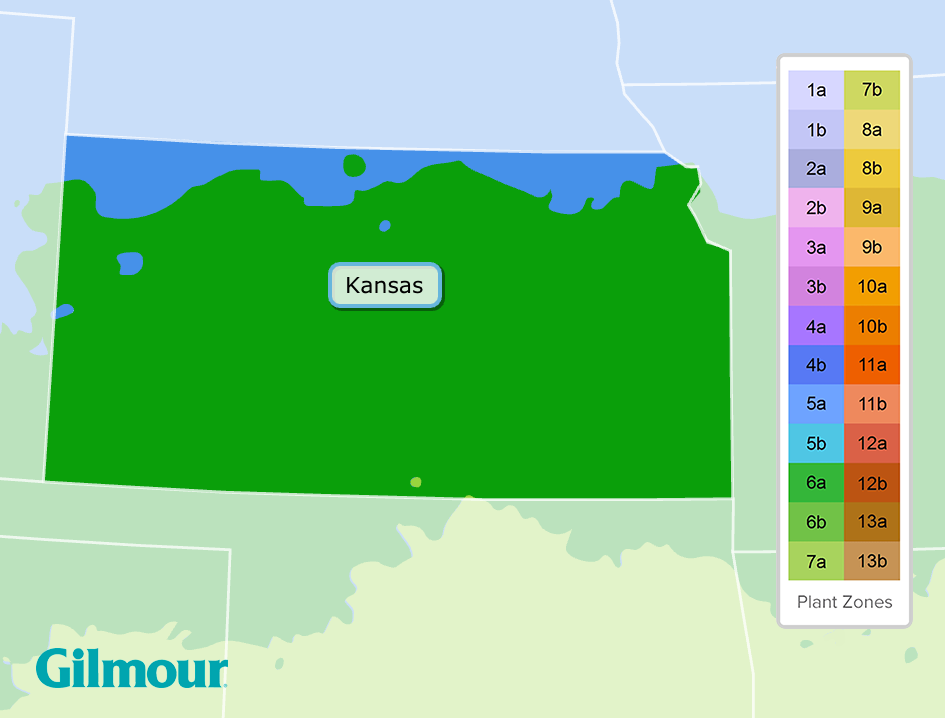
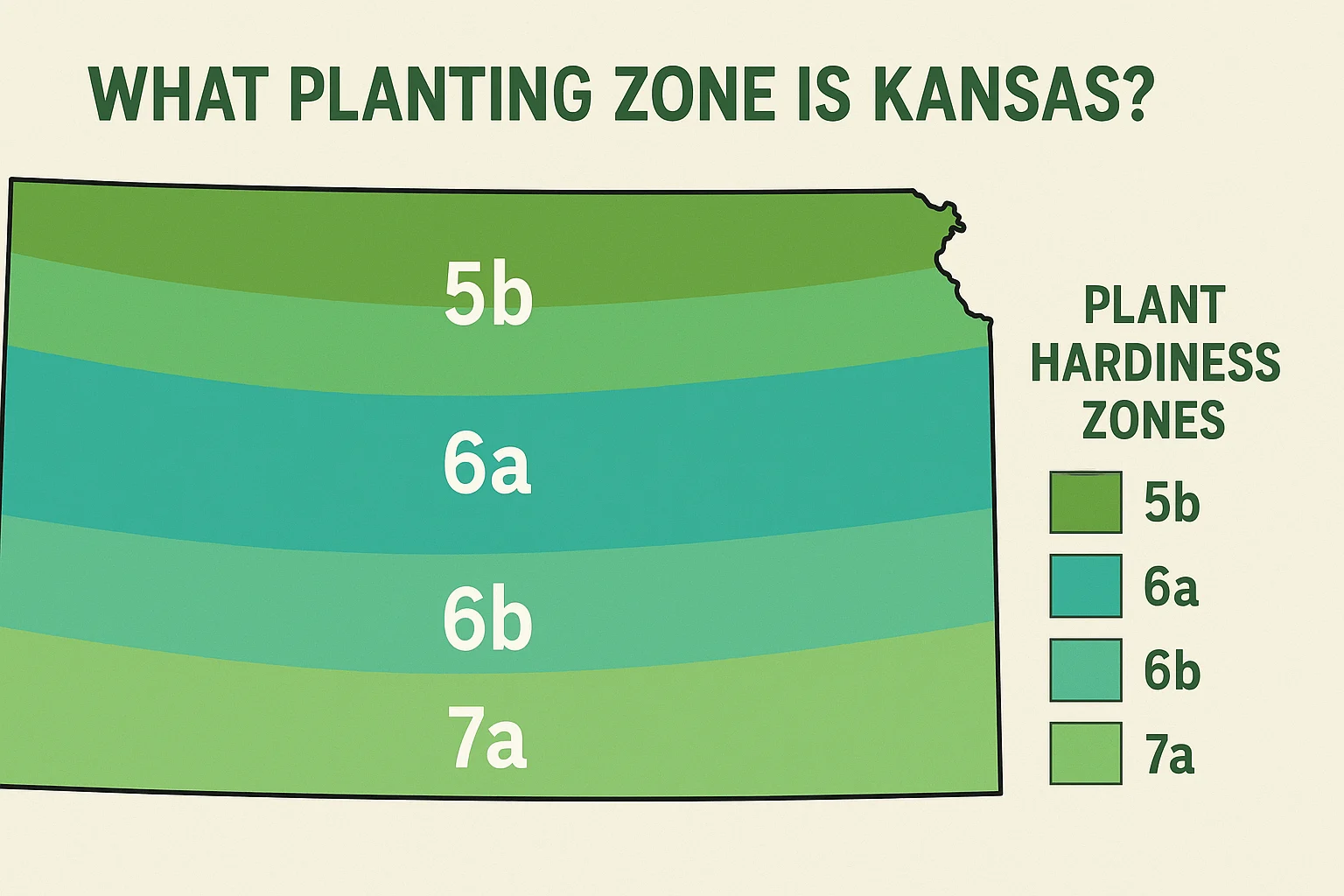
Kansas is a state characterized by its diverse geography, stretching from the rolling plains of the west to the more varied terrain in the east. This geographical diversity translates into distinct microclimates, which in turn influence the plant hardiness zones across the state. Generally, the state falls within Zones 5b to 7a, with variations dictated by latitude, elevation, and proximity to large bodies of water or geographical features that can moderate temperatures.
Zone 5b: The Northern Reach
The northernmost parts of Kansas, including areas near the border with Nebraska, typically fall into Zone 5b. This zone experiences average annual minimum winter temperatures between -10°F and -5°F. For gardeners in Zone 5b, this means that plants need to be hardy enough to withstand colder temperatures. Perennial plants that are rated for Zone 5 or colder will generally thrive here. This includes many varieties of flowering shrubs, robust trees, and a wide selection of cold-hardy flowers and vegetables. When selecting plants, it is crucial to check their hardiness rating to ensure they can survive the typical winter lows.
Zone 6a and 6b: The Central Plains
The majority of Kansas resides within Zone 6, which is further divided into 6a and 6b.
- Zone 6a has average annual minimum winter temperatures ranging from -5°F to 0°F.
- Zone 6b is slightly milder, with average annual minimums between 0°F and 5°F.
These zones encompass many of the state’s larger cities and agricultural heartlands, such as Wichita, Kansas City, and Topeka. In these areas, a broader range of perennial plants can be successfully grown. Many popular garden favorites, including a wide array of roses, fruit trees, and flowering perennials, are well-suited to Zone 6 conditions. The longer growing season compared to Zone 5b offers more flexibility in plant selection and timing for planting.
Zone 7a: The Southeastern Advantage
The southeasternmost corner of Kansas, often benefiting from slightly warmer air masses and a more sheltered environment, can extend into Zone 7a. This zone has average annual minimum winter temperatures between 0°F and 5°F. While this is the warmest zone in the state, it’s important to note that Kansas is still prone to occasional severe winter weather. Zone 7a allows for the cultivation of a wider variety of ornamental plants, including some that might struggle in colder zones, such as certain citrus varieties (in protected locations) and a greater selection of tender perennials. This region often sees an earlier start to the growing season and a later end, providing a more extended window for planting and harvesting.
Factors Influencing Planting Zones Beyond the Map
While the USDA Plant Hardiness Zone Map provides an essential framework, it’s important to remember that it’s based on average minimum temperatures. Actual planting success can be influenced by several other environmental factors specific to your immediate location within Kansas.
Microclimates and Urban Heat Islands
Microclimates are small, localized variations in climate that differ from the general climate of a region. In Kansas, these can be created by various features:
- Topography: Valleys or depressions can trap cold air, making them colder than surrounding higher ground. Conversely, south-facing slopes can be warmer and receive more sunlight.
- Water Bodies: Lakes and rivers can moderate temperatures, offering slightly warmer winters and cooler summers in their immediate vicinity. This is particularly relevant for areas near reservoirs like Milford Lake or the Kansas River.
- Urban Areas: Cities like Wichita, Kansas City, and Overland Park often exhibit an “urban heat island” effect. Paved surfaces and buildings absorb and retain heat, making the urban core several degrees warmer than surrounding rural areas. This can effectively place a city in a slightly warmer hardiness zone than the map might suggest for the broader county.
Soil and Site Conditions
The health and characteristics of your soil, as well as the specific conditions of your planting site, play a crucial role in plant survival, especially during harsh weather.
- Soil Drainage: Well-drained soil is critical, particularly for plants that are susceptible to root rot in wet conditions. Poorly drained soils can exacerbate the effects of cold and moisture.
- Sun Exposure: The amount of direct sunlight a planting area receives throughout the day and year is a major factor. South-facing locations generally receive more sun and warmth.
- Wind Protection: Exposure to strong winds can desiccate plants, damage foliage, and contribute to colder “wind chill” effects for vegetation. Planting in a location sheltered from prevailing winds, or using windbreaks, can significantly improve the success of less hardy plants.
Practical Applications for Kansas Gardeners
Knowing your planting zone is not just an academic exercise; it has direct, practical implications for your gardening and landscaping endeavors across Kansas.
Selecting the Right Plants
The most immediate benefit of understanding your hardiness zone is making informed plant selections.
- Perennials: For perennial flowers, shrubs, and trees, always choose varieties that are rated for your specific zone or a colder one. This ensures they have the best chance of surviving the winter. For example, if you are in Zone 6a, a plant rated for Zone 5 or Zone 6 will likely do well, while a plant rated only for Zone 7 might struggle.
- Annuals: While annuals complete their life cycle in one year and are not expected to survive the winter, their planting times are still influenced by the zone’s average last frost date.
- Vegetables: Similar to annuals, the timing for planting vegetables is often dictated by the last spring frost and first fall frost dates, which are correlated with the hardiness zones.
Timing Your Planting Activities
Hardiness zones provide a good indication of when it is safe to plant certain types of vegetation.
- Last Spring Frost: Zone 5b areas will generally have a later last spring frost than Zone 7a areas. Knowing this date is critical for planting warm-season vegetables like tomatoes, peppers, and melons.
- First Fall Frost: Conversely, Zone 7a will typically have a later first fall frost, extending the growing season for fall crops like kale, spinach, and pumpkins.
- Planting Perennials: Spring and fall are generally the best times to plant perennials, allowing them to establish their root systems before extreme heat or cold sets in.
Understanding Potential Winter Damage
When you understand the minimum temperatures your zone experiences, you can better anticipate and prepare for potential winter damage.
- Mulching: Applying a layer of mulch around the base of plants can insulate their roots, protecting them from extreme temperature fluctuations.
- Protection: For more tender plants or those at the edge of their hardiness range, providing winter protection such as burlap wraps for shrubs or covering plants with frost cloths during cold snaps can be beneficial.
- Planting Location: Choosing sheltered locations for less hardy plants, away from harsh winds and potential frost pockets, can make a significant difference.
Exploring Specific Planting Zone Maps for Kansas
While the general USDA map provides a broad overview, it is always advisable to consult more detailed regional or local resources for precise planting zone information within Kansas.
The Official USDA Map
The United States Department of Agriculture provides an interactive map that allows users to enter their zip code and get their specific hardiness zone. This is the most authoritative source for determining your zone. The map is regularly updated to reflect new climate data.
Local Extension Offices and Horticultural Societies
Kansas State University’s Cooperative Extension Service is an invaluable resource for local gardening advice. Their agents are familiar with the specific challenges and opportunities of gardening in different parts of the state and can offer detailed insights into microclimates, soil conditions, and appropriate plant selections for your particular area. Local horticultural societies and master gardener programs can also provide zone-specific recommendations and community knowledge.
Online Gardening Communities and Forums
Online platforms dedicated to gardening can be a wealth of information. Engaging with gardeners from different parts of Kansas can provide real-world insights into what plants thrive and what challenges they face in specific locations. These communities often discuss personal experiences with plant hardiness and local climate variations.
Conclusion: Cultivating Success in the Sunflower State
Navigating the planting zones of Kansas is an essential step for any gardener or homeowner aiming for a flourishing landscape. From the colder northern reaches in Zone 5b to the milder southeastern areas in Zone 7a, each zone presents unique opportunities and considerations. By understanding the USDA Plant Hardiness Zones, acknowledging the influence of microclimates, and utilizing local resources, residents of the Sunflower State can confidently select the right plants and time their gardening activities for optimal success, contributing to the beauty and productivity of their outdoor spaces. Whether you are planting a vibrant flower garden in Wichita, establishing a vegetable patch near Manhattan, or landscaping in the historic avenues of Lawrence, knowledge of your planting zone is the foundation upon which your horticultural dreams can take root and bloom.
LifeOutOfTheBox is a participant in the Amazon Services LLC Associates Program, an affiliate advertising program designed to provide a means for sites to earn advertising fees by advertising and linking to Amazon.com. Amazon, the Amazon logo, AmazonSupply, and the AmazonSupply logo are trademarks of Amazon.com, Inc. or its affiliates. As an Amazon Associate we earn affiliate commissions from qualifying purchases.