
When travelers think of Las Vegas, their minds immediately drift to the neon lights of the Las Vegas Strip, the high-stakes energy of the Bellagio Hotel and Casino, and the architectural marvels that define Nevada. However, beneath the glitz and glamour lies a fascinating ecological story. For those visiting Southern Nevada or considering a long-term stay in the region, understanding the local environment is essential. One of the most common questions for nature enthusiasts and eco-tourists is: “What zone is Las Vegas in for planting?”
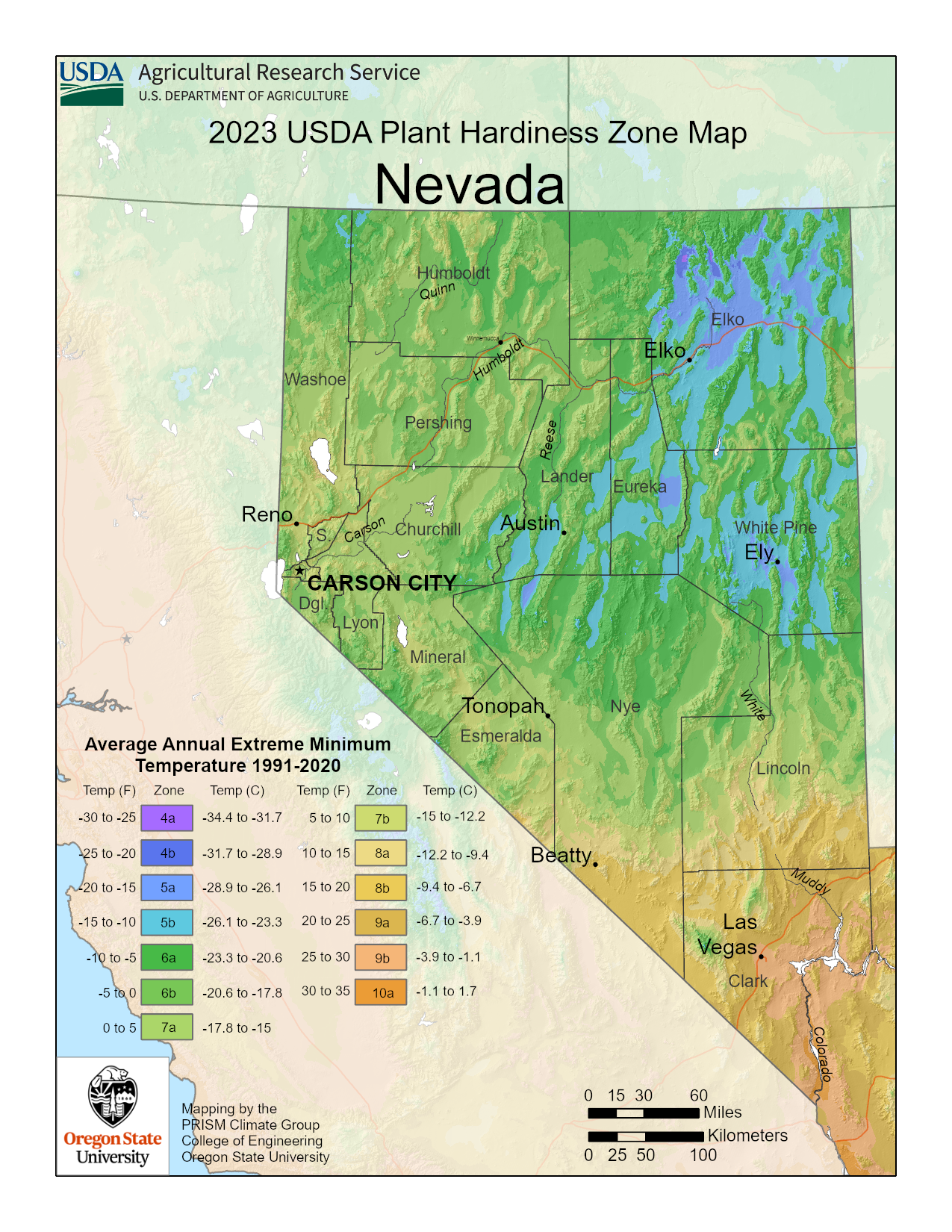
Understanding the USDA Plant Hardiness Zone is more than just a technicality for gardeners; it is a key to understanding the survival of the lush landscapes seen at luxury resorts like Wynn Las Vegas and the resilient flora found in the surrounding Mojave Desert. This guide explores the horticultural identity of the region, offering insights into local tourism, nature-based activities, and tips for navigating the unique climate of the Silver State.
Identifying the USDA Hardiness Zones in the Las Vegas Valley
The United States Department of Agriculture (USDA) divides North America into various zones based on their average annual minimum winter temperature. For anyone interested in the local culture of sustainability and landscaping in Clark County, knowing these zones is the first step.
The Breakdown of Zone 9a and 9b
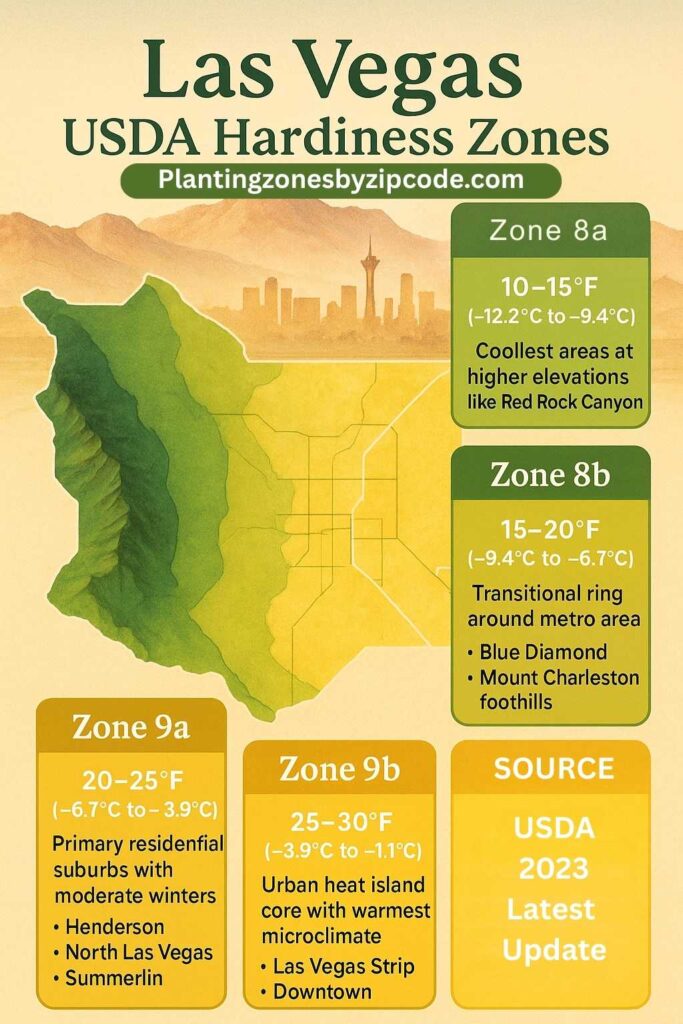
Most of the Las Vegas Valley, including the cities of Henderson and North Las Vegas, falls into USDA Hardiness Zones 9a and 9b. Zone 9 is characterized by a “thermal belt” where the minimum temperatures typically range between 20°F and 30°F.
- Zone 9a: This zone usually sees temperatures dip to a range of 20°F to 25°F. You are more likely to find these conditions in the higher elevations of the valley, such as Summerlin.
- Zone 9b: This zone is slightly warmer, with minimum temperatures staying between 25°F and 30°F. This is typical for the lower-lying areas near the center of the city and Boulder City.
The Influence of the Mojave Desert Climate
While the zone number tells you how cold it gets, it doesn’t tell the whole story of Las Vegas. As a major destination within the Mojave Desert, the city experiences extreme heat, low humidity, and intense sunlight. Tourists visiting from California or Arizona might be familiar with desert heat, but the Las Vegas “microclimates” created by the urban heat island effect—where concrete and asphalt trap heat—mean that temperatures on the Las Vegas Strip can remain significantly higher than in the outlying desert.
Exploring Horticultural Tourism: Famous Gardens in Las Vegas
For many tourists, the highlight of a trip to Las Vegas is witnessing how man-made oases thrive in the middle of a desert. Horticultural tourism has become a significant draw, showcasing how Zone 9 plants can be utilized to create world-class attractions.
Bellagio Conservatory and Botanical Gardens
One of the most visited free attractions in the city is the Bellagio Conservatory and Botanical Gardens. Located within the Bellagio Hotel and Casino, this 14,000-square-foot floral playground changes with the seasons. While the conservatory is an indoor, climate-controlled environment, it serves as a massive inspiration for local plant life and seasonal aesthetics. It is a must-see for anyone interested in the intersection of luxury lifestyle and botanical art.
Ethel M Botanical Cactus Garden
Located just a short drive from the main tourist hubs in Henderson, the Ethel M Botanical Cactus Garden is Nevada’s largest collection of its kind. This four-acre park features over 300 species of plants, many of which are native to the American Southwest and others that are succulents from Australia and South America. Walking through these gardens provides a practical look at what thrives in Zone 9 without the need for excessive water.
The Springs Preserve
Often referred to as the “Central Park of Las Vegas,” the Springs Preserve is an award-winning attraction that offers a deep dive into the valley’s history and future. For those interested in “planting zones,” the Springs Preserve features botanical gardens that specifically highlight desert-adapted plants. It is an educational powerhouse for tourists looking to understand how the Southern Nevada Water Authority manages resources in such a challenging environment.
Essential Tips for Sustainable Desert Gardening and Xeriscaping
If you are a visitor staying long-term or a lifestyle enthusiast looking to bring a piece of the desert home, understanding “Xeriscaping” is vital. This is a style of landscaping and gardening that reduces or eliminates the need for supplemental water from irrigation. In Las Vegas, this isn’t just a trend; it’s a way of life supported by the Southern Nevada Water Authority.
Selecting the Right Species for Zone 9
When planting in the Las Vegas Valley, gardeners must choose plants that can handle the “Big Three”: heat, wind, and alkaline soil.
- Trees: The Desert Willow and various species of Mesquite are local favorites.
- Shrubs: Texas Sage provides beautiful purple blooms that contrast against the desert sand.
- Succulents: Agave and Aloe are staples that require very little maintenance and thrive in the intense Nevada sun.
Timing and Soil Preparation
One of the best tips for those interested in the local flora is to understand the planting seasons. Unlike the Midwest or New England, the best time to plant in Las Vegas is often in the fall. This allows the root systems of new plants to establish themselves during the mild Zone 9 winter before the scorching heat of July and August arrives. Additionally, the soil in Clark County is often rich in “caliche,” a hardened layer of calcium carbonate that acts like natural concrete. Breaking through this layer is a rite of passage for any local gardener.
Beyond the City: Natural Landscapes and Botanical Landmarks
To truly appreciate the planting zones of Southern Nevada, one must venture beyond the city limits to the landmarks that define the region’s natural beauty. These spots offer a raw look at the flora of the Great Basin and the Mojave Desert.
Red Rock Canyon National Conservation Area
Just 15 miles west of Las Vegas, the Red Rock Canyon National Conservation Area is a stunning display of red sandstone peaks and diverse wildlife. Here, tourists can see Joshua Trees and Mojave Yucca in their natural habitat. The elevation at Red Rock Canyon can change the hardiness zone significantly, offering a cooler retreat from the valley floor.
Mount Charleston and the Spring Mountains
For a complete contrast to the Zone 9 desert, a trip to Mount Charleston in the Spring Mountains National Recreation Area is essential. Rising over 11,000 feet, this area features ancient Bristlecone Pines, some of the oldest living organisms on Earth. This alpine environment represents a completely different climate zone, proving that Nevada is more than just sand and sagebrush.
Valley of Fire State Park
Located about an hour northeast of the city, Valley of Fire State Park is famous for its bright red Aztec sandstone. The plant life here is a testament to survival, with Creosote Bush and Burro Weed dotting the landscape. It is a premier destination for photography and hiking, offering a glimpse into the prehistoric environment of the region.
The Intersection of Luxury and Nature on the Strip
Even if your interest in planting zones is purely academic, you cannot help but notice the meticulous landscaping of the major resorts. Tourism in Las Vegas relies heavily on the “wow factor” of its greenery.
Resort Landscaping as a Tourist Attraction
Hotels like The Mirage (historically known for its tropical rainforest) and Caesars Palace use elaborate irrigation systems to maintain plants that might not naturally belong in Zone 9. However, newer developments are leaning into the desert aesthetic. The Linq and the area surrounding the High Roller observation wheel incorporate more drought-tolerant species, reflecting a shift toward sustainable tourism.
The UNLV Arboretum
For those who want a quiet, educational stroll, the UNLV campus is home to a designated arboretum. The University of Nevada Las Vegas maintains a variety of trees and plants that are labeled for public viewing, providing a peaceful getaway for visitors looking to escape the bustle of Fremont Street.

Conclusion: Embracing the Desert Identity
The question “What zone is Las Vegas in for planting?” opens the door to a much larger conversation about tourism, sustainability, and the unique culture of the American West. While Zone 9a and 9b define the technical limits of what can grow, the spirit of Las Vegas is defined by its ability to thrive in the face of environmental challenges.
Whether you are admiring the floral displays at Wynn Las Vegas, hiking through the Clark County Wetlands Park, or learning about water conservation at the Springs Preserve, the botanical world of Southern Nevada is as vibrant and resilient as the city itself. For the eco-conscious traveler or the curious tourist, the desert is not a barren wasteland, but a carefully balanced ecosystem waiting to be explored. From the shores of Lake Mead to the peaks of Red Rock Canyon, the “planting zone” of Las Vegas is a testament to the beauty of life in the desert.
LifeOutOfTheBox is a participant in the Amazon Services LLC Associates Program, an affiliate advertising program designed to provide a means for sites to earn advertising fees by advertising and linking to Amazon.com. Amazon, the Amazon logo, AmazonSupply, and the AmazonSupply logo are trademarks of Amazon.com, Inc. or its affiliates. As an Amazon Associate we earn affiliate commissions from qualifying purchases.