
When travelers and logistics planners ask, “What zone is Las Vegas?” they are often referring to the complex intersection of time zones, climate classifications, and the unique geographical sprawl that defines this desert metropolis. Understanding these zones is essential for anyone planning a visit, as they directly influence everything from flight scheduling to the best time of year to walk the Las Vegas Strip.
Understanding the Temporal Landscape: Pacific Standard Time
Las Vegas operates on Pacific Standard Time (PST) during the winter months and transitions to Pacific Daylight Time (PDT) during the summer. This placement is critical for travelers arriving from the East Coast or international destinations, as it creates a significant time gap that often leads to “jet lag” in reverse for visitors.
The Dynamics of Timekeeping
Because the city is located in the Pacific Time Zone, it aligns with other major West Coast hubs like Los Angeles, San Francisco, and Seattle. This synchronization is vital for business travelers who need to coordinate meetings or conference calls with headquarters located in California or Washington. If you are arriving from a region that does not observe Daylight Saving Time, such as parts of Arizona, you may notice a one-hour discrepancy during the summer months, a common point of confusion for those renting a car to drive between the Grand Canyon and Nevada.
The Geographical and Climatic Zone: High Desert Reality
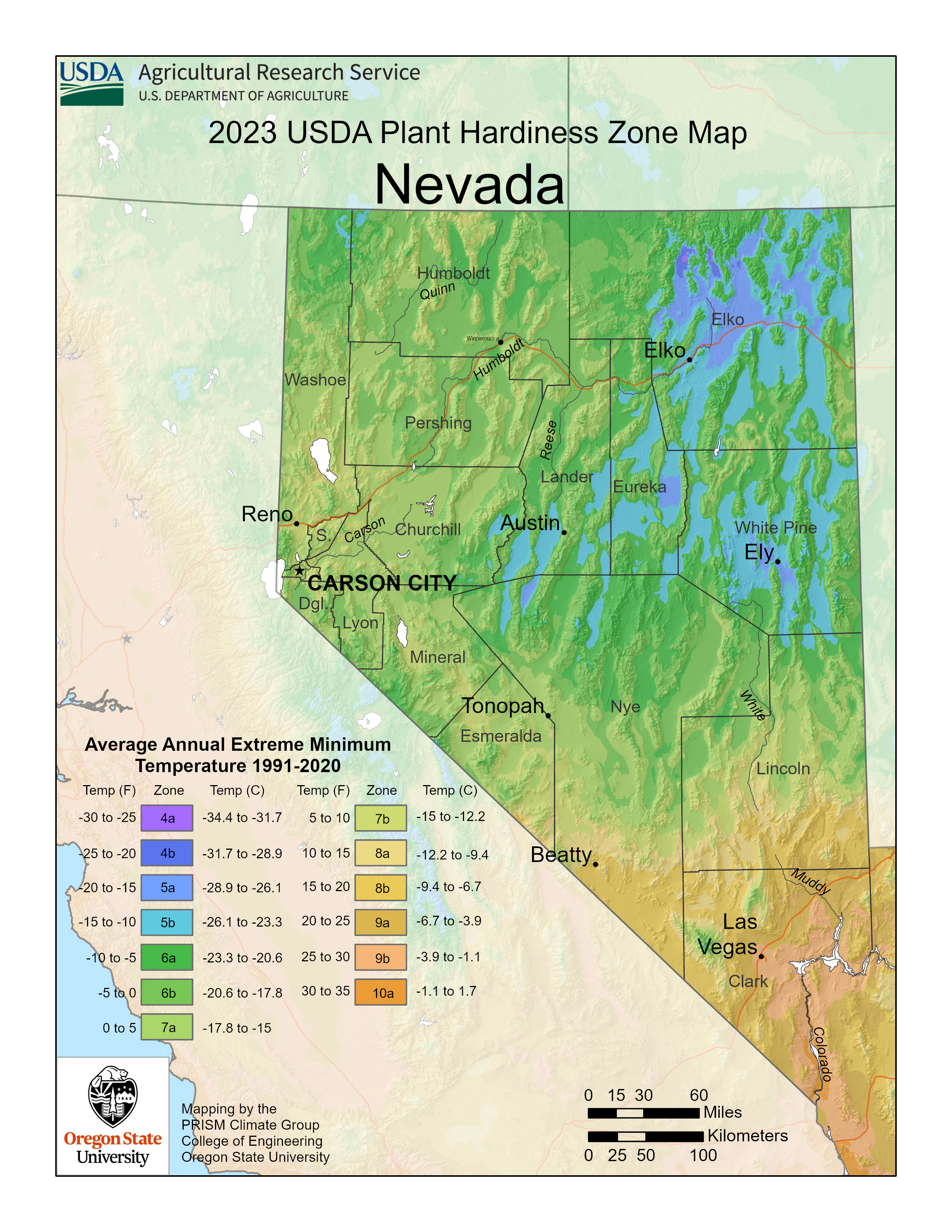
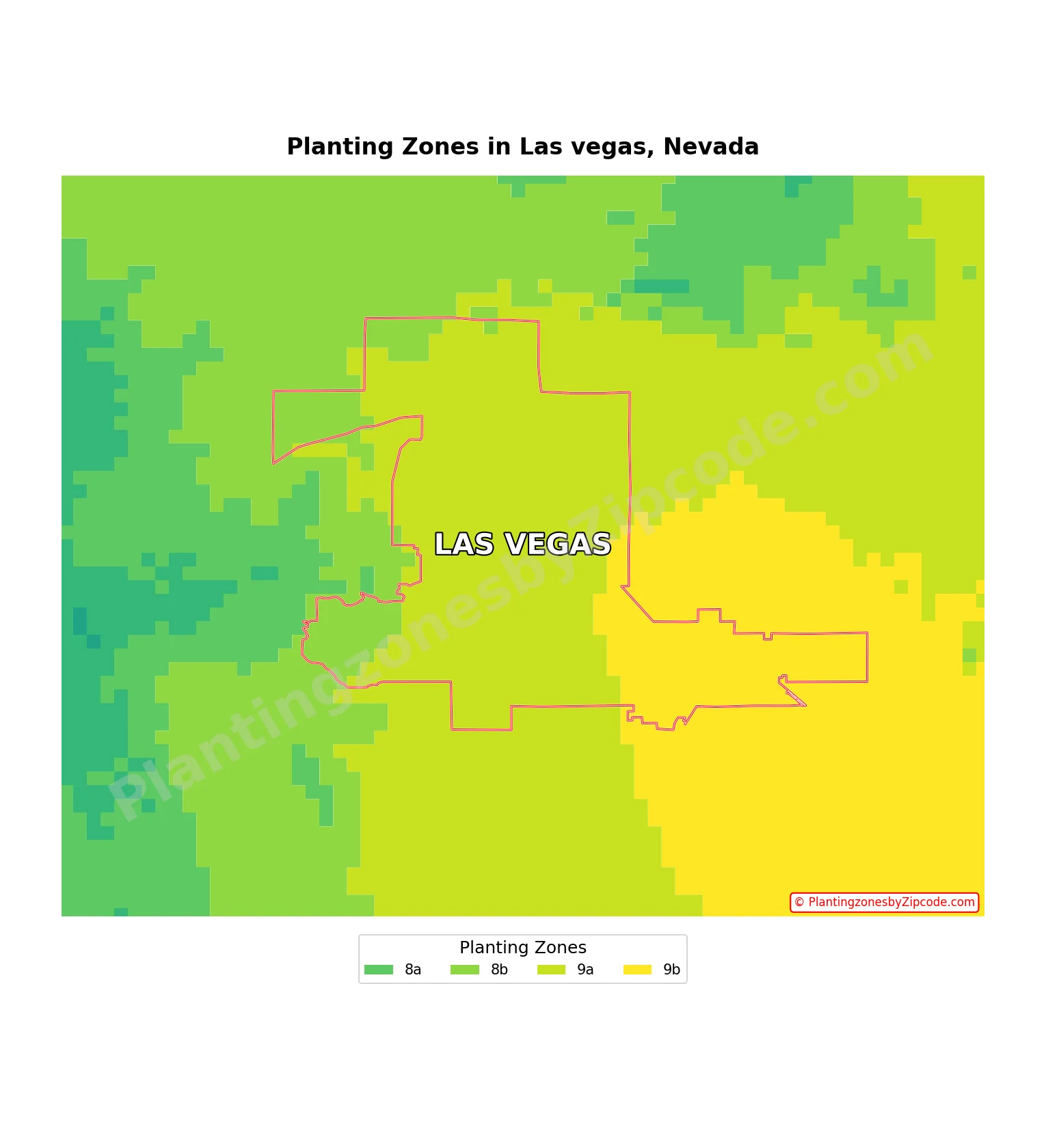
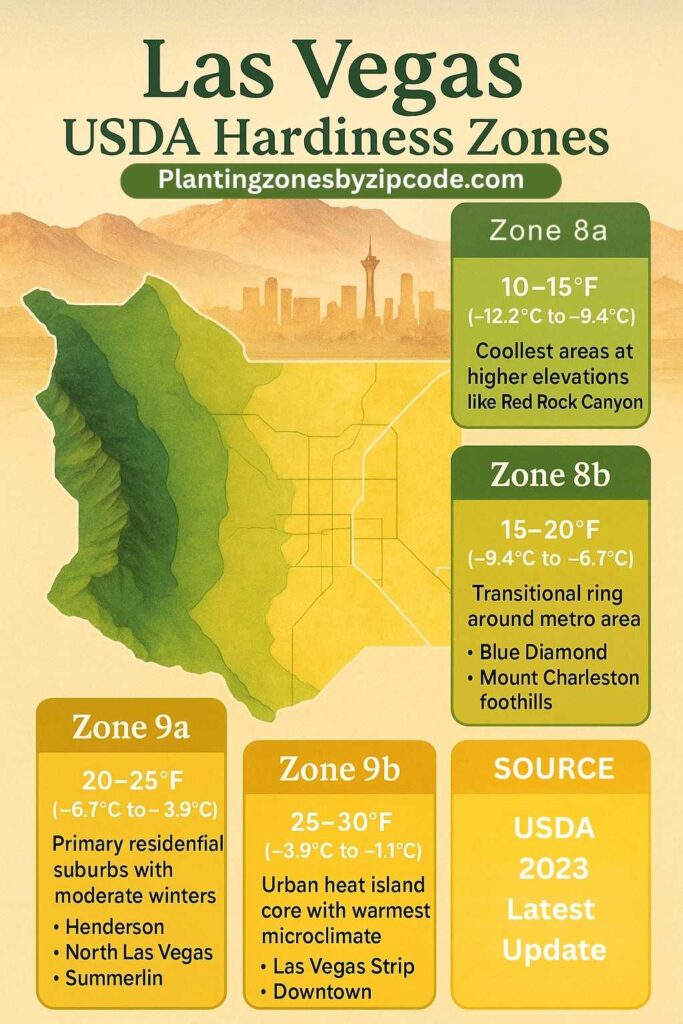
From a botanical and environmental perspective, Las Vegas sits squarely within the Mojave Desert. This categorization, often identified by the United States Department of Agriculture (USDA) as Hardiness Zone 9a or 9b, dictates the local vegetation and the architectural challenges of the region.
The Mojave Desert Influence
The Mojave is characterized by extreme temperature fluctuations. While the summer months see heat indices soaring well above 100 degrees Fahrenheit, the low humidity allows for rapid cooling once the sun dips behind the Spring Mountains. This “dry heat” is a defining feature of the zone, making the city a unique destination compared to the humid subtropical climates of the Southeast United States.
For travelers, knowing this zone is vital. The intense UV exposure in the high desert requires specific preparation—sunscreen, hydration, and protective clothing are non-negotiable, even during the cooler spring or autumn months. The city’s landscape, featuring drought-resistant flora like yucca and creosote bush, serves as a natural boundary between the urban intensity of the resorts and the rugged wilderness of Red Rock Canyon.
Navigating the Resort Corridors: The Entertainment Zone
In the context of tourism, “zones” take on a different meaning. The city is often partitioned by the visitor experience, with the Las Vegas Strip serving as the primary corridor of activity. This zone is vastly different from Downtown Las Vegas, which maintains a distinct historical identity centered around Fremont Street.
The Strip vs. The Downtown Experience
The Las Vegas Strip is an unincorporated town in the Clark County region. This technical designation is important because it means the resorts are not under the municipal jurisdiction of the city center. This autonomy allowed for the massive, sprawling architectural developments that define the skyline, such as the Caesars Palace and the Bellagio.
In contrast, Downtown Las Vegas is the historical heart of the city. This zone is smaller, more walkable, and retains a “vintage” aesthetic. Tourists looking for a specific vibe often choose their accommodation zone based on these differences. If you want the modern, high-tech spectacle of mega-resorts, you stay on the Strip; if you want the gritty, neon-lit nostalgia of the Golden Nugget, you head to the downtown area.
Seismic and Geological Zoning: A Stable Foundation
When discussing the physical “zone” of Las Vegas, one must acknowledge the geological reality of the Basin and Range Province. While not located on a major fault line comparable to those in San Andreas, the region is subject to seismic activity. Building codes in Nevada are strictly enforced to ensure that the massive structures—many of which rank among the largest hotels in the world—can withstand ground movement.
Engineering for the Desert
The soil composition in the valley consists largely of caliche, a hardened deposit of calcium carbonate. This creates a challenging substrate for construction, requiring sophisticated engineering to support the heavy concrete and steel loads of iconic landmarks like the MGM Grand. Understanding that the city exists within a seismically active zone provides a new appreciation for the architecture. Every towering facade and fountain display is a triumph of modern engineering, designed to thrive within the constraints of the harsh desert environment.
The Future of the Regional Zone: Sustainability and Growth
As the city continues to expand, it is increasingly defined by its management of water and energy resources. Located in a drainage basin, the Las Vegas Valley is a critical study in how modern urban zones manage scarcity. The Southern Nevada Water Authority has implemented some of the most advanced water conservation strategies in the world, influencing how visitors interact with the city.
Responsible Tourism
Today’s travelers are encouraged to view Las Vegas as a model of resource efficiency within a challenging climatic zone. From the water recycling systems at the Wynn Las Vegas to the solar-powered infrastructure emerging in the surrounding Nevada desert, the city is shifting its identity. Whether you are visiting for the nightlife, the conventions, or the nearby national parks like Death Valley, understanding the zones of this city—temporal, climatic, and geographical—enriches the travel experience. It transforms a simple vacation into a deeper engagement with a city that has defied the odds to become one of the most visited destinations on the planet.
By categorizing your visit according to these zones, you gain more than just a sense of direction; you gain a better understanding of how a city survives and thrives in the middle of a desert, managing time and space with an efficiency that is as impressive as the lights on the Las Vegas Strip itself. Whether you are arriving from New York or London, the zones of Las Vegas are ready to welcome you to the desert.
LifeOutOfTheBox is a participant in the Amazon Services LLC Associates Program, an affiliate advertising program designed to provide a means for sites to earn advertising fees by advertising and linking to Amazon.com. Amazon, the Amazon logo, AmazonSupply, and the AmazonSupply logo are trademarks of Amazon.com, Inc. or its affiliates. As an Amazon Associate we earn affiliate commissions from qualifying purchases.