
When planning a visit to Seattle, especially with an eye towards experiencing its abundant natural beauty and perhaps even dabbling in some local flora, understanding its gardening climate is paramount. The Emerald City, as it’s affectionately known, boasts a unique microclimate shaped by its Pacific Northwest location, influenced by the Puget Sound, the Olympic Mountains, and the Cascade Range. This distinctive environment places Seattle firmly within a specific hardiness zone, a crucial piece of information for anyone interested in the city’s horticultural landscape, whether they are local residents, aspiring urban farmers, or travelers eager to explore its verdant spaces.
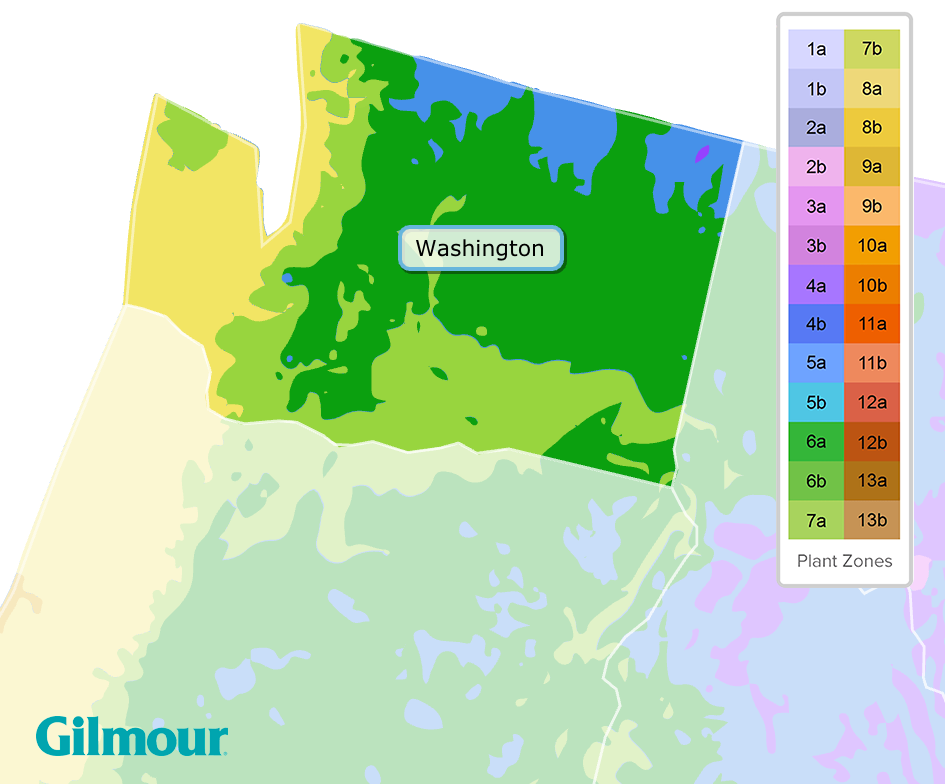
Understanding USDA Hardiness Zones in Seattle
The United States Department of Agriculture (USDA) Plant Hardiness Zone Map is the standard by which gardeners and horticulturists determine which perennial plants are most likely to thrive in a particular location. The map divides North America into 13 zones based on average annual minimum winter temperatures. Each zone is further divided into two sub-zones, ‘a’ and ‘b’, representing a 5-degree Fahrenheit difference. Knowing your zone is fundamental for selecting plants that can survive the winter and flourish throughout the growing season.
Seattle’s Placement on the Map
Seattle predominantly falls within USDA Hardiness Zone 8b. Some coastal areas and islands within the greater Puget Sound region might dip into Zone 8a, and certain elevated or more inland suburban areas could potentially reach Zone 9a, but for the vast majority of the city proper and its immediate surroundings, 8b is the defining climate indicator.
Zone 8b is characterized by average annual minimum winter temperatures ranging from 15 to 20 degrees Fahrenheit (-9.4 to -6.7 degrees Celsius). This means that plants rated for Zone 8b, or colder zones, are generally well-suited to endure the typical winter chill experienced in Seattle. The city rarely experiences prolonged deep freezes, which is a significant advantage for a wide variety of plant species that might struggle in harsher climates.
Implications for Visitors and Locals Alike
For a visitor to Seattle, understanding this zone offers insight into the types of gardens and landscapes they can expect to encounter. From the lush, temperate rainforest-like environments to the meticulously curated botanical gardens, the flora is a testament to the mild winters and relatively cool, wet summers. It explains why certain plants, like rhododendrons, ferns, and many varieties of maples, thrive so effortlessly here.
For residents, this zone information is the bedrock of successful gardening. It dictates which perennial flowers will return year after year, which shrubs will provide year-round structure, and which fruit trees might successfully establish themselves. It also helps in understanding potential vulnerabilities, such as susceptibility to late spring frosts or the need for winter protection for borderline species.
Exploring Seattle’s Green Spaces: Gardens and Parks
Seattle’s designation as Zone 8b directly contributes to its reputation as an incredibly green and vibrant city. The mild climate allows for a diverse array of plant life, showcasing a rich tapestry of horticultural expression across its many parks, botanical gardens, and private landscapes.
Iconic Horticultural Destinations
- Washington Park Arboretum: This expansive urban oasis is a living testament to Zone 8b’s suitability for a vast range of temperate plants. Visitors can wander through collections of azaleas, rhododendrons (the state flower of Washington), Japanese maples, and an impressive array of native Pacific Northwest flora. Its scenic trails and picturesque lakes make it a must-visit for any nature enthusiast. The arboretum’s extensive collection highlights how well Zone 8b supports a multitude of woody plants that provide year-round interest.
- Kubota Garden: A stunning fusion of Japanese garden design and Pacific Northwest native plants, Kubota Garden is a serene retreat. The garden’s creator, Fujitaro Kubota, masterfully incorporated streams, waterfalls, bridges, and carefully placed stones with an array of plant material that thrives in the local climate. The success of the many delicate Japanese maples and azaleas here is a direct result of the favorable Zone 8b conditions.
- Volunteer Park Conservatory: While conservatories offer controlled environments, the plants housed within the Volunteer Park Conservatory often reflect the broader climatic possibilities of the region. Even within a glass structure, the variety of tropical and subtropical plants showcased is a delightful contrast to the outdoor, more temperate flora that characterizes much of the city’s landscape, hinting at the potential for even more exotic species under ideal, protected conditions.
The Role of Native Plantings

The Zone 8b climate is particularly conducive to the flourishing of native Pacific Northwest plants. Many of these species are adapted to the region’s specific rainfall patterns, soil types, and temperature fluctuations. Incorporating native plants into gardens not only supports local ecosystems and wildlife but also reduces the need for intensive care and resources. Common native species that thrive in Seattle include various ferns (like Sword Fern and Lady Fern), Salal, Oregon Grape, and native conifers such as Douglas Fir and Western Red Cedar. Their prevalence in parks and natural areas further underscores the suitability of Zone 8b.
Gardening in Seattle: Practical Considerations for Zone 8b
Living in Zone 8b Seattle offers a gardener’s paradise, but like any climate, it has its nuances. Understanding these can help maximize success and minimize potential plant loss.
Key Factors for Plant Success
- Moisture Management: Seattle is known for its frequent, gentle rainfall, especially from fall through spring. While this is beneficial, it’s crucial to ensure good drainage in garden beds to prevent root rot. Raised beds are a popular and effective solution for many gardeners. Conversely, summer can be drier, necessitating supplemental watering for plants that prefer consistent moisture.
- Sunlight Exposure: While many areas receive ample sun, the frequent cloud cover, especially during the fall and winter months, means that maximizing sunlight is often a consideration. Deciduous trees planted strategically can provide summer shade while allowing winter sun to reach the garden. Understanding your specific yard’s microclimate – areas that receive full sun, partial shade, or deep shade – is vital for plant selection.
- Soil Health: Seattle’s soils can vary, but many areas have clay-heavy subsoils. Amending the soil with organic matter, such as compost, is highly recommended to improve drainage, aeration, and nutrient content. A soil test can provide valuable insights into pH levels and nutrient deficiencies, allowing for targeted amendments.
- Wind and Frost: While Zone 8b is mild, occasional strong winds, especially from the south or west, can impact exposed gardens. Selecting wind-tolerant plants or providing windbreaks can be beneficial. Late spring frosts can still occur, potentially damaging delicate new growth. Covering sensitive plants during these periods is a prudent measure.
Popular Plants for Zone 8b Seattle
The relatively mild winters and cool summers of Zone 8b make it ideal for a wide variety of plants. Here are a few examples:
- Perennial Flowers: Hostas, Astilbes, Bleeding Hearts, Coral Bells (Heuchera), Daylilies, Coneflowers (Echinacea), and many varieties of Salvias.
- Shrubs: Rhododendrons and Azaleas (of course!), Hydrangeas, Camellias, Japanese Maples, Lavender, and Boxwood.
- Trees: Japanese Maples, Flowering Cherries, Dogwoods, Magnolias, and various ornamental conifers.
- Vegetables: Many cool-season vegetables like broccoli, kale, lettuce, spinach, and peas thrive. Warm-season crops like tomatoes, peppers, and squash can also be successfully grown, especially in sunnier locations, though varieties that mature quickly are often preferred.
- Fruits: Strawberries, blueberries, raspberries, and certain apple and pear varieties can be productive.
Beyond the Zone: Factors Influencing Seattle’s Greenery
While the USDA Hardiness Zone provides a fundamental framework, the lushness of Seattle’s gardens and natural landscapes is influenced by a confluence of factors that create its distinctive horticultural character.
Microclimates and Urban Influences
The Puget Sound’s moderating effect on temperature is a significant contributor to Zone 8b. The water acts as a thermal buffer, keeping winters milder than inland areas at similar latitudes and summers cooler. The Olympic Mountains to the west create a rain shadow, meaning that areas further east receive less rainfall, a factor that can influence plant choices in those specific locations.
Within the city itself, urban microclimates can create subtle differences. Areas with dense tree canopy might be slightly cooler and more humid than open, developed areas. Paved surfaces and buildings can retain heat, creating warmer pockets, particularly during the summer months, which might allow for slightly more tender plants in very protected urban gardens. However, the dominant factor remains the overall Zone 8b designation.

The Cultural Appreciation for Gardening
There’s an undeniable cultural appreciation for gardening and green spaces in Seattle. This is evident in the city’s numerous community gardens, its commitment to preserving parkland, and the widespread presence of well-maintained private gardens. This collective enthusiasm fosters a rich environment for horticultural innovation and the sharing of knowledge. Local nurseries and garden centers cater to the specific needs of Zone 8b gardeners, offering a wide selection of plants proven to perform well in the region. This community support further solidifies Seattle’s status as a prime location for those passionate about plants.
In conclusion, Seattle is firmly situated in USDA Hardiness Zone 8b. This classification is a critical indicator for anyone interested in the city’s extensive gardens and vibrant plant life. It signifies mild winters with average minimum temperatures between 15 and 20°F, allowing for a broad spectrum of perennial plants to thrive. Visitors will find a city bursting with lush greenery, a direct consequence of this favorable climate, while residents can leverage this knowledge to cultivate successful and beautiful gardens. From iconic parks like the Washington Park Arboretum to the smallest urban balcony, the story of gardening in Seattle is intrinsically tied to the dependable mildness of Zone 8b.
LifeOutOfTheBox is a participant in the Amazon Services LLC Associates Program, an affiliate advertising program designed to provide a means for sites to earn advertising fees by advertising and linking to Amazon.com. Amazon, the Amazon logo, AmazonSupply, and the AmazonSupply logo are trademarks of Amazon.com, Inc. or its affiliates. As an Amazon Associate we earn affiliate commissions from qualifying purchases.