
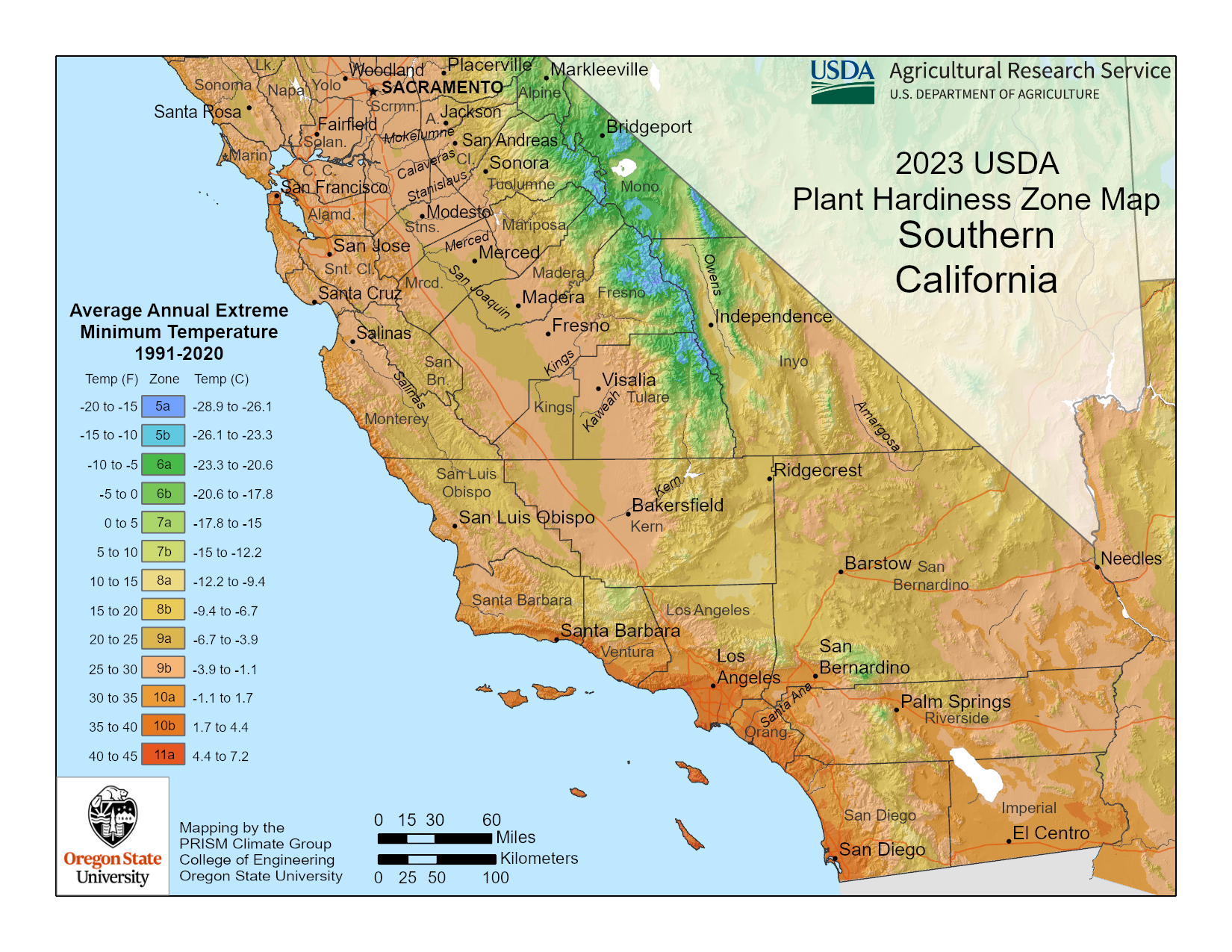
Southern California, a vast and diverse region stretching from the windswept coastlines to the stark desert interiors, doesn’t neatly fit into a single geographical or climatic “zone” in the traditional sense. Instead, it is a tapestry woven from multiple distinct environments, each offering unique experiences and attractions. For travelers seeking to understand this iconic American landscape, grasping these varied zones is crucial for planning an unforgettable journey. This exploration delves into the defining characteristics of Southern California’s key regions, guiding you through its varied terrains, from the sun-drenched beaches of Los Angeles and San Diego to the arid beauty of the Mojave Desert and the mountainous retreats of Big Bear Lake.
The Coastal Enclave: Sun, Sand, and Surf
The most recognized and arguably the most alluring “zone” of Southern California is its extensive coastline. This 500-mile stretch of Pacific Ocean frontage is a playground for sun-seekers, surfers, and those drawn to the vibrant energy of its seaside cities and towns. The climate here is famously mild, characterized by warm, dry summers and cool, wet winters, often referred to as a Mediterranean climate. This ideal weather fosters an outdoor lifestyle that is central to the region’s appeal.
Beaches and Boardwalks
From the iconic surfing meccas of Malibu and Huntington Beach to the family-friendly shores of Santa Monica and La Jolla, the beaches are the heart of this zone. Each stretch of sand offers a distinct personality. Santa Monica State Beach, with its historic pier and amusement park, provides classic California fun. Further south, Coronado Beach in San Diego is renowned for its soft, golden sand and picturesque setting. For those seeking a more bohemian vibe, Venice Beach offers a spectacle of street performers, artists, and eclectic characters. Beyond the sand, picturesque promenades and boardwalks invite leisurely strolls, bike rides, and exploration of charming seaside villages.
Urban Coastal Hubs
Interspersed along this coastline are some of the world’s most dynamic urban centers. Los Angeles itself is a sprawling metropolis where the mountains meet the sea, offering a dizzying array of cultural attractions, world-class dining, and entertainment. Its coastal neighborhoods, such as Santa Monica, Venice, and Manhattan Beach, exude a distinct beach-town charm, blending sophisticated urban living with a relaxed, sun-kissed sensibility. Further south, San Diego presents a more laid-back, yet equally captivating, coastal experience, with its beautiful harbors, historic Gaslamp Quarter, and the renowned Balboa Park.
Coastal Ecosystems and Marine Life
The ocean itself forms a critical part of this zone. The cool Pacific waters support a rich marine ecosystem, making it a prime destination for whale watching, dolphin tours, and snorkeling. The Channel Islands National Park, accessible from coastal cities like Ventura and Santa Barbara, offers a pristine sanctuary for diverse marine life and unique island flora and fauna. Coastal wetlands and estuaries also play a vital role, serving as crucial habitats for migratory birds and other wildlife.
The Inland Valleys and Basin: Urban Sprawl and Agricultural Bounty
Moving inland from the coast, Southern California transitions into a complex network of valleys and basins, dominated by the vast Los Angeles Basin. This zone is characterized by its significant urban development, sprawling suburbs, and a history deeply intertwined with agriculture, particularly citrus groves and vineyards. The climate here is generally hotter and drier than the coast, with less marine influence.
Metropolitan Landscapes
The Los Angeles Basin is the economic and cultural engine of Southern California. It encompasses the sprawling metropolis of Los Angeles and its surrounding counties, including Orange County, Riverside County, and San Bernardino County. This zone is defined by its extensive freeways, diverse neighborhoods, and iconic landmarks. It’s where you’ll find the entertainment industry hubs of Hollywood and Burbank, the bustling ports of Long Beach and Los Angeles, and a vast residential and commercial landscape.
Agricultural Heritage
Despite the urban spread, pockets of agricultural productivity remain, a testament to the region’s fertile land and favorable climate. The Imperial Valley, though further east, is a significant agricultural region in Southern California, known for its year-round crop production due to irrigation from the Colorado River. Historically, the San Gabriel Valley and parts of Orange County were renowned for their citrus groves. While development has transformed much of this, the legacy of agriculture is still visible and influences the local food scene.
Subtropical and Arid Transitions
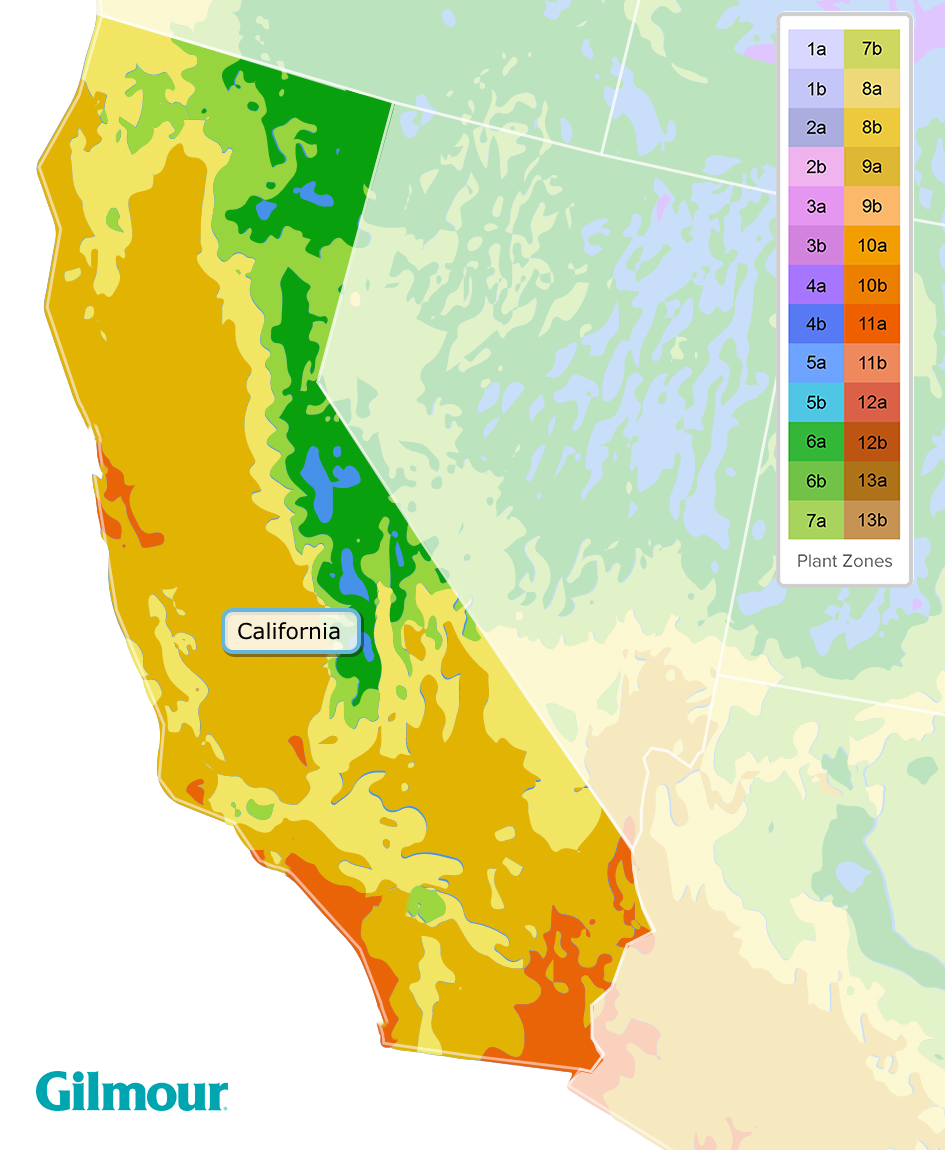
The climate in the inland valleys can vary significantly. Areas closer to the coast still benefit from some maritime influence, while those further inland experience more extreme temperatures. The transition towards arid conditions becomes more pronounced as one moves further east, hinting at the desert zones to come. This zone is a fascinating blend of human-made environments and the natural landscapes that shaped its development.
The Desert Frontier: Aridity, Extremes, and Natural Wonders
To the east and north of the coastal and valley regions lies the vast expanse of Southern California’s desert zone. This is a realm of stark beauty, extreme temperatures, and unique geological formations. It encompasses iconic landscapes like the Mojave Desert, the Colorado Desert, and the dramatic mountains that punctuate these arid plains.
Iconic Deserts and Their Features
The Mojave Desert is perhaps the most famous, home to the surreal landscapes of Joshua Tree National Park, with its namesake alien-like trees and massive rock formations, and the otherworldly vistas of Death Valley National Park, the lowest point in North America and a land of extreme heat and salt flats. The Colorado Desert, part of the larger Sonoran Desert, offers its own unique flora, including the towering saguaro cactus in areas near the Colorado River. These deserts are characterized by low rainfall, intense solar radiation, and dramatic temperature fluctuations between day and night, and summer and winter.
Unique Flora and Fauna
Despite the harsh conditions, desert ecosystems teem with life, adapted in incredible ways to survive. Visitors can marvel at drought-resistant plants like the Joshua tree, agave, and various cacti, which bloom spectacularly after rare rainfall events. Wildlife includes resilient creatures such as desert tortoises, bighorn sheep, coyotes, and a variety of reptiles and insects, many of which are nocturnal to avoid the daytime heat.
Geological Marvels and Dark Skies
The desert landscapes are sculpted by geological forces over millennia. Visitors can explore ancient dry lake beds, vast sand dunes, canyons carved by ephemeral rivers, and unique rock formations. The clear, unpolluted skies of the desert make it an exceptional location for stargazing, with numerous designated dark sky areas offering unparalleled views of the cosmos. The Salton Sea, a large inland lake in the Colorado Desert, is a man-made ecological anomaly with a unique environment.
The Mountain Retreats: Alpine Air and Seasonal Charm
Nestled between the coastal plains and the desert expanses are Southern California’s mountain ranges, offering a dramatic contrast in elevation, climate, and recreational opportunities. These include the San Bernardino Mountains, the San Gabriel Mountains, and the San Jacinto Mountains. This zone provides a cooler respite from the heat and a gateway to alpine adventures.
Mountain Communities and Activities
Popular mountain destinations like Big Bear Lake and Lake Arrowhead in the San Bernardino Mountains are year-round recreational hubs. In winter, they transform into ski resorts, attracting snow sports enthusiasts to Snow Valley Mountain Resort and Bear Mountain. Summer brings hiking, boating, fishing, and camping. These communities offer charming village centers with shops, restaurants, and lodging, providing a cozy mountain getaway experience.
Natural Beauty and Biodiversity
The higher elevations boast coniferous forests, alpine meadows, and rugged peaks. These mountains are crucial watershed areas, providing water to the lower-lying regions. The biodiversity here is distinct from the coast and desert, with species adapted to cooler temperatures and snowfall. Hiking trails wind through these scenic landscapes, offering breathtaking views and opportunities to connect with nature.
Scenic Drives and Overlooks
Driving through these mountain ranges, such as along the Rim of the World Scenic Byway, offers spectacular vistas. Numerous overlooks provide panoramic views of the vast Southern California landscape stretching out below, from the urban sprawl to the distant desert. The crisp mountain air and the changing seasons create a constantly evolving and beautiful environment.
In conclusion, understanding the “zone” of Southern California is about appreciating its multifaceted nature. It is a region where the desert meets the sea, where mountains overlook sprawling cities, and where diverse climates foster a wealth of unique landscapes and experiences. For any traveler, recognizing these distinct zones is the first step to unlocking the full richness and wonder of this extraordinary part of the world.
LifeOutOfTheBox is a participant in the Amazon Services LLC Associates Program, an affiliate advertising program designed to provide a means for sites to earn advertising fees by advertising and linking to Amazon.com. Amazon, the Amazon logo, AmazonSupply, and the AmazonSupply logo are trademarks of Amazon.com, Inc. or its affiliates. As an Amazon Associate we earn affiliate commissions from qualifying purchases.