
For many, the mention of Texas conjures images of vast open spaces, scorching deserts, and perhaps the iconic urban sprawl of its major cities. Yet, beneath this surface lies a remarkably diverse landscape, home to an incredible array of flora that thrives in distinct climatic conditions. For travelers, gardeners, or simply those with a keen interest in nature, understanding the planting zones of Texas is not just a horticultural detail; it’s a key to unlocking unique travel experiences, appreciating local culture, and choosing the perfect time and place for a memorable visit.
From the subtropical warmth of the Gulf Coast to the high desert plateaus of the west and the temperate plains of the north, Texas encompasses a broad spectrum of environments. This climatic variation is precisely why the state cannot be defined by a single planting zone. Instead, it’s a mosaic of different zones, each dictating what plants can flourish and, consequently, shaping the natural beauty, agricultural practices, and even the architectural styles found in its various regions. Whether you’re planning a trip focused on garden tourism, exploring national parks, or simply enjoying the local cuisine influenced by regional produce, knowing the planting zones will significantly enhance your understanding and enjoyment of the Lone Star State.
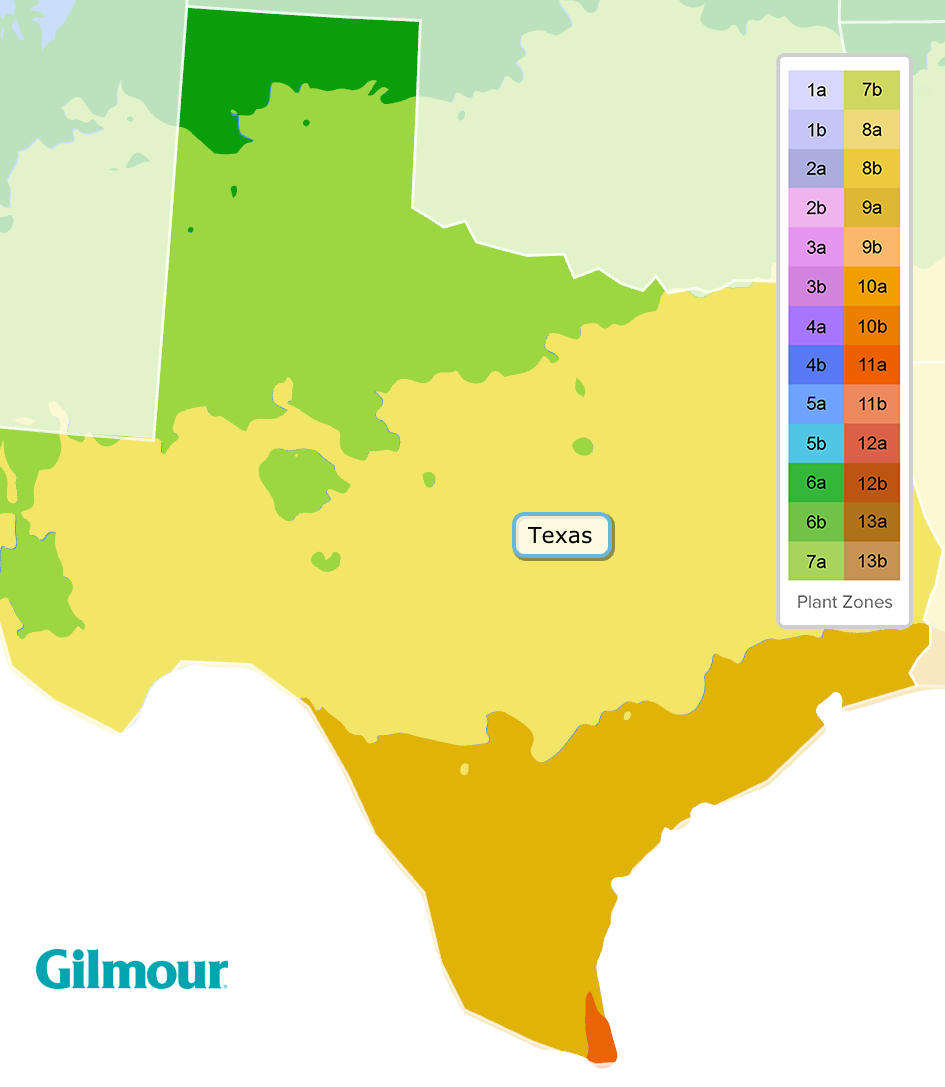
Understanding USDA Hardiness Zones in Texas
At the heart of deciphering Texas’s horticultural landscape are the USDA Plant Hardiness Zones. These zones are the standard by which gardeners and growers determine which plants are most likely to thrive at a location. They are based on the average annual extreme minimum winter temperature, providing a reliable guide for plant survival during the coldest parts of the year.
The Basics of Hardiness Zones
The United States Department of Agriculture (USDA) system divides North America into 13 zones, each representing a 10°F (5.6°C) difference in average annual extreme minimum winter temperature. Each zone is further divided into ‘a’ and ‘b’ subzones, representing a 5°F (2.8°C) difference. For example, Zone 8a indicates an average annual extreme minimum temperature between 10°F and 15°F (-12.2°C and -9.4°C), while Zone 8b is between 15°F and 20°F (-9.4°C and -6.7°C).
For travelers, these zones are far more than just numbers on a map; they are indicators of the types of natural beauty and agricultural bounty one can expect to encounter. A visit to a botanical garden in a Zone 9b area will offer a vastly different visual and sensory experience than one in a Zone 7a region, showcasing plants adapted to their specific temperature ranges. This knowledge can guide your travel plans, helping you seek out regions renowned for specific floral displays or agricultural products, connecting you more deeply with the local environment and its offerings.
Texas’s Expansive Horticultural Tapestry
Texas is a land of extremes and vastness, and its planting zones reflect this diversity perfectly. The state spans a remarkable range, typically from Zone 6b in the extreme northern Panhandle to Zone 10b along parts of the lower Gulf Coast and far southern regions. This extensive range means that a plant that thrives outdoors year-round in Brownsville (Zone 10a) would likely perish during the winter in Amarillo (Zone 6b).
This horticultural tapestry is precisely what makes Texas an unparalleled destination for nature enthusiasts and those interested in diverse ecosystems. From the rugged beauty of desert succulents to the vibrant displays of subtropical flowers, the landscape shifts dramatically as you traverse the state. This diversity influences everything from the type of agriculture that defines a region’s economy to the native plants that color its hillsides and plains. Understanding these zones allows travelers to anticipate the kind of scenery they will encounter, plan visits to coincide with specific blooming seasons, and even appreciate the unique challenges and triumphs of local gardening and farming communities. For those seeking accommodation, this knowledge might also influence choices, perhaps leading to a resort known for its lush, tropical gardens in the south, or a charming inn nestled among hardy native plants in the Hill Country.
A Regional Dive: Texas’s Diverse Planting Landscapes
To truly appreciate Texas’s botanical richness, it’s essential to break down the state into its distinct regions, each with its characteristic planting zones and unique flora. This regional approach offers a clearer picture for planning travel and experiencing the authentic natural essence of each area.
North Texas: Prairie and Urban Greenery (Zones 7a-8a)
North Texas, home to major metropolitan areas like Dallas and Fort Worth, typically falls within Zones 7a to 8a. This region experiences colder winters compared to the southern parts of the state, but still enjoys long, hot summers. The native landscape here is characterized by prairie grasses and hardy deciduous trees. In urban settings, these zones support a wide variety of ornamental plants, including crape myrtles, magnolias, oaks, and pecans. Many annuals and perennials that thrive in temperate climates also do well here.
For travelers, North Texas offers an intriguing blend of urban sophistication and natural beauty. Landmarks like the Dallas Arboretum and Botanical Garden are prime examples of how horticulture flourishes in this zone, showcasing stunning seasonal displays that draw thousands of visitors. These gardens often host events, workshops, and exhibitions that highlight plants suitable for Zone 7a/8a, making them key attractions for tourists interested in local flora. Beyond the structured gardens, exploring the region’s numerous parks and green spaces reveals the resilient beauty of native prairie plants. Accommodation options in cities like Dallas often feature beautifully landscaped grounds, providing a taste of the region’s green thumb even within a bustling urban environment.
Central Texas: Hill Country Charm (Zones 8a-8b)
Moving south into Central Texas, the landscape transitions into the iconic Hill Country, primarily within Zones 8a to 8b. This region, encompassing vibrant cities like Austin and San Antonio, is famous for its rolling hills, limestone cliffs, and spring-fed rivers. The slightly milder winters and warm summers allow for a greater diversity of plants, including many drought-tolerant natives. This is the heartland of the beloved Texas Bluebonnet, along with other wildflowers like Indian Paintbrush and Evening Primrose. Native trees such as Live Oaks, Cedar Elms, and Texas Redbuds define the landscape.
Central Texas is a prime destination for outdoor enthusiasts and those seeking a blend of natural beauty and cultural experiences. The blooming of wildflowers in spring transforms the hills into a painter’s palette, drawing visitors from around the globe for scenic drives and photography. Destinations such as Lady Bird Lake in Austin or the historic San Antonio Riverwalk are not just urban landmarks; they are living examples of how native and adapted plants enhance public spaces, providing lush green corridors and a sense of tranquility. The region also boasts a growing wine industry, with vineyards in areas like Fredericksburg flourishing due to the suitable climate. Travelers often find charming bed and breakfasts or boutique hotels nestled in the countryside, their gardens showcasing the hardy beauty of Hill Country flora. This zone’s agriculture also thrives, influencing the popular farm-to-table culinary scene prevalent in its cities.
East Texas: Piney Woods and Lush Gardens (Zones 8b-9a)
East Texas is characterized by its humid subtropical climate, abundant rainfall, and dense forests, primarily falling within Zones 8b to 9a. This region, often called the Piney Woods, is a stark contrast to the drier west. Here, longleaf, loblolly, and shortleaf pines dominate the landscape, alongside a rich understory of deciduous trees and shrubs. The mild winters and ample moisture create ideal conditions for acid-loving plants like azaleas, dogwoods, camellias, and magnolias, which burst into spectacular bloom in spring. Cities like Houston and Tyler are situated in this verdant zone.
For tourism, East Texas offers a different kind of natural escape. The blooming of dogwoods and azaleas in early spring creates breathtaking vistas, particularly in Tyler, known as the “Rose Capital of America.” The Tyler Rose Garden is a nationally recognized landmark, showcasing thousands of rose bushes that thrive in this hospitable climate. In Houston, urban green spaces like the Mercer Botanic Gardens display an impressive collection of native and exotic plants, offering a tranquil retreat from the city bustle. Travel experiences here often involve exploring state parks, engaging in forest recreation, or visiting historical homes with their meticulously maintained gardens. Accommodation in this region might feature resorts with extensive landscaping that capitalizes on the favorable growing conditions, providing a luxurious, verdant setting.
South Texas & Gulf Coast: Subtropical Paradise (Zones 9a-10b)
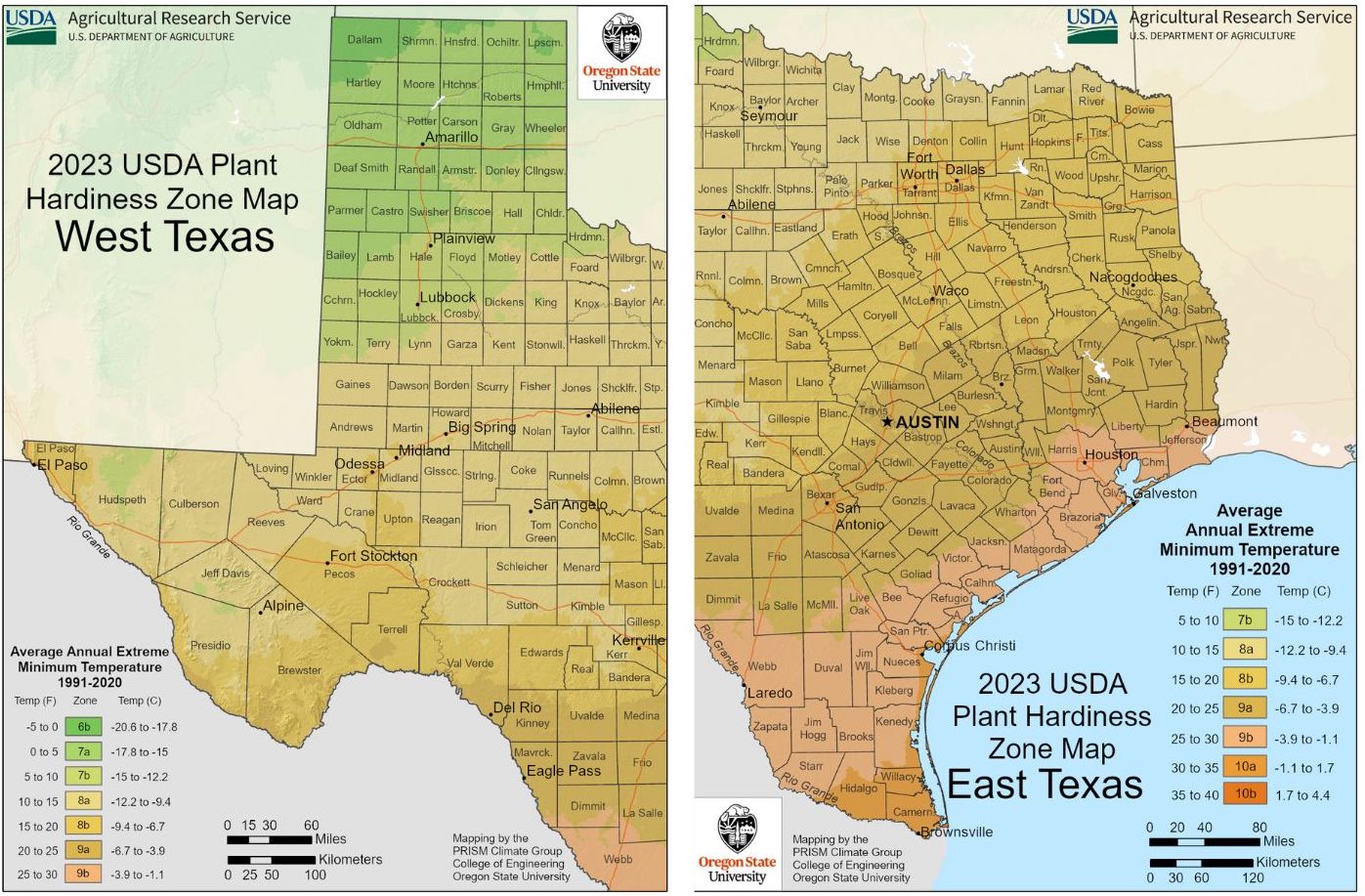
The southernmost tip of Texas and its extensive Gulf Coast, including cities like Corpus Christi, Brownsville, and destinations like South Padre Island, represent the warmest planting zones in the state, ranging from 9a to 10b. This subtropical climate, characterized by mild, short winters and long, hot, humid summers, allows for a truly tropical and semi-tropical plant palette. Palm trees, citrus groves (oranges, grapefruits), bougainvillea, hibiscus, and various other heat-loving and salt-tolerant plants thrive here.
This region is a magnet for tourists seeking sun, sand, and unique natural habitats. The warm climate and specific planting zones support vibrant ecosystems crucial for birdwatching, particularly along the coast. Padre Island National Seashore, for example, is a haven for migratory birds and sea turtles, its dunes stabilized by hardy coastal grasses. Tourism in this area is heavily focused on beach activities, wildlife viewing, and water sports. Accommodation often includes large resorts and hotels that incorporate lush, tropical landscaping into their design, creating an immersive “vacation paradise” atmosphere. The local cuisine is often influenced by the abundant seafood and tropical fruits that are locally grown or sourced, offering a distinct culinary experience.
West Texas: Desert Resilience (Zones 7a-8b)
The expansive and arid landscapes of West Texas, stretching from the Chihuahuan Desert to the Davis Mountains, largely fall into Zones 7a to 8b, though with unique microclimates influenced by elevation. This region is defined by its dramatic topography, extreme temperatures, and limited rainfall, necessitating a specialized flora. Plants here are masters of resilience, adapted to harsh conditions, including various cacti, succulents, agaves, and creosote bushes. Cities like El Paso showcase how urban environments can integrate this arid beauty.
For adventurous travelers, West Texas offers an unparalleled experience of rugged wilderness and stark beauty. National parks such as Big Bend National Park and Guadalupe Mountains National Park protect vast tracts of desert and mountain ecosystems, where the unique native plants are a major draw. Hiking, stargazing, and photography are popular activities, allowing visitors to appreciate the subtle yet profound beauty of desert flora. The resilient plants not only survive but thrive, creating surprising bursts of color after rare rains. Local tourism focuses on eco-tourism and outdoor adventures, with accommodation often taking the form of rustic lodges, ranches, or small hotels that embrace the desert aesthetic. The lifestyle here is one of respect for nature’s power and fragility, and an appreciation for the tenacious life that endures.
How Planting Zones Influence Your Texas Travel Experience
Understanding Texas’s planting zones offers more than just horticultural knowledge; it provides a framework for enriching your travel, tourism, and lifestyle experiences across the state.
Seasonal Beauty and Photography
The distinct planting zones dictate the seasonal beauty of each region, making Texas a year-round destination for those who appreciate natural aesthetics. For example, to witness the iconic bluebonnet season, a trip to Central Texas in early to mid-spring (March-April) is ideal, while the azalea and dogwood blooms of East Texas might peak slightly later. Coastal areas offer lush tropical foliage year-round, while West Texas might have a brief, spectacular desert bloom after spring rains. Photographers, artists, and nature lovers can strategically plan their visits to capture specific floral events, transforming a casual trip into a bespoke botanical tour. This attention to seasonal cycles enhances the overall travel experience, allowing visitors to see Texas in its many colorful guises.
Local Cuisine and Agriculture
Planting zones profoundly influence local cuisine and agricultural practices. Regions with warmer zones, like South Texas, are known for citrus fruits and subtropical produce, influencing local dishes and farmers’ markets. The Hill Country’s zones support vineyards and peach orchards, contributing to a vibrant wine and fruit industry around Fredericksburg. East Texas’s fertile soils are excellent for blueberries and various row crops. Understanding these connections means that a culinary tour through Texas is implicitly a journey through its hardiness zones, revealing how the land shapes the plate. Farm-to-table restaurants proudly feature ingredients specific to their local zone, offering a taste of the region’s unique horticultural identity. For foodies, exploring these connections becomes a delicious part of the travel experience.
Garden Tourism and Horticultural Landmarks
Texas’s diverse zones have fostered a remarkable collection of public and private gardens, botanical institutions, and horticultural landmarks. Places like the Dallas Arboretum and Botanical Garden, the Tyler Rose Garden, and Mercer Botanic Gardens are not merely pretty parks; they are living laboratories and cultural repositories that showcase the best of what can grow in their respective zones. Visiting these sites allows travelers to see both native and adapted plants thriving, often with expert interpretation. Many offer guided tours, special events, and educational programs, providing deeper insights into the region’s plant life and its ecological significance. These attractions form the backbone of a vibrant garden tourism sector, appealing to anyone with an interest in natural history, landscaping, or simply beautiful spaces.
Accommodation Choices for Nature Enthusiasts
For travelers whose lifestyle embraces nature and gardening, planting zones can even guide accommodation choices. Many resorts, hotels, and bed-and-breakfasts across Texas leverage their local environment through thoughtful landscaping. A luxury resort near Galveston might feature stunning tropical pool areas and exotic plantings appropriate for Zone 9b, while a charming inn in Fredericksburg could boast native plant gardens that attract local wildlife. Eco-lodges near Big Bend National Park often blend seamlessly into the desert landscape, showcasing drought-tolerant native species. Travelers seeking a particular aesthetic or wishing to immerse themselves in a specific natural environment can use planting zones as a filter, looking for accommodation that aligns with their botanical interests. This integration of the natural environment into the accommodation experience enhances the overall sense of place and connection to the destination.
Planning Your Texas Horticultural Adventure
Embarking on a Texas adventure with an understanding of its planting zones transforms a simple trip into an enriching exploration of ecology, culture, and natural beauty.
Best Times to Visit
Timing your visit to Texas can significantly impact your experience of its flora. For widespread wildflower blooms, late March through April is prime time for Central and South Texas. East Texas’s azaleas and dogwoods also typically peak in early spring. Summer in Texas is hot, but it’s when many tropical and heat-loving plants are at their most vibrant, particularly along the Gulf Coast. Fall offers cooler temperatures and beautiful foliage in some areas, especially the more temperate zones. Even winter has its charms, especially in the mild southern zones where some plants remain green and hardy natives provide structure. Planning around these natural cycles ensures you catch the state at its most visually captivating.
What to Pack and Expect
Given the vast differences in climate across Texas’s planting zones, what you pack will vary depending on your destination and the time of year. Always be prepared for diverse weather, from the humid warmth of the coast to the dry heat of the desert or the occasional cold snap in the north. If you plan on exploring botanical gardens or natural areas, comfortable walking shoes are a must. Sun protection is crucial throughout the state. Understanding the zone also sets expectations for the natural environment: expect lush, humid conditions in the east, arid beauty in the west, and temperate transitions in between. This preparation allows for a more comfortable and enjoyable immersion into Texas’s diverse landscapes.

Engaging with Local Culture
Beyond grand botanical gardens, engaging with the local plant culture provides a deeper understanding of Texas. Seek out local nurseries and garden centers to see what plants are popular and suited for the specific zone. Attend local farmers’ markets to taste seasonal produce, connect with growers, and learn about regional agriculture. Many communities host garden tours, plant sales, or festivals that celebrate local flora, offering a unique opportunity to interact with residents and experience their connection to the land. This kind of interaction fosters a richer travel experience, moving beyond mere sightseeing to a genuine appreciation of the lifestyle and traditions shaped by the diverse planting zones of Texas.
In conclusion, Texas is far from a monolithic landscape. Its varied USDA planting zones are a testament to its incredible environmental diversity, influencing everything from its natural beauty and agricultural output to its travel experiences and local culture. By understanding these zones, travelers can unlock a richer, more intentional journey through the Lone Star State, discovering its hidden botanical gems, savoring its regional flavors, and truly appreciating the dynamic interplay between climate, plants, and the human experience. Whether you’re a seasoned horticulturist or simply a curious traveler, exploring Texas through the lens of its planting zones promises a deeply rewarding and uniquely vibrant adventure.
LifeOutOfTheBox is a participant in the Amazon Services LLC Associates Program, an affiliate advertising program designed to provide a means for sites to earn advertising fees by advertising and linking to Amazon.com. Amazon, the Amazon logo, AmazonSupply, and the AmazonSupply logo are trademarks of Amazon.com, Inc. or its affiliates. As an Amazon Associate we earn affiliate commissions from qualifying purchases.