
Florida, a state renowned for its sun-drenched beaches, vibrant theme parks, and diverse cultural tapestry, is also a place that prioritizes the safety and well-being of its residents and visitors. While many are familiar with Amber Alerts for missing children, Florida has introduced a specialized alert system designed to address a specific and critical need within its tourism and travel landscape: the Purple Alert. This system, though perhaps less universally known, plays a vital role in ensuring that vulnerable individuals who wander or go missing, particularly those with conditions that impair their cognitive abilities, can be located swiftly and safely. Understanding the Purple Alert is essential for anyone planning a trip to the Sunshine State or for those who call it home, as it represents a crucial layer of security within the realm of Florida travel and tourism.
The Genesis and Purpose of the Purple Alert
The Purple Alert system in Florida was established to bridge a critical gap in emergency notification protocols. Prior to its implementation, the existing alert systems were primarily focused on specific scenarios, such as child abductions (Amber Alert) or immediate threats to public safety (Silver Alert for missing seniors). However, a significant population group, namely individuals with developmental disabilities, cognitive impairments, or other conditions that could lead to disorientation and wandering, often fell outside the scope of these existing alerts. This left families and caregivers in a state of profound distress when their loved ones went missing, facing a limited window for effective search and rescue.
The establishment of the Purple Alert system, officially enacted through Florida legislation, recognized the unique vulnerabilities of this demographic. The “purple” in the alert’s name is significant; it is often associated with the “Purple Day” initiative, which aims to raise awareness for epilepsy and other seizure disorders, and more broadly, it has become a color representing disability awareness. By dedicating an alert system to these individuals, Florida signaled a commitment to inclusive safety and a recognition that specialized support is needed to reunite them with their families and communities.
The core purpose of the Purple Alert is to facilitate the rapid dissemination of information to the public and law enforcement agencies when a vulnerable individual with a cognitive impairment is missing. This immediate notification is paramount, as the first few hours after a person goes missing are often the most critical for a successful recovery. The alert mobilizes a wider net of eyes and ears, turning ordinary citizens into potential assets in the search effort.
Key Distinctions from Other Alerts
It is crucial to differentiate the Purple Alert from other well-known emergency notifications to fully appreciate its specific function within Florida’s public safety framework.
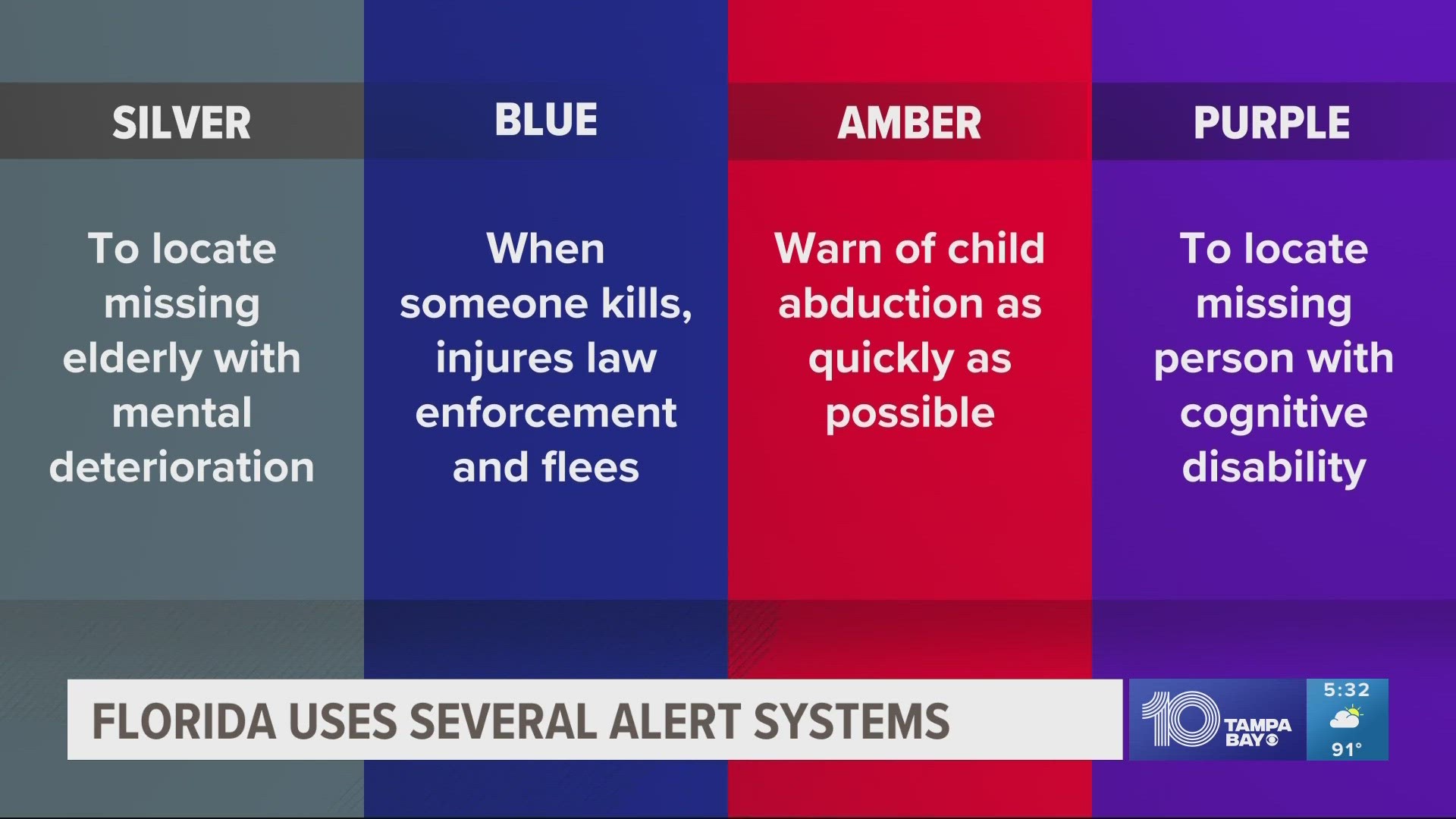
- Amber Alert: Primarily for abducted children under the age of 18. The focus is on criminal abduction.
- Silver Alert: Designed for missing elderly individuals (typically 60 and older) who suffer from a cognitive impairment, such as Alzheimer’s disease or dementia, and are deemed endangered.
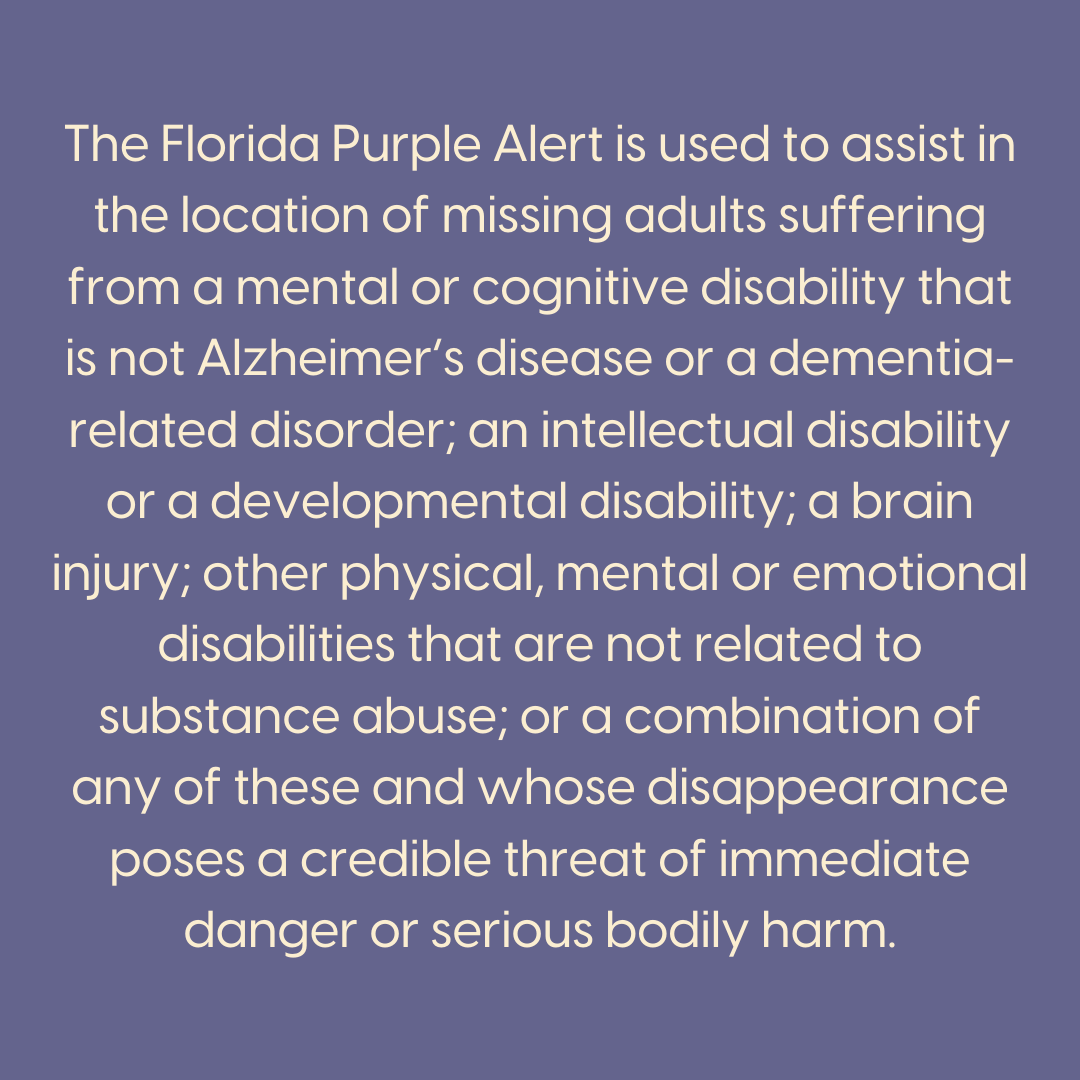
- Purple Alert: This system is specifically for missing individuals of any age who have a documented developmental disability, cognitive impairment, or mental health condition that causes them to be a danger to themselves or others if they wander. This includes conditions like autism spectrum disorder, intellectual disabilities, schizophrenia, bipolar disorder, and other similar diagnoses.
The Purple Alert’s broad scope regarding age and the specific emphasis on cognitive impairments that lead to disorientation and wandering make it a distinct and indispensable tool for the diverse population of Florida, including its many tourists who may be less familiar with local environments and more susceptible to becoming disoriented.
Activation Criteria for a Purple Alert
The activation of a Purple Alert is not a casual decision; it is governed by strict criteria to ensure that the system is used effectively and responsibly. These criteria are designed to confirm that a genuine need exists and that the alert is likely to be beneficial in locating the missing individual. Law enforcement agencies in Florida are responsible for determining whether to issue a Purple Alert, working in close coordination with the Florida Department of Law Enforcement (FDLE).
Essential Requirements for Activation
For a Purple Alert to be issued, several key conditions must typically be met:
- Law Enforcement Agency Referral: The alert can only be activated at the request of a law enforcement agency that is investigating the disappearance. This ensures that a formal investigation is already underway.
- Missing Person Classification: The missing person must be believed to have a developmental disability, cognitive impairment, or mental health condition that causes them to be a danger to themselves or others if they wander. This is the cornerstone of the Purple Alert’s purpose.
- Circumstances of Disappearance: There must be a reasonable belief that the individual has wandered off or is lost. This distinguishes it from cases where the person is intentionally hiding or has been abducted by someone not related to their cognitive impairment.
- Endangerment: The law enforcement agency must determine that the individual is in danger of harm or death due to their condition and the circumstances of their disappearance. This assessment considers factors like the weather, the terrain, the individual’s medical needs, and the duration of their absence.
- Sufficient Information: There must be enough descriptive information about the missing person, including their physical characteristics, clothing, and any distinguishing features, to enable the public to assist in identifying and locating them. This includes a recent photograph.
- Verification of Identity: The missing person’s identity must be confirmed.
Law enforcement agencies will often work closely with the family or legal guardians of the missing individual to gather all necessary information and confirm these critical details before submitting a request to the FDLE for alert activation. The goal is to ensure that every Purple Alert issued is for a genuine and urgent situation.
How the Purple Alert Works and Public Involvement
Once a Purple Alert is activated, the information is rapidly disseminated through a multi-channel network designed to reach as many people as possible. This immediate and widespread notification is what makes the alert system so powerful in reuniting vulnerable individuals with their loved ones. The system leverages technology and community engagement to maximize its effectiveness.
Dissemination Channels
The Purple Alert system utilizes a variety of channels to broadcast critical information:
- Law Enforcement Networks: The alert is immediately transmitted to all law enforcement agencies within Florida, as well as neighboring states, equipping officers on the ground with vital details.
- Media Partnerships: Alert information is sent to television and radio stations, which are often required to interrupt programming to broadcast the alert. This ensures that information reaches a broad audience.
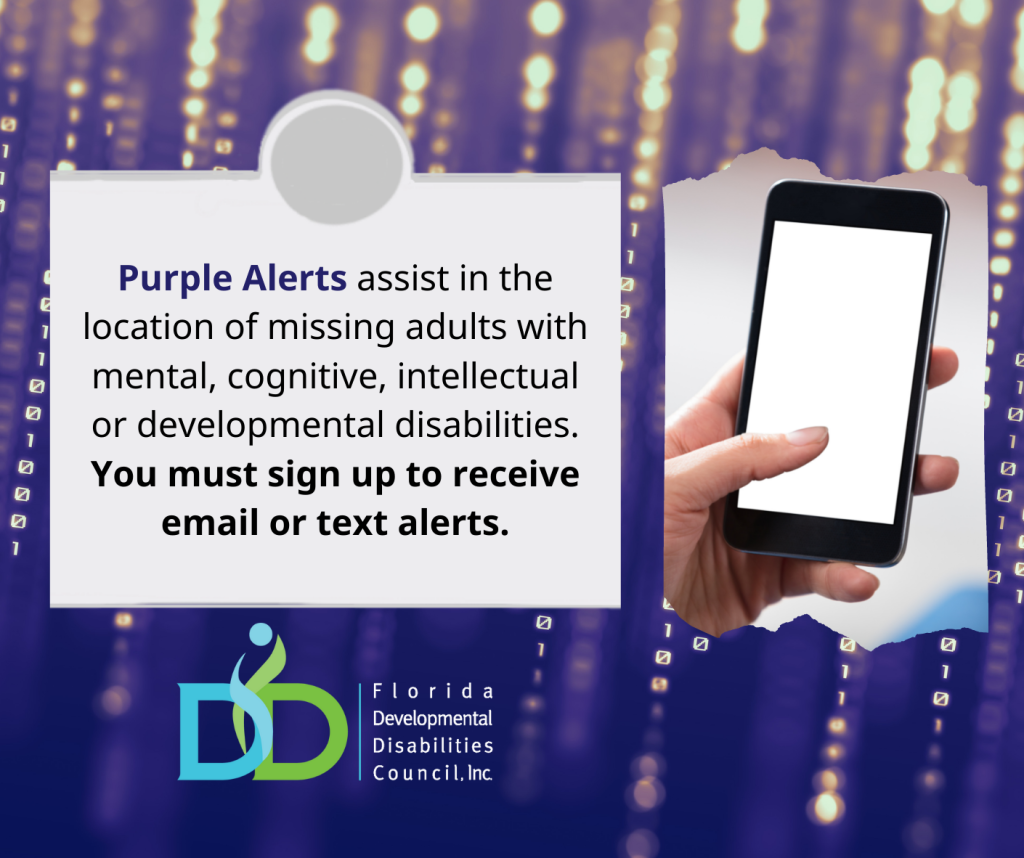
- Wireless Emergency Alerts (WEA): Similar to Amber Alerts, Purple Alerts can be sent directly to mobile phones within a specific geographic area via the Wireless Emergency Alerts system. This is a powerful tool for reaching people in real-time as they travel or go about their daily lives in Florida.
- Social Media and Online Platforms: The FDLE and participating law enforcement agencies will often post alert details on their official social media pages and websites. This allows for rapid sharing by the public.
- Roadside Signage: In some instances, electronic highway signs may be utilized to display information about the missing person, especially if they are believed to be traveling by vehicle.
The Public’s Role in a Purple Alert
The success of a Purple Alert hinges on the active participation of the public. When a Purple Alert is issued, every Floridian and visitor has a role to play in helping to bring a missing individual home safely.
- Be Vigilant: Pay close attention to the details provided in the alert, including the person’s description, clothing, and any known direction of travel.
- Report Suspicious Sightings: If you see someone who matches the description in the alert, do not approach them directly, especially if they appear disoriented or distressed.
- Contact Law Enforcement Immediately: The most important action is to contact the local law enforcement agency or dial 911 to report the sighting. Provide as much detail as possible about the location and the individual’s current behavior.
- Share Information: If you see a Purple Alert on social media, share it within your networks to increase awareness.
It is essential for travelers in Florida to be aware of the Purple Alert system. While enjoying destinations like Walt Disney World, exploring the Everglades National Park, or relaxing on the beaches of Miami Beach, knowing about this alert system can empower you to be a helpful part of the community’s safety net. Understanding the Purple Alert contributes to a safer and more secure travel experience for everyone visiting or residing in the state.
Implications for Travelers and Tourism in Florida
The existence and effective operation of the Purple Alert system have several important implications for travelers and the broader tourism industry in Florida. While the alert is primarily a safety measure, it also speaks to the state’s commitment to creating a welcoming and secure environment for all visitors, including those with special needs.
For families traveling with children or elderly relatives who may have cognitive impairments or other conditions that could lead to wandering, knowing that a system like the Purple Alert is in place can offer significant peace of mind. It means that if the unthinkable happens, there is a dedicated and rapid response mechanism designed specifically to help locate their loved ones. This can influence travel decisions, making Florida a more attractive destination for families who might otherwise hesitate due to concerns about safety and support systems.
The tourism sector itself benefits from a strong public safety infrastructure. When visitors feel secure, they are more likely to enjoy their experiences, spend more time exploring, and recommend the destination to others. The Purple Alert, as part of this broader safety net, contributes to Florida’s reputation as a destination that cares about the well-being of everyone within its borders.
Enhancing Safety and Peace of Mind
- Preparedness for Visitors: Travelers who have a family member with a condition that might lead to wandering should familiarize themselves with general safety tips for traveling with such individuals. This includes having current photographs, medical information readily available, and discussing potential risks with travel companions. Knowing about the Purple Alert adds another layer of preparedness.
- Community Responsibility: The alert system fosters a sense of community responsibility. It encourages residents and visitors alike to be observant and to report anything suspicious. This shared commitment to safety strengthens the fabric of the tourist experience.
- Support for Vulnerable Populations: Florida’s commitment to the Purple Alert underscores its dedication to supporting vulnerable populations. This inclusivity is increasingly important for travelers who seek destinations that are accommodating and safe for all family members. Destinations like Orlando, with its extensive family attractions, and Tampa, with its renowned Busch Gardens, can be more appealing when visitors know robust safety measures are in place.
In essence, the Purple Alert is more than just an emergency notification system; it is a testament to Florida’s proactive approach to public safety and its understanding of the diverse needs of its population and visitors. By staying informed about such systems, travelers can better navigate their journeys and contribute to a safer environment for themselves and others within the Sunshine State. Understanding the Purple Alert is a small but significant piece of knowledge that enhances the overall travel experience in Florida.
LifeOutOfTheBox is a participant in the Amazon Services LLC Associates Program, an affiliate advertising program designed to provide a means for sites to earn advertising fees by advertising and linking to Amazon.com. Amazon, the Amazon logo, AmazonSupply, and the AmazonSupply logo are trademarks of Amazon.com, Inc. or its affiliates. As an Amazon Associate we earn affiliate commissions from qualifying purchases.