
A Culinary Icon Explained: The Anatomy of Baked Alaska
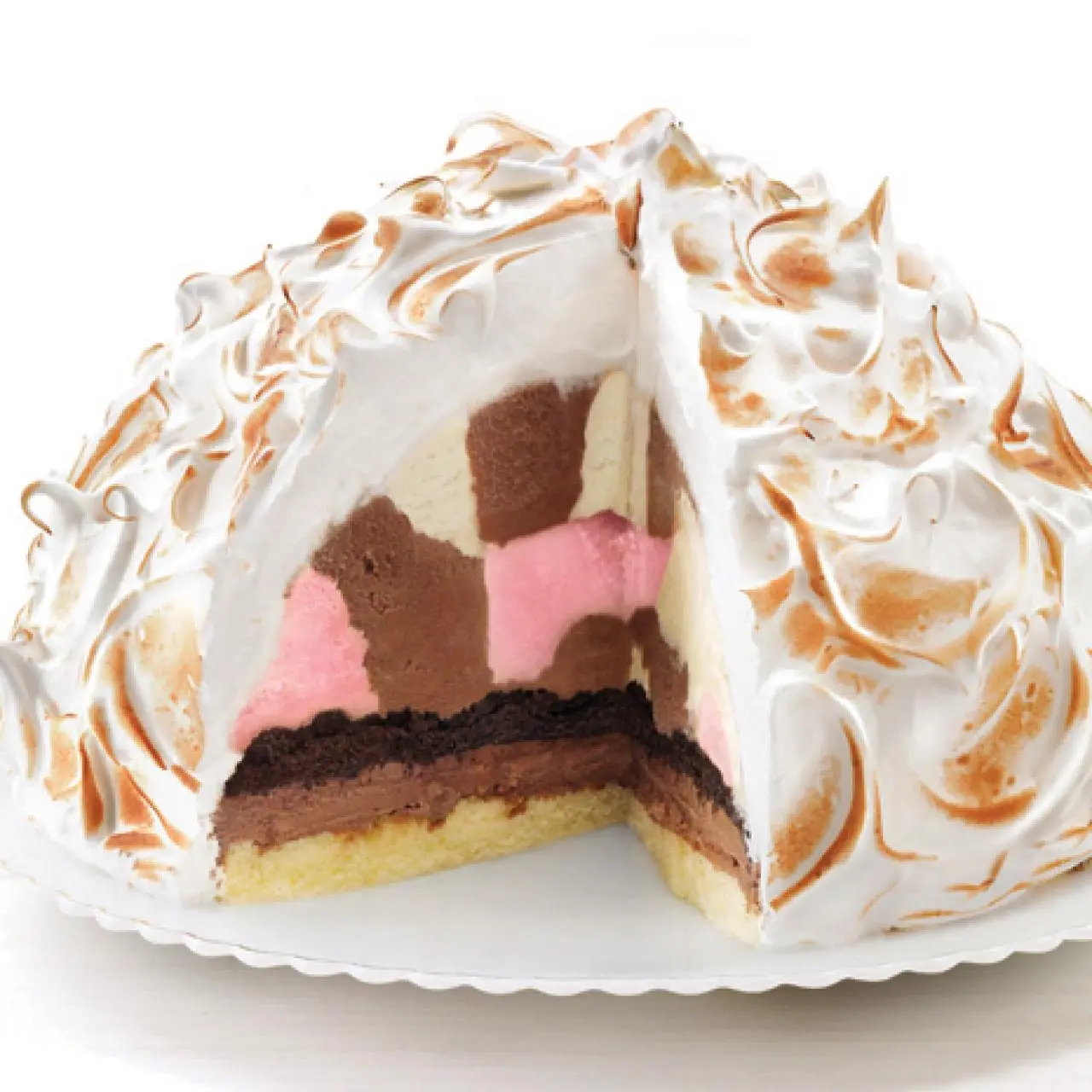
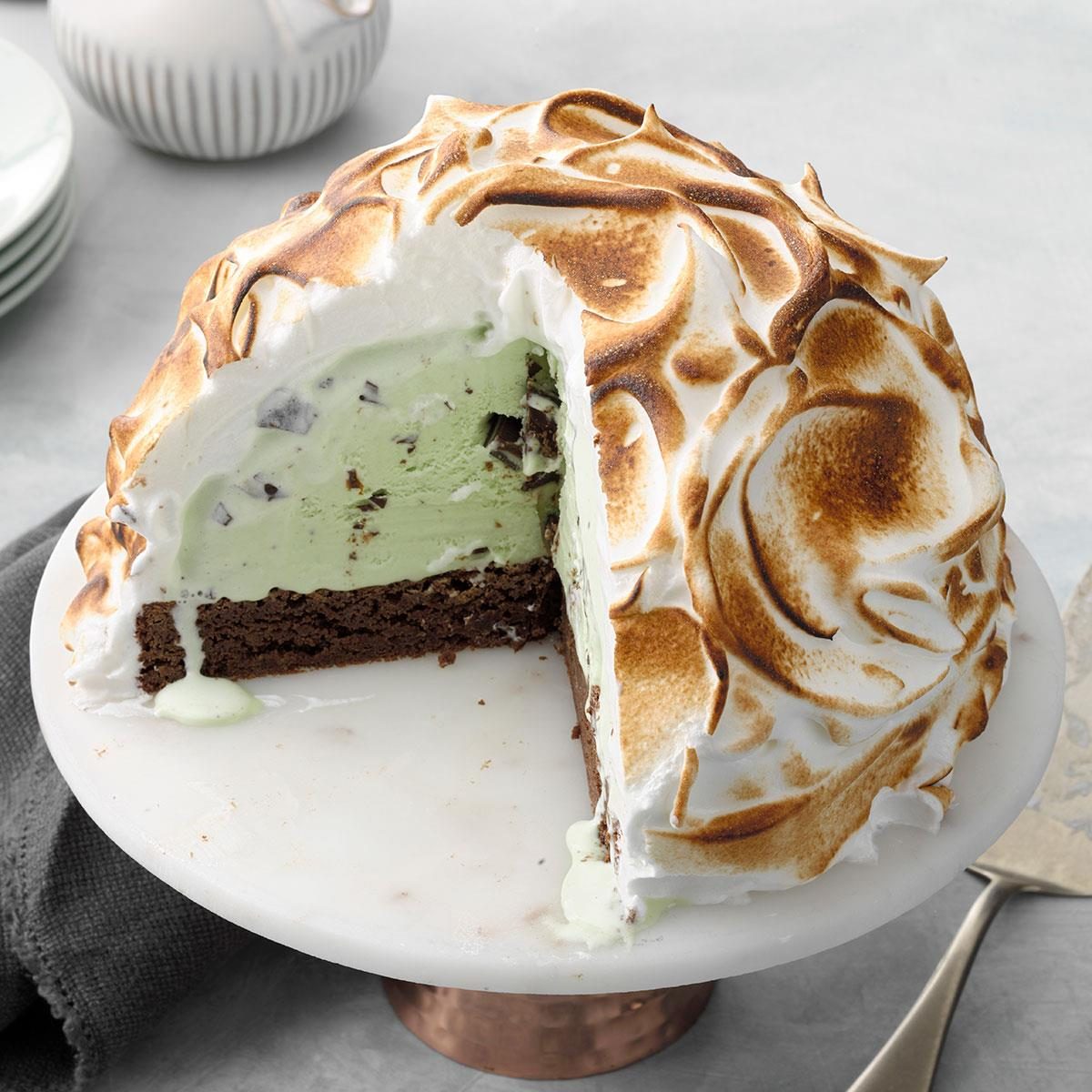
Baked Alaska stands as a testament to the thrilling intersection of culinary science and theatrical presentation, a dessert that defies conventional understanding with its paradoxical combination of hot and cold. At its heart, this flamboyant creation is a carefully orchestrated trio of textures and temperatures: a base of sponge cake, a core of frozen ice cream, and an insulating crown of torched meringue. More than just a sweet treat, it’s a spectacle often served flambéed, captivating diners with its golden-brown exterior and perfectly chilled interior.
The Meringue’s Embrace
The defining feature of Baked Alaska is its voluminous meringue topping. Typically made from egg whites and sugar, this airy foam is whipped to stiff peaks, creating a light, marshmallow-like blanket that encases the ice cream. The magic of meringue lies in its ability to act as an insulator. When briefly exposed to intense heat, such as that from a blowtorch or a very hot oven, the meringue’s exterior caramelizes, browning beautifully and developing a slightly crisp texture, all while protecting the frozen contents within from melting. This phenomenon is due to the meringue’s low thermal conductivity and the rapid cooking of its outer layer, preventing heat from penetrating quickly to the interior. The perfect meringue for a Baked Alaska is smooth, glossy, and holds its shape, creating an elegant dome or an artfully piped design that elevates the dessert’s visual appeal.
The Frozen Heart
Beneath the protective meringue lies the soul of the dessert: a generous scoop or slab of ice cream. While any flavor can technically be used, classic Baked Alaska often features vanilla, chocolate, and strawberry ice creams, sometimes layered to create a Neapolitan effect. The key here is that the ice cream must be very firm, ideally frozen solid before assembly, to withstand the brief exposure to heat. This solid state allows it to retain its form and chill as the meringue cooks. The contrast between the cold, creamy ice cream and the warm, fluffy meringue is what gives Baked Alaska its iconic appeal, offering a multi-sensory experience that is both refreshing and comforting in a single bite.
The Cake Foundation
Supporting this delightful duality of hot and cold is a base of sponge cake. This light, often vanilla-flavored cake serves several crucial purposes. Firstly, it provides a stable platform for the ice cream and meringue, preventing the dessert from collapsing. Secondly, its porous texture acts as another layer of insulation, further protecting the ice cream from the heat source. Lastly, and perhaps most importantly from a flavor perspective, the cake introduces a different textural element and a subtly sweet, bready counterpoint to the richness of the ice cream and the sweetness of the meringue. It adds substance without being overly heavy, ensuring the overall balance of the dessert remains harmonious. Some variations might use genoise or even a biscuit base, but the principle remains the same: a sturdy, complementary foundation for the stars of the show.
Tracing Its Gastronomic Roots: A Journey Through History and Culture
The history of Baked Alaska is as rich and layered as the dessert itself, winding through scientific curiosity, culinary innovation, and international diplomacy. Its origins are a subject of fascinating debate, with claims spanning continents and centuries, each adding another dimension to its legendary status. Understanding its genesis reveals a story of how culinary techniques and cultural events converge to create lasting gastronomic legacies.
European Origins and Scientific Wonders
The concept of insulating ice cream with a hot meringue pre-dates the official naming of Baked Alaska. The scientific principle behind it, the low thermal conductivity of whipped egg whites, was observed by Sir Benjamin Thompson, also known as Count Rumford, a Bavarian physicist and inventor, in the late 18th century. He experimented with cooking meringues and noted their insulating properties, allowing cold centers to remain stable within a hot exterior. While he didn’t create the dessert we know today, his scientific insights laid the groundwork. In France, a similar dessert known as “omelette surprise” or “omelette norvégienne” (Norwegian omelette) emerged around the same time. This version often involved ice cream wrapped in meringue and briefly baked, though its connection to Norway is likely metaphorical, hinting at the icy cold interior. This suggests that the idea of combining hot meringue with cold ice cream was a circulating curiosity among European chefs and scientists.
American Adaptation and Naming
The dessert officially gained its famous moniker, “Baked Alaska,” in New York City at Delmonico’s Restaurant in 1876. Executive chef Charles Ranhofer is credited with its creation and naming, reportedly in honor of the recently acquired territory of Alaska from Russia in 1867. The name itself perfectly encapsulates the dessert’s essence: “Baked” referring to the hot exterior and “Alaska” alluding to the frigid interior. This period was marked by an explosion of culinary creativity in American fine dining, and Delmonico’s, a pioneering establishment in American haute cuisine, was at the forefront. Ranhofer’s version cemented the use of sponge cake, ice cream, and meringue into the iconic form recognized worldwide today, solidifying its place in American culinary history and elevating it to a symbol of luxury and innovation.
Global Spread and Culinary Interpretations
From its origins in Europe and its naming in America, Baked Alaska quickly spread across the globe, becoming a staple in high-end restaurants and on cruise ship menus. Its theatrical presentation and unique temperature contrast made it a perfect dessert for special occasions and luxury dining. In France, the “omelette norvégienne” continued to be refined, often featuring fruit liqueurs to enhance its flavor. In London, prestigious hotels like the Savoy Hotel adopted it, showcasing it as a sophisticated offering. Over time, chefs around the world have put their unique spins on the classic, incorporating local fruits, exotic spices, and innovative ice cream flavors. From individual servings to grand platters for banquets, Baked Alaska has adapted while retaining its core identity, a testament to its enduring appeal and its ability to inspire culinary creativity across diverse cultures and gastronomic traditions.
Experiencing Baked Alaska: Where to Savor This Flamboyant Dessert Around the World
For the culinary traveler, seeking out a perfect Baked Alaska is an experience in itself, a pursuit of both historical flavor and gastronomic spectacle. This dessert isn’t just about taste; it’s about the ambiance, the presentation, and the story it tells. From the hallowed halls of traditional fine dining to the innovative kitchens of modern pastry chefs, Baked Alaska continues to thrill diners globally.
Classic American Steakhouses and Fine Dining
Given its American christening, it’s no surprise that many of the best places to experience a classic Baked Alaska are found in the United States, particularly within established steakhouses and fine dining institutions. These restaurants often honor tradition, serving a faithful rendition of Charles Ranhofer’s original, complete with the dramatic tableside flambé. In New York City, where it was born, you might find it on the menu of historic establishments or modern interpretations in upscale eateries. Places that prioritize classic American cuisine often feature it as a grand finale. Think white tablecloth restaurants where the focus is on a meticulously crafted dining experience. In cities like New Orleans, chefs known for their Creole and Southern culinary prowess might offer their own regional spin, perhaps incorporating local flavors or liqueurs. The emphasis here is on the grandeur and the theatricality that made the dessert famous.
European Pâtisseries and Modern Reimaginations
Across the Atlantic, in its spiritual homeland of Europe, particularly in France and the United Kingdom, Baked Alaska (often still referred to as “omelette norvégienne” or “omelette surprise”) can be found in a variety of settings, from traditional pâtisseries to high-end Michelin-starred restaurants. European pastry chefs, renowned for their precision and artistry, often reimagine the dessert with sophisticated touches. This might involve exotic fruit sorbets instead of traditional ice cream, delicate sponge cakes infused with unique flavors, or intricate meringue piping. In cities like Paris or London, culinary travelers can discover versions that blend classic technique with contemporary aesthetics, making it a focal point of innovative dessert menus. These establishments celebrate the dessert’s historical roots while pushing its boundaries, offering a fresh perspective on a beloved classic.
Cruising the Culinary Seas: Dessert on the High Tides
One of the most enduring homes for Baked Alaska has been on luxury cruise ships. For decades, it has been a signature dessert for formal nights, often presented to a large dining room with great fanfare. The ship’s pastry team would parade trays of flambéed Baked Alaska through the dining halls, creating a shared spectacle for hundreds of guests. This tradition continues on many cruise lines today, making a sea voyage an excellent opportunity to experience the classic preparation in a grand, celebratory setting. The stable environment of a ship’s galley and the appreciative audience of vacationers make it an ideal stage for this dramatic dessert. For many, a cruise ship is where they first encounter this magnificent creation, forever linking the dessert with memories of travel and indulgence.
Beyond the Flame: The Enduring Allure and Cultural Significance
The sustained popularity of Baked Alaska, spanning over a century and a half, speaks to more than just its delicious taste. It holds a unique position in culinary culture, embodying celebration, ingenuity, and a touch of showmanship that continues to captivate diners and inspire chefs. For the food tourist, it offers a tangible link to culinary history and a vibrant experience that transcends the plate.
A Symbol of Celebration and Spectacle
Baked Alaska has always been associated with special occasions. Its dramatic presentation, particularly when flambéed tableside, transforms a simple dessert course into an unforgettable event. The flickering blue flame, the crisping meringue, and the anticipation of that first bite create a multisensory experience that elevates any meal. This spectacle has made it a popular choice for New Year’s Eve parties, anniversaries, and other momentous celebrations. It’s a dessert that encourages shared joy and creates lasting memories, fitting perfectly within the broader narrative of tourism where experiences are paramount. Seeking out a Baked Alaska while traveling is often about indulging in a moment of luxury and festivity, connecting with the celebratory spirit it has embodied since its inception.
Inspiring Modern Pastry Chefs
Despite its classic status, Baked Alaska is far from a relic. It remains a source of inspiration for contemporary pastry chefs who appreciate its technical challenges and its potential for innovation. Chefs often reinterpret the dessert using new flavor combinations, deconstructed forms, or molecular gastronomy techniques. Instead of a traditional dome, one might encounter individual servings shaped like spheres, logs, or abstract art, featuring unique ice cream bases like basil, Earl Grey, or exotic fruit sorbets. The meringue might be infused with spices or citrus zests, and the cake base could be a financier or a gluten-free alternative. This continuous evolution ensures that Baked Alaska stays relevant in the ever-changing culinary landscape, attracting new generations of diners and cementing its place as a dynamic force in the world of desserts. Its adaptability proves that a strong concept, rooted in both science and art, can stand the test of time and culinary trends.

A Taste of History on Your Plate
For the culinary tourist, tasting a Baked Alaska is akin to sampling a piece of living history. It connects diners to the grand dining rooms of the 19th century, the scientific curiosities of the Enlightenment, and the celebratory atmosphere of modern luxury travel. It represents a journey of culinary innovation, from early experiments with insulation to the refined techniques of today’s master chefs. Embracing the Baked Alaska experience means appreciating the craftsmanship, the ingenuity, and the sheer delight of a dessert that is literally hot and cold, a paradox perfectly resolved on the palate. It’s a culinary adventure that is both delicious and deeply rooted in a fascinating past, making it a must-try for anyone exploring the intersection of food, culture, and travel.
LifeOutOfTheBox is a participant in the Amazon Services LLC Associates Program, an affiliate advertising program designed to provide a means for sites to earn advertising fees by advertising and linking to Amazon.com. Amazon, the Amazon logo, AmazonSupply, and the AmazonSupply logo are trademarks of Amazon.com, Inc. or its affiliates. As an Amazon Associate we earn affiliate commissions from qualifying purchases.