
For the discerning traveler, dining in New York City often centers on the quintessential steakhouse experience. From the historic wood-paneled rooms of Manhattan to the upscale culinary hubs of Chicago, the debate between the New York Strip and the Ribeye is more than just a menu choice; it is a fundamental pillar of gastronomic culture. Understanding the nuances of these two titans of the butcher shop can elevate your dining experience, whether you are visiting a classic establishment like Peter Luger Steak House or exploring the modern meat-centric kitchens of Las Vegas.
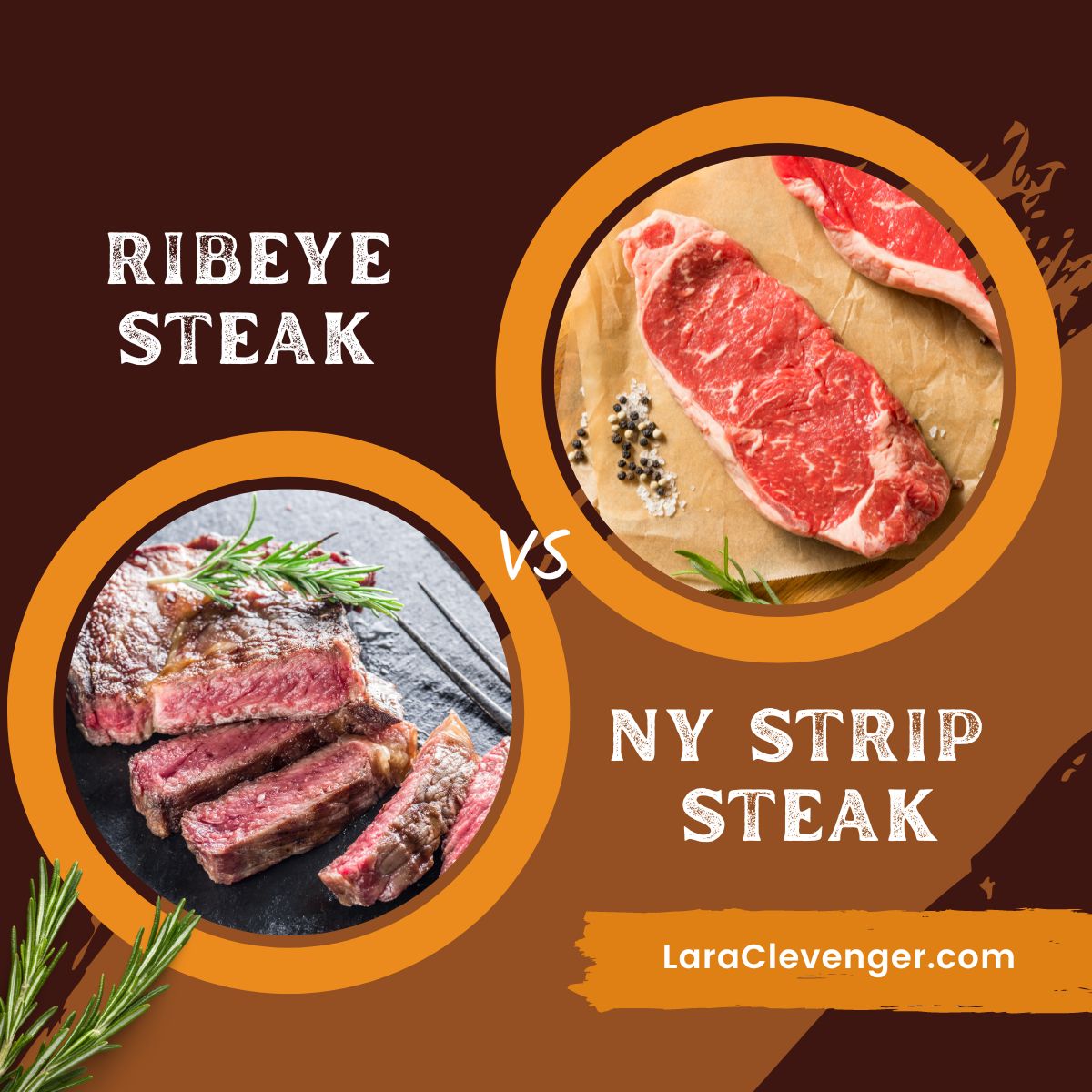
The Anatomy of the Cuts: Understanding Texture and Flavor
To appreciate the difference between these two cuts, one must first look at the biology of the cow. The New York Strip and the Ribeye both come from the loin area, but they originate from distinct sections, resulting in vastly different eating experiences.
The New York Strip: Consistency and Bite
The New York Strip comes from the short loin, a part of the steer that does relatively little work. Because of this, the meat is incredibly tender and boasts a fine, uniform grain. When you order a steak at a high-end restaurant in London or Paris, the Strip is often the “chef’s choice” for those who prioritize a meaty, concentrated beef flavor. It features a signature fat cap on one side, which, if rendered correctly, adds a wonderful depth of flavor to every bite. The texture is firm but yielding, offering a sophisticated “chew” that makes it the preferred cut for those who dislike the excessive softness of a filet mignon but want more refinement than a ribeye.
The Ribeye: The King of Marbling
The Ribeye is sourced from the rib section, specifically between ribs six and twelve. This area is heavily marbled with intramuscular fat. This fat—or “marbling”—is the secret to the Ribeye’s reputation. As the steak hits the heat of a high-powered broiler in Tokyo or Buenos Aires, this fat melts, basting the meat from the inside out. The result is a steak that is undeniably succulent, moist, and deeply savory. It often contains a central “eye” of fat that provides a decadent, almost buttery mouthfeel that defines the luxury dining experience.
The Culinary Experience: How Preparation Defines the Cut
Whether you are enjoying a meal in a grand hotel restaurant like the Fairmont or a boutique steakhouse in Sydney, the way these cuts are prepared can drastically alter your preference.
The Art of the Sear
Both the New York Strip and the Ribeye thrive under high-heat conditions. In professional kitchens across North America, a cast-iron sear or a professional-grade infrared broiler is the gold standard. For the New York Strip, the goal is a dark, crusty char on the outside that contrasts with the medium-rare interior. The Strip holds its shape well, making it ideal for the precision-focused plating often seen in a Four Seasons Hotel.
Conversely, the Ribeye requires a more cautious hand. Because of the heavy fat content, Ribeyes are prone to flare-ups on a grill. A seasoned chef at an institution like Gibson’s Bar and Steakhouse will manage the heat to ensure the exterior fat crisps up to a golden brown without scorching the delicate meat. This renders the fat into a liquid gold that permeates the surrounding protein.
Pairing with Sides and Sauces
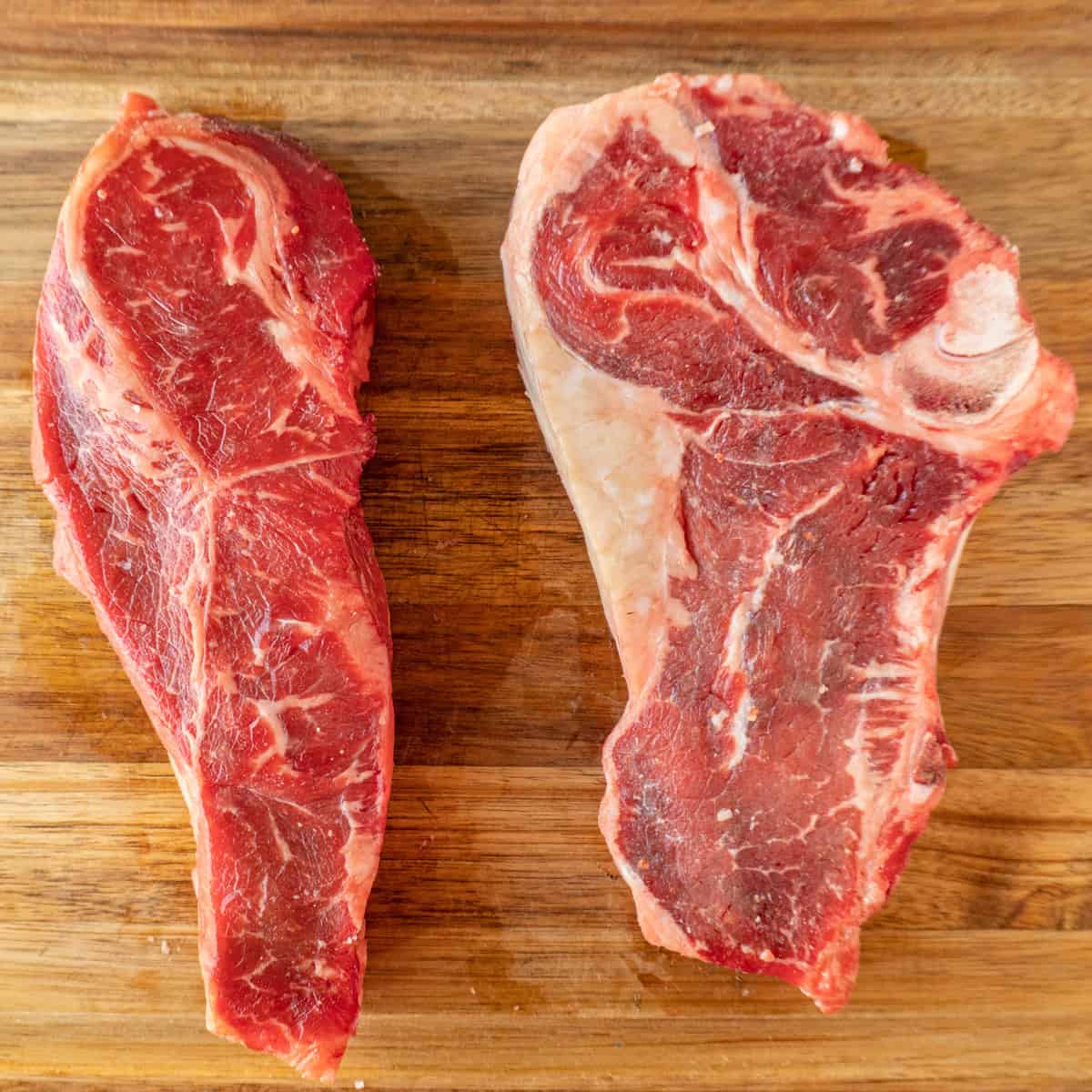
The choice between these two also dictates your choice of accompaniments. Because the New York Strip is leaner and possesses a more concentrated “beefy” profile, it pairs beautifully with robust, acidic sauces like a classic Béarnaise or a sharp peppercorn reduction. It stands up well to hearty sides like creamed spinach or roasted root vegetables often found on menus in San Francisco.
The Ribeye, being naturally rich and fatty, benefits from sides that offer a bright contrast. Think of the crisp acidity of a wedge salad or the earthy bite of roasted asparagus. Many connoisseurs believe the Ribeye is so flavorful that it needs little more than a sprinkle of sea salt and a touch of butter, making it a favorite for minimalist chefs in regions like Texas, where the quality of the beef is allowed to speak for itself.
Assessing Your Personal Preference: Which One Should You Order?
Deciding which cut is “better” is entirely subjective and depends on what you seek from your meal. When you find yourself sitting at a table in a world-class venue such as the Ritz-Carlton, consider the following guide to help you choose.
Choose the New York Strip If…
- You appreciate a cleaner, intense beef flavor: The Strip is the quintessential “steak lover’s steak.” It has a distinct character that isn’t masked by excessive fat.
- You prefer a firmer texture: If you enjoy a steak that offers a substantial bite and a clean, consistent texture throughout the entire cut, this is your best option.
- You are dining in a traditional setting: The Strip is a staple of old-school steakhouses across New York, perfectly suited for those who appreciate the classic, no-nonsense approach to premium meat.
Choose the Ribeye If…
- You prioritize moisture and tenderness: If your definition of a perfect steak is one that practically melts in your mouth, the Ribeye is unparalleled.
- You love the decadence of rendered fat: The intramuscular marbling and the signature fat cap provide a flavor profile that is richer and more indulgent than almost any other cut.
- You are seeking a high-reward, high-flavor experience: If you don’t mind a bit of navigation around pockets of fat, the reward is a depth of flavor that is arguably the peak of the bovine culinary spectrum.

The Cultural Impact of Steakhouse Dining
Beyond the plate, the choice between these two cuts speaks to the broader culture of food tourism. In cities known for their culinary history, such as Florence, the preparation of local beef—like the famous Bistecca alla Fiorentina—shares more DNA with a giant, bone-in Ribeye than a Strip. In these destinations, the ritual of selecting, cooking, and sharing a large piece of meat is a social experience that connects travelers to the local heritage.
When you travel to Miami or Dubai, the steakhouse experience is often about luxury and status. The Ribeye, with its inherent opulence, often appears on the menu at higher price points, emphasizing its status as the king of the grill. The New York Strip, meanwhile, remains the reliable, elegant professional, offering a consistent journey for those who value tradition over spectacle.
Ultimately, there is no wrong answer in this debate. Both the New York Strip and the Ribeye represent the pinnacle of steakhouse quality. The “better” steak is simply the one that aligns with your mood at the moment of ordering. Whether you lean toward the structured, savory perfection of the Strip or the juicy, opulent indulgence of the Ribeye, you are participating in a global tradition of celebrating the very best that fine dining has to offer. Next time you find yourself at a high-end restaurant in a city like Hong Kong, take a moment to consider the provenance and the profile of your steak. It will undoubtedly make the meal feel like a more significant part of your travel journey.
LifeOutOfTheBox is a participant in the Amazon Services LLC Associates Program, an affiliate advertising program designed to provide a means for sites to earn advertising fees by advertising and linking to Amazon.com. Amazon, the Amazon logo, AmazonSupply, and the AmazonSupply logo are trademarks of Amazon.com, Inc. or its affiliates. As an Amazon Associate we earn affiliate commissions from qualifying purchases.