
While the allure of California often conjures images of sun-drenched beaches, iconic theme parks, and vibrant cityscapes, understanding the practicalities of living and visiting this Golden State is crucial for a fulfilling experience. For travelers and potential residents alike, navigating the economic landscape, particularly regarding the minimum wage, can significantly impact budgets and overall enjoyment. This guide delves into the current minimum wage in California, its implications for various industries, and how it might influence your travel plans or long-term stay.
The minimum wage in California is a dynamic figure, subject to regular adjustments based on legislative action and economic indicators. As of January 1, 2024, the statewide minimum wage for all employers, regardless of size, is $16.00 per hour. This represents a significant commitment by the state to ensure a baseline standard of living for its workers. It’s important to note that this is a uniform rate across the entire state, though specific cities and counties may have higher minimum wage ordinances in place. This creates a tiered system where workers in certain municipalities could be earning even more than the state minimum.

The implications of the minimum wage extend far beyond individual paychecks. It plays a pivotal role in shaping the tourism industry, affecting everything from the cost of hotel rooms and dining experiences to the wages paid to hospitality workers. For travelers, a higher minimum wage can translate to potentially higher prices for goods and services. However, it also often correlates with a higher quality of service and more skilled professionals within the tourism sector. For those considering a long-term stay or even relocating to California, understanding these economic underpinnings is vital for financial planning.
The Evolution and Impact of California’s Minimum Wage
California has a long history of advocating for a robust minimum wage. The state was one of the first to implement a statewide minimum wage law and has consistently strived to keep pace with the rising cost of living. This commitment is reflected in its regular increases, often tied to inflation. The current $16.00 per hour rate is a testament to this ongoing effort.
Factors Influencing Wage Adjustments
The adjustment of the minimum wage in California is not arbitrary. Several factors contribute to the periodic revisions:
- Consumer Price Index (CPI): A primary driver for wage increases is the California Consumer Price Index. This index measures the average change over time in the prices paid by urban consumers for a market basket of consumer goods and services. When the CPI rises, indicating an increase in the cost of living, the minimum wage is often adjusted to reflect this inflation, ensuring that the purchasing power of minimum wage earnings remains relatively stable.
- Legislative Action: The California State Legislature plays a crucial role in setting and modifying minimum wage laws. Bills are introduced, debated, and voted upon to establish new wage rates or adjust existing ones. These legislative decisions can be influenced by various stakeholders, including labor unions, business groups, and advocacy organizations.
- Economic Conditions: Broader economic conditions, such as employment rates, economic growth, and industry performance, can also indirectly influence minimum wage discussions and decisions. Policymakers often consider the overall health of the economy when making determinations about wage adjustments to balance worker welfare with business sustainability.
Industry-Specific Ramifications
The $16.00 per hour minimum wage has a broad impact across California’s diverse economy, with particularly notable effects on sectors heavily reliant on hourly labor.
- Hospitality and Tourism: This sector, a cornerstone of the California economy, directly feels the impact of minimum wage laws. Hotels, resorts, restaurants, and attractions often employ a significant number of minimum wage workers. An increase in the minimum wage can lead to higher labor costs for businesses. In response, some establishments might adjust their pricing for services, such as hotel suites or guided tours, while others may focus on increasing efficiency through technology or staff training. For travelers, this could mean a slight increase in the cost of their California vacation, but it also contributes to a workforce that can better afford to live in the popular tourist destinations. For those looking for budget travel options, understanding these cost implications is key.
- Retail: The retail industry, prevalent in cities like Los Angeles and San Francisco, also employs a substantial number of minimum wage employees. Higher labor costs can influence hiring decisions, pricing strategies, and the overall profitability of retail businesses.
- Food Service: Restaurants, cafes, and fast-food establishments are among the most significantly affected. The increased wage floor can lead to menu price adjustments or changes in staffing models. This is particularly relevant for travelers seeking local culinary experiences, from sampling street food in San Diego to dining at upscale restaurants in Napa Valley.
- Agriculture: California is a major agricultural producer, and many farmworkers are paid hourly wages. The minimum wage legislation directly impacts this vital industry, affecting the livelihoods of farm laborers and the cost of produce for consumers.
Minimum Wage in Specific California Cities and Counties
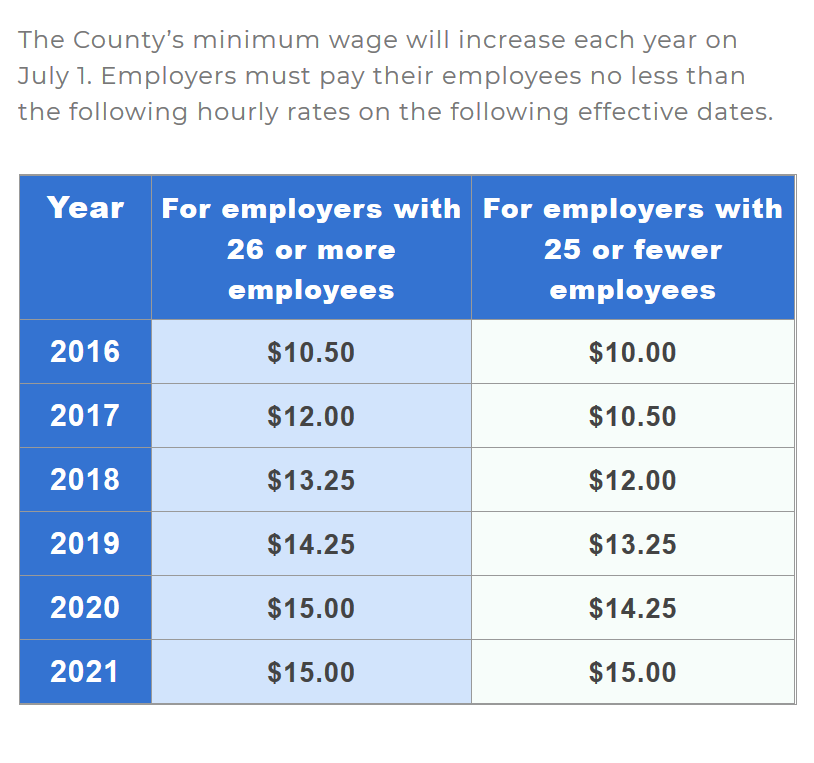
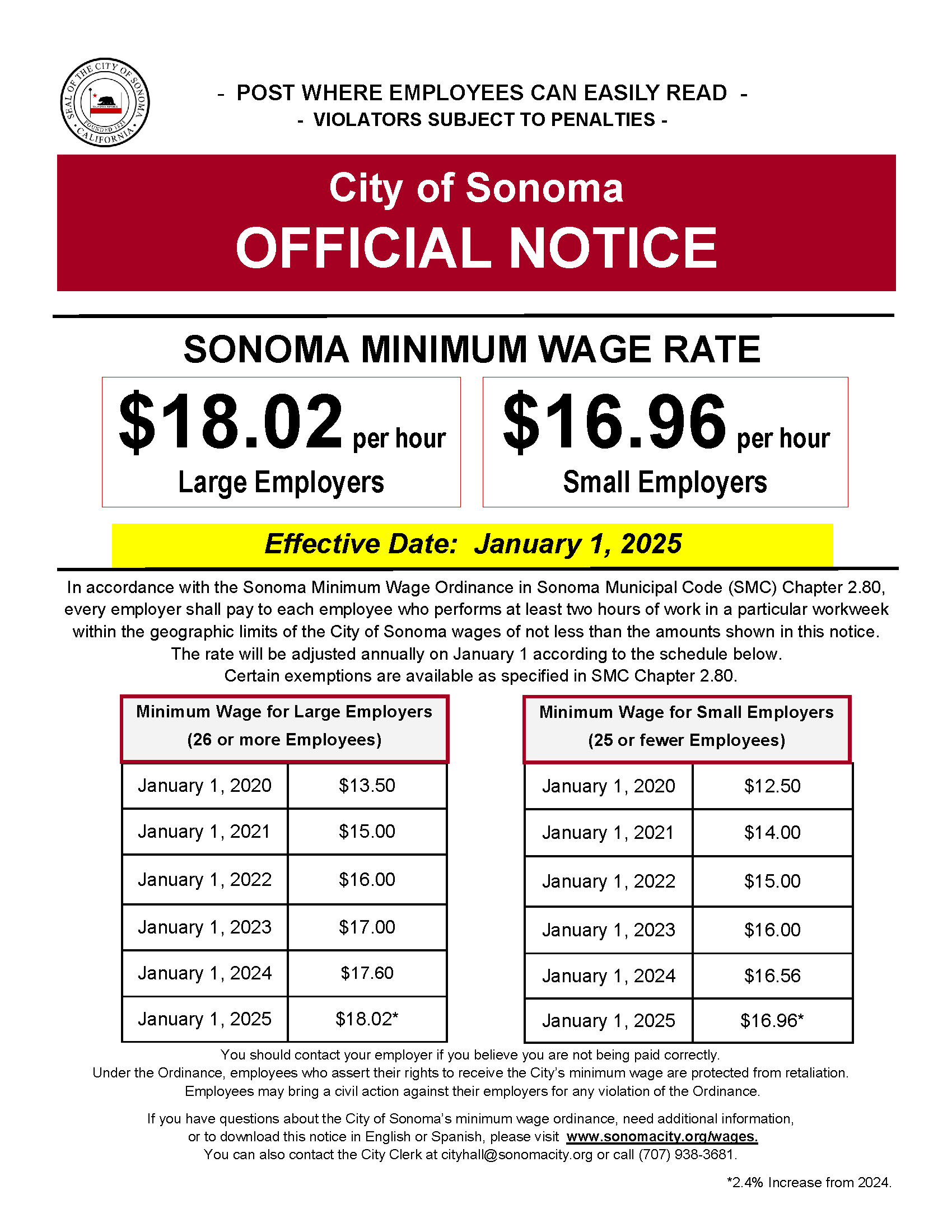
While the statewide minimum wage provides a solid baseline, several cities and counties within California have enacted their own higher minimum wage ordinances. These local mandates reflect the varying costs of living across the state, with metropolitan areas often having more substantial wage floors.
Understanding Local Ordinances
It is crucial for both employers and employees to be aware of these local variations. If a city or county has a higher minimum wage than the state, employers operating within that jurisdiction must adhere to the higher rate. This means that a worker in Berkeley might earn a different hourly wage than a worker in a less urban area, even if both are performing similar jobs.
- Examples of Cities with Higher Minimum Wages: Cities such as San Francisco, Oakland, San Jose, Seattle (though Seattle is in Washington state, it’s often cited in discussions of high minimum wages, and similar policies exist in California), and Los Angeles have historically implemented higher minimum wage rates than the state. These ordinances are frequently updated and can vary from year to year. For example, San Francisco has often been at the forefront of progressive wage policies.
- Impact on Cost of Living: The higher minimum wages in these areas are often a response to the exceptionally high cost of living, particularly housing. This creates a more balanced economic environment where workers can better afford to reside in the communities where they work. For travelers staying in these areas, this economic reality can contribute to the overall cost of their stay, influencing decisions about accommodation like budget apartments versus luxury resorts.
How to Stay Informed
Keeping up-to-date with the latest minimum wage information is essential. The California Department of Industrial Relations (DIR) is the primary source for official wage orders and updates. Additionally, local government websites for specific cities and counties will provide details on their individual minimum wage ordinances. For businesses, compliance is paramount, while for individuals, understanding their earning potential in a particular location is key to financial planning. This knowledge is invaluable whether you’re planning a luxurious getaway to Beverly Hills or a budget-friendly road trip exploring the Pacific Coast Highway.
Minimum Wage and its Influence on Travel and Lifestyle in California
The minimum wage in California has a ripple effect that touches upon various aspects of travel and lifestyle, influencing budgets, service quality, and overall visitor experience.
Budgeting for Your California Trip
For travelers, particularly those on a budget, understanding the minimum wage can provide insights into the general cost of services in different parts of California.
- Accommodation Costs: Hotels, resorts, and vacation rentals in California often factor in labor costs when setting their prices. Areas with higher minimum wages, such as San Francisco or Los Angeles, might see slightly higher rates for accommodations compared to less expensive regions. This doesn’t mean you can’t find budget-friendly options; it just means that understanding the local economic landscape can help in making informed booking decisions. Exploring different types of accommodation, from boutique hotels to vacation apartments, can offer a range of price points.
- Dining and Entertainment: The cost of dining out, from casual eateries to fine dining establishments, is also influenced by labor expenses. Similarly, tickets to attractions, tours, and other entertainment options may reflect the prevailing wage rates. Travelers looking for budget-friendly food experiences might seek out local markets or opt for self-catering in apartments.
- Transportation: While not directly tied to hourly wages in the same way as service industries, the overall economic health and cost of living, which are influenced by minimum wage, can indirectly affect transportation costs, such as the price of ride-sharing services or local transit fares.
The Upside: Quality of Service and Local Culture
While a higher minimum wage can sometimes translate to higher prices, it also contributes to a more stable and skilled workforce within the tourism and hospitality sectors.
- Enhanced Service Standards: When workers are paid a fair wage, they are often more motivated, experienced, and dedicated to their jobs. This can lead to higher standards of customer service in hotels, restaurants, and at tourist attractions. Guests at luxury resorts or boutique hotels often appreciate the attentive and professional service that can be a byproduct of a well-compensated workforce.
- Supporting Local Economies: A living wage ensures that workers in California’s vibrant tourism industry can afford to live and thrive in their communities. This supports local economies and contributes to the rich tapestry of culture and experiences that California offers. When you patronize businesses that pay their employees a fair wage, you are contributing to a more equitable economic environment.
- Lifestyle Considerations for Long-Term Stays: For individuals considering a long-term stay or even relocating to California for work or lifestyle reasons, the minimum wage is a critical factor. It impacts not only the ability to cover basic living expenses but also the feasibility of enjoying the state’s many lifestyle offerings, from exploring Yosemite National Park to attending cultural events in San Diego. Understanding the earning potential relative to the cost of living is paramount for a sustainable and enjoyable experience. Whether you’re planning a family trip to Disneyland or a solo adventure through wine country, grasping the economic nuances of California will undoubtedly enrich your journey.
In conclusion, the California minimum wage of $16.00 per hour, with potential for higher local rates, is a significant economic factor that influences everything from daily life for residents to the budgeting and experience for visitors. It underscores the state’s commitment to its workforce while shaping the cost and quality of services across its diverse and dynamic landscape.
LifeOutOfTheBox is a participant in the Amazon Services LLC Associates Program, an affiliate advertising program designed to provide a means for sites to earn advertising fees by advertising and linking to Amazon.com. Amazon, the Amazon logo, AmazonSupply, and the AmazonSupply logo are trademarks of Amazon.com, Inc. or its affiliates. As an Amazon Associate we earn affiliate commissions from qualifying purchases.