
For decades, Idaho remained one of the best-kept secrets of the United States. Known primarily for its agricultural prowess, specifically its world-famous potatoes, the “Gem State” was often overlooked by travelers flocking to the coastal magnets of California or the mountain resorts of Colorado. However, a significant shift is occurring. Today, Idaho is experiencing a cultural and tourism renaissance that is drawing global attention. From a burgeoning tech scene and a sophisticated culinary landscape to its world-class outdoor recreation, the state is redefining its identity. If you are wondering what exactly is happening in this Pacific Northwest treasure, the answer lies in a perfect storm of community-driven culture, high-end gastronomy, and an unwavering commitment to preserving its rugged, natural soul.
The Cultural Pulse: Arts, Festivals, and Urban Sophistication
The narrative of Idaho is being rewritten in its urban centers, most notably in Boise. No longer just a quiet capital city, Boise has transformed into a vibrant hub for the arts and independent music. This cultural shift is most evident in the way the local community embraces creative expression and heritage.
The Rise of Independent Music and Arts
At the heart of Boise cultural explosion is the Treefort Music Fest. This multi-venue festival has grown from a small local gathering into a nationally recognized event that attracts hundreds of bands from across the globe. Unlike the commercial giants of the festival world, this event maintains a “community-first” ethos, integrating “forts” dedicated to film, tech, food, and even yoga. This festival has put Idaho on the map as a legitimate destination for the modern, culturally savvy tourist who seeks authenticity over artifice.
Beyond festivals, the Boise Art Museum and the Basque Block provide year-round cultural engagement. The latter is a testament to the state’s unique history, housing one of the largest Basque communities in the world outside of Spain. Walking through this district, visitors can experience the sights, sounds, and flavors of Basque culture, offering a European flair in the middle of the American West.
Heritage and History in the Resort Towns
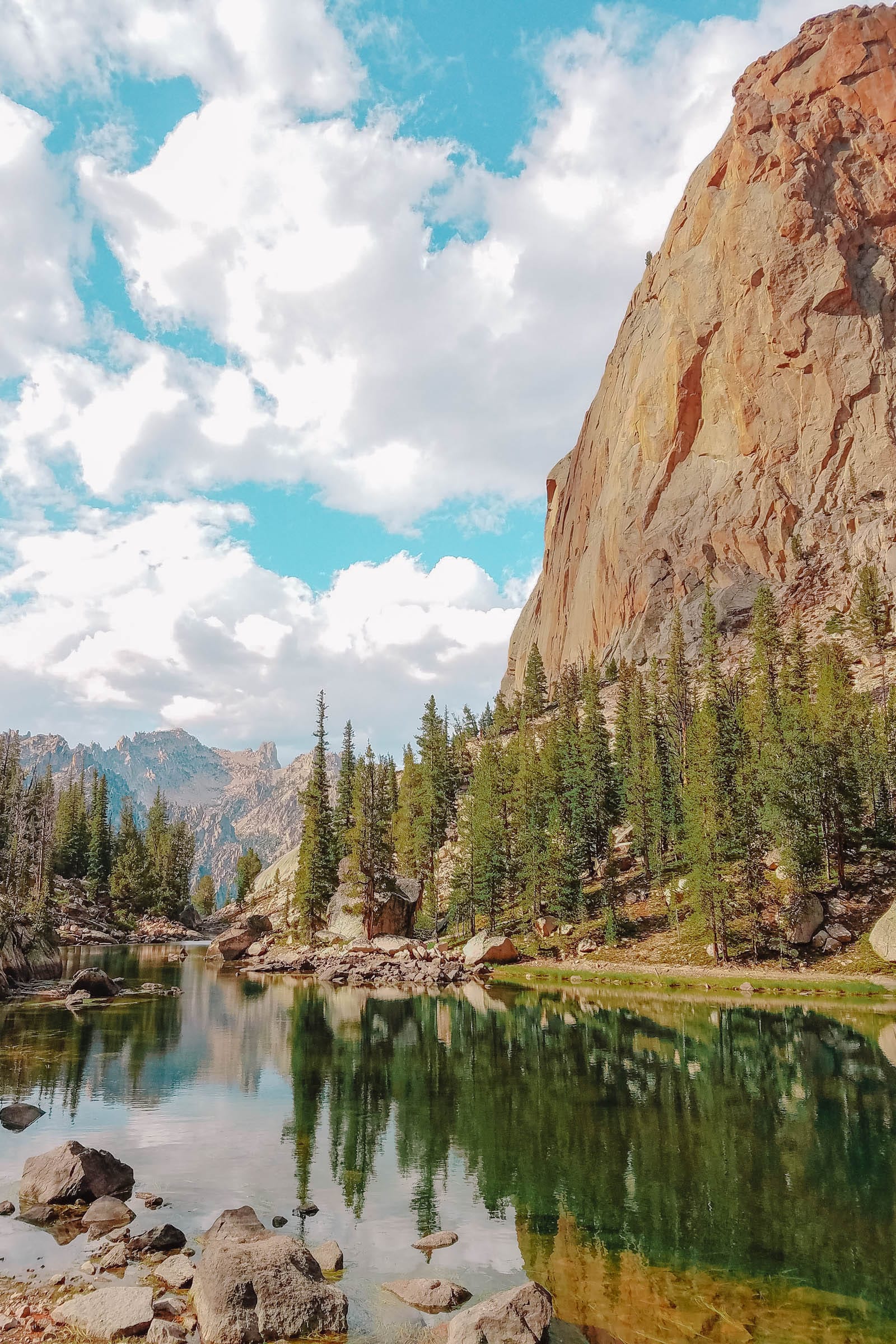
Moving north and east, the cultural landscape shifts toward the refined leisure of mountain life. Sun Valley remains the crown jewel of Idaho heritage. As the first destination ski resort in the United States, it carries a legacy of mid-century glamour. However, the culture here is not just about skiing; it is about a deep appreciation for the arts and literature. The Sun Valley Museum of Art serves as a focal point for high-caliber exhibitions, while the annual Sun Valley Writers Conference attracts some of the world’s most influential literary minds to the shadows of the Sawtooth Mountains.
A Gastronomic Deep Dive: Beyond the Potato
If you still associate Idaho food solely with the russet potato, you are missing out on one of the most exciting culinary movements in the country. The state’s geography—a mix of high desert, fertile valleys, and alpine forests—provides a diverse pantry that local chefs are utilizing to create a distinct regional cuisine.
The Farm-to-Table Movement in Treasure Valley
The Treasure Valley region is currently the epicenter of a massive farm-to-table resurgence. Because Idaho is still fundamentally an agricultural state, the distance from “dirt to dinner plate” is incredibly short. In Boise, restaurants like State & Lemp and The Modern Hotel and Bar have pioneered a style of dining that focuses on seasonal, locally sourced ingredients. Whether it’s Hagerman Valley trout, foraging for morel mushrooms in the Boise National Forest, or locally raised wagyu beef, the focus is on the quality of the raw product.
The Emergence of the Snake River Valley Wine Region
Perhaps the most surprising development in Idaho tourism is the rapid growth of its wine industry. The Snake River Valley American Viticultural Area (AVA) is gaining national acclaim for producing high-altitude wines with exceptional acidity and character. Local vintners are finding that the volcanic soil and drastic temperature swings of the region are perfect for varietals like Syrah, Riesling, and Viognier. A visit to the tasting rooms in Caldwell or Nampa reveals a sophisticated, welcoming atmosphere that rivals the early days of Napa Valley.
Craft Beer and Distilling Culture
The craft beverage movement isn’t limited to wine. Idaho is one of the top producers of hops and barley in the world, and local brewers are taking full advantage of this. Cities like Sandpoint, Coeur d’Alene, and Idaho Falls are home to thriving breweries that serve as community gathering spots. Distilleries are also on the rise, with Grand Teton Distillery in Driggs producing award-winning vodka and whiskey using local Idaho potatoes and mountain water.
Adventure Tourism: Engaging with the Idahoan Wilderness
For the active tourist, Idaho offers a playground of unparalleled scale. With more miles of whitewater river than any other state in the lower 48 and millions of acres of protected wilderness, the focus here is on immersion and preservation.
Whitewater Capital of the West
The Salmon River, often called the “River of No Return,” is the heart of Idaho adventure tourism. It offers everything from high-adrenaline Class IV rapids to serene stretches perfect for fly fishing. Further south, the Snake River carves through Hells Canyon, the deepest river gorge in North America. Tourism operators in Riggins and Lewiston provide guided multi-day expeditions that allow visitors to disconnect from the digital world and reconnect with the raw power of nature.
Winter Sports and Alpine Escapes
While Sun Valley Resort is the most famous name in Idaho skiing, the state is littered with “hidden gems” that offer a more localized, authentic experience. Brundage Mountain Resort near McCall is legendary for having the “Best Snow in Idaho,” while Schweitzer in the northern panhandle offers stunning views overlooking Lake Pend Oreille. These resorts focus on the skiing experience rather than the commercial frills, appealing to tourists who value short lift lines and pristine glades.
Exploring Landmarks and Natural Wonders
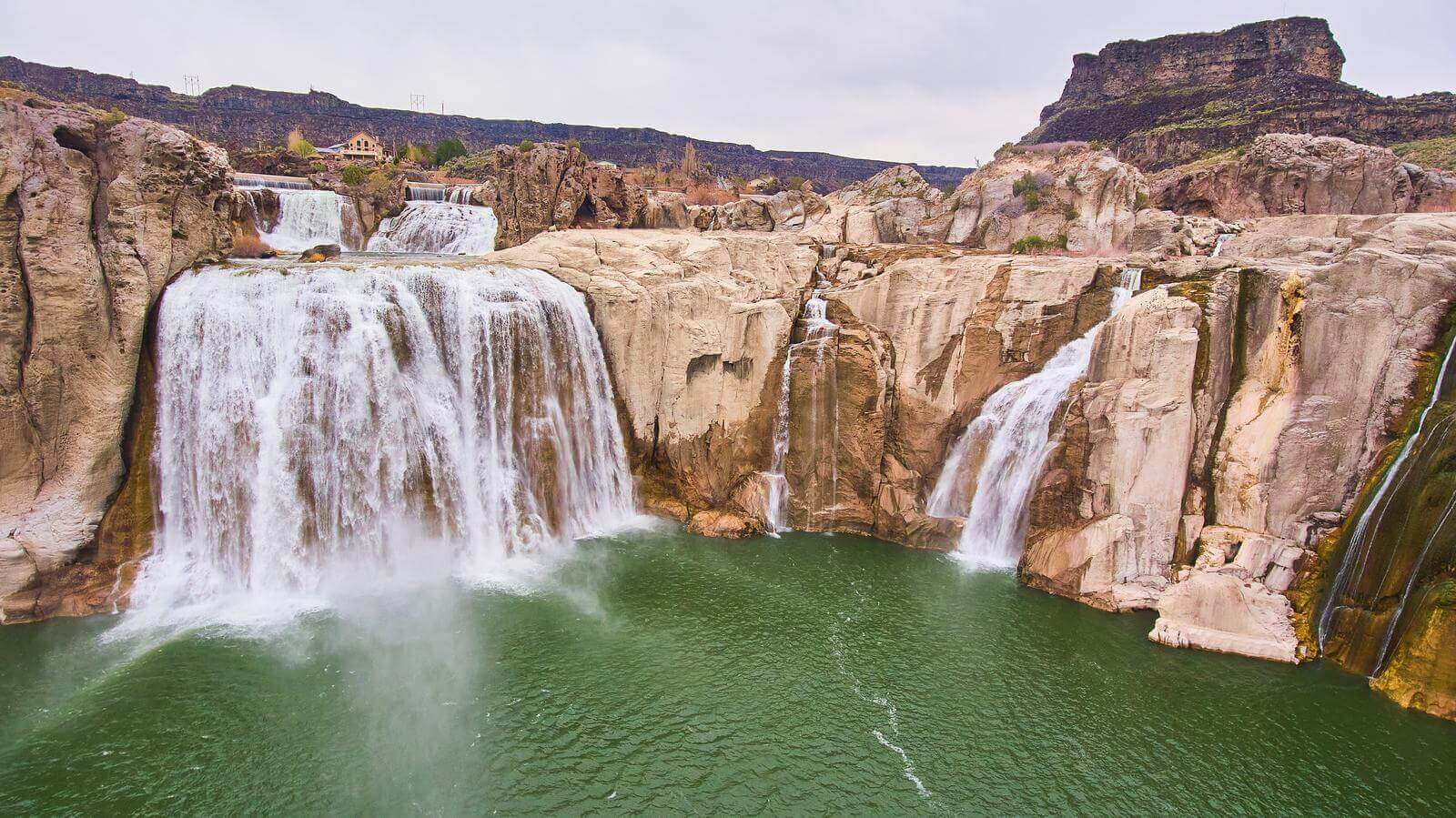
Idaho is home to some of the most unique geological features in the United States. Craters of the Moon National Monument and Preserve offers a surreal, lunar-like landscape created by volcanic activity thousands of years ago. In the southern part of the state, Shoshone Falls, often called the “Niagara of the West,” provides a breathtaking spectacle, especially during the spring runoff. For those interested in history and architecture, the Idaho State Capitol in Boise and the Old Idaho Penitentiary Site offer a glimpse into the state’s rough-and-tumble frontier past.
Practical Tips for the Modern Idaho Traveler
Navigating Idaho requires a bit of planning, as the state is vast and its terrain can be challenging. To truly enjoy what’s going on, one must understand the local rhythm and the logistical nuances of the region.
The Best Times to Visit
Because Idaho tourism is so heavily tied to the outdoors, your experience will vary wildly depending on the season.
- Summer (July–September): This is the peak season for hiking in the Sawtooth National Recreation Area, rafting the rivers, and attending festivals in Boise.
- Winter (December–March): Ideal for snow sports. The atmosphere in Ketchum and McCall during the winter months is magical, featuring winter carnivals and world-class skiing.
- Shoulder Seasons (May–June & October): These are the best times for “food and wine” tourism. The weather is mild, the crowds are thin, and the landscapes—from spring wildflowers to autumn foliage—are stunning.
Getting Around the Gem State
The most common entry point is the Boise Airport, which offers growing connections to major hubs across the United States. For those visiting North Idaho, flying into Spokane International Airport in Washington is often the most convenient option.
Once on the ground, a rental car is almost a necessity. Idaho is a state built for the road trip. The [Ponderosa Pine Scenic Byway](https://lifeoutofthebox.com/ponderosa-pine- scenic-byway) and the Sawtooth Scenic Byway offer some of the most beautiful drives in the country. However, visitors should be prepared for limited cell service in canyon areas and should always check weather conditions when traveling through mountain passes.
Respecting the “Local” Vibe
As Idaho grows in popularity, there is a strong local movement toward sustainable tourism. The “Leave No Trace” philosophy is taken very seriously here. Whether you are visiting the City of Rocks National Reserve or soaking in the Gold Fork Hot Springs, the expectation is that you leave the land exactly as you found it. Engaging with locals in a respectful way and supporting small businesses in towns like Twin Falls or Pocatello will ensure a much richer and more welcoming experience.
Idaho is no longer just a pass-through state on the way to the Pacific Ocean. It is a destination in its own right, offering a sophisticated blend of modern culture and raw wilderness. Whether you are drawn by the music of Boise, the wines of the Snake River Valley, or the rugged peaks of the Sawtooth Mountains, you will find a state that is proudly coming into its own. What’s going on in Idaho is a masterclass in how a region can modernize and grow while staying fiercely protective of its natural heritage and community spirit.
LifeOutOfTheBox is a participant in the Amazon Services LLC Associates Program, an affiliate advertising program designed to provide a means for sites to earn advertising fees by advertising and linking to Amazon.com. Amazon, the Amazon logo, AmazonSupply, and the AmazonSupply logo are trademarks of Amazon.com, Inc. or its affiliates. As an Amazon Associate we earn affiliate commissions from qualifying purchases.