
California, a state synonymous with stunning natural beauty, vibrant cities, and diverse landscapes, unfortunately also grapples with a recurring natural phenomenon: wildfires. For prospective travelers and those already exploring its wonders, understanding the dynamics of these fires and their impact on tourism is paramount. Far from being an isolated issue, wildfires have become an intrinsic part of the California experience, necessitating a nuanced approach to travel planning and on-the-ground awareness. This isn’t just about environmental impact; it’s about how a major natural event reshapes travel itineraries, affects local economies reliant on visitors, and dictates the rhythms of tourism throughout the year.

California’s Unique Fire Dynamics and Tourist Seasons
The Golden State’s distinctive Mediterranean climate, characterized by hot, dry summers and mild, wet winters, creates an ideal environment for vegetation growth in spring and summer, which then dries out to become highly flammable fuel by late summer and fall. This natural cycle, exacerbated by climate change, means that wildfires are not an anomaly but an expected, albeit often devastating, part of the California landscape. For tourists, this translates into a heightened need for awareness, especially during specific times of the year.
The Rhythms of Fire Season
While fires can occur year-round, the traditional “fire season” in California typically stretches from late spring through late fall, often peaking in August, September, and October. This period coincides with some of California’s most popular tourist seasons, including summer vacations and fall wine-tasting tours. High temperatures, low humidity, and strong, dry winds—like the infamous Santa Ana winds in Southern California or the Diablo winds in Northern California—can quickly transform a small spark into a raging inferno. Tourists visiting during these months should be acutely aware of the potential for fire activity and how it might influence their plans, from air quality to road closures and even mandatory evacuations in severe cases.
Factors Contributing to Wildfires
Beyond the natural climate cycle, several factors contribute to the intensity and frequency of California wildfires. Decades of fire suppression have led to an accumulation of dense, dry undergrowth, creating massive fuel loads. Bark beetle infestations, exacerbated by drought, have killed millions of trees, adding to this combustible material, especially in forested regions like the Sierra Nevada and other mountain ranges that are popular for hiking and camping. Urban sprawl into wildland-urban interface areas also places more communities and infrastructure at risk, directly impacting residential areas that may also host tourist accommodations or attractions. Understanding these underlying causes helps travelers grasp the complex challenge facing California and appreciate the measures taken to mitigate risks, which often include temporary closures of public lands for safety.
Direct Impact on Iconic Tourist Experiences
The reach of California wildfires is extensive, often affecting, or threatening, some of the state’s most beloved tourist destinations. While not every fire impacts every region, the potential for disruption is real, and travelers should be prepared to adjust expectations or itineraries.
National Parks and Wilderness Areas
California boasts an unparalleled collection of national parks, including Yosemite National Park, Sequoia National Park, and Redwood National Park, which draw millions of visitors annually. These vast wilderness areas, with their dense forests and challenging terrain, are particularly vulnerable to wildfires. Fires can lead to temporary closures of entire parks or specific areas within them, as well as trail closures and camping restrictions. Even if a park remains open, air quality can deteriorate significantly due to smoke, impacting outdoor activities and scenic views. For instance, a drive through Yosemite Valley might be obscured by haze, or popular hiking trails in Sequoia National Park might be off-limits. Travelers planning trips focused on nature and outdoor recreation must regularly check park websites (National Park Service) for the latest alerts and conditions.
Wine Country and Agricultural Tourism
Regions like Napa Valley and Sonoma County are world-renowned for their vineyards, wineries, and culinary experiences. Unfortunately, these areas have also been repeatedly hit by devastating wildfires. Beyond the immediate threat to life and property, fires can damage vineyards, disrupt harvest seasons, and lead to “smoke taint” in grapes, affecting wine production for years. From a tourism perspective, road closures, evacuations, and even the destruction of popular wineries and restaurants can severely impact visitor experiences. While the resilient spirit of wine country always leads to rebuilding, tourists should be mindful that services might be limited post-fire, and local businesses might be operating under challenging circumstances. Supporting these local businesses through visits during recovery periods is often a welcomed gesture.
Coastal Escapes and Urban Centers
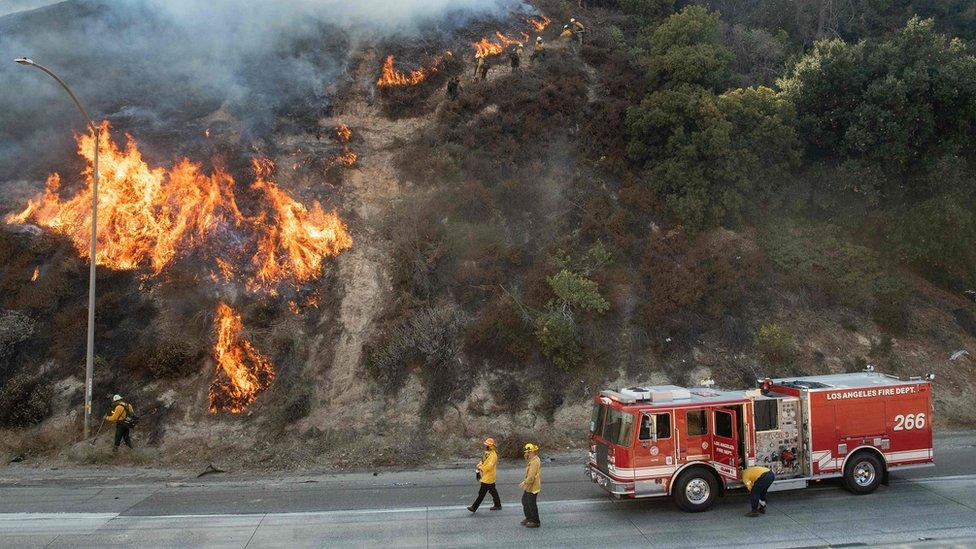
While fires are more common inland, strong winds can carry smoke to coastal cities and even large urban centers like Los Angeles, San Francisco, and San Diego. This can result in poor air quality, affecting outdoor dining, beach activities, and city tours. Even without direct fire threat, a smoky sky can detract from the visual appeal of a destination and pose health risks, particularly for sensitive groups. Major attractions like Disneyland or the beaches of Santa Monica might remain fully operational, but the overall atmosphere can be dampened. Road closures due to fires can also snarl traffic and make travel between regions, such as along the Pacific Coast Highway, unpredictable or impossible, affecting popular scenic drives.
Prioritizing Visitor Safety and Preparedness
For any traveler considering a trip to California, especially during the traditional fire season, safety must be the top priority. Being informed and prepared can significantly mitigate risks and ensure a more enjoyable, albeit flexible, journey.
Monitoring Conditions and Official Alerts
The most crucial step for travelers is to stay informed. Rely on official sources for information regarding active fires, air quality, and evacuation orders. Key resources include:
- Cal Fire: The primary fire agency in California provides real-time incident maps and updates.
- U.S. Forest Service and National Park Service: For updates on conditions within national forests and parks.
- County and local emergency services websites: Often provide the most granular, localized information.
- National Weather Service: For red flag warnings and weather forecasts that indicate high fire danger.
- Air quality monitoring sites: Websites like AirNow.gov offer real-time air quality index (AQI) readings, essential for planning outdoor activities.
Travelers should download local emergency alert apps and consider signing up for county-specific alerts for areas they plan to visit.
Essential Travel Adjustments and Resources
Flexibility is key. If a wildfire is active near your intended destination, be prepared to alter your itinerary, book alternative accommodations, or even postpone your trip.
- Accommodation and Transportation: Many hotels and airlines offer flexible cancellation or rebooking policies during natural disasters. Check with your providers. Road closures can affect travel times significantly; use navigation apps that incorporate real-time traffic and road closure data.
- Travel Insurance: Consider purchasing comprehensive travel insurance that covers cancellations or interruptions due to natural disasters. Read the policy carefully to understand what is covered.
- Emergency Kit: If undertaking a road trip, having an emergency kit in your vehicle, including water, non-perishable food, a first-aid kit, and chargers for electronic devices, is always a good practice, especially in remote areas.
Air Quality Considerations for Travelers
Smoke from wildfires contains fine particulate matter that can irritate the respiratory system and pose health risks, particularly for children, the elderly, and individuals with pre-existing conditions like asthma or heart disease.
- Check AQI: Before heading out, check the Air Quality Index (AQI) for your location. An AQI above 100 is generally considered unhealthy for sensitive groups, and above 150, unhealthy for everyone.
- Limit Outdoor Exposure: On days with poor air quality, minimize time spent outdoors. Opt for indoor activities like museums, art galleries, shopping centers, or theatre.
- Wear Masks: N95 masks can offer some protection against particulate matter if outdoor exposure is unavoidable, though they are not a substitute for staying indoors.
- Stay Hydrated: Drinking plenty of water can help alleviate some symptoms of smoke exposure.
The Resilient Spirit of California Tourism
Despite the challenges posed by wildfires, California’s tourism sector, and its communities, demonstrate remarkable resilience. The vast majority of the state remains unaffected by fires at any given time, offering countless pristine experiences.
Supporting Local Economies Amidst Challenges
When a region is impacted by fires, the local tourism economy often takes a significant hit, even after the immediate danger has passed. Tourists have a unique opportunity to contribute to recovery efforts by consciously choosing to visit and spend money in areas that are open and welcoming. This means patronizing local shops, restaurants, wineries, and tour operators. Many destinations will launch “open for business” campaigns post-fire, and travelers can find immense satisfaction in contributing to the rebuilding of communities. For instance, while some parts of [Lake Tahoe](https://lifeoutofthebox.com/lake- tahoe) might have been affected by smoke or fire in certain years, other areas often remain fully operational, relying on tourist dollars.
Exploring Alternative and Unaffected Destinations
California is immense and incredibly diverse. If a particular region is experiencing fire activity, countless other equally captivating destinations are likely unaffected. Consider pivoting your plans from a forested national park to the beaches of San Diego, the deserts of Death Valley National Park, the urban allure of San Francisco or Hollywood, or even less-traveled state parks. This flexibility not only ensures a smoother trip but also allows you to discover new facets of California’s offerings, dispersing tourist impact across the state.
Long-Term Outlook and Sustainable Practices
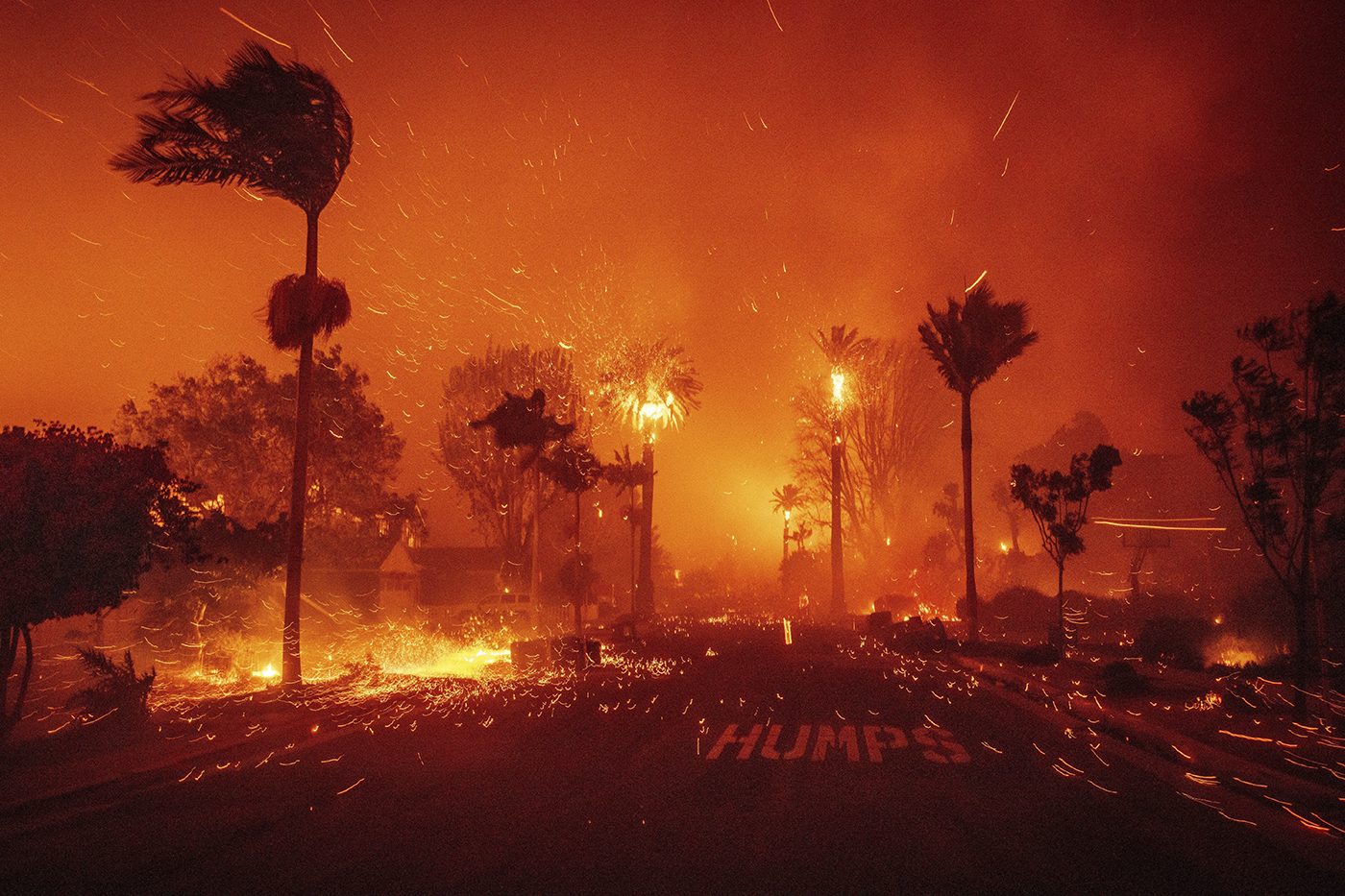
California is actively investing in long-term strategies for wildfire prevention, forest management, and community preparedness. For tourists, this translates to an evolving landscape where responsible travel choices become even more vital. Practicing “Leave No Trace” principles, adhering to fire restrictions (such as campfires or spark-producing equipment), and supporting tourism businesses that invest in sustainable and fire-safe practices are ways travelers can contribute to the state’s long-term health and continued appeal. The narrative of fires in California is not one of perpetual devastation, but rather of ongoing adaptation, resilience, and the enduring beauty that continues to draw visitors from around the globe.
LifeOutOfTheBox is a participant in the Amazon Services LLC Associates Program, an affiliate advertising program designed to provide a means for sites to earn advertising fees by advertising and linking to Amazon.com. Amazon, the Amazon logo, AmazonSupply, and the AmazonSupply logo are trademarks of Amazon.com, Inc. or its affiliates. As an Amazon Associate we earn affiliate commissions from qualifying purchases.