
The Blue Hawaii is more than just a drink; it is an iconic liquid emblem of mid-century Hawaii culture. With its vibrant, electric-blue hue and its perfect balance of tropical sweetness and citrus tartness, this cocktail captures the essence of a sun-drenched escape. Whether you are lounging by the pool at the Hilton Hawaiian Village in Waikiki or dreaming of a getaway to the Pacific Ocean, understanding the components of this classic libation offers a delicious window into the history of island mixology.
The Origins of a Tropical Icon
To understand the Blue Hawaii, one must look back to the post-war era, a time when the United States was embracing a newfound love for exoticism and tiki culture. The cocktail was conceived in 1957 by Harry Yee, the legendary head bartender at the aforementioned Hilton Hawaiian Village. At the time, the hotel was looking for a signature drink to serve as a promotion for Blue Curaçao, a liqueur that was gaining traction in the international market.
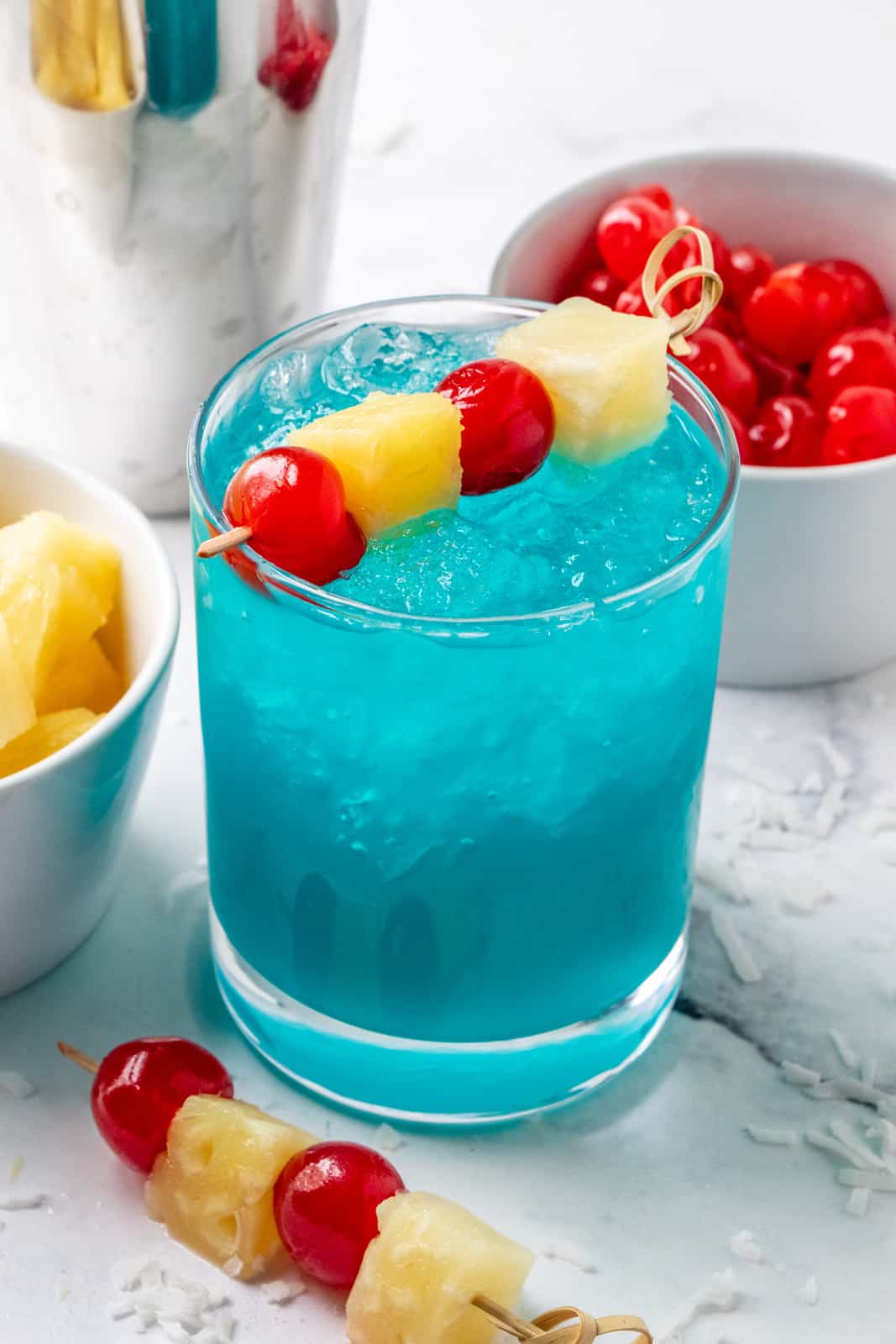
Harry Yee was an innovator who sought to capture the colors of the islands—the deep blues of the Pacific Ocean and the bright, vivid greens of the lush landscape. By blending the deep blue citrus liqueur with local ingredients, he created a drink that became an instant classic, effectively putting the Oahu cocktail scene on the global map.
Decoding the Ingredients
The brilliance of the Blue Hawaii lies in its simplicity. Unlike many modern, overly complicated craft cocktails, the original recipe relies on a harmonious blend of five key components. When prepared correctly, it is a refreshing, well-balanced drink that hides the strength of its spirit base beneath a mask of tropical fruit.
The Foundation: White Rum
A high-quality white rum serves as the backbone of the cocktail. Because the other ingredients are quite sweet, a light or silver rum is preferred over a darker, spiced version to ensure the drink remains crisp and clean. The rum provides the necessary alcoholic kick, grounding the lighter citrus notes.
The Color: Blue Curaçao
The signature color of the drink comes from Blue Curaçao, a Caribbean liqueur flavored with the dried peel of the laraha citrus fruit. Despite its artificial-looking brilliance, the liqueur itself has a pleasant, orange-forward profile that pairs perfectly with the rum and pineapple. It is the defining ingredient that differentiates this drink from other tropical favorites like the Piña Colada.
The Tropical Bridge: Pineapple Juice and Sweet & Sour
Fresh pineapple juice is non-negotiable for an authentic Blue Hawaii. It provides the essential body of the drink and introduces a natural acidity that complements the orange liqueur. In many traditional recipes, a splash of house-made sweet-and-sour mix—or a combination of fresh lemon and simple syrup—is added to provide the necessary structure, ensuring the cocktail does not feel overly cloying on the palate.
The Optional Creaminess: Coconut Cream
It is common to confuse the Blue Hawaii with the “Blue Hawaiian.” While they sound similar, the Blue Hawaiian often includes cream of coconut, which transforms the drink into a blue-tinted version of a Piña Colada. The original Blue Hawaii, however, is typically served on the rocks rather than blended, keeping the texture light, zesty, and highly drinkable in the warm climate of Honolulu.
The Art of Presentation
In the realm of Tourism, presentation is paramount. A cocktail served at a luxury resort is not just a drink; it is an experience designed to be captured and remembered. Harry Yee was famous for his garnishes, often using local flora like vanda orchids to adorn his creations.
The Perfect Vessel
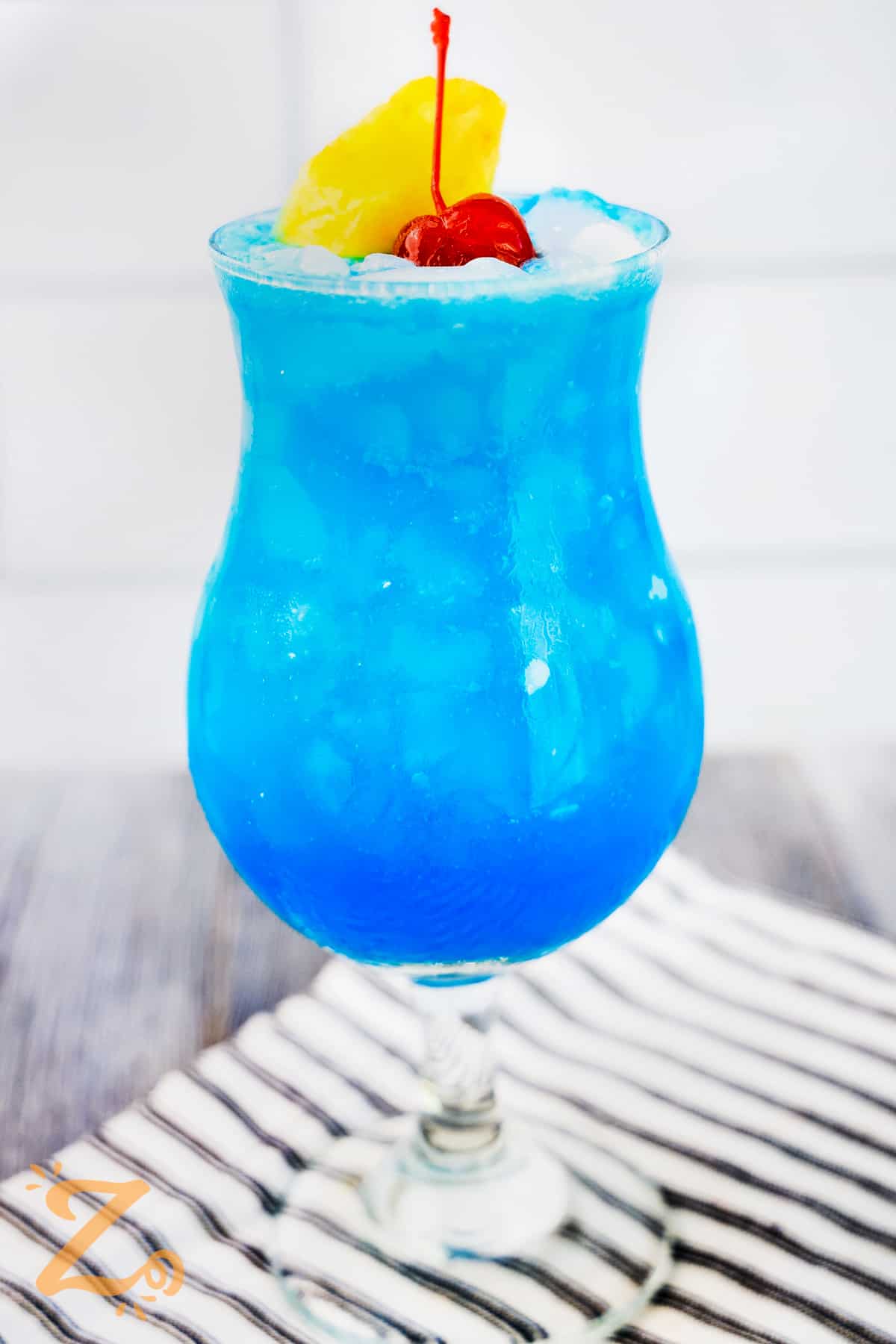
The Blue Hawaii is traditionally served in a hurricane glass or a highball glass filled with crushed or cubed ice. The use of crushed ice is particularly popular in Hawaii as it allows the cocktail to stay chilled and diluted at a consistent rate, which is vital in a humid, tropical environment.
The Garnish Strategy
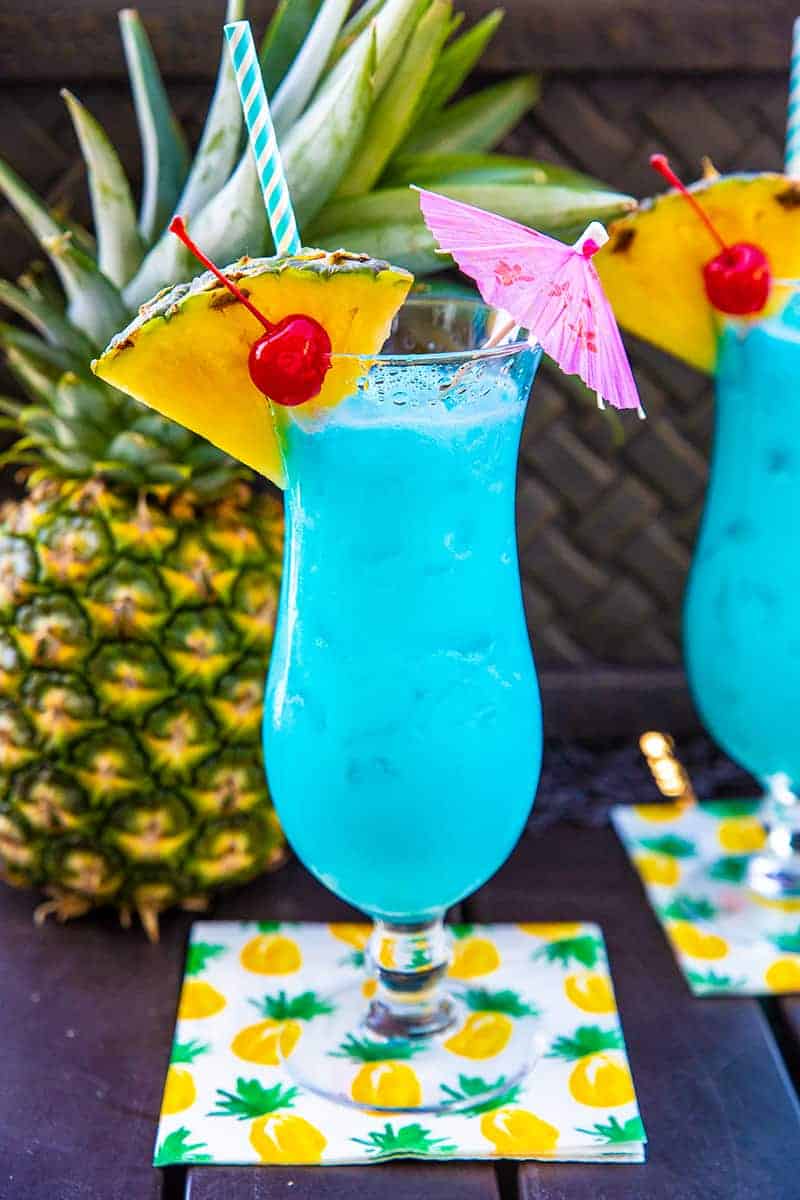
A slice of fresh pineapple and a maraschino cherry are the standard garnishes for this drink. However, to elevate the presentation to a professional standard, many bartenders add a small tropical flower or a colorful cocktail umbrella. This “kitsch” factor is part of the charm, harkening back to the golden age of Polynesia escapism and the glamorous era of mid-century travel to Asia-Pacific destinations.
Beyond the Recipe: A Cultural Symbol
The enduring popularity of the Blue Hawaii speaks to the power of destination branding. When travelers visit Honolulu, they aren’t just looking for sun and sand; they are seeking an immersion into a lifestyle. The cocktail acts as a cultural bridge, allowing visitors to taste the flavors of the islands even if they are far from the shores of Waikiki.
The Evolution of the Drink
While the classic recipe remains the gold standard, modern mixologists have begun to experiment with the format. Some establishments now use artisanal, small-batch rums, while others substitute fresh lime juice for commercial sweet-and-sour mixes to reduce the sugar content. These variations are a testament to the drink’s versatility. Whether you are at a high-end resort or a local dive bar, the Blue Hawaii remains a staple, signaling to every patron that they have arrived in paradise.
Why It Remains Relevant
In an age where travelers are increasingly focused on authentic Tourism experiences, the Blue Hawaii provides a historical touchpoint. It reminds us of a time when the United States were first opening their arms to the allure of the Pacific Ocean. It is a drink that invites you to slow down, take in the scenery, and appreciate the craftsmanship of the bartender.
Whether you find yourself exploring the landmarks of Oahu or simply relaxing at home, the next time you see a neon-blue glass, remember that you are holding a piece of history. The Blue Hawaii is not merely a combination of spirits and juice; it is a meticulously crafted artifact of tropical lifestyle that continues to define the spirit of island hospitality for generations of travelers. From the original innovation at the Hilton Hawaiian Village to the glass in your hand, this cocktail remains the ultimate toast to the beauty of the Pacific.
LifeOutOfTheBox is a participant in the Amazon Services LLC Associates Program, an affiliate advertising program designed to provide a means for sites to earn advertising fees by advertising and linking to Amazon.com. Amazon, the Amazon logo, AmazonSupply, and the AmazonSupply logo are trademarks of Amazon.com, Inc. or its affiliates. As an Amazon Associate we earn affiliate commissions from qualifying purchases.