
Alaska. The very name conjures images of vast, untamed wilderness, of towering glaciers and the shimmering aurora borealis. But for those who choose to call this magnificent, challenging state home, it’s far more than just a travel destination; it’s a way of life. Living in Alaska is an immersive experience, a constant negotiation with nature, and a profound connection to a landscape that shapes its inhabitants in unique and lasting ways. This is not a place for the faint of heart, but for those who embrace its rugged beauty and embrace its distinct rhythm, Alaska offers an unparalleled sense of freedom and fulfillment.
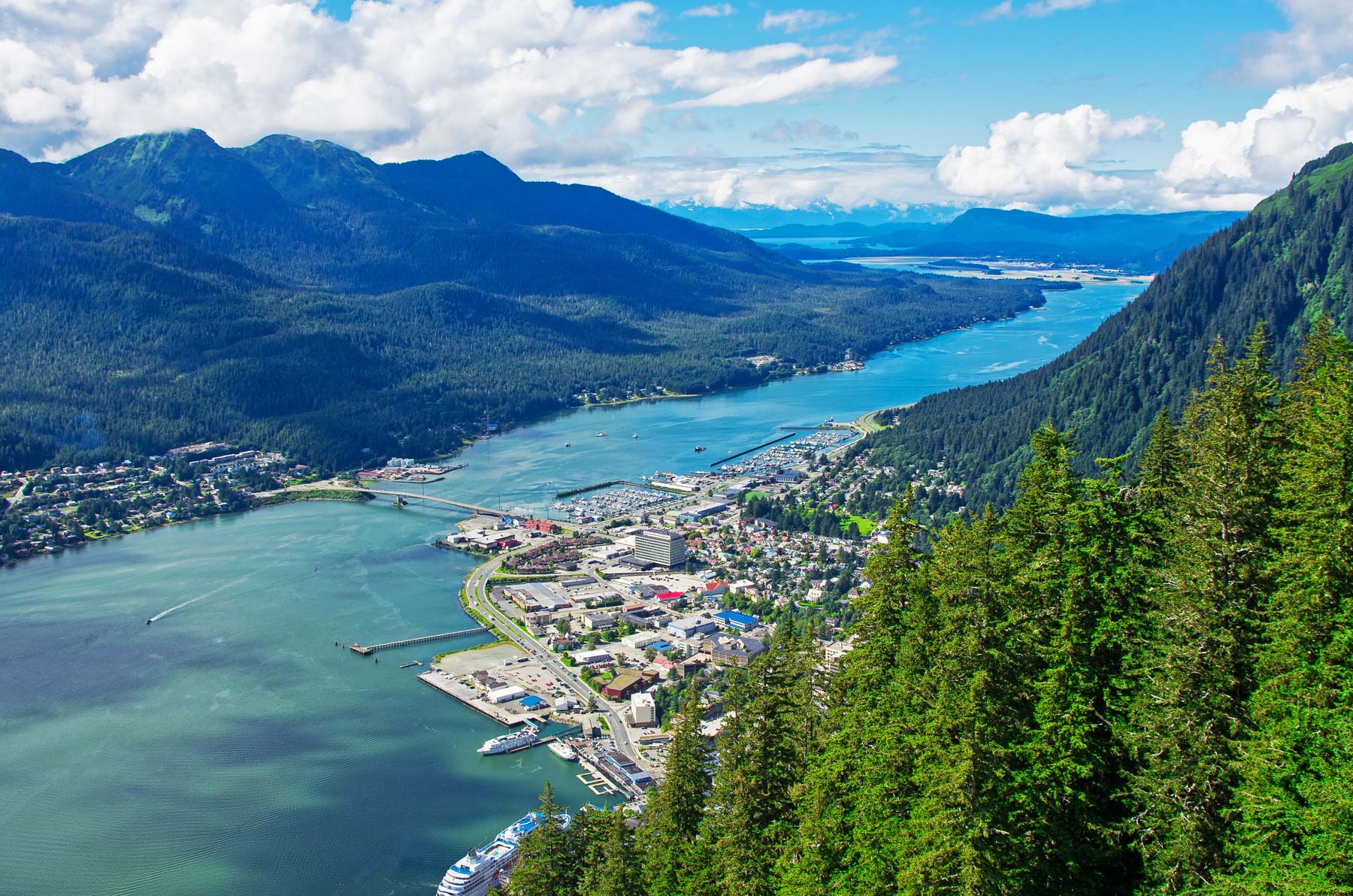
Embracing the Alaskan Climate: Seasons of Extremes and Beauty
The Alaskan climate is arguably its most defining characteristic, a powerful force that dictates daily life and shapes the very character of its residents. Understanding and adapting to these extreme seasons is fundamental to living here.
The Long, Dark Winter: A Test of Resilience and Ingenuity
Alaskan winters are legendary, characterized by prolonged periods of darkness and sub-zero temperatures. In cities like Anchorage and Fairbanks, the sun may barely rise above the horizon for months, creating a phenomenon known as the “polar night.” This darkness, while challenging, fosters a unique sense of community. People tend to spend more time indoors, focusing on hobbies, social gatherings, and preparing for the bounty of warmer months.
The cold is a constant companion. Temperatures can plummet to -40°F (-40°C) and beyond, requiring specialized gear and a deep understanding of how to stay warm and safe. Layering is not a fashion choice; it’s a survival necessity. From insulated parkas and thermal base layers to robust boots and hats, every piece of clothing is chosen for its ability to ward off the brutal cold. Many Alaskans invest in reliable vehicles with block heaters and engine warmers, and power outages, though infrequent in populated areas, are taken very seriously.
Despite the harshness, winter also brings its own brand of magic. The snow transforms the landscape into a pristine wonderland, perfect for winter sports. Cross-country skiing, snowshoeing, ice fishing, and snowmobiling become popular pastimes. And then there is the aurora borealis. Witnessing the celestial dance of the Northern Lights painting the dark sky is an unforgettable experience, a reward for enduring the long night.
The Glorious Summer: A Burst of Life and Light
The Alaskan summer is a stark contrast to its winter counterpart, a period of relentless daylight and a vibrant explosion of life. In many parts of the state, the sun sets for only a few hours each day, or not at all, leading to the moniker “the land of the midnight sun.” This extended daylight allows for incredibly long days of outdoor activity and a profound sense of expanded time.
The landscape bursts into a riot of color. Wildflowers carpet meadows, and the forests teem with activity. The warmer temperatures, typically ranging from the 50s to 70s Fahrenheit (10-20°C), make it ideal for hiking, fishing, camping, and exploring the vast wilderness. Rivers swell with glacial meltwater, attracting salmon runs that are vital to the ecosystem and local cuisine.
The long daylight hours can also be disorienting at first. Many Alaskans invest in blackout curtains to ensure proper sleep. However, the energy and opportunity that summer provides are cherished. It’s a time for outdoor festivals, farmers’ markets, and making the most of every moment under the sun. The contrast between the deep freeze of winter and the perpetual daylight of summer is a key element of the Alaskan lifestyle, fostering a deep appreciation for both extremes.
The Alaskan Lifestyle: Self-Reliance, Community, and Connection to Nature
Living in Alaska fosters a unique set of values and a distinct way of life, heavily influenced by the environment and the spirit of its inhabitants.
The Spirit of Self-Reliance and Resourcefulness
Perhaps the most pervasive characteristic of the Alaskan lifestyle is a strong sense of self-reliance. Due to its remoteness and the challenges posed by its environment, Alaskans have historically learned to depend on themselves and their own ingenuity. This manifests in various ways, from home gardening and preserving food to the commonality of DIY repairs and a general preparedness for unexpected situations.
Many Alaskans are skilled in practical crafts and trades, reflecting a need to be adaptable and capable. Whether it’s chopping wood for heating, maintaining snow machines, or building a cabin, a hands-on approach is often the norm. This self-sufficiency isn’t about isolation; rather, it’s a foundation of competence that allows individuals to thrive in a demanding setting.

The Importance of Community and Neighborly Support
While self-reliance is paramount, it exists in tandem with a deeply ingrained sense of community. In small towns and even in larger cities, neighbors often rely on each other for support, whether it’s sharing resources during a harsh winter, helping a neighbor with a difficult task, or simply providing companionship.
The isolation that can be a challenge of living in Alaska also breeds a strong bond among its residents. There’s an unspoken understanding and a shared experience that creates a powerful sense of belonging. Potlucks, community events, and volunteer efforts are common, fostering connections that are vital for well-being in a place where life can feel remote.
A Profound Connection to the Natural World
Living in Alaska means living in constant awe of nature. The sheer scale and power of the Alaskan wilderness are ever-present, influencing everything from daily routines to long-term life choices. For many, this proximity to nature is the primary draw.
Outdoor recreation is not just a hobby; it’s a fundamental part of the Alaskan identity. Whether it’s fishing for salmon on the Kenai Peninsula, hiking in Denali National Park and Preserve, or simply watching wildlife from one’s backyard, the natural world is an integral part of life. This connection fosters a deep respect for the environment and a commitment to conservation. The changing seasons, the abundant wildlife, and the dramatic landscapes provide a constant source of inspiration and a reminder of humanity’s place within a larger, wilder ecosystem.
Practical Considerations for Alaskan Living
Beyond the romanticized notions of wilderness and adventure, living in Alaska involves practical considerations that are crucial for making an informed decision.
The Cost of Living and Economic Realities
Alaska’s remote location and unique logistical challenges contribute to a higher cost of living compared to many other states. Transportation of goods can be expensive, impacting the price of groceries, fuel, and everyday necessities. Utilities, particularly heating costs during the long winter months, can be substantial.
However, Alaska also offers unique economic opportunities. The state government provides an annual dividend from oil revenues, known as the Permanent Fund Dividend, which can help offset some of these costs. Industries such as oil and gas, fishing, tourism, and mining are significant employers. For those with specialized skills or a willingness to adapt to local economic demands, employment can be found. The housing market can vary significantly, with more affordable options often found in smaller communities or further from major urban centers like Juneau.
Access to Services and Infrastructure
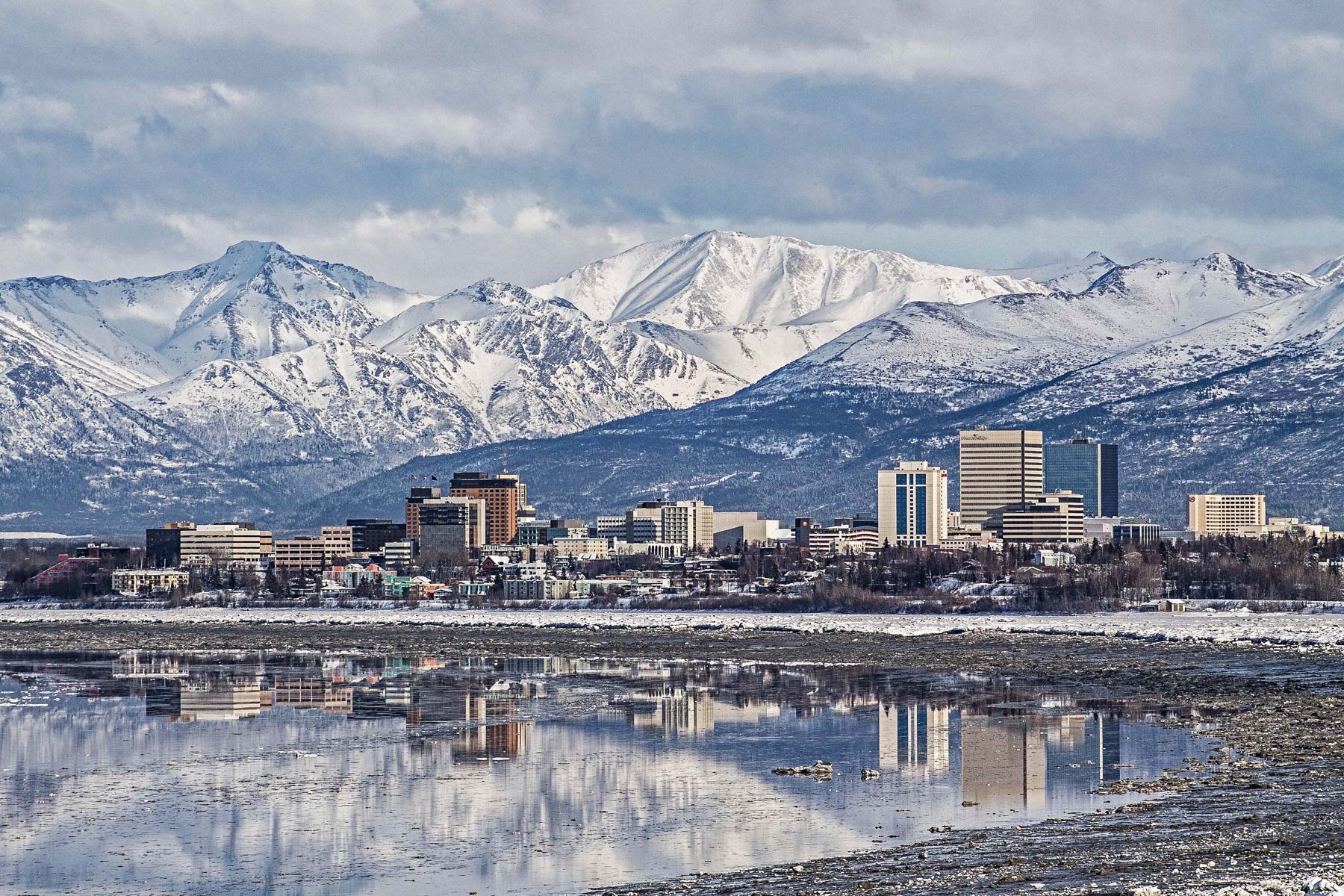
While major cities like Anchorage boast modern amenities and services comparable to any in the contiguous United States, infrastructure and access can be more limited in remote areas. Healthcare facilities, educational institutions, and retail options may be spread out, requiring significant travel for some residents.
For those considering a move to more isolated regions, understanding the available services and planning for potential challenges is essential. However, advancements in technology, such as reliable internet access in many areas, have significantly improved connectivity and access to information and services. Emergency services are robust, with dedicated search and rescue teams and a strong network of first responders ready to assist.
The Pace of Life and Cultural Nuances
Life in Alaska generally moves at a different pace. The extreme climate and the vast distances can foster a more deliberate approach to life, with a greater emphasis on planning and preparation. While there’s a spirit of rugged individualism, there’s also a strong sense of shared experience and mutual support.
The cultural landscape is a rich tapestry woven from indigenous traditions, the legacy of its pioneers, and the diverse backgrounds of its more recent settlers. Native Alaskan cultures, with their deep historical roots and vibrant contemporary expressions, are an integral part of the state’s identity. Understanding and respecting these traditions is an important aspect of living harmoniously in Alaska. The people of Alaska are often characterized by their resilience, their practicality, and a deep, abiding love for their extraordinary home.
LifeOutOfTheBox is a participant in the Amazon Services LLC Associates Program, an affiliate advertising program designed to provide a means for sites to earn advertising fees by advertising and linking to Amazon.com. Amazon, the Amazon logo, AmazonSupply, and the AmazonSupply logo are trademarks of Amazon.com, Inc. or its affiliates. As an Amazon Associate we earn affiliate commissions from qualifying purchases.