
Unveiling the Heart of the Midwest
When travelers and culture enthusiasts ask, “What’s Kansas City record?”, they are usually not just talking about vinyl spinning on a turntable at a local boutique audio shop. They are often referring to the rich, dynamic cultural ledger of a metropolis that has quietly shaped American music, sports, architecture, and culinary traditions for over a century. Situated right on the western border of Missouri, this vibrant urban center boasts a legacy that stretches far beyond its famous barbecue pits and fountain-filled boulevards.
The Musical Heritage and Jazz Chronicles
To understand the cultural beat of the city, one must first explore its legendary contribution to America’s art form: jazz. During the Pendergast era of the 1920s and 1930s, Kansas City operated as a wide-open town, creating a thriving nightlife where jazz flourished behind closed doors. This unique brand of swing was characterized by blues-infused improvisation, energetic rhythm sections, and extended solo performances that differed markedly from the sweeter orchestrations of the East Coast.

Legendary figures such as Count Basie and Charlie Parker honed their craft in the historic 18th and Vine Historic District, a cultural hub that still stands today as a testament to African American artistic achievement. Visitors walking these storied streets can visit the American Jazz Museum, which preserves the physical records, photographs, and soundscapes of an era that changed the global music scene forever. The neighborhood captures a bygone era while remaining a living, breathing venue for contemporary artists who keep the brassy, soulful tradition alive every single weekend.
Architectural Marvels and Public Spaces
Beyond the rhythm of its music, the urban record of Kansas City is etched into its stunning architecture and expansive public spaces. Often dubbed the “City of Fountains,” boasting more functional fountains than almost any other city in the world outside of Rome, water features define much of the landscape’s aesthetic charm. From the ornate European-inspired J.C. Nichols Memorial Fountain in the historic Country Club Plaza to the modern artistic installations downtown, public art is seamlessly integrated into everyday life.
The Country Club Plaza, established in the early 1920s, holds a special place in urban planning history as the nation’s first suburban shopping center designed specifically to accommodate the automobile. Its distinct Spanish-revival architecture, complete with towers, stucco walls, and intricate tile work modeled after Seville, makes a simple afternoon stroll feel like a journey through southern Spain. Meanwhile, a short distance away, the towering Egyptian Revival structure of the National WWI Museum and Memorial offers both sobering historical perspective and one of the finest panoramic skyline views in the entire Midwest.
Culinary Milestones and Barbecue Mastery
No exploration of local achievements would be complete without examining the culinary ledger that puts the region on the global map. The local food identity is dominated by a slow-smoked tradition that has evolved over generations into a fine art. The culinary record here is defined by deep pits, hickory and oak smoke, sweet tomato-and-molasses-based sauces, and a reverence for expertly prepared meats like burnt ends, brisket, and ribs.
The Evolution of Smoke and Spice
The story of local barbecue began in the early 20th century in the stockyards of the West Bottoms, where Henry Perry—often hailed as the father of local barbecue—began serving smoked meats wrapped in newspaper to hungry workers. Over the decades, Perry’s former employees and students branched out, founding iconic establishments that would go on to shape international perceptions of American comfort food.
Today, institutions like Arthur Bryant’s Barbeque and Gates Bar-B-Q serve as culinary landmarks where presidents, athletes, and everyday food lovers wait eagerly in line for a taste of history. The dedication to craft is so intense that debates over which neighborhood joint serves the absolute best burnt ends are taken with the utmost seriousness by residents. This culinary identity extends beyond smoked meats, however, as a burgeoning farm-to-table movement led by visionary chefs continues to elevate the regional dining scene into a nationally recognized powerhouse.
Craft Breweries and Market Culture
Complementing the rich barbecue culture is a booming craft beverage scene. Local microbreweries have breathed new life into industrial brick warehouses, transforming neighborhoods like the Crossroads Arts District into vibrant hubs of creativity and socialization. Visitors wandering through these trendy enclaves can sample inventive IPAs, crisp lagers, and barrel-aged stouts that pay homage to the area’s industrial past.
For those seeking fresh ingredients and a lively communal atmosphere, the City Market has been operating continuously since 1857. As one of the oldest and largest public farmers’ markets in the region, it stands as a living record of commerce, community gathering, and agricultural abundance. On any given weekend, thousands of visitors browse stalls laden with local produce, artisanal cheeses, spices, and global street foods, all while listening to buskers play acoustic melodies in the open air.
Sporting Passion and Modern Renaissance
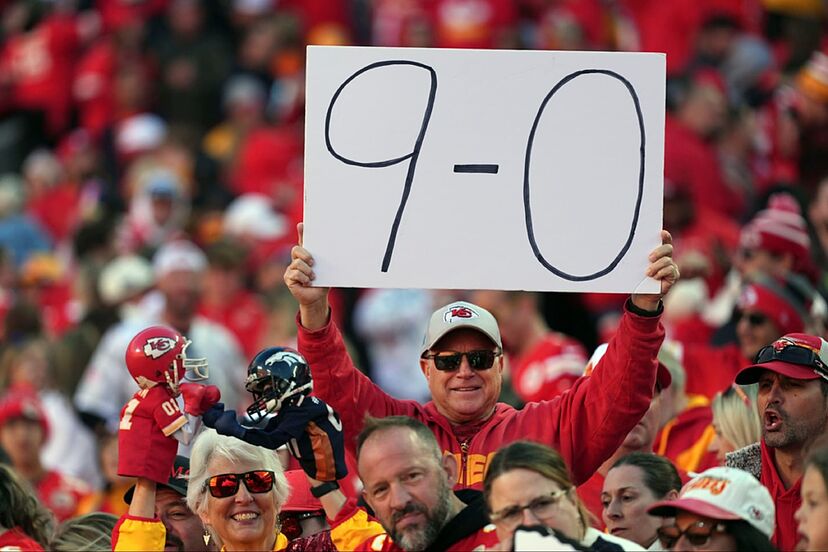
In contemporary times, the cultural record of Kansas City is increasingly defined by an unmatched civic pride and an unprecedented sporting renaissance. The city has transformed into a passionate destination for sports enthusiasts, boasting fiercely loyal fanbases that set decibel records and fill stadiums with oceans of red and blue.
Stadium Culture and Athletic Triumphs
The passion for athletics is perhaps best exemplified by the roar that emanates from the Truman Sports Complex. On football Sundays, the sprawling tailgates surrounding Arrowhead Stadium—home of the Kansas City Chiefs—generate an atmosphere of electric camaraderie, famously breaking outdoor stadium noise records. Just adjacent, Kauffman Stadium provides a classic baseball experience, complete with cascading fountains and classic concessions that celebrate America’s pastime.
Beyond traditional American sports, the city has firmly established itself as a capital for soccer culture. The founding of Sporting Kansas City and the state-of-the-art Children’s Mercy Park helped ignite a fervent following for Major League Soccer in the heartland. This athletic fervor creates a unifying energy that binds diverse communities together, turning game days into city-wide celebrations.

The Urban Core Reimagined
This sporting and cultural confidence mirrors a broader physical transformation taking place within the urban core. The introduction of the sleek, free-to-ride KC Streetcar line has revitalized downtown transit, connecting the bustling River Market area all the way down to the lush green spaces of Crown Center and the renowned Nelson-Atkins Museum of Art.
Art lovers exploring the Nelson-Atkins Museum of Art will find world-class collections spanning thousands of years of human creativity, framed by the whimsical giant shuttlecocks of the Donald J. Hall Sculpture Park on the lawn. This harmonious blend of historic preservation and forward-thinking urban design proves that the city’s record is not merely a dusty archive of the past, but an ongoing, living masterpiece. Whether you come for the rhythm of the blues, the smoke of the barbecue pits, or the warmth of Midwestern hospitality, exploring this dynamic destination offers an unforgettable encounter with a truly unique American metropolis.
LifeOutOfTheBox is a participant in the Amazon Services LLC Associates Program, an affiliate advertising program designed to provide a means for sites to earn advertising fees by advertising and linking to Amazon.com. Amazon, the Amazon logo, AmazonSupply, and the AmazonSupply logo are trademarks of Amazon.com, Inc. or its affiliates. As an Amazon Associate we earn affiliate commissions from qualifying purchases.