
Planning a trip to Las Vegas often involves meticulous budgeting for flights, The Venetian Resort, and high-end dining. However, for those interested in the economic landscape of the entertainment capital of the world, understanding the local labor market is essential. Whether you are a business traveler, a potential worker, or simply an inquisitive tourist, knowing the minimum wage in Nevada provides a deeper perspective on the cost of living and the service industry that keeps the Las Vegas Strip running twenty-four hours a day.
Understanding the Nevada Minimum Wage Structure
In Nevada, the minimum wage is not a static figure; it has undergone a series of mandated increases designed to adjust for inflation and the rising cost of living in major urban centers like Las Vegas and Reno. Unlike some states that maintain a split-tier system for tipped and non-tipped employees, Nevada maintains a unified rate for all workers, regardless of whether they receive tips.
The Legislative Path to Higher Wages
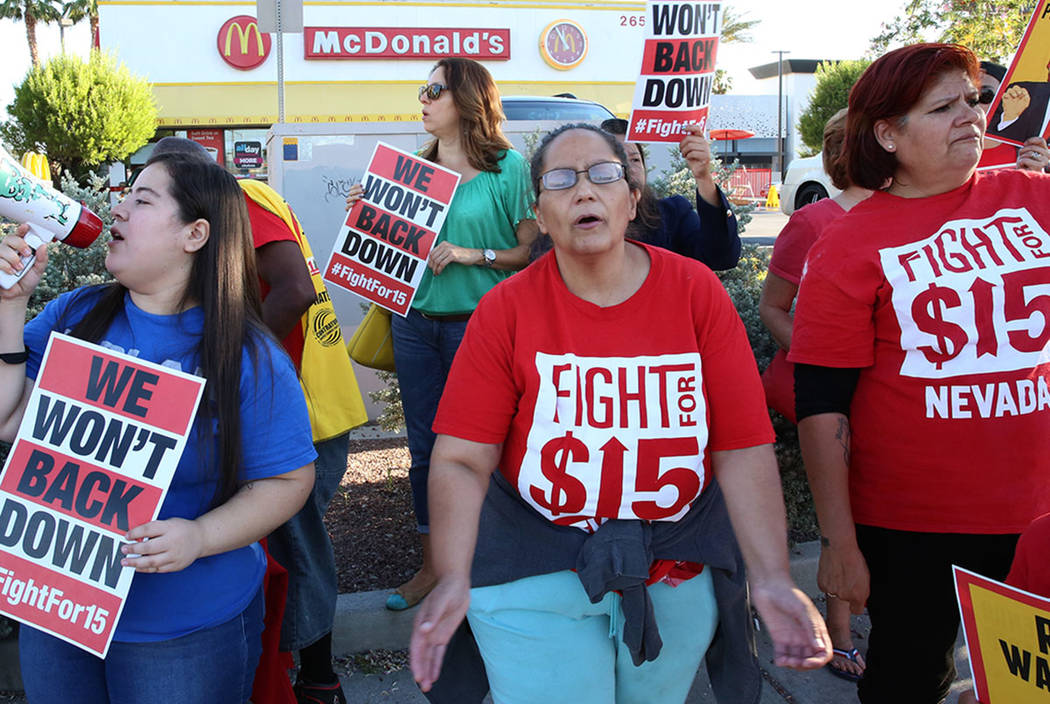
As of July 1, 2024, the minimum wage in the state is $12.00 per hour. This legislative progression was set into motion by Assembly Bill 456, which incrementally raised the hourly rate over several years. This policy change reflects the state’s recognition that the service-heavy economy, which relies heavily on roles within venues like Caesars Palace and MGM Grand, requires a wage floor that supports the workforce.
Why Tips Do Not Lower the Minimum Wage
One of the most frequently asked questions by visitors and prospective employees is whether employers can count tips toward the minimum wage. Under Nevada law, the answer is a definitive no. Employers must pay the full minimum wage rate without deducting tips from the hourly pay. This is a significant distinction compared to the federal minimum wage laws or policies in many other United States territories. For the hospitality staff serving drinks at The Cosmopolitan of Las Vegas or managing front desks at Wynn Las Vegas, this ensures a stable baseline income regardless of nightly gratuity fluctuations.
The Impact on the Hospitality and Tourism Sector
The hospitality industry is the lifeblood of Las Vegas. From the housekeeping staff at Bellagio Hotel and Casino to the culinary teams working in world-renowned kitchens across the city, the workforce is vast. Adjustments to the minimum wage directly influence how these major Nevada employers manage their labor budgets and, subsequently, how they price their services for visitors.
Labor Costs and Service Quality
When labor costs rise, there is often a ripple effect on the pricing of hotel amenities and dining experiences. While many might worry that higher wages lead to a decrease in service quality, the reality in Las Vegas is often the opposite. High turnover is a significant cost for massive resorts like The Mirage or Luxor Hotel and Casino. By maintaining a competitive and state-mandated minimum wage, these companies are better positioned to retain experienced staff, which ultimately enhances the guest experience.
Employment Opportunities in the Entertainment Capital
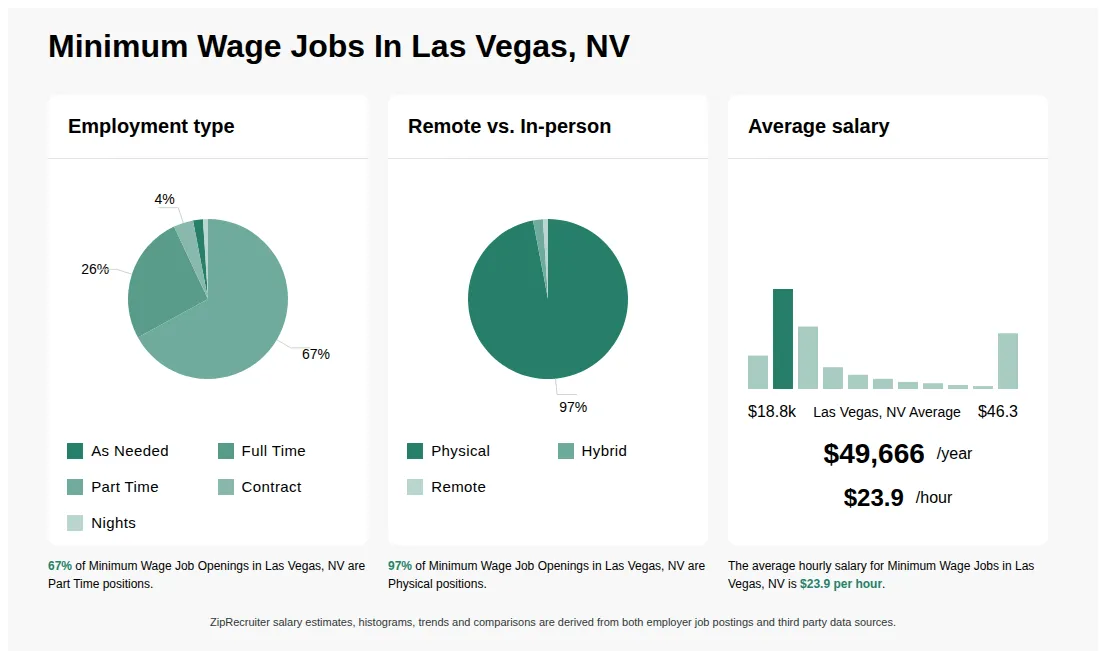
For those considering relocating to Nevada for employment, the city offers more than just entry-level positions. The diversity of jobs ranges from convention logistics at the Las Vegas Convention Center to specialized retail positions within The Forum Shops at Caesars. Because the wage floor is consistent across the state, the competition for skilled labor has pushed many hospitality giants to offer wages that exceed the state minimum, particularly for roles that require specialized certifications or extensive experience in luxury service.
Economic Considerations for Travelers
Budget travel is a common goal, but understanding the labor costs in a city like Las Vegas can help travelers manage their expectations regarding service charges, resort fees, and tipping culture.
The Tipping Culture in a Fair-Wage State
Because Nevada does not permit a tip credit, the service staff you encounter at Circa Resort and Casino are earning the full minimum wage plus their tips. While some visitors may assume this justifies a reduction in gratuities, the social contract in the city remains rooted in the traditional tipping culture of the hospitality industry. Tipping remains the primary way to reward exceptional service, whether it is from a valet at ARIA Resort and Casino or a server at a high-end steakhouse.
Budgeting for a Trip to Nevada
When you look at the price of your stay at Flamingo Las Vegas or a ticket to a show at The Sphere, remember that these businesses are operating in a state where labor costs are structured to support the local workforce. While the minimum wage might seem like a dry economic statistic, it is a foundational element of the city’s ability to maintain the high standards that make Las Vegas one of the top tourism destinations in the world. Being aware of this allows visitors to better appreciate the human element behind the glitz and glamour.
Navigating Employment Regulations as a Worker
For individuals moving to Nevada specifically to join the thriving hospitality workforce, there are nuances beyond the hourly rate. Employers are required to post minimum wage information in a conspicuous place, ensuring that every worker at a property like Planet Hollywood Las Vegas is aware of their rights.
Overtime and Labor Rights
In addition to the minimum wage, Nevada has specific laws regarding overtime. Generally, employees are entitled to overtime pay at one and one-half times their regular rate of pay for any time worked over 40 hours in a workweek, or over 8 hours in a workday, depending on their pay rate. This legal framework provides a level of security for the hundreds of thousands of workers who keep the nightlife, gaming, and dining sectors of Las Vegas functioning around the clock.
Staying Informed
Whether you are a visitor enjoying a luxury stay at Encore at Wynn Las Vegas or a professional looking to start a career in the desert, keeping up with the state’s economic policies is beneficial. The minimum wage reflects a commitment to a standard of living that supports one of the most vibrant economies in the Western United States. By understanding these figures, you gain a more nuanced appreciation for the complex ecosystem that powers the Las Vegas Strip, turning a simple vacation into an exploration of how one of the world’s most famous cities manages its most valuable resource: its people.
LifeOutOfTheBox is a participant in the Amazon Services LLC Associates Program, an affiliate advertising program designed to provide a means for sites to earn advertising fees by advertising and linking to Amazon.com. Amazon, the Amazon logo, AmazonSupply, and the AmazonSupply logo are trademarks of Amazon.com, Inc. or its affiliates. As an Amazon Associate we earn affiliate commissions from qualifying purchases.