
Connecticut, a gem in New England, offers a captivating blend of historic charm, scenic beauty, and vibrant cultural experiences. From the bustling urban centers like Hartford and New Haven to picturesque coastal towns and rolling Litchfield Hills, the state beckons travelers with its diverse attractions. However, for both residents and visitors, understanding the economic landscape, particularly the minimum wage, is crucial. The cost of living and earning potential significantly impact lifestyle choices, travel budgets, and the overall experience of the “Nutmeg State.” This article delves into Connecticut’s minimum wage, exploring its current status, recent changes, and its far-reaching implications for the state’s tourism, hospitality sector, and the everyday lives of those who call it home or are just passing through. Whether you’re planning a lavish getaway, a budget-friendly adventure, considering a move, or simply curious about the economic heartbeat of this historic state, grasping the minimum wage context is fundamental to navigating all that Connecticut has to offer.

Navigating Connecticut’s Minimum Wage Landscape
Connecticut has been at the forefront of states working to establish a higher minimum wage, aiming to improve the economic stability of its workforce. These legislative efforts reflect a broader commitment to ensuring that those working in essential sectors, including the vital tourism and hospitality industries, can earn a wage that better supports their livelihoods. For travelers and those interested in the state’s economy, understanding these figures is key to comprehending the cost structures within local businesses and the general economic health of the region.
The Current Minimum Wage and Recent Increases
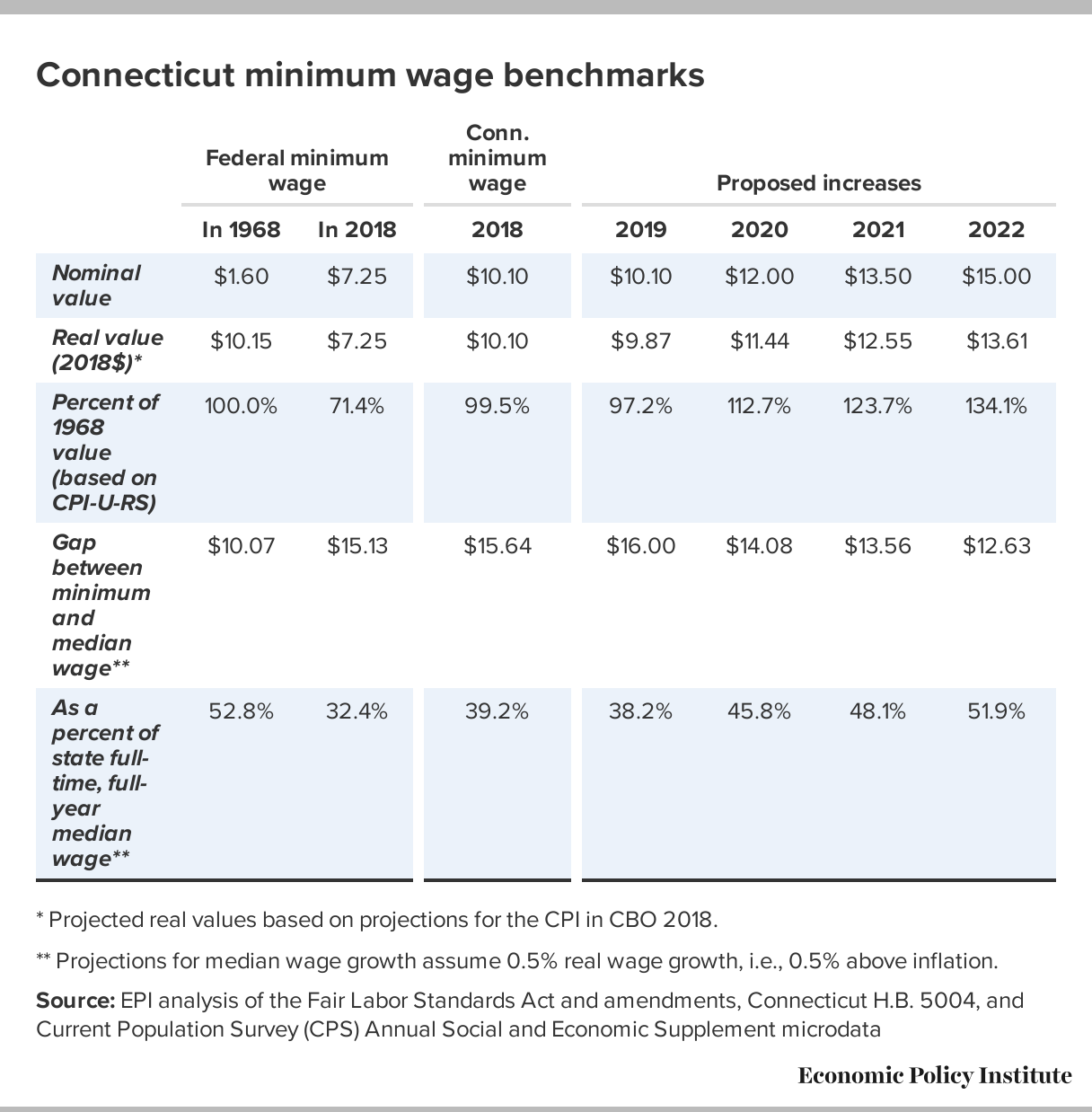
As of January 1, 2024, the minimum hourly wage in Connecticut stands at $15.69. This figure is the result of a series of incremental increases enacted through state legislation. Prior to this, the wage saw significant bumps, moving from $10.10 in 2019 to $11.00 in October 2019, then to $12.00 in September 2020, $13.00 in August 2021, $14.00 in July 2022, and $15.00 in June 2023. These scheduled increases have provided a clear trajectory for businesses and employees alike, fostering a degree of predictability in the state’s labor market. Looking ahead, Connecticut’s minimum wage is set to adjust annually starting on July 1, 2024, tied to the federal Employment Cost Index. This mechanism ensures that the wage keeps pace, to some extent, with inflation and the rising cost of living, providing ongoing relief and stability for workers. This progressive approach positions Connecticut among the states with the highest minimum wages in the nation, reflecting a commitment to a higher standard of living for its workers. For instance, a hospitality worker at a hotel in Stamford or a server in a restaurant near Mystic Seaport benefits directly from these policies, which in turn can influence their ability to afford local accommodation, enjoy leisure activities, or save for personal travel.
Tipped Wages and Exemptions
While the general minimum wage applies to most employees, Connecticut has specific provisions for workers who regularly receive tips. For these “service employees,” the minimum cash wage an employer must pay is $6.38 per hour, provided that the employee’s tips, combined with this cash wage, at least equal the standard minimum wage of $15.69. This difference, known as the “tip credit,” means employers can pay less than the standard minimum wage, relying on tips to make up the difference. However, if an employee’s tips do not bring their total hourly earnings up to the full minimum wage, the employer is legally obligated to make up the difference. This system is particularly relevant to the tourism sector, affecting staff in restaurants, bars, and certain hotel roles.
Beyond tipped employees, Connecticut also recognizes several other exemptions from the minimum wage law. These typically include certain agricultural workers, outside salespersons, and individuals working in executive, administrative, or professional capacities who meet specific salary and duty tests. There are also specific rules for minors, student learners, and individuals with disabilities under certain circumstances, often requiring special permits. Understanding these nuances is important for both employers and employees to ensure compliance and fair compensation practices within the state’s diverse economy. For tourists, it explains why service charges or tipping etiquette might vary slightly compared to other regions, ensuring that the hard-working individuals delivering excellent service are adequately compensated.
Minimum Wage and the Cost of Living in the Nutmeg State
Connecticut is renowned for its charming towns, picturesque coastlines, and proximity to major metropolitan areas like New York City and Boston. However, this desirable location often comes with a higher cost of living compared to the national average. When evaluating the impact of the state’s robust minimum wage, it’s essential to consider how it intersects with the everyday expenses faced by residents and the budget considerations for those planning a visit. The interplay between wages and living costs dictates much about the quality of life and the economic accessibility of various experiences within the state.
Understanding the Living Wage vs. Minimum Wage
The concept of a “living wage” often comes into play when discussing minimum wage policies. A living wage is generally defined as the minimum income necessary for a worker to meet their basic needs without public or private assistance. In Connecticut, despite its relatively high minimum wage of $15.69, the cost of living, particularly in affluent areas such as Fairfield County (home to towns like Greenwich and Darien), remains substantially elevated. Housing, childcare, healthcare, and transportation expenses can quickly outpace the earnings from minimum wage jobs, especially for individuals supporting families. For instance, a single adult without children might find the minimum wage more manageable, but a single parent often faces significant financial challenges.
This disparity creates a nuanced picture for potential residents or long-term visitors. While the minimum wage offers a floor, it doesn’t always guarantee a comfortable lifestyle in all parts of the state. Cities like Stamford and Norwalk in Fairfield County have some of the highest housing costs, meaning even a higher minimum wage might stretch thin. Conversely, in more rural or less expensive areas of the state, such as parts of Eastern Connecticut or the Litchfield Hills, the minimum wage might afford a greater degree of financial stability. This regional variation is a critical factor for anyone considering employment or extended stays in different parts of Connecticut. Understanding this balance helps tourists appreciate the economic context of the service they receive and aids potential residents in making informed relocation decisions.
Impact on Daily Expenses and Lifestyle Choices
The minimum wage directly influences the daily expenses and lifestyle choices of a significant portion of Connecticut’s workforce, particularly those in entry-level positions within the service and tourism industries. For residents earning the minimum wage, budgeting becomes a precise art. Housing is often the largest hurdle, with rental prices in cities like New Haven, Hartford, and Bridgeport consuming a substantial portion of income. Beyond rent, the cost of groceries, utilities, and transportation (especially in areas with limited public transit) further strains budgets. Leisure activities, a cornerstone of Connecticut’s tourism appeal, such as visiting museums like the Mark Twain House & Museum or exploring coastal towns, might become infrequent luxuries rather than regular pursuits for those earning minimum wage.
From a lifestyle perspective, the minimum wage dictates access to various amenities and experiences. It can influence choices regarding dining out, cultural events, or even short domestic travel. While Connecticut offers a wealth of free or low-cost activities – from hiking trails in Gillette Castle State Park to strolling along scenic beaches – participation in many of the state’s premium attractions or staying at its upscale hotels often requires a higher disposable income. For budget travelers visiting Connecticut, understanding this economic reality can help set realistic expectations for expenses, from meal costs to accommodation rates. It underscores the importance of strategic planning, perhaps opting for self-catering accommodations or seeking out deals on attractions, to fully enjoy the state without overstretching finances.
Implications for Connecticut’s Tourism and Hospitality Sector
Connecticut’s thriving tourism and hospitality sector, encompassing everything from historic inns and luxury resorts to charming cafes and world-class casinos like Mohegan Sun and Foxwoods Resort Casino, is intricately linked to the state’s minimum wage policies. Labor costs are a significant component of operational expenses for these businesses. Therefore, changes in the minimum wage ripple through the industry, affecting everything from pricing strategies to staffing levels and the overall quality of visitor experience. For travelers, understanding these dynamics provides context for the prices they encounter and the service they receive.
Hotel and Restaurant Pricing: What Travelers Can Expect
The progressive increases in Connecticut’s minimum wage directly impact the operational costs for hotels, restaurants, and other tourism-related businesses. Higher wages mean higher payroll expenses, which are often passed on, at least in part, to consumers through increased prices for services and goods. When booking a hotel in Old Saybrook or dining at a gourmet restaurant in New Haven, travelers might notice that prices are somewhat higher than in states with lower minimum wages. This adjustment is necessary for businesses to maintain profitability while compensating their staff fairly. For example, a resort along the Thimble Islands might factor higher labor costs into their room rates and service charges.
For budget-conscious travelers, this means meticulous planning is even more essential. While Connecticut offers excellent value in many areas, particularly outside of peak season or major urban centers, being aware of the general cost structure helps in making informed decisions. Seeking out hotels with self-catering options, utilizing local farmers’ markets, or taking advantage of early-bird specials at restaurants can help manage expenses. Furthermore, visitors might also observe that service charges, particularly in some dining establishments, are becoming more common as businesses seek to cover increased labor costs and ensure adequate compensation for their teams. This transparency in pricing, though sometimes perceived as higher, supports the local workforce and often translates into better service quality.
Workforce Wellbeing and Service Quality
One of the often-cited benefits of a higher minimum wage, particularly in the service sector, is its potential to improve workforce wellbeing and, consequently, the quality of service. When employees in hotels, restaurants, and attractions earn a more livable wage, they tend to experience greater job satisfaction, reduced financial stress, and increased loyalty to their employers. This can lead to lower employee turnover rates, which is a significant advantage for businesses as it reduces recruitment and training costs. A stable, experienced, and motivated workforce is better equipped to provide excellent customer service, which is paramount in the tourism industry.
Imagine a knowledgeable concierge at a Mystic hotel who feels valued, or a server at a Hartford eatery who is genuinely invested in their work. Their positive attitude and professionalism directly enhance the visitor experience. A higher minimum wage can also attract more skilled and dedicated individuals to the hospitality industry, elevating the overall standard of service. For travelers, this often translates into more attentive staff, better recommendations, and a generally more pleasant and memorable stay. While the initial sticker shock of higher prices might be a consideration, the trade-off often comes in the form of a more engaged and professional workforce, contributing positively to Connecticut’s reputation as a welcoming and high-quality travel destination.
Planning Your Connecticut Visit: Budgeting and Beyond
Planning a trip to Connecticut is an exciting endeavor, offering a diverse array of experiences from historical explorations and vibrant arts scenes to serene natural escapes. Understanding the state’s minimum wage and its impact on the cost of living and services is a crucial component of effective trip planning. By adopting smart budgeting strategies and being aware of the broader economic landscape, travelers can maximize their enjoyment while minimizing financial stress. This section offers practical advice for visitors and provides a glimpse into the ongoing economic balance within the state.
Smart Travel Strategies for Every Budget
For travelers looking to experience the best of Connecticut without breaking the bank, several strategies can help navigate the state’s higher cost environment. Firstly, consider off-season travel. Visiting during the shoulder seasons (spring and fall, excluding peak foliage) or even in winter can often yield lower prices for accommodations and sometimes even attractions. Popular coastal towns like New London or destinations around Yale University in New Haven tend to have more competitive rates during these times.
Secondly, leverage free and low-cost attractions. Connecticut boasts numerous state parks, hiking trails, beaches, and scenic drives that offer breathtaking beauty without an entry fee. Many museums offer free admission days or reduced rates. For example, exploring the historic streets of Wethersfield or enjoying a picnic at a riverside park are budget-friendly options. Thirdly, self-catering accommodations such as apartments or vacation rentals can significantly cut down on dining expenses, especially when coupled with visits to local grocery stores or farmers’ markets for fresh, local produce. Finally, look for package deals or discounts on attractions and activities, and consider purchasing a city pass if visiting multiple paid sites in an urban area. Being flexible with travel dates and making reservations well in advance, especially for popular hotels or resorts, can also lead to better value.
The Economic Landscape for Businesses and Workers
Connecticut’s minimum wage policy reflects a deliberate effort to create an economic landscape that balances the needs of workers with the viability of businesses. For tourism-dependent enterprises, from quaint bed and breakfasts in the countryside to expansive hotels in urban centers, managing rising labor costs is an ongoing challenge. Many small businesses, in particular, must innovate, optimize their operations, or adjust pricing to absorb these changes. However, the consistent increase also contributes to a stronger consumer base within the state, as workers have more disposable income, potentially benefiting local businesses through increased patronage.
The state’s diverse economy, which includes sectors like advanced manufacturing, finance, and bioscience alongside tourism, provides a robust environment. This diversity helps cushion the impact of wage changes on any single industry. For workers, especially those in the service industry, the higher minimum wage offers a clearer path towards financial stability, reducing reliance on public assistance and fostering a greater sense of dignity in their labor. This creates a positive feedback loop: a more stable workforce leads to better service, which enhances the state’s appeal to tourists, ultimately supporting businesses and the economy. Connecticut’s approach to minimum wage is a testament to its commitment to a progressive economic model that seeks to uplift its citizens while maintaining a dynamic and attractive environment for visitors and investors alike.
Conclusion
The question of “What’s Minimum Wage in Connecticut?” extends far beyond a simple numerical answer. As of January 1, 2024, at $15.69 per hour, with future increases tied to economic indices, Connecticut’s minimum wage stands as a significant factor shaping the state’s economic, social, and tourism landscape. It is a testament to the state’s commitment to improving the quality of life for its workforce, ensuring that those in critical sectors, including the bustling hospitality industry, earn a more livable income.
This progressive wage policy directly influences the cost of living, with notable variations across regions like the affluent Fairfield County versus more rural areas. For residents, it dictates daily expenses and lifestyle choices, while for travelers, it impacts the pricing of hotel stays, dining experiences, and attractions. However, the higher wage also contributes to a more stable, motivated, and professional workforce, ultimately enhancing the quality of service visitors receive across Connecticut’s diverse tourism offerings, from the historic charm of Wethersfield to the vibrant energy of Foxwoods Resort Casino.
Whether you’re planning a trip to explore Connecticut’s beautiful coastline, indulge in its rich history, or enjoy its culinary scene, understanding this economic backdrop empowers you to budget wisely and appreciate the value behind the services you encounter. For those considering making Connecticut their home, the minimum wage is a crucial component in assessing the overall economic viability and lifestyle prospects within this vibrant New England state. In essence, Connecticut’s minimum wage is not just a number; it’s a reflection of its values, impacting every facet of life and leisure within the Nutmeg State.
LifeOutOfTheBox is a participant in the Amazon Services LLC Associates Program, an affiliate advertising program designed to provide a means for sites to earn advertising fees by advertising and linking to Amazon.com. Amazon, the Amazon logo, AmazonSupply, and the AmazonSupply logo are trademarks of Amazon.com, Inc. or its affiliates. As an Amazon Associate we earn affiliate commissions from qualifying purchases.