
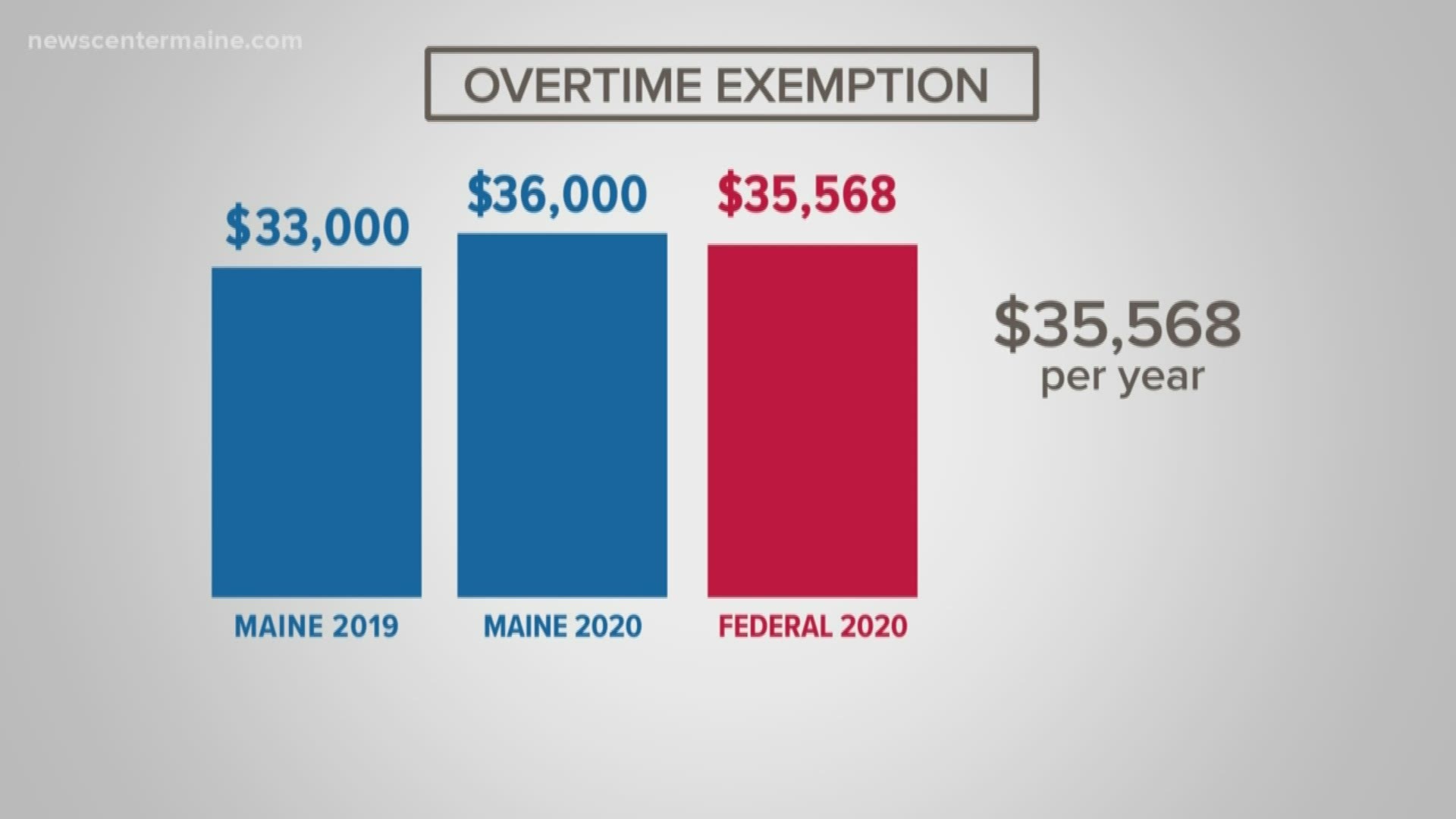
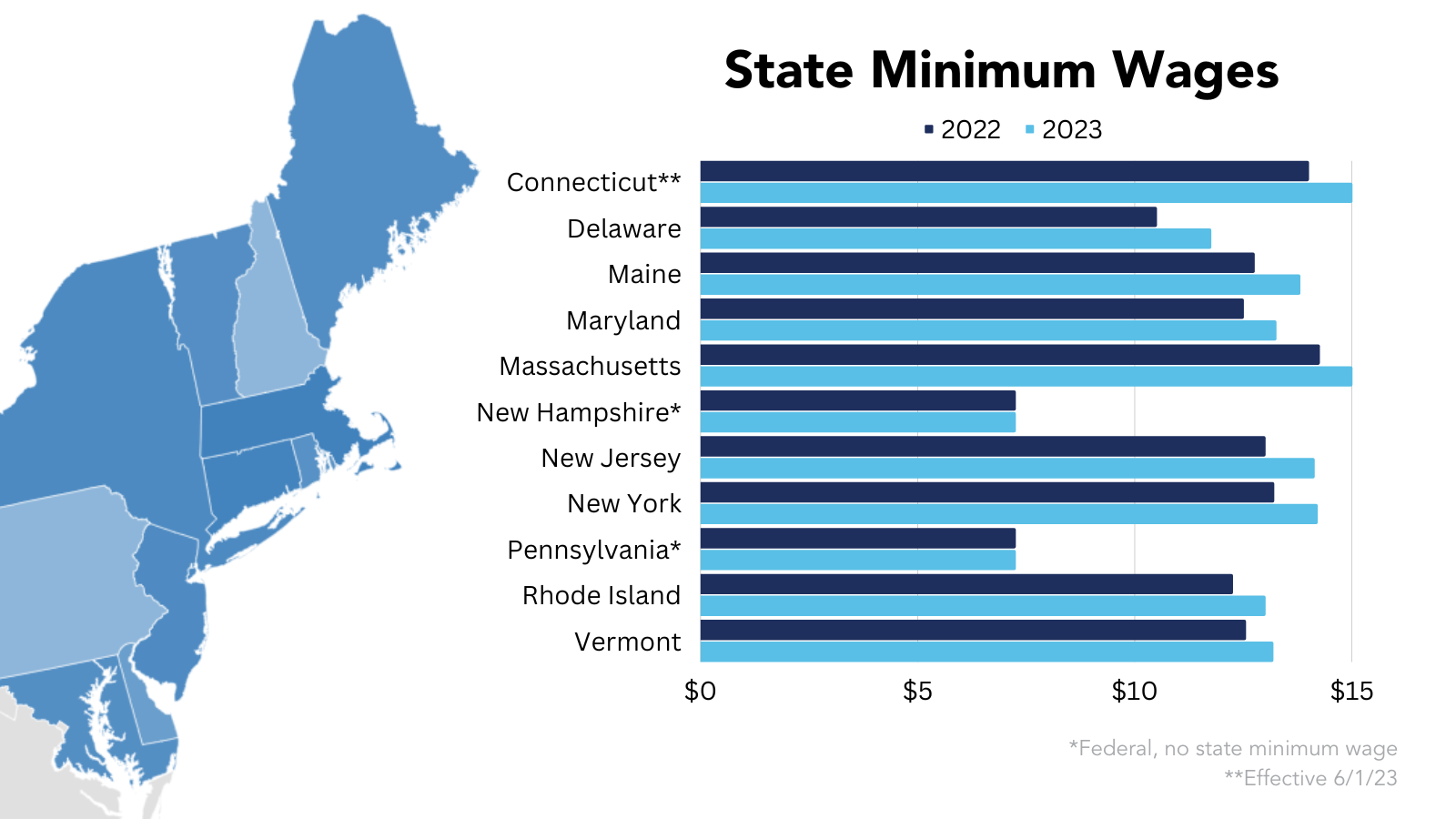
For travelers and digital nomads planning an extended stay in the Pine Tree State, understanding the local economic landscape is essential. While the primary focus of your visit might be the rugged coastline of Maine or the serene trails of Acadia National Park, the cost of living and local wage structures impact everything from the price of your morning coffee in Portland to the quality of service at local inns. As of early 2024, the minimum wage in Maine stands at $14.15 per hour, reflecting the state’s commitment to balancing a robust tourism economy with a livable wage for those who keep the hospitality industry running.
The Economic Climate for Seasonal Workers and Travelers
When visiting a state as diverse as Maine, you quickly realize that the tourism sector is the heartbeat of the local economy. From the historic streets of Bar Harbor to the maritime charm of Kennebunkport, the staff who make your experience memorable—from hotel concierges to restaurant servers—are navigating an evolving wage environment.
Understanding Wage Legislation
Maine has historically been progressive regarding labor laws. The state government regularly adjusts the minimum wage based on the cost of living index. For a tourist, this provides insight into the local business environment. When you stay at a boutique property like the The Inn by the Sea or dine at a high-end eatery in Bangor, the higher labor costs often correlate with higher service standards and better-maintained infrastructure.
Tipped Employees and Hospitality
It is vital for visitors to distinguish between the standard minimum wage and the service industry wage. In many areas across the United States, tipped employees earn a lower base rate. In Maine, employers are permitted to take a “tip credit,” meaning they pay tipped employees a base rate that is at least 50% of the state minimum wage, provided that the tips received bring the total earnings up to the full minimum wage. If you are staying at an all-inclusive resort or dining at popular spots like Duckfat, understanding this dynamic helps in navigating gratuity customs, ensuring that you are supporting the local workforce appropriately during your travels.
How Local Wages Influence Your Travel Budget
Whether you are planning a weekend trip to Camden or a month-long excursion across New England, the wage floor affects the “tourist index.” Higher wages mean higher operating costs for businesses, which generally translates to premium pricing for services and experiences.
Assessing the Cost of Living for Extended Stays
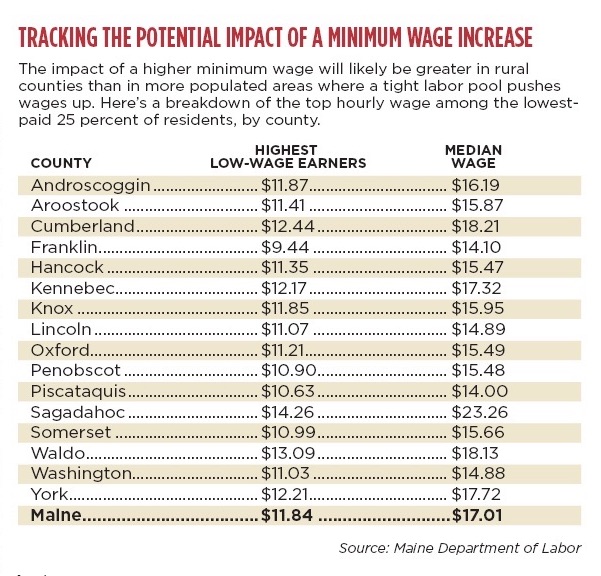
If you are moving from a short-term tourist to a long-term visitor—perhaps staying at a managed apartment complex or a suite in Augusta—the minimum wage is a barometer for local service costs. When service workers are paid a fair wage, the turnover in restaurants, shops, and tour companies is lower. This stability is a hidden benefit for travelers; it ensures that the local culture remains authentic and the guides leading your excursions in Baxter State Park are experienced and knowledgeable.
The Value Proposition in Tourism
Travelers often wonder if higher wages equate to “better” travel. In the context of Maine, the answer is a resounding yes. Because the state attracts seasonal workers from all over the world, a higher minimum wage helps maintain a competitive labor market. This competition pushes establishments in destinations like Ogunquit to provide high-quality training and superior guest services. When you book a room at a place like Cliff House Maine, you are paying for an experience that is backed by a workforce that is valued by their employers.
Navigating Employment Opportunities for Working Travelers
Many people who visit Maine are drawn to the “Work and Travel” lifestyle. If you find yourself wanting to pick up seasonal work while exploring the rocky shores of York or the artistic hubs of Rockland, knowing the minimum wage is your first step in protecting your rights.
Seasonal Labor Trends
The summer months, particularly from June through August, see a massive influx of labor demand. Resorts, glamping sites, and whale-watching operators in Boothbay Harbor scramble for staff. With the state-mandated minimum wage at $14.15, many employers actually offer more than the minimum to attract talent in a competitive market. As a traveler looking for work, you have the leverage to negotiate, especially in high-demand hubs like Kittery.
Benefits of the Labor Market for Digital Nomads
For the digital nomad, Maine offers a unique blend of high-speed connectivity in cities like Lewiston and isolated retreats in the North Woods. The economic environment supports a variety of service-oriented businesses that cater to remote workers, such as high-end cafes and collaborative workspaces. Because the local economy is supported by fair wage laws, these businesses tend to be more stable, offering reliable internet, great coffee, and a welcoming atmosphere that lasts throughout the off-season.
The Future of Hospitality in Maine
As we look ahead, the economic landscape in Maine will continue to evolve. Advocacy groups in cities like Brunswick and Ellsworth frequently lobby for cost-of-living adjustments, suggesting that the minimum wage will likely climb as inflation impacts housing and food costs.
Sustainability and Fair Wages
For the modern traveler, sustainability is no longer just about the environment; it is about the social footprint of your travel. Supporting regions that mandate a living wage for their hospitality workers is a form of ethical tourism. By choosing to stay at locally owned inns or dining at farm-to-table restaurants that prioritize their staff, you contribute to the longevity of the destinations you visit. Whether you are hiking the Appalachian Trail or cruising the Penobscot Bay, your presence as a guest supports an infrastructure built on the hard work of the local community.
Final Thoughts for Your Maine Itinerary
When packing your bags for Maine, remember that the $14.15 hourly minimum wage is more than just a number. It is a reflection of a state that values its inhabitants and its visitors alike. Whether you are staying in a luxury resort or a cozy bed-and-breakfast, you are participating in a local economy that strives for balance. Understanding these nuances makes you a more informed and respectful traveler, allowing you to appreciate not just the stunning vistas and historic landmarks, but the people who ensure that the magic of Maine endures year after year. Always keep these economic realities in mind as you plan your journey through the rugged, beautiful landscapes of this unique corner of the United States.
LifeOutOfTheBox is a participant in the Amazon Services LLC Associates Program, an affiliate advertising program designed to provide a means for sites to earn advertising fees by advertising and linking to Amazon.com. Amazon, the Amazon logo, AmazonSupply, and the AmazonSupply logo are trademarks of Amazon.com, Inc. or its affiliates. As an Amazon Associate we earn affiliate commissions from qualifying purchases.