
For travelers, explorers, and those considering a new lifestyle adventure, understanding the economic landscape of a destination is often as crucial as knowing its best attractions or the most luxurious hotels. When you plan a trip to a vibrant state like Oregon, or contemplate a longer stay for work or leisure, the minimum wage might seem like a dry statistic. However, it’s a foundational element that profoundly influences everything from the price of your morning coffee to the cost of a night’s stay at a charming resort, and even the overall quality of service you receive across the thriving tourism sector.
Oregon stands out for its progressive approach to economic policy, including a distinct minimum wage structure designed to address the varying costs of living across its diverse regions. This isn’t just a concern for locals; it subtly shapes the experiences of every visitor, impacting the cost of local culture, the viability of small businesses, and the very fabric of the communities you come to explore. From the bustling urban energy of Portland to the serene beauty of the Oregon Coast or the adventurous spirit of Bend, the minimum wage plays a significant, albeit often unseen, role in defining the lifestyle and economic health of this captivating state.
This article delves into Oregon’s minimum wage, examining its structure, its profound impact on the travel and tourism industry, and what it means for both those who call Oregon home and those planning their next memorable journey through its landscapes.
Understanding Oregon’s Unique Minimum Wage Structure
Oregon has pioneered a unique, tiered minimum wage system, a deliberate strategy to address the significant differences in the cost of living between its urban, suburban, and rural areas. Unlike many states that maintain a uniform minimum wage statewide, Oregon’s approach acknowledges economic realities on a regional level, ensuring that wages better reflect local expenses. This progressive framework aims to support workers’ purchasing power, which in turn fuels local economies, including the sectors most vital to tourism.
The Tiered System: A Closer Look
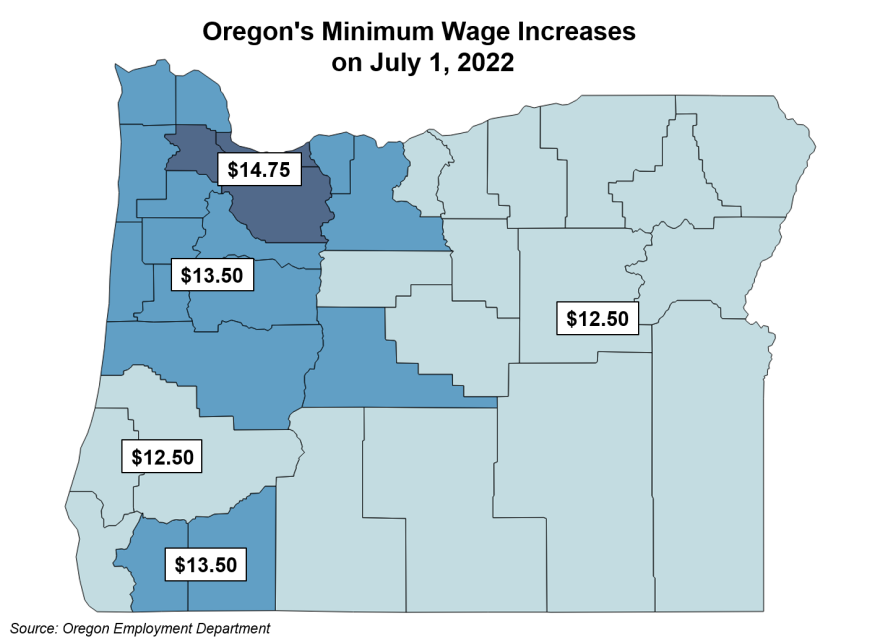
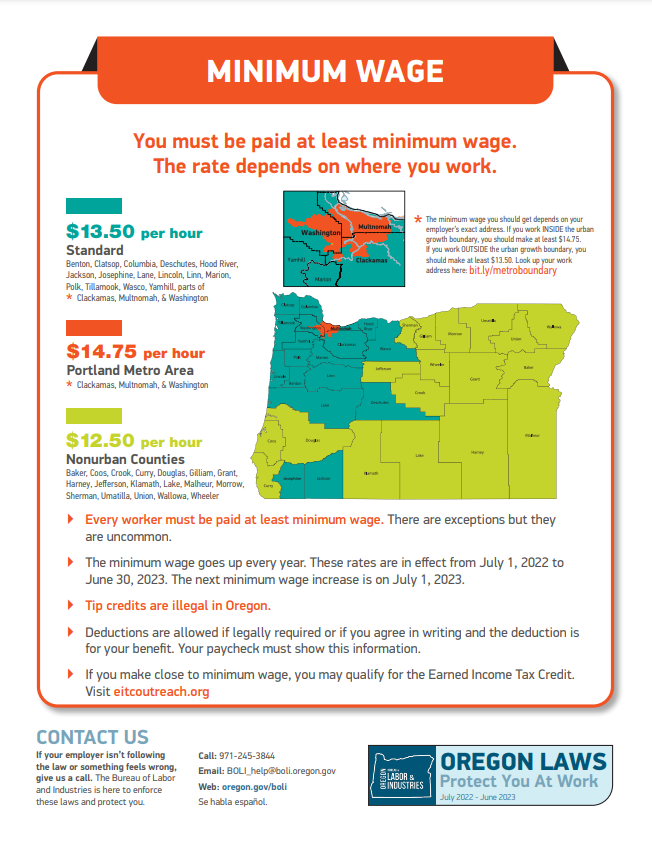
Oregon’s minimum wage is divided into three distinct tiers, each with its own hourly rate, typically adjusted annually on July 1st. These tiers are:
-
The Portland Metro Area Rate: This rate applies to employers within the urban growth boundary of Portland and surrounding populous counties. Given the higher cost of living in this vibrant metropolitan hub—home to world-class dining, renowned cultural attractions, and a bustling hotel scene—this tier commands the highest minimum wage. For instance, in 2023, this rate reached $15.45 per hour, reflecting the increased expenses for accommodation, transport, and daily necessities in one of the Pacific Northwest’s most dynamic cities. This directly influences the pricing of everything from a gourmet meal in a Portland restaurant to a room at the Sentinel Hotel or a private tour of the city’s historic districts.
-
The Standard Rate: This mid-tier rate applies to most other areas of the state, encompassing a wide range of cities and towns that balance urban amenities with a more moderate cost of living. This includes popular tourist destinations like Bend (gateway to outdoor adventures), cities along the Oregon Coast such as Cannon Beach and Astoria, and the fertile Willamette Valley, famous for its wineries and charming bed-and-breakfasts. For example, the 2023 standard rate was set at $14.20 per hour. This rate helps sustain the workforce in these crucial tourism hubs, ensuring that the staff at your cozy lodge in Ashland or the barista at a cafe in Hood River can afford to live comfortably in their communities.
-
The Non-Urban Rate: This rate is designated for counties outside of the Portland metro area that are classified as “non-urban.” These are typically less densely populated regions, often characterized by vast natural landscapes, smaller towns, and a generally lower cost of living. While perhaps less frequented by mainstream tourism, these areas are vital for eco-tourism, outdoor recreation, and a deeper dive into Oregon’s natural beauty, including regions surrounding Crater Lake National Park or the eastern high desert. In 2023, this rate was $13.20 per hour. This tier supports the workers maintaining remote cabins, guiding outdoor adventures, or staffing small, family-run hotels that dot the more rugged parts of the state.
Annual Adjustments and Future Outlook
A key feature of Oregon’s minimum wage system is its commitment to annual adjustments. Beginning in 2023, the minimum wage rates in all three tiers are indexed to the Consumer Price Index (CPI), specifically the chained CPI for all urban consumers (C-CPI-U). This indexing ensures that the minimum wage keeps pace with inflation, helping to preserve workers’ purchasing power over time. For visitors, this means that the economic stability fostered by these adjustments contributes to a consistent quality of service and a sustainable tourism infrastructure. Businesses, aware of these predictable increases, can better plan their pricing and staffing strategies, leading to a more stable and reliable experience for tourists.
The future outlook suggests a continued commitment to this tiered, indexed system. This consistent, thoughtful approach not only supports local workers and fosters a stable lifestyle for residents but also builds a robust and resilient economy, which is a boon for tourism and related industries like hotels, accommodation providers, and local experience operators.
The Ripple Effect: Minimum Wage and Oregon’s Tourism Economy
The minimum wage in Oregon isn’t just a number on a paycheck; it’s an economic force that sends ripples throughout the state’s vibrant tourism economy. From the moment a traveler books a room to the last souvenir purchased, the cost of labor—driven by the minimum wage—informs pricing, service quality, and the overall visitor experience. This is especially true in a state that prides itself on sustainable practices and high-quality service.
Accommodation and Hospitality: Pricing and Workforce Dynamics
The hospitality sector, encompassing hotels, resorts, vacation rentals, and charming bed-and-breakfasts, is one of the most directly impacted by minimum wage policies. Staff members like housekeepers, front-desk agents, concierges, and maintenance crews are often paid at or near minimum wage, particularly in entry-level positions.
- Pricing: Higher minimum wages translate into increased operational costs for accommodation providers. To maintain profitability, these costs are often factored into room rates. This means that a stay at a luxurious resort in Cannon Beach, a boutique hotel in Portland, or a cozy cabin near Mount Hood might be slightly more expensive compared to regions with lower wage standards. However, this premium often comes with the assurance of a well-compensated, more stable workforce.
- Workforce Dynamics: A fair minimum wage helps attract and retain skilled employees in a competitive market. This leads to a more experienced and dedicated workforce, contributing to higher service standards. Imagine a seasoned concierge at the RiverPlace Hotel in Portland who knows the city inside and out, or a meticulous housekeeping team ensuring your suite at the Coast Cabins in Manzanita is pristine. These individuals are more likely to stay in their roles, accumulate valuable experience, and provide the exceptional service that enhances a guest’s travel experience. It fosters a sense of dignity and professionalism, directly impacting guest satisfaction.
Dining and Local Experiences: From Cafes to Fine Dining
Oregon’s culinary scene is a major draw, boasting everything from farm-to-table restaurants in the Willamette Valley to innovative eateries in Portland and fresh seafood shacks along the Pacific Ocean coast. The minimum wage significantly influences this sector:
- Menu Prices: Similar to accommodation, the wages of kitchen staff, servers (for their hourly rate before tips), bussers, and dishwashers are critical operational costs. Travelers might notice that dining out in Oregon can be pricier than in states with lower wages. However, many see this as a worthwhile investment in supporting local businesses that provide fair compensation to their employees.
- Quality of Service and Produce: A living wage allows food service workers to afford to live in the communities they serve, reducing turnover and fostering a more experienced, passionate staff. This can translate into better service, more knowledgeable recommendations, and a more pleasant dining atmosphere. Furthermore, the ability of local farms and purveyors to pay fair wages contributes to the availability of high-quality, locally sourced ingredients that define Oregon’s renowned food scene.
- Tipping Culture: While minimum wage helps, tipping remains an integral part of income for many service workers. Travelers often find themselves adjusting their tipping habits, knowing that while base wages are higher, exceptional service is still highly valued and rewarded.

Attractions and Services: Fueling the Visitor Experience
Beyond hotels and restaurants, the minimum wage impacts a myriad of services and attractions that make Oregon a captivating destination. This includes tour guides, retail staff in tourist areas, employees at museums like the Oregon Museum of Science and Industry (OMSI), staff at national and state parks, and adventure outfitters in places like Bend.
- Diverse Experiences: A robust minimum wage ensures that these various segments of the tourism industry can attract and retain the necessary talent to provide diverse and high-quality experiences. Imagine a knowledgeable guide leading a hike through the Columbia River Gorge or a friendly face at a local gallery in Ashland. These individuals contribute directly to the richness of a traveler’s journey.
- Sustainability and Local Economy: By supporting fair wages, tourists contribute indirectly to the overall economic health and sustainability of the communities they visit. This ensures that the beautiful places and unique cultures of Oregon remain vibrant and well-maintained for generations of travelers to come. It’s an investment in the long-term health of the very attractions that draw people to the state.
Lifestyle and Living: What It Means for Workers and Travelers
The implications of Oregon’s minimum wage extend deeply into the lifestyle of its residents and, by extension, affect the decisions and experiences of travelers. For those considering a temporary stay, perhaps for seasonal work in the tourism industry, or even a permanent relocation, understanding the interplay between wages and the cost of living is paramount.
Cost of Living in Oregon’s Popular Destinations
While Oregon’s tiered minimum wage system aims to align wages with regional living costs, it’s crucial to acknowledge that expenses can still be substantial, particularly in high-demand areas.
- Portland Metro Area: Despite the highest minimum wage tier, Portland remains an expensive city. Housing costs, whether for renting an apartment or staying in a hotel, are significantly above the national average. Transportation, while supported by excellent public transit, also adds to the daily expense. For a traveler, this means that while service staff are likely earning a better wage, the overall cost of a luxury trip or even a budget-conscious stay in Portland will reflect this higher economic baseline.
- Coastal Towns and Mountain Resorts: Popular destinations like Cannon Beach, Lincoln City, or towns near Mount Hood also face high living costs, largely driven by demand from tourism and limited housing supply. Seasonal workers often struggle to find affordable accommodation, even with the standard minimum wage rate. For tourists, this translates to premium pricing for accommodation and local services during peak seasons.
- Rural and Less Populous Areas: While the non-urban minimum wage is lower, the cost of living in these areas is generally more manageable, particularly for housing. This makes certain parts of Oregon more accessible for budget travelers or those seeking a more rustic, long-term stay experience.
Attracting and Retaining Talent in the Tourism Sector
A competitive minimum wage is a powerful tool for attracting and retaining talent in the demanding tourism and hospitality sectors. In an industry often characterized by long hours and fluctuating demand, fair compensation can make a significant difference.
- Reduced Turnover: When workers feel adequately compensated, they are more likely to stay in their positions, reducing staff turnover. This stability benefits businesses by lowering recruitment and training costs, and it benefits tourists by ensuring experienced staff deliver consistent, high-quality service.
- Skilled Workforce: A state with a strong minimum wage can attract individuals who view tourism jobs as viable career paths rather than just temporary gigs. This fosters a more professional and skilled workforce, from expert wilderness guides in Bend to knowledgeable staff at vineyards in the Willamette Valley. This professionalism directly enhances the visitor’s experience, providing authentic and well-informed interactions.
- Employee Morale: Employees earning a living wage are generally more motivated and engaged, leading to better customer service and a more positive atmosphere in hotels, restaurants, and attractions. A happy workforce contributes significantly to the overall enjoyment of a destination.
Budgeting Your Oregon Adventure: A Traveler’s Perspective
For travelers, understanding Oregon’s minimum wage implicitly informs their budgeting decisions and helps them make conscious choices.
- Higher Service Costs: Expect to pay a bit more for services, accommodation, and dining compared to states with lower minimum wages. This isn’t necessarily a drawback; it’s often a reflection of a commitment to fair labor practices.
- Value Proposition: Many travelers view the slightly higher costs in Oregon as part of a value proposition. They are often investing in a destination known for its ethical business practices, high-quality local products, and exceptional customer service, all underpinned by fair wages.
- Supporting Local: By spending money in Oregon, travelers indirectly support the local economy and its workforce. This aligns with a growing trend of conscious tourism, where visitors seek to make a positive impact on the places they explore. Choosing to stay at a locally-owned hotel in Hood River or dine at a farm-to-table restaurant exemplifies this.
- Planning Ahead: For budget-conscious travelers, researching accommodation options in advance, considering off-peak travel, or exploring areas with the standard or non-urban minimum wage rates can help manage expenses while still enjoying the full splendor of Oregon.
Oregon’s Economic Philosophy: A Model for Sustainable Tourism
Oregon’s approach to the minimum wage is more than just an economic policy; it’s a reflection of a broader philosophy centered on equitable growth and sustainable practices. This commitment resonates deeply with the values of many modern travelers who seek authentic experiences that also benefit local communities.
Supporting Local Communities Through Fair Wages
The core principle behind Oregon’s robust minimum wage is the belief that workers deserve a living wage, one that allows them to meet basic needs and participate fully in their communities.
- Stronger Local Economies: When workers earn more, they have greater disposable income, which they spend locally. This creates a virtuous cycle, boosting demand for goods and services in towns across the state, from the shops in Ashland to the cafes in Corvallis. For tourists, this translates into vibrant downtowns, diverse small businesses, and a palpable sense of community pride.
- Reduced Poverty and Inequality: By lifting the floor on wages, Oregon aims to reduce poverty and income inequality. This contributes to a more stable and harmonious social environment, which is indirectly beneficial for tourism. Visitors often appreciate destinations that demonstrate a commitment to social well-being, as it reflects positively on the overall atmosphere of the place.
- Community Investment: Fair wages empower residents to invest more in their local communities, whether through homeownership, education, or supporting local arts and culture. This builds stronger, more resilient communities that are, in turn, more attractive and welcoming to visitors.
A Progressive Approach to Economic Growth
Oregon has long been recognized for its progressive policies, and its minimum wage structure is a prime example of its innovative economic thinking. This progressive stance is increasingly seen as a model for sustainable economic growth, proving that competitive wages and a thriving economy can go hand-in-hand.
- Innovation and Efficiency: Faced with higher labor costs, businesses are often incentivized to innovate, improve efficiency, and invest in technology. This can lead to more sophisticated services, higher quality products, and ultimately, a better experience for the consumer. It encourages businesses to compete on quality and value rather than simply on low labor costs.
- Branding and Reputation: For a state like [Oregon](https://lifeoutofthebox.com/oregon], known for its natural beauty, outdoor lifestyle, and progressive values, its minimum wage policy enhances its brand image as a responsible and forward-thinking destination. This attracts a specific demographic of travelers who prioritize ethical travel and sustainable tourism.
- Long-Term Vision: Oregon’s tiered and indexed minimum wage system is a long-term strategy. It’s not about short-term gains but about building a stable, equitable economic foundation that can support both its residents and its thriving tourism industry well into the future. This vision ensures that the unique charm and appeal of [Oregon](https://lifeoutofthebox.com/oregon], from its majestic Crater Lake National Park to the dynamic city of Portland, remain intact and accessible for all who wish to experience them.
In conclusion, the minimum wage in Oregon is far more than a simple economic figure. It is a critical component of the state’s identity, influencing the cost of experiences, the quality of services, and the overall lifestyle of its communities. For the discerning traveler, understanding this unique system provides deeper insight into the value of their Oregon adventure, reinforcing the notion that a journey through this remarkable state is an investment not just in personal experience, but also in a truly sustainable and equitable destination.
LifeOutOfTheBox is a participant in the Amazon Services LLC Associates Program, an affiliate advertising program designed to provide a means for sites to earn advertising fees by advertising and linking to Amazon.com. Amazon, the Amazon logo, AmazonSupply, and the AmazonSupply logo are trademarks of Amazon.com, Inc. or its affiliates. As an Amazon Associate we earn affiliate commissions from qualifying purchases.