
For any traveler embarking on a journey through the United States, understanding state abbreviations is a fundamental, yet often overlooked, piece of navigational intelligence. While seemingly a minor detail, knowing “AZ” for Arizona is far more than just a postal code; it’s a key to unlocking smoother travel logistics, from booking flights and accommodation to understanding road signs and geographical references. Arizona, often celebrated for its dramatic landscapes and vibrant culture, becomes more accessible and manageable when you’re equipped with this basic but essential information.
Decoding State Abbreviations: Essential for the Modern Traveler
The official abbreviation for the state of Arizona is AZ. This two-letter code, standardized by the United States Postal Service in 1963, serves a crucial role in modern communication and, by extension, travel. Before this standardization, various abbreviations existed for states, leading to confusion and inefficiencies in mail sorting and addressing. The move to a uniform two-letter system simplified processes across the board, making it universally recognized and applied.
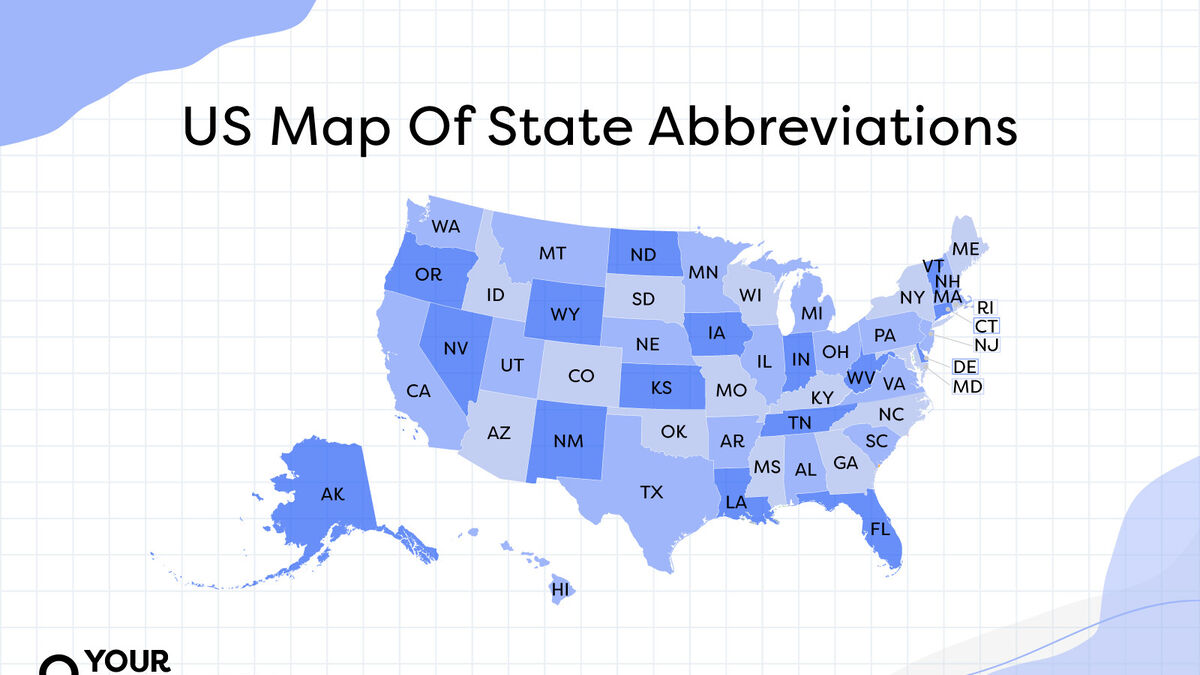
For travelers, the significance of “AZ” extends across multiple facets of their journey. When booking airline tickets, particularly for domestic flights within the United States, the state abbreviation is often requested or implicitly understood as part of airport codes or destination addresses. Similarly, inputting destinations into GPS systems, filling out customs forms (though less common for domestic travel, it highlights the universality of the system), or even addressing postcards from your travel destination all rely on this concise identifier. It ensures accuracy, minimizes errors, and streamlines countless interactions that form the backbone of a successful trip. Without this universal system, the complexities of travel planning would increase exponentially, making it harder to distinguish between similarly named towns in different states or to quickly process vast amounts of geographical data.
Arizona’s Allure: A Traveler’s Guide to the Grand Canyon State
Beyond its simple abbreviation, Arizona stands as a beacon for travelers seeking breathtaking natural beauty, rich history, and diverse cultural experiences. Often referred to as the “Grand Canyon State,” Arizona offers an unparalleled array of attractions that cater to every type of adventurer. From the iconic red rock formations to sprawling deserts and high-elevation pine forests, the state’s varied topography is a playground for exploration. Understanding that you’re heading to “AZ” signals the beginning of an unforgettable journey into one of America’s most visually stunning regions.
Natural Wonders and Iconic Landscapes
The natural splendor of Arizona is its undeniable crown jewel, drawing millions of visitors each year. The sheer scale and beauty of these landmarks are transformative experiences.
- Grand Canyon National Park: Unquestionably the most famous natural wonder, the Grand Canyon is a geological marvel carved by the Colorado River over millions of years. Its vastness, vibrant colors, and intricate rock formations offer countless vantage points for awe-inspiring views, hiking opportunities, and river rafting adventures.
- Monument Valley: Located on the Navajo Nation tribal lands, Monument Valley is instantly recognizable for its towering sandstone buttes and mesas, frequently featured in Western films. It offers a profound sense of ancient history and breathtaking panoramic vistas.
- Sedona‘s Red Rocks: Sedona is renowned for its stunning crimson-hued sandstone formations that glow intensely at sunrise and sunset. Beyond its visual appeal, Sedona is also famous for its spiritual vortexes, attracting those seeking healing and introspection amidst its scenic hiking trails and vibrant arts community.
- Saguaro National Park: This park protects the nation’s largest cacti, the majestic saguaro, which can grow over 50 feet tall and live for more than 150 years. Divided into two districts flanking Tucson, it offers a unique desert landscape perfect for hiking and experiencing the Sonoran Desert’s distinct ecosystem.
Vibrant Cities and Cultural Hubs
Arizona is not just about its natural wonders; its cities offer a rich blend of urban sophistication, Southwestern charm, and deep cultural roots.
- Phoenix: The state capital and its largest city, Phoenix is a sprawling desert metropolis known for its luxurious resorts, world-class golf courses, burgeoning culinary scene, and vibrant arts and culture districts. It serves as a major gateway for air travel into the state and a convenient base for exploring central Arizona.
- Tucson: Nestled within the Sonoran Desert, Tucson boasts a rich blend of Native American, Mexican, and Old West heritage. It’s home to historic missions, a renowned astronomy community, and a distinctive culinary scene, recognized as a UNESCO City of Gastronomy.
- Flagstaff: A charming mountain town located at a higher elevation, Flagstaff offers a refreshing escape from the desert heat. It’s an ideal base for exploring the Grand Canyon, Meteor Crater, and the surrounding ponderosa pine forests, with opportunities for skiing in winter.

Unique Experiences and Adventures
Beyond the primary attractions, Arizona provides a wealth of unique experiences that appeal to a wide range of interests. Travelers can embark on a hot air balloon ride over the desert at dawn, offering unparalleled views of the landscape. The state’s extensive network of hiking and biking trails caters to all skill levels, from leisurely strolls to challenging climbs. Stargazing is a popular activity, especially in areas designated as International Dark Sky Parks, where the clear desert nights reveal a spectacular celestial display. Furthermore, engaging with Native American cultural sites, such as the ancient cliff dwellings or the living cultures of the Hopi and Navajo Nation, offers profound insights into the region’s heritage.
Practical Travel Planning with “AZ” in Mind
The simple “AZ” abbreviation, while small, is instrumental in facilitating the practicalities of travel planning, ensuring that your journey to this incredible state is as smooth and stress-free as possible.
Navigating Airports and Ground Transportation
When flying into Arizona, knowing the state abbreviation helps confirm you’re looking at the correct airports. The primary international gateway is Phoenix Sky Harbor International Airport (PHX), with Tucson International Airport (TUS) serving as another key entry point. When reserving rental cars or planning shuttle services, confirming the state as “AZ” on booking forms prevents potential mix-ups. Furthermore, modern GPS systems and mapping applications universally recognize state abbreviations, making navigation across the state’s vast expanses more accurate and efficient. Whether you’re driving from Phoenix to the Grand Canyon or exploring the backroads of the Sonoran Desert, “AZ” is a constant, reassuring confirmation of your location.
Booking Accommodations and Tours
Online travel agencies and booking platforms for hotels, resorts, and vacation rentals consistently use state abbreviations to categorize and filter search results. When searching for a luxury resort in Scottsdale or a charming bed-and-breakfast in Sedona, specifying “AZ” ensures that your searches are accurate and tailored to the correct geographical region. This is equally true for booking guided tours, adventure excursions, or any other travel-related service. Accurate location details, including the state abbreviation, are vital for seamless transactions and confirmed reservations, preventing misdirected bookings or lost opportunities.
Understanding State-Specific Regulations
For travelers planning extended stays or those considering activities like hunting, fishing, or off-road vehicle use, state-specific regulations often apply. Driver’s license requirements, vehicle registration rules for rentals or personal vehicles, and even certain travel advisories are often communicated using state abbreviations. Staying informed about Arizona’s specific laws and guidelines, identifiable by “AZ,” contributes to a responsible and safe travel experience.

Beyond the Abbreviation: Preparing for an Arizona Journey
While knowing “AZ” is a great start, a successful trip to Arizona involves further preparation. The best times to visit are typically during the cooler months, from Fall through Spring (October to April), especially for exploring the desert regions. Summers can be extremely hot, making early mornings or higher elevations like Flagstaff more comfortable. Packing essentials include layers of clothing for fluctuating temperatures, sturdy hiking shoes, ample sun protection (hat, sunglasses, sunscreen), and, crucially, a refillable water bottle to stay hydrated in the arid climate.
Travelers should also consider respectful engagement with the state’s diverse cultural heritage, particularly its numerous Native American communities. Many tribal lands, like the Navajo Nation, welcome visitors but require adherence to specific customs and regulations, often including permits for certain activities. By being well-prepared and respectful, visitors can fully immerse themselves in the unique beauty and culture that “AZ” has to offer, turning a simple abbreviation into the beginning of an extraordinary adventure.
LifeOutOfTheBox is a participant in the Amazon Services LLC Associates Program, an affiliate advertising program designed to provide a means for sites to earn advertising fees by advertising and linking to Amazon.com. Amazon, the Amazon logo, AmazonSupply, and the AmazonSupply logo are trademarks of Amazon.com, Inc. or its affiliates. As an Amazon Associate we earn affiliate commissions from qualifying purchases.