
Venturing through the diverse landscapes of California, from the sun-kissed beaches of San Diego to the bustling streets of Los Angeles and the iconic vistas of San Francisco, is an unforgettable experience. Whether you’re planning a family vacation to Disneyland, a romantic getaway to Napa Valley, or a solo adventure exploring Yosemite National Park, understanding local laws is paramount to ensuring a safe, enjoyable, and legally compliant trip. Among the crucial legal frameworks every visitor and resident should be aware of is the age of consent. This isn’t merely a legal technicality; it’s a fundamental aspect of public safety, particularly when interacting with young people, and plays a vital role in responsible tourism and lifestyle choices.
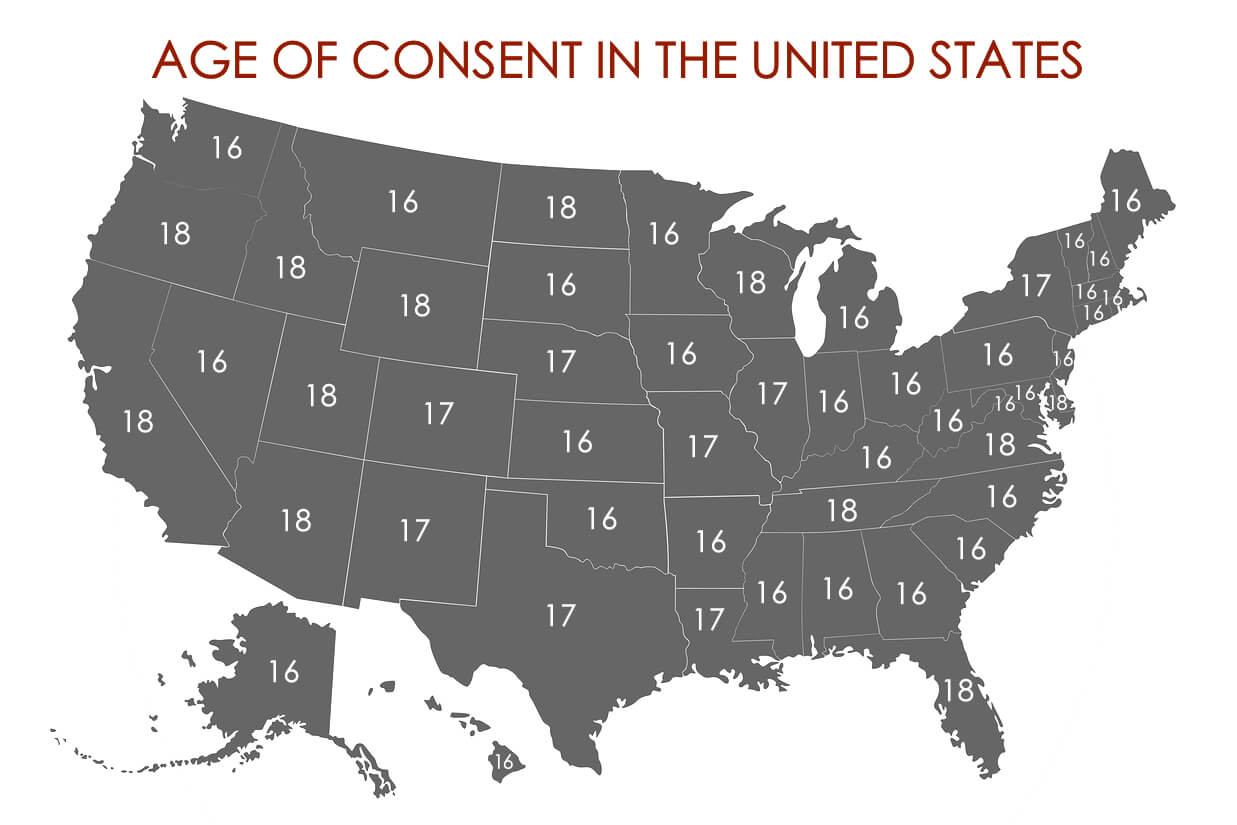
The age of consent dictates the minimum age at which an individual is considered legally capable of agreeing to participate in sexual activity. In California, as in many other places, this law is designed to protect minors from sexual exploitation and abuse. For travelers, parents, and even young adults exploring the golden state, being informed about this specific legal standard is not just good practice—it’s essential for preventing serious legal ramifications and ensuring the well-being of everyone involved. This comprehensive guide will delve into California’s age of consent laws, explore their nuances, and highlight why this knowledge is indispensable for anyone making California their temporary or permanent home. We’ll connect these legal insights to the broader themes of travel, accommodation, and lifestyle, emphasizing how awareness fosters safer and more enriching experiences across all facets of life in this vibrant state.
Understanding California’s Age of Consent: The Basics
At its core, the age of consent in California is straightforward, yet its implications are profound. This law is foundational to protecting children and adolescents, asserting their right to be free from sexual activity until they reach a certain level of maturity and legal autonomy. For anyone planning a trip, considering a long-term stay, or simply living within the state, grasping these fundamentals is the first step towards responsible conduct.
The Legal Standard: 18 Years Old
In the state of California, the age of consent is 18 years old. This means that any sexual activity, regardless of whether it appears to be consensual, with an individual under the age of 18 is considered statutory rape. The law makes no distinction based on the perceived maturity, willingness, or appearance of the minor. If a person is under 18, they are legally deemed incapable of giving consent to sexual acts. This is a critical distinction, as it removes any defense based on the idea that the minor “wanted” or “agreed” to the activity.
This clear legal standard serves as a robust shield for young people, ensuring that they are protected from exploitation. For adults, whether residents or visitors exploring iconic sites like Hollywood or the tranquil shores of Lake Tahoe, this means absolute vigilance. Engaging in sexual activity with anyone under 18 carries severe legal consequences, irrespective of the circumstances surrounding the interaction. It’s a bright-line rule that underscores the state’s commitment to safeguarding its youth.
What “Consent” Truly Means in a Legal Context
Beyond simply stating an age, understanding the legal definition of “consent” is crucial, especially when applied to minors. In the context of the age of consent, “consent” from a minor is legally invalid. However, even for individuals over the age of 18, California law defines consent as affirmative, conscious, and voluntary agreement to engage in sexual activity. This means there must be an active, clear, and ongoing agreement, not merely the absence of a “no.”
For minors, this concept is entirely superseded by the age threshold. A 17-year-old, for example, cannot legally “consent” to sexual activity with an adult. The legal system views such an act as non-consensual by definition, due to the minor’s age. This protection extends to scenarios that might seem ambiguous in a social context, removing any doubt when it comes to legal culpability. This principle is vital for travelers to grasp, as different cultures and even different U.S. states may have varying social norms or legal interpretations of consent. When in California, the 18-year-old threshold for consent is a non-negotiable legal boundary.
Navigating the Nuances: Exceptions and Legal Safeguards
While the age of consent in California is generally 18, the law, like many legal frameworks, does contain specific nuances and exceptions. These are not designed to weaken the protections for minors but rather to address specific, limited circumstances, primarily concerning consensual sexual activity between individuals who are both minors and close in age. Understanding these exceptions is crucial for a complete picture of the law, but it’s equally important to recognize that they are highly specific and do not diminish the overarching principle of protecting those under 18 from adult sexual advances.
The “Close-in-Age” Exception (aka Romeo & Juliet Law)
California Penal Code § 261.5 outlines an exception often referred to as the “Romeo and Juliet law.” This provision applies specifically to consensual sexual activity between two minors where there is a relatively small age difference. Specifically, it states that if the perpetrator is under 21 years of age and the victim is 14 or 15 years of age, and the age difference between them is no more than three years, the offense may be charged as a misdemeanor rather than a felony. This exception acknowledges that consensual relationships can occur between adolescents who are near in age and maturity, without intending to equate such situations with predatory adult behavior.
It’s critical to understand the strict limitations of this exception:
- Both individuals must be minors (the perpetrator under 21, the victim 14 or 15).
- The age difference cannot exceed three years.
- The activity must be consensual between the minors involved.
- If the victim is under 14, or if the age difference is greater than three years, this exception does not apply, and the charge will typically remain a felony offense of statutory rape.
This nuance is complex and highlights the importance of legal counsel should such a situation arise. For travelers and those focused on responsible tourism, the key takeaway remains: when an adult is involved, the age of consent is unequivocally 18. This exception is almost exclusively applicable to interactions between young people themselves.
Serious Consequences of Non-Compliance
Ignoring or misunderstanding California’s age of consent laws can lead to devastating legal and personal repercussions. Statutory rape in California is generally a felony offense. The penalties can include:
- Significant Prison Sentences: Convictions can lead to years, often multiple years, in state prison. The exact duration depends on the specific circumstances of the case, the age of the victim, and any prior criminal history.
- Sex Offender Registration: A conviction for statutory rape typically requires lifelong registration as a sex offender under California’s Megan’s Law. This registration is public and carries immense social stigma, impacting housing, employment, and personal relationships long after any prison sentence is served.
- Fines and Restitution: Substantial fines and orders for restitution to the victim are common.
- Immigration Consequences: For non-citizens, a felony conviction, especially for a sex offense, can lead to deportation and permanent inadmissibility to the United States. This is a critical point for international travelers or those on temporary visas.
- Reputational Damage: Beyond legal penalties, the damage to one’s reputation, career, and personal life is often irreparable.
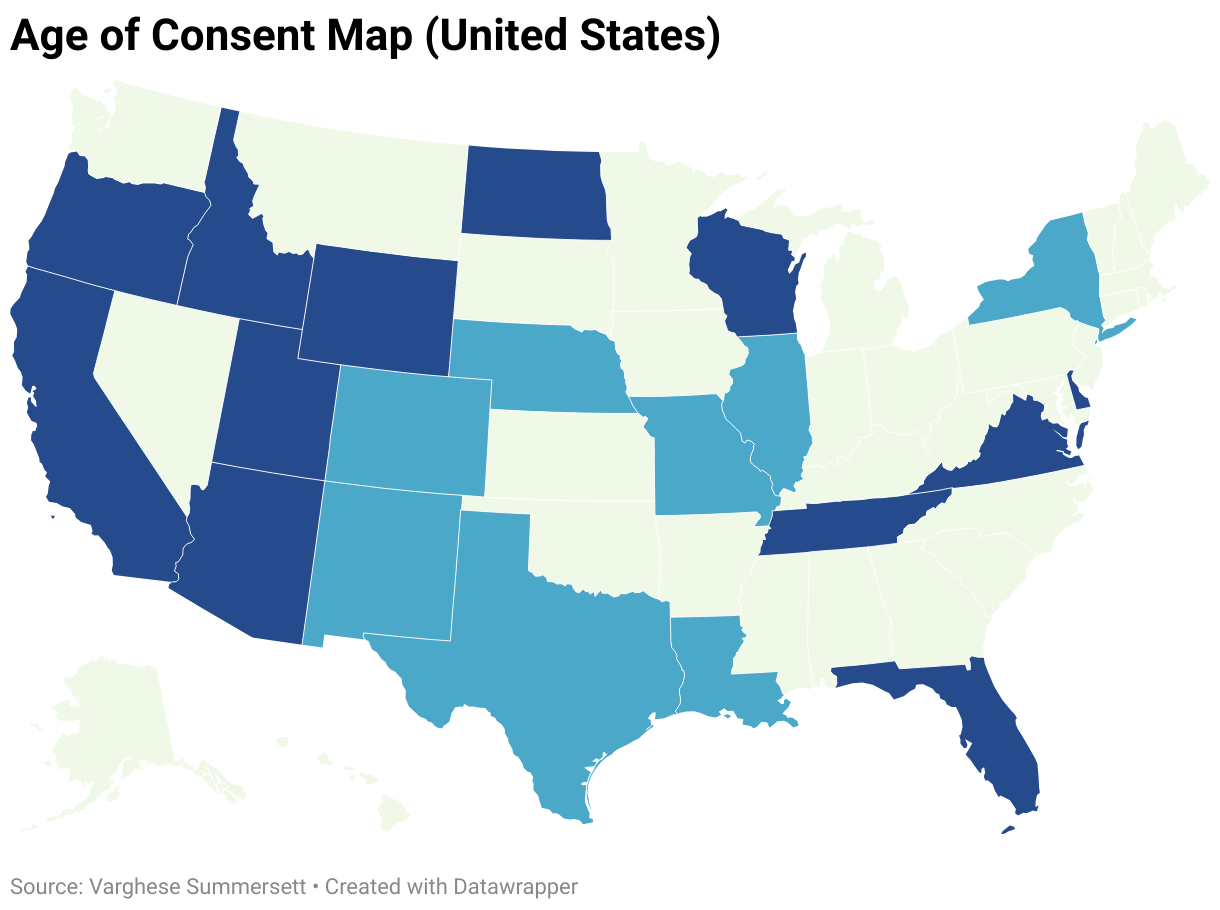
For anyone traveling through California, whether visiting landmarks like the Golden Gate Bridge or enjoying the vibrant nightlife in Beverly Hills, understanding these severe consequences is a powerful deterrent and underscores the importance of adherence to the law. The legal system takes these offenses with utmost gravity, and ignorance of the law is never an acceptable defense.
Why This Matters for Travelers and Tourists in California
For those exploring California’s myriad attractions, from theme parks to national forests, the age of consent might seem like a niche legal topic. However, it profoundly impacts safe travel, responsible tourism, and overall lifestyle choices within the state. Understanding these laws isn’t just about avoiding legal trouble; it’s about fostering a respectful and secure environment for everyone.
Ignorance is Not an Excuse: A Global Principle
A fundamental principle of law across virtually all jurisdictions worldwide is that ignorance of the law is no excuse. This holds particularly true in California. Travelers, whether from other U.S. states with different age of consent laws or international visitors from countries where the age of consent might be lower (e.g., Mexico, Germany, or parts of Asia), are fully subject to California state law from the moment they cross the border.
The burden of knowing and adhering to local laws falls squarely on the individual. This means that if an adult from a country with a lower age of consent engages in sexual activity with a 17-year-old in California, they will be prosecuted under California law, regardless of what is permissible in their home country. This principle is not punitive but rather protective, ensuring a consistent standard of safety for all residents and visitors, especially minors. It underscores the importance of pre-trip research, not just for popular attractions and hotel bookings, but also for critical legal frameworks.
Protecting Young Travelers and Families
Many families travel to California with teenagers and young adults. Destinations like Disneyland, Universal Studios Hollywood, and the beaches of Santa Monica Pier are magnets for youth. Parents need to be aware of the environment their children are navigating. Understanding the age of consent empowers parents to educate their children about appropriate interactions and boundaries, particularly when they might be exploring independently or meeting new people.
Conversely, young adults traveling on their own or with friends, particularly those who are 18, 19, or 20, need to be aware of how their actions could be misinterpreted or how they could inadvertently cross legal lines. While they are legally able to consent, they should still exercise caution and judgment, particularly regarding interactions with individuals who might be younger. Hotels and accommodation providers often have their own policies regarding unaccompanied minors, reinforcing the need for clear communication and legal awareness. For example, a Hilton or Marriott property might require guests to be 21 to check in, even if the age of consent is 18, adding another layer to consider for young travelers.
Responsible Tourism and Ethical Considerations
Responsible tourism goes beyond environmental preservation; it encompasses respect for local laws, culture, and the well-being of the community. Adhering to the age of consent is a critical component of ethical travel. It demonstrates respect for California’s legal system and its commitment to protecting its most vulnerable population.
For tourism operators, guides, and businesses, especially those catering to young adults or offering experiences that might attract a younger demographic, awareness is also paramount. Ensuring staff are trained and understand these laws helps create a safe environment for both visitors and locals. Promoting responsible interactions ensures that the vibrancy and allure of California can be enjoyed by all without compromising safety or legal integrity. This contributes to the state’s reputation as a welcoming, yet secure, destination for global travelers and supports a healthy lifestyle for its residents.
Staying Safe and Informed: Tips for Your California Journey
Navigating the legal landscape of a new place, even within the same country, requires diligence. For those visiting or residing in California, especially concerning the age of consent, proactive measures can prevent misunderstandings and ensure a trouble-free experience. These tips are designed to empower parents, young adults, and solo travelers alike to make informed choices and prioritize safety.
For Parents and Guardians
Parents play a critical role in educating and protecting their children, particularly when traveling. Here are some key recommendations:
- Educate Your Children: Have open and honest conversations with your teenagers about California’s age of consent laws. Explain what they mean and why they are important for their safety. Emphasize that these laws apply to everyone, regardless of where they come from.
- Set Clear Boundaries: Establish clear rules about interactions with strangers, particularly online, and supervision levels appropriate for their age and maturity. While exploring attractions like Griffith Observatory or the beaches of Malibu, ensure your children understand where they can go and who they can interact with.
- Be Aware of Online Interactions: Many interactions begin online. Monitor your children’s online activities and communication, especially if they are making plans to meet new people during your trip. Sexual predators often target minors through social media and dating apps.
- Understand Hotel Policies: If your children are traveling alone or staying in a separate room, be aware of the hotel’s policies regarding minors. Most reputable hotels, like those managed by Hyatt or independent boutique hotels, have strict rules about underage guests, often requiring a parent or guardian to be present or for guests to be at least 21 to check in.
- Have an Emergency Plan: Ensure your children know whom to contact in an emergency, including local authorities (911 in the United States) and how to reach you.

For Young Adults and Solo Travelers
Young adults (18-20 years old) are legally adults in California but still need to be aware of the age of consent and other laws, particularly regarding alcohol (21+) and cannabis (21+). Solo travelers, regardless of age, should also exercise caution.
- Know Your Rights and Responsibilities: While 18, you are legally able to consent. However, understand that interacting with individuals under 18 can lead to serious legal issues for the younger party’s adult counterparts, particularly if any misrepresentation of age occurs.
- Verify Ages: If you are engaging in social activities, particularly those involving potential romantic or sexual interactions, always verify the age of the other person. Never assume. It is always better to politely ask and confirm than to face legal repercussions.
- Be Mindful of Social Settings: Bars, nightclubs, and certain tourist spots, even those allowing 18+ entry, may attract individuals of various ages. Be cautious in these environments and rely on trusted friends or companions.
- Prioritize Personal Safety: Always inform someone of your whereabouts, especially when meeting new people. Utilize safety features on your phone and stay aware of your surroundings, whether you are exploring urban centers or natural wonders. If something feels off, trust your instincts and remove yourself from the situation.
- Seek Legal Advice if Unsure: If you find yourself in a situation where you are unsure about the legality of an interaction or encounter any legal issues, immediately seek advice from a qualified legal professional.
In conclusion, understanding the age of consent in California is a crucial aspect of responsible travel and living. With the age firmly set at 18, California prioritizes the safety and protection of its youth. By being informed, vigilant, and respectful of these laws, visitors and residents alike can contribute to a safer environment for everyone and ensure their experiences in this magnificent state are positive, memorable, and legally sound. Whether you’re enjoying the vibrant culture of San Francisco, the glitz of Los Angeles, or the serene beauty of its national parks, legal awareness is your best companion.
LifeOutOfTheBox is a participant in the Amazon Services LLC Associates Program, an affiliate advertising program designed to provide a means for sites to earn advertising fees by advertising and linking to Amazon.com. Amazon, the Amazon logo, AmazonSupply, and the AmazonSupply logo are trademarks of Amazon.com, Inc. or its affiliates. As an Amazon Associate we earn affiliate commissions from qualifying purchases.