
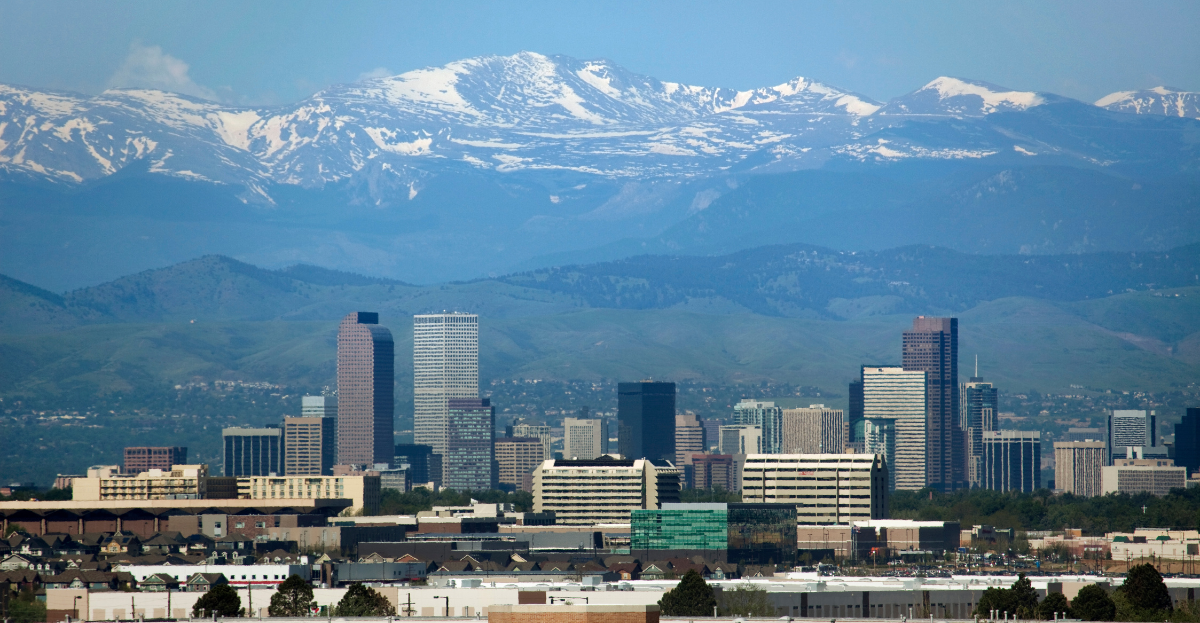
Nestled at the base of the majestic [Rocky Mountains], [Denver, Colorado], proudly bears the moniker “The Mile High City.” This iconic nickname is no mere marketing slogan; it’s a precise geographic descriptor that defines much of the city’s unique charm, lifestyle, and even the experience of its visitors. Understanding [Denver]’s altitude is fundamental to appreciating everything from its crisp, dry air and abundant sunshine to its incredible outdoor access and the considerations travelers should keep in mind. From the bustling downtown core to its tranquil parks and vibrant neighborhoods, [Denver] offers an elevated experience in every sense of the word.
Understanding [Denver]’s Elevated Landscape
The altitude of [Denver] is more than just a number; it’s an intrinsic part of its identity, influencing everything from local weather patterns to the way breweries adjust their recipes. For travelers, acknowledging and preparing for this elevation is key to a comfortable and enjoyable visit.
The Exact Altitude: More Than Just a Mile High
While “a mile high” is the widely recognized benchmark, the specific elevation of [Denver, Colorado], varies slightly across the metropolitan area. The official elevation, often cited as the city’s average, hovers around 5,280 feet (1,609 meters) above sea level. This precise measurement makes it one of the highest major cities in the [United States].
One of the most famous markers of this elevation can be found on the steps of the [Colorado State Capitol building]. The 13th step on the west side is famously engraved with “One Mile Above Sea Level,” making it a popular photo opportunity for visitors eager to stand at the exact mile-high point. However, not all parts of the city share this exact elevation. For instance, Denver International Airport, located northeast of the city center, sits at a slightly higher elevation of approximately 5,431 feet (1,655 meters), while some southern suburbs can reach elevations exceeding 5,800 feet (1,768 meters). This variation means that while the “mile-high” designation is generally accurate, visitors might experience slightly different conditions depending on their specific location within the greater [Denver] area. This subtle difference is part of what makes exploring [Denver]’s diverse neighborhoods, from [LoDo] to [Cherry Creek], such a fascinating experience.
Geological Context and Historical Significance
[Denver]’s elevated position is directly attributable to its geographic location at the western edge of the Great Plains, where they meet the formidable [Rocky Mountains]. This unique geological setting places [Denver] in what’s known as the [High Plains] region, granting it unparalleled access to some of the most breathtaking natural landscapes in [North America]. The city itself is situated in the [South Platte River Valley], with the dramatic backdrop of the Front Range of the [Rocky Mountains] defining its western horizon.
Historically, this elevation and location played a crucial role in [Denver]’s development. The city emerged in the mid-19th century during the [Pikes Peak Gold Rush], as a supply hub for prospectors heading into the mountains. Its strategic position—at the confluence of the [South Platte River] and [Cherry Creek], and acting as a gateway to the vast mineral wealth of the Rockies—made it a natural point for settlement and growth. Early settlers quickly recognized the agricultural potential of the [South Platte River Valley] and the strategic advantage of being situated at the crossroads of east-west migration. The dry climate, influenced by the elevation, also contributed to the preservation of goods and materials, further solidifying its role as a key trading post. Today, this historical legacy is celebrated through landmarks like [Larimer Square], the city’s oldest block, which now thrives as a vibrant hub of dining, shopping, and entertainment.
Navigating the High Life: Health and Wellness at Altitude
For many travelers arriving from sea level, [Denver]’s elevation can present a unique set of challenges. The reduced atmospheric pressure and lower oxygen levels at 5,280 feet can affect the body, making preparation and awareness crucial for a comfortable visit.
Altitude Sickness: Symptoms and Prevention
Altitude sickness, also known as Acute Mountain Sickness (AMS), occurs when the body doesn’t have enough time to adapt to lower oxygen levels at high altitudes. While [Denver]’s elevation is generally considered moderate compared to higher mountain peaks, it’s still significant enough to cause symptoms in some individuals, particularly those who are flying in from very low elevations. Symptoms typically appear within 6 to 24 hours of arrival and can range from mild to severe. Common mild symptoms include headaches, nausea, dizziness, fatigue, shortness of breath, and difficulty sleeping. More severe forms of altitude sickness, though rare at [Denver]’s elevation, can be dangerous and require immediate medical attention.
Preventing altitude sickness in [Denver] primarily involves allowing your body time to acclimatize and making conscious choices. Hydration is paramount. The dry air at altitude causes faster dehydration, so it’s essential to drink plenty of water, even more than you might normally. Avoiding alcohol and excessive caffeine for the first 24-48 hours is also highly recommended, as they can contribute to dehydration and exacerbate symptoms. Pacing yourself is another key strategy; avoid strenuous activities on your first day or two. Instead of immediately embarking on a challenging hike in the nearby mountains, consider exploring the city’s flatter areas, like a leisurely stroll through [Washington Park] or a visit to the [Denver Botanic Gardens]. Listen to your body, and if symptoms develop, take it easy and consider returning to a lower elevation if they worsen.
Adjusting to the Thin Air: Tips for Travelers
Beyond preventing acute altitude sickness, there are several practical tips that can help travelers adjust smoothly to [Denver]’s thin air and make the most of their visit.
- Take it Easy: Upon arrival, plan for a relaxed first day. Instead of diving into high-energy activities, explore cultural attractions like the [Denver Art Museum] or the [Denver Museum of Nature & Science]. Save the more physically demanding excursions for later in your trip.
- Stay Hydrated: This cannot be stressed enough. Carry a reusable water bottle and refill it frequently. Many hotels, such as the historic [The Brown Palace Hotel and Spa] or the luxurious [Hotel Teatro], offer filtered water stations.
- Eat Lightly: Opt for lighter meals that are easy to digest. Avoid heavy, fatty foods, especially during your initial adjustment period. Some local restaurants in neighborhoods like [Highland] offer fresh, farm-to-table options perfect for this.
- Monitor Alcohol Intake: Alcohol’s effects are amplified at altitude. One drink in [Denver] can feel like two or three at sea level.
- Wear Sunscreen and Protective Clothing: With less atmosphere to filter the sun’s rays, [Denver]’s UV index is often higher, even on cloudy days. Protect your skin and eyes.
- Get Adequate Sleep: Rest is crucial for your body to adapt. Consider a comfortable hotel that prioritizes guest comfort, whether it’s a boutique option in [Capitol Hill] or a resort-style stay in the suburbs.
- Know When to Seek Help: If symptoms persist or worsen despite your best efforts, consult a local doctor or seek medical attention. [Denver]’s healthcare facilities are well-versed in altitude-related issues.
By following these guidelines, most visitors will find their adjustment to [Denver]’s altitude to be manageable, allowing them to fully enjoy the vibrant city and its stunning natural surroundings.
[Denver] Beyond the Elevation: Attractions and Experiences
While its altitude is a defining characteristic, [Denver] offers an incredible array of attractions and experiences that extend far beyond its elevated status. From world-class natural landmarks to vibrant urban cultural scenes, the Mile High City truly has something for everyone.
Iconic Landmarks and Outdoor Adventures
[Denver]’s proximity to the [Rocky Mountains] makes it a premier destination for outdoor enthusiasts. Just a short drive west, the iconic [Red Rocks Park and Amphitheatre] stands as a testament to geological grandeur and acoustic perfection. This natural amphitheater, carved into immense sandstone formations, hosts concerts under the stars and offers spectacular hiking trails with panoramic views of the city and surrounding plains. For those seeking even more dramatic mountain landscapes, [Rocky Mountain National Park] is an accessible day trip, boasting breathtaking peaks, alpine lakes, and abundant wildlife. Closer to the city, [Golden]’s [Lookout Mountain Preserve and Nature Center] provides excellent hiking and views, while the [Mount Evans Scenic Byway] offers access to one of [Colorado]’s “14ers” (peaks over 14,000 feet) for an unparalleled high-altitude experience.
Within the city limits, [Denver]’s extensive park system offers ample opportunities for fresh air and recreation. [Washington Park] is a beloved urban oasis, perfect for jogging, paddle boating, or simply enjoying the sunshine. The [Denver Botanic Gardens] provides a stunning escape with diverse plant collections from around the world, art installations, and educational programs. For adrenaline junkies, the [South Platte River Greenway] offers miles of paved trails for biking and running, while numerous nearby resorts provide opportunities for skiing, snowboarding, and other winter sports during the colder months. Adventure travel agencies in [LoDo] can help arrange everything from white-water rafting trips on the [Colorado River] to rock climbing excursions.
Urban Exploration: Culture, Cuisine, and Accommodation
[Denver]’s cultural scene is as dynamic as its landscapes. The [Denver Art Museum], renowned for its architecture and extensive collection of Native American art, anchors the city’s Golden Triangle Creative District, which also houses the [Clyfford Still Museum] and the [Kirkland Museum of Fine & Decorative Art]. The [Denver Museum of Nature & Science] at [City Park] offers engaging exhibits for all ages, from dinosaur fossils to space exploration. Live music thrives here, not just at [Red Rocks], but also in intimate venues across [RiNo Art District] and the [Fillmore Auditorium].
The city’s culinary scene has exploded in recent years, gaining national recognition for its innovation and diversity. [Denver] is a mecca for craft beer lovers, with a plethora of breweries, particularly in the [RiNo Art District] and [LoDo], offering unique local brews. From upscale dining experiences in [Cherry Creek North] to casual eateries in [Federal Boulevard] serving authentic global cuisine, there’s a taste for every palate. Farm-to-table restaurants highlight [Colorado]’s agricultural bounty, while innovative food halls like [Denver Central Market] offer a curated selection of local vendors.
When it comes to accommodation, [Denver] offers a wide spectrum to suit every lifestyle and budget. For luxury travel, historic gems like [The Brown Palace Hotel and Spa] offer opulent suites and unparalleled service, while design-forward hotels like [Hotel Teatro] provide a sophisticated urban experience. Boutique hotels, such as [The Ramble Hotel] in [RiNo], cater to travelers seeking unique charm and personalized amenities. For business stays, numerous modern hotels in the downtown financial district offer executive suites and meeting facilities. Budget travelers can find comfortable and convenient options near public transportation lines, and families might prefer the space and flexibility of apartment-style accommodations or villas available through vacation rental platforms, especially for long-term stays. Many hotels also feature amenities designed for wellness, like oxygen bars or fitness centers, acknowledging the city’s high-altitude environment.
Planning Your Trip to the Mile-High City
A successful trip to [Denver] involves a bit of planning, especially when considering its unique altitude and diverse offerings. From the best time to visit to navigating the city, a little foresight goes a long way.
Best Time to Visit and What to Pack
[Denver] experiences four distinct seasons, each offering its own appeal.
- Summer (June-August) is incredibly popular, with warm days, cool evenings, and ideal weather for hiking, biking, and outdoor concerts. This is peak tourist season, so expect crowds and higher prices for hotels and flights.
- Fall (September-October) brings stunning foliage as the aspen trees turn golden in the nearby mountains, making it a favorite for scenic drives and milder hiking. The city itself enjoys pleasant temperatures.
- Winter (November-March) is perfect for skiing and snowboarding enthusiasts, with world-class resorts like [Vail], [Aspen], and [Breckenridge] just a few hours’ drive away. [Denver] itself sees sunny, often mild winter days, interspersed with occasional snowfalls.
- Spring (April-May) can be unpredictable, with a mix of warm days, late-season snow, and blooming flowers. It’s a great time for budget travel and fewer crowds before the summer rush.
Regardless of the season, packing layers is always a wise choice due to [Denver]’s fluctuating temperatures, even within a single day. Essentials include:
- Sunscreen and a wide-brimmed hat: The sun is intense at altitude.
- Reusable water bottle: Crucial for staying hydrated.
- Comfortable walking shoes: For exploring the city and its parks.
- Sunglasses: To protect against glare.
- Layers of clothing: Even in summer, evenings can be cool, and mountain excursions require warmer gear.
- Medication for headaches/pain relief: In case of mild altitude symptoms.
Getting Around [Denver] and Nearby Excursions
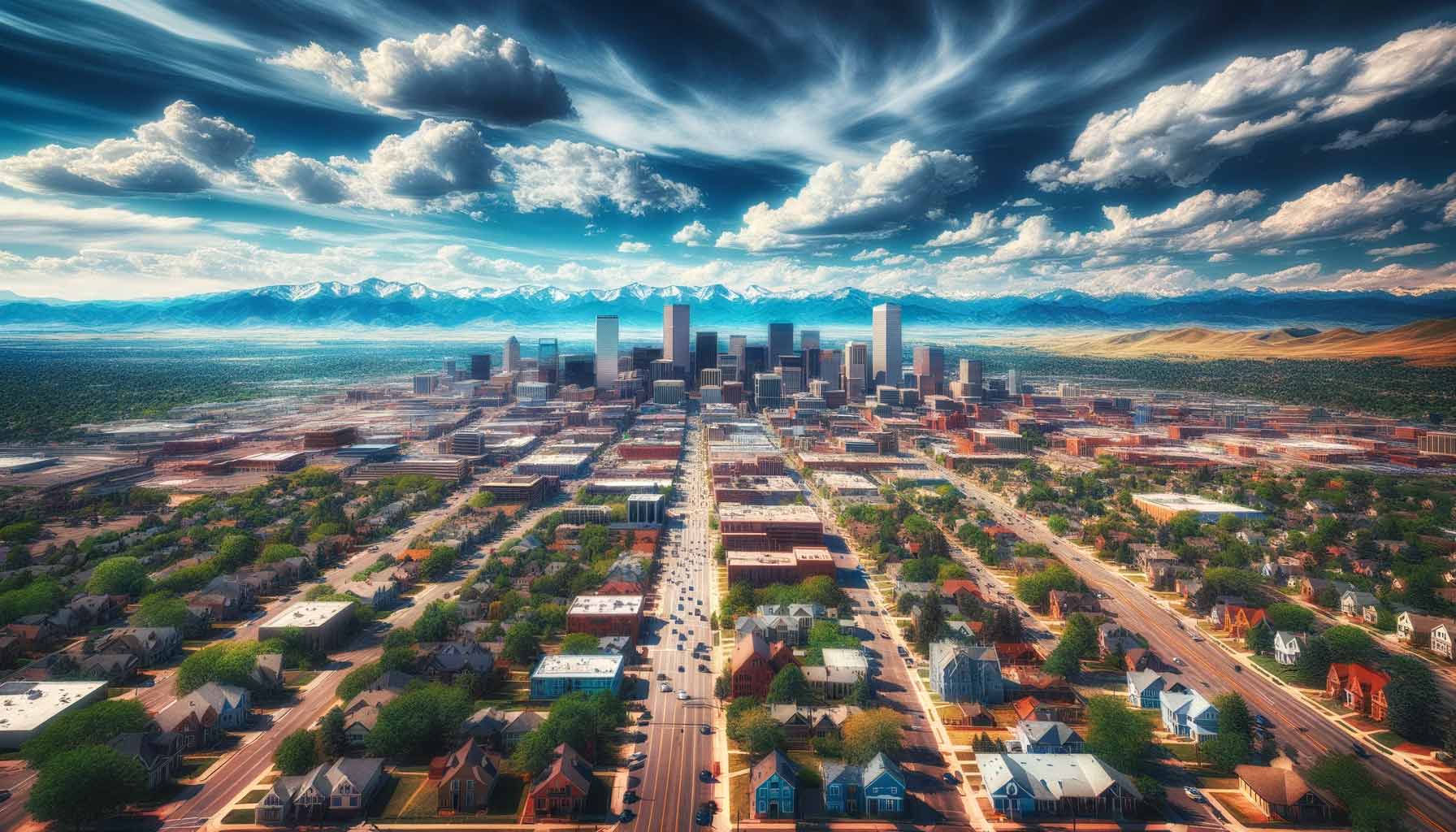
Navigating [Denver] is relatively straightforward. The city boasts an efficient public transportation system operated by [RTD] (Regional Transportation District), which includes buses and the [Light Rail]. The [Light Rail] offers convenient connections from [Denver International Airport] to [Union Station] in [LoDo], making it easy for travelers to reach downtown without a car. Once downtown, the 16th Street MallRide, a free shuttle service, simplifies getting around the pedestrianized [16th Street Mall], connecting various shops, restaurants, and attractions. Ride-sharing services are also readily available.
For exploring beyond the city limits, especially to the mountain towns and [Rocky Mountain National Park], renting a car is highly recommended. Many car rental agencies operate at [Denver International Airport]. Popular day trips from [Denver] include:
- [Boulder]: A vibrant college town known for its outdoor lifestyle, [Pearl Street Mall], and stunning Flatirons rock formations.
- [Colorado Springs]: Home to [Pikes Peak], the [Garden of the Gods Park], and the [United States Air Force Academy].
- Mountain Resorts: Resorts like [Keystone], [Winter Park], and [Loveland Ski Area] offer year-round activities from skiing to mountain biking.
These excursions provide excellent opportunities to experience [Colorado]’s diverse landscapes and activities, further enhancing your travel experience from your base in [Denver].
In conclusion, [Denver, Colorado], with its impressive average altitude of 5,280 feet, truly lives up to its “Mile High City” reputation. This elevation shapes its climate, influences the outdoor-centric lifestyle, and provides unique considerations for visitors. By understanding and preparing for the altitude, travelers can fully immerse themselves in [Denver]’s vibrant culture, explore its historical landmarks, indulge in its innovative culinary scene, and embark on unforgettable adventures into the majestic [Rocky Mountains]. Whether you’re seeking luxury travel, a budget-friendly escape, a family trip, or a productive business stay, [Denver] offers an enriching and elevated experience that beckons exploration.