
The allure of New York City is undeniable. It’s a global epicenter of culture, finance, fashion, and dreams. From the towering skyscrapers of Manhattan to the vibrant neighborhoods of the outer boroughs, New York pulses with an energy that attracts millions of visitors and residents alike. Yet, this vibrant metropolis also carries a hefty price tag, consistently ranking among the most expensive cities in the world. But why is New York so expensive? The answer is a complex tapestry woven from a unique confluence of economic forces, geographical limitations, and an insatiable global demand.

The Unyielding Force of Demand and Limited Supply
At its core, the high cost of living and visiting New York is a classic economic story of supply and demand, amplified to an extraordinary degree. The city is a magnet, drawing in people for a multitude of reasons: career opportunities in lucrative industries like finance, media, and tech; the unparalleled cultural offerings, from Broadway shows to world-class museums; and the sheer prestige associated with living or vacationing in such an iconic location. This constant influx of people, both transient tourists and aspirational residents, creates a perpetual surge in demand for everything from a place to stay to a cup of coffee.
However, New York faces a significant constraint: its physical geography. The city is built on islands, with limited room for expansion. This geographical bottleneck severely restricts the supply of land, a fundamental commodity that drives real estate prices sky-high. Unlike cities that can sprawl outwards indefinitely, New York must build up, leading to intense competition for every square foot.
Real Estate: The Dominant Driver
The most palpable manifestation of New York’s expense is its real estate market. For both accommodation and living, property values are astronomical.
The Sky-High Cost of Accommodation
When it comes to hotels, the demand from tourists, business travelers, and those seeking short-term stays directly translates into premium pricing. Whether you’re looking for a luxurious suite at the Plaza Hotel, a chic apartment in SoHo, or a budget-friendly option near Times Square, you’ll likely find prices that far exceed those in most other major cities.
Several factors contribute to this phenomenon:
- Prime Locations: Hotels and short-term rentals in desirable neighborhoods like Midtown Manhattan, Greenwich Village, or near major attractions like the Empire State Building or Central Park command higher rates due to their accessibility and desirability. The closer you are to the action, the more you pay.
- Limited Inventory: Despite the constant construction of new hotels and residential buildings, the sheer volume of demand means that available rooms and apartments are always in high demand. This scarcity allows property owners and hotel operators to charge premium prices.
- High Operating Costs: Running a hotel or managing rental properties in New York is incredibly expensive. Property taxes, labor costs, utilities, and the cost of maintaining older buildings all contribute to the overhead, which is then passed on to consumers.
- The “New York Experience” Premium: There’s an intangible value associated with staying in New York. Tourists are often willing to pay more for the chance to experience the city’s iconic landmarks, vibrant nightlife, and unique culture. This perceived value allows businesses to justify higher prices. Even long-term stays, while often offering better per-night rates than short hotel visits, remain exceptionally costly due to the persistent demand for housing. The competition for even modest apartments in neighborhoods like Brooklyn or Queens is fierce, driving up rental prices.
The Burden of Homeownership and Renting
For residents, the housing market is even more daunting. The median rent in New York is among the highest in the United States, making it a significant challenge for many to afford a comfortable living space. The dream of homeownership in desirable parts of the city is often out of reach for the average earner. Even in areas further out, transportation costs and the time spent commuting add to the overall expense of living. This economic pressure forces many to make difficult choices, sacrificing space or location to make ends meet, a stark contrast to the more affordable housing options available in many other cities.
Economic Powerhouse and High Wages
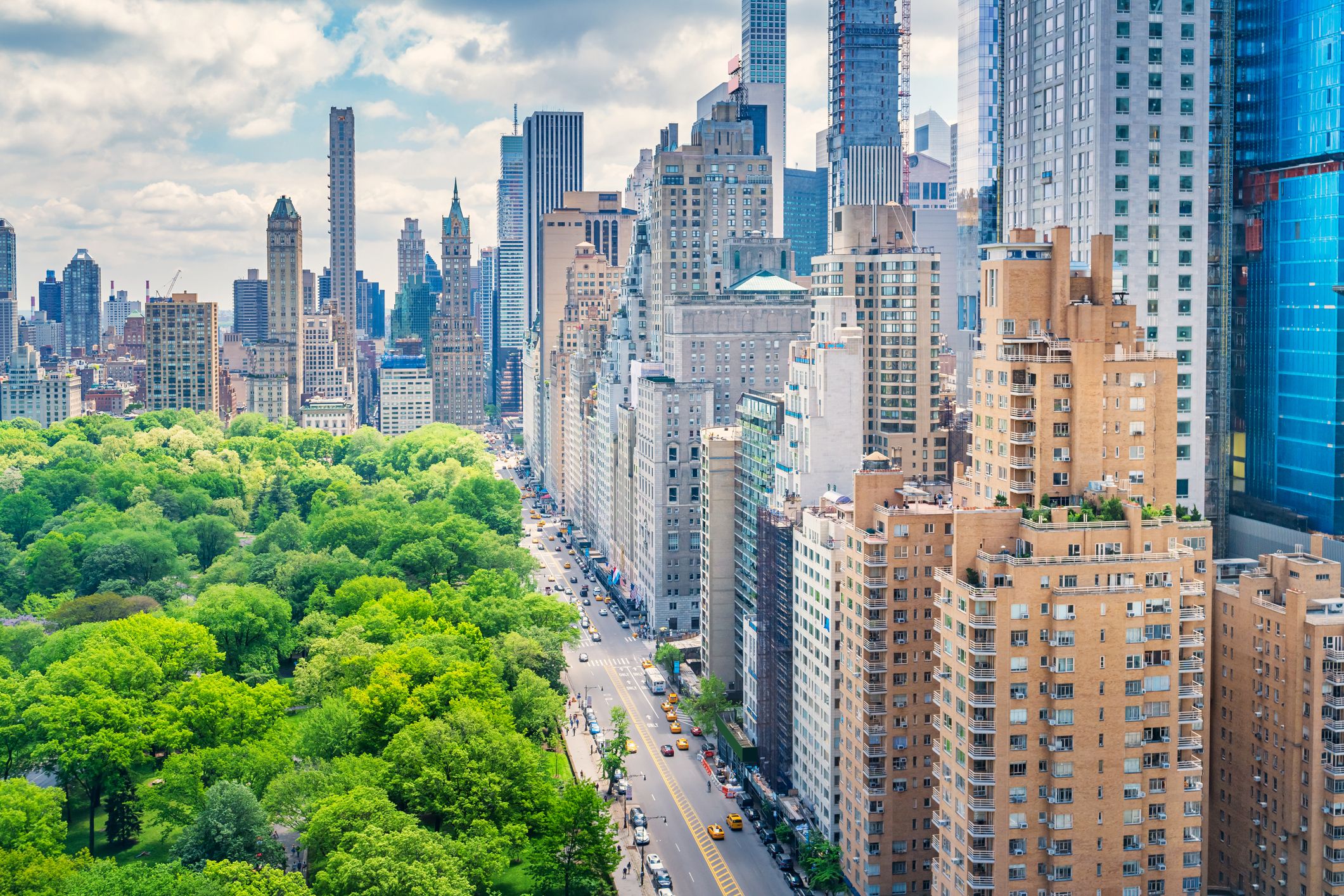
New York City’s status as a global economic powerhouse is a double-edged sword when it comes to affordability. Its booming industries, particularly finance and technology, attract highly paid professionals from around the world. This concentration of high earners creates a demand for luxury goods and services, driving up prices across the board.
The Ripple Effect of High-Paying Industries
The presence of major financial institutions on Wall Street, tech giants with offices in Silicon Alley, and major media companies means that a significant portion of the population earns salaries far above the national average. These individuals have a higher capacity to spend, which influences pricing across various sectors. High-end restaurants, designer boutiques, and exclusive entertainment venues thrive in New York because there is a substantial customer base willing and able to pay for them.
This economic dynamism also fuels demand for the limited housing stock. As more people move to the city for these high-paying jobs, the competition for apartments and houses intensifies, pushing prices upward. This creates a cycle where the very success of New York’s economy contributes to its unaffordability for those who are not part of its highest-earning sectors.
The Cost of Doing Business
Beyond individual spending, the cost of doing business in New York is also exceptionally high. High commercial rents, significant labor costs (driven by the higher cost of living for employees), and stringent regulations all contribute to the overhead for businesses. These costs are inevitably passed on to consumers in the form of higher prices for goods and services. From a simple coffee at a cafe to a meal at a restaurant, the underlying costs of operating that business in New York are higher, reflecting in the final price you pay. This is particularly true for small businesses and independent establishments that may not have the economies of scale enjoyed by larger corporations.
The Intangible Value: Culture, Lifestyle, and “The New York Dream”
Beyond the tangible economic factors, New York possesses an intangible allure that adds to its perceived value and, consequently, its expense. It’s a city that offers an unparalleled lifestyle and a sense of being at the center of it all.
A Global Hub for Culture and Experiences
New York is a destination for a reason. It boasts an unparalleled array of attractions: the glittering lights of Times Square, the artistic treasures of the Metropolitan Museum of Art and MoMA, the green oasis of Central Park, the historic charm of the Statue of Liberty and Ellis Island, and the architectural marvels like the One World Observatory. The city is a stage for world-class performing arts, from Broadway musicals to avant-garde theater, and a culinary melting pot offering every imaginable cuisine.
This density of cultural experiences and iconic landmarks makes New York a top-tier tourist destination. Travelers are willing to pay a premium for the opportunity to see, taste, and experience all that the city has to offer. The demand for these experiences, from booking tickets to a show to securing a reservation at a Michelin-starred restaurant, remains consistently high, allowing businesses to charge more.
The “New York Dream” Factor
For many, New York represents the pursuit of ambition and the “New York Dream.” It’s a place where people believe they can achieve anything, surrounded by a vibrant and inspiring environment. This aspirational quality contributes to its desirability, both for residents and visitors. The prestige associated with living, working, or even just visiting New York adds a layer of perceived value that commands higher prices. People are willing to spend more to be part of this iconic narrative, to walk the streets where history was made and where future trends are born.
This psychological factor, combined with the sheer concentration of opportunity and excitement, creates a unique market dynamic where affordability often takes a backseat to the desire to experience and be part of something extraordinary. Whether you’re seeking luxury travel, a budget-conscious adventure, a family trip, or a business stay, the pervasive sense of New York’s unparalleled offerings means that “cheap” is often a relative term in this unforgettable city. The constant desire to explore its diverse neighborhoods, from the artistic enclaves of SoHo to the bustling streets of Chinatown, fuels a perpetual cycle of demand that keeps prices elevated across the spectrum of travel and lifestyle choices.
LifeOutOfTheBox is a participant in the Amazon Services LLC Associates Program, an affiliate advertising program designed to provide a means for sites to earn advertising fees by advertising and linking to Amazon.com. Amazon, the Amazon logo, AmazonSupply, and the AmazonSupply logo are trademarks of Amazon.com, Inc. or its affiliates. As an Amazon Associate we earn affiliate commissions from qualifying purchases.