
For many planning a trip to the Golden State, the question “What’s the area code of California?” might seem straightforward. However, the reality of telecommunications in this vast and populous state is far more complex than a single number. California, a premier global tourism destination, boasts a rich mosaic of cultures, landscapes, and, consequently, an intricate network of area codes. Understanding these numerical identifiers is a crucial, albeit often overlooked, aspect of practical preparation for any visitor, ensuring seamless communication whether you’re booking an excursion, contacting a local business, or simply staying connected.

Unraveling California’s Telecommunication Tapestry
The notion of a single area code for an entire state as geographically expansive and demographically diverse as California is a common misconception. Instead, the state is segmented into numerous area codes, each historically designated to serve specific geographic regions. This system, established decades ago, has evolved significantly with population growth and technological advancements, leading to a complex overlay of codes that can initially seem daunting to navigate.
A Multifaceted Landscape
California’s telecommunication landscape reflects its varied geography, from the bustling urban sprawl of Los Angeles and the tech-centric corridors of Silicon Valley to the serene vineyards of Napa Valley and the rugged beauty of the Sierra Nevada mountains. Each distinct region often corresponds to one or more area codes, serving as a numerical address that provides a hint about a caller’s origin within the state. For tourists, recognizing these codes can be useful for identifying local contacts, understanding service areas, and dialing correctly.
Why Multiple Codes?
The proliferation of area codes in California is primarily a consequence of two factors: immense population growth and the explosion in demand for telephone numbers. As more residents and businesses moved to or expanded within the state, the original pools of available numbers for existing area codes began to deplete. To address this, new area codes were introduced, either by “splitting” existing territories or by “overlaying” new codes over old ones. An overlay means that a geographic region now has two or more area codes, requiring callers to dial a 10-digit number (area code + 7-digit number) even for local calls within the same overlay region. This evolution, while complex, ensures that the state continues to have sufficient telephone numbering capacity to meet the needs of its vast population and thriving economy, including its robust tourism sector.
Key Area Codes for Popular Tourist Destinations
To aid visitors, here’s a breakdown of some prominent area codes corresponding to California’s most celebrated tourist regions. This overview provides practical insights into what numbers you might encounter or need to dial during your explorations.
Southern California’s Vibrant Zones
Southern California is a kaleidoscope of iconic cities, beaches, and entertainment hubs, each with its unique dialing codes.
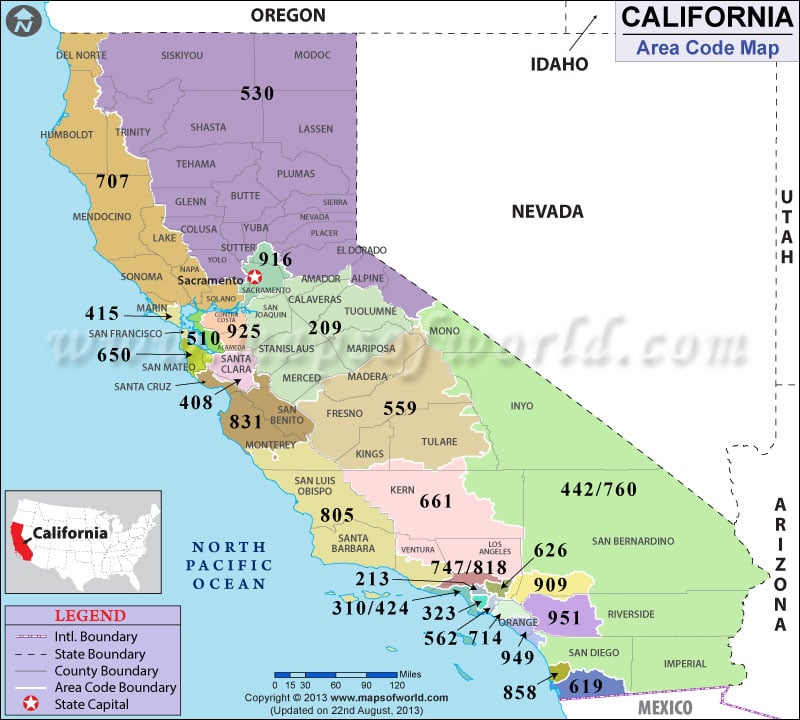
- Los Angeles and its Satellite Codes: The sprawling metropolis of Los Angeles is served by several primary area codes. The iconic 213 and 323 codes cover downtown Los Angeles and many of the older, central neighborhoods, including Hollywood. Surrounding areas, including the San Fernando Valley and parts of West Los Angeles, primarily use 818 and 747 (an overlay for 818). The western and southern parts of Los Angeles County frequently utilize 310 and 424 (an overlay for 310), encompassing popular coastal cities like Santa Monica and Beverly Hills.
- San Diego and the Coastal Charm: Further south, the beautiful city of San Diego and much of San Diego County predominantly use 619 and its overlay, 858. The northern parts of the county, extending towards Orange County, also incorporate 760 and its overlay, 442.
- Orange County and Theme Park Gateways: Home to attractions like Disneyland in Anaheim, Orange County is served by 714 and its overlay, 657. The southern reaches of Orange County may also fall under the 949 and 326 (overlay for 949) area codes, which cover coastal cities like Laguna Beach and Newport Beach.
- Inland Empire and Desert Destinations: East of Los Angeles, the Inland Empire regions like Riverside and San Bernardino are covered by 951 and 909 (with 840 as an overlay for 909). For those venturing to desert getaways like Palm Springs, the 760 and 442 (overlay for 760) codes are applicable.
Northern California’s Iconic Regions
Northern California offers a different flavor, from the fog-kissed hills of San Francisco to the majestic redwoods and fertile valleys.
- San Francisco Bay Area’s Dense Network: The iconic city of San Francisco itself uses 415 and its overlay, 628. Across the Golden Gate Bridge, Marin County and parts of the North Bay also share these codes. The East Bay, including Oakland and Berkeley, is primarily served by 510 and its overlay, 341. Further south, the Silicon Valley hub, including San Jose, uses 408 and its overlay, 669. The Peninsula cities south of San Francisco generally use 650.
- Sacramento and the Capital Region: The state capital, Sacramento, and its surrounding areas in the Central Valley are served by 916 and its overlay, 279.
- Wine Country Escapes: For those seeking the renowned vineyards of Napa and Sonoma counties, the primary area codes are 707 and its recent overlay, 369.
Central and Inland California’s Codes
Beyond the bustling coastlines, California’s interior offers vast agricultural lands, national parks, and mountain retreats, each with its own telecommunication footprint.
The Central Valley’s Agricultural Heartbeat
The expansive Central Valley, a critical agricultural region, is covered by several area codes. South of Sacramento, cities like Stockton and Modesto fall under 209 (with 350 as an overlay). Further south, the Fresno area uses 559 (with 385 as an overlay), while the southernmost parts of the Central Valley, including Bakersfield, are covered by 661. These codes are important for visitors heading to national parks like Yosemite National Park or Sequoia National Park, as surrounding towns will use these codes.
Sierra Nevada Foothills and Mountain Adventures
The majestic Sierra Nevada mountain range, home to natural wonders like Lake Tahoe and Mammoth Lakes, is served by various codes depending on the specific location. Areas around Lake Tahoe on the California side typically fall under 530 and its overlay, 937, which also covers much of northeastern California including Redding. Further south along the eastern Sierra, destinations like Mammoth Lakes use the 760 and 442 (overlay for 760) area codes, extending from the Mojave Desert up into the mountains.
Practical Tips for Tourists: Navigating California Communications
Understanding California’s area codes is more than just trivia; it’s a practical skill for any visitor aiming for a smooth and connected travel experience.
Dialing within the State
Due to the prevalence of area code overlays, 10-digit dialing (area code + 7-digit number) has become standard across most of California for local calls, and 11-digit dialing (1 + area code + 7-digit number) for long-distance calls to numbers outside your immediate area code, even within the state. Always assume 10-digit dialing for any local number you acquire. This ensures your call connects without issues and saves you the frustration of missed connections. For international visitors, ensure your mobile plan includes robust roaming capabilities or consider purchasing a local SIM card, often available at major airports and electronics stores.
Contacting Local Businesses and Attractions
When planning your itinerary or making reservations, pay attention to the area codes provided for restaurants, hotels, tour operators, and attractions. A quick glance can tell you if a business is located in the region you intend to visit. For instance, if you’re booking a whale-watching tour in San Diego, expect to see a 619 or 858 number. Similarly, a reservation at a Napa Valley winery will likely feature a 707 or 369 area code. This small detail can help confirm the geographical relevance of the contact information.
Emergency Services and Important Numbers
In any emergency within California, always dial 911. This universal emergency number will connect you to police, fire, or ambulance services regardless of your location or the local area code. For non-emergency situations, such as reporting a lost item or seeking general tourist information, local visitor centers often provide 800 or 888 toll-free numbers, or numbers with local area codes specific to their region. Keep a list of your accommodation’s direct line, and if traveling by car, ensure you have roadside assistance numbers readily accessible.
The Future of California Area Codes
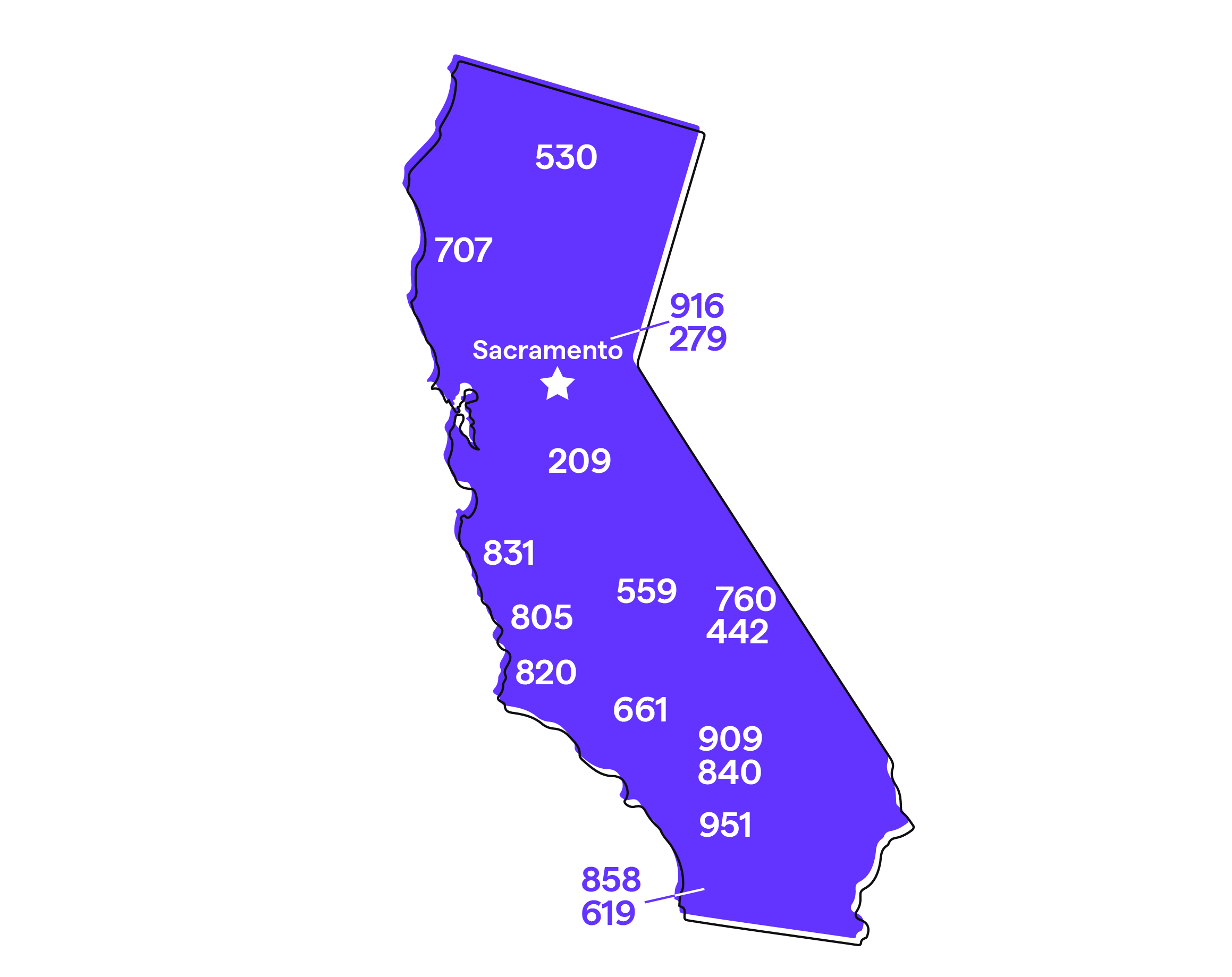
As California’s population continues to grow and demand for telephone numbers evolves, it’s highly probable that new area codes will be introduced, and existing ones may see further overlays. These changes are managed by the California Public Utilities Commission in conjunction with federal agencies. While these shifts typically have minimal impact on short-term visitors, being aware that the telecommunication landscape is dynamic can help explain any new codes you might encounter on future visits. For now, embracing the state’s diverse area code system is just another part of the rich and varied experience of exploring California.
LifeOutOfTheBox is a participant in the Amazon Services LLC Associates Program, an affiliate advertising program designed to provide a means for sites to earn advertising fees by advertising and linking to Amazon.com. Amazon, the Amazon logo, AmazonSupply, and the AmazonSupply logo are trademarks of Amazon.com, Inc. or its affiliates. As an Amazon Associate we earn affiliate commissions from qualifying purchases.