
The digital transformation of the travel industry has fundamentally changed how we search for, compare, and secure lodging. Gone are the days of calling individual properties or relying solely on a local travel agent to find a room in London or Tokyo. Today, the market for accommodation is dominated by a handful of massive Online Travel Agencies (OTAs) and meta-search engines that aggregate millions of listings across the globe. For the modern traveler, the question is no longer “where can I find a room?” but rather “which platform offers the best value, reliability, and selection?”
Choosing the right booking site is a critical step in the travel planning process. Whether you are seeking a high-end suite at a Four Seasons property or a budget-friendly apartment in Berlin, the platform you choose can affect everything from the final price to the flexibility of your cancellation terms. In this comprehensive guide, we analyze the leading platforms in the accommodation sector to determine which site truly earns the title of “the best.”
Evaluating the Major Players in the Online Booking Market
The accommodation landscape is largely defined by a few key corporations that own multiple brands. Understanding the strengths of these giants is essential for navigating your options effectively.
Booking.com: The Global Leader in Selection
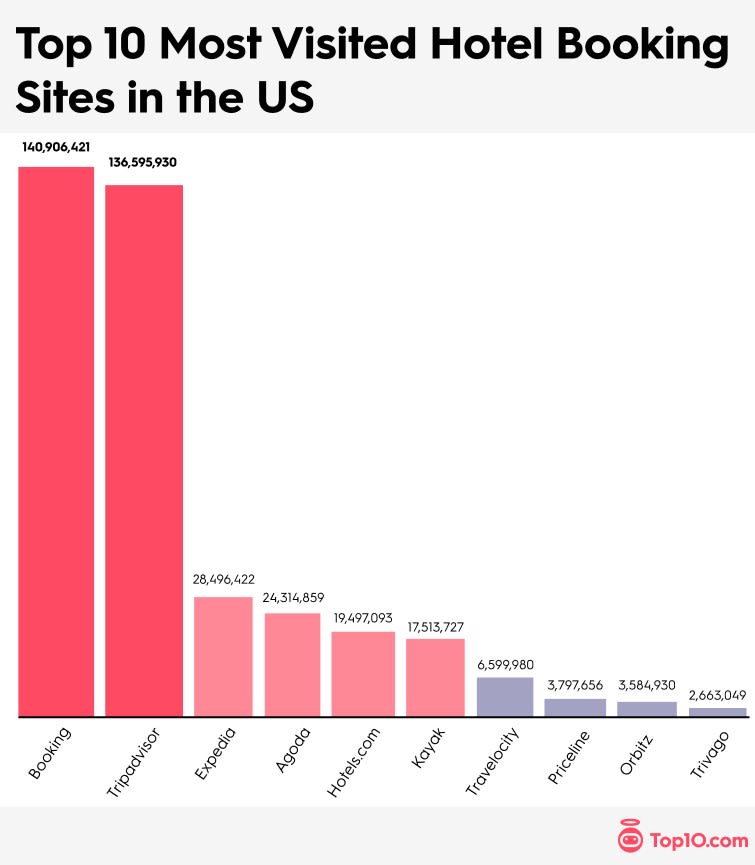
When it comes to sheer volume and variety of listings, Booking.com remains the undisputed heavyweight. Originally focused on the European market, it has expanded to cover every corner of the United States, Asia, and South America. One of its primary advantages is its inclusion of non-traditional accommodations alongside standard hotels. You can find everything from villas in Greece to traditional ryokans in Kyoto.
The interface is designed for high conversion, offering a wealth of filters that allow travelers to narrow down choices by proximity to landmarks like the Eiffel Tower or specific amenities like electric vehicle charging stations. Furthermore, their Genius loyalty program offers tiered discounts and free breakfasts, which can lead to significant savings for frequent visitors to cities like Paris or New York City.
Expedia: The Comprehensive Travel Solution
Expedia is often the go-to for travelers who want to bundle their accommodation with flights and car rentals. As part of the Expedia Group, this platform offers a seamless user experience that rewards users for booking multiple components of their trip at once. If you are planning an extensive tour of Italy, bundling your stay at a Marriott International property with a rental car can often unlock “member-only” rates that aren’t visible to the general public.
While Expedia features a massive inventory, its greatest strength lies in its robust customer service and the One Key rewards program, which consolidates points across Vrbo and Hotels.com. This makes it a powerful tool for those who prefer staying in managed properties or branded resorts in Mexico or Canada.
Agoda: Dominating the Eastern Markets
For travelers heading to Thailand, Vietnam, or Indonesia, Agoda often provides specialized inventory that other sites miss. While it is owned by the same parent company as Booking.com, Agoda frequently secures exclusive deals with independent boutique hotels in Bangkok and Singapore. Their “Agoda Homes” section also competes directly with short-term rental platforms, providing a wide range of apartments in Seoul and Hong Kong.
Specialized Platforms and Meta-Search Comparison
Beyond the primary OTAs, there are specialized platforms and meta-search engines that serve specific needs, such as long-term stays or price comparison across multiple vendors.
Hotels.com: Simplified Rewards and Premium Stays
For many years, Hotels.com was famous for its “stay 10 nights, get one free” model. While the loyalty program has recently evolved into the One Key system, the site remains a favorite for users who prioritize a clean, uncluttered interface. It is particularly effective for finding upscale accommodation in North America and Europe. If you are looking for a reliable room at a Hilton Worldwide or a Hyatt property, Hotels.com provides detailed descriptions and high-quality photography to ensure there are no surprises upon arrival.

Trivago and Kayak: The Aggregators
If your primary goal is to find the absolute lowest price for a specific hotel, meta-search engines like Trivago and Kayak are indispensable. These sites do not handle the booking themselves; instead, they crawl hundreds of other websites—including small, local OTAs in Spain or Australia—to show you where the cheapest rate is currently listed. This is particularly useful when booking famous landmarks hotels, such as those overlooking the Colosseum in Rome or the Burj Khalifa in Dubai, where price fluctuations can be extreme.
Airbnb and the Rise of Managed Apartments
While not a traditional “hotel” site, Airbnb has forced the accommodation industry to adapt. For travelers seeking long-term stays or a local feel in neighborhoods like Brooklyn or Montmartre, these platforms offer kitchen facilities and residential settings that hotels cannot match. However, the hospitality industry has responded with brands like Sonder, which combine the consistency of a hotel with the layout of an apartment, often bookable through major sites like Expedia.
Key Factors to Consider When Choosing a Booking Platform
Not all booking sites are created equal, and the “best” site for one trip might be the wrong choice for another. Here are the technical and logistical factors that should influence your decision.
Cancellation Policies and Flexibility
In a post-pandemic world, flexibility has become the most valuable commodity in the accommodation sector. Booking.com is widely recognized for its “Free Cancellation” filters, allowing travelers to secure a room in Barcelona months in advance without financial risk. When comparing sites, always check if the “best price” is a non-refundable rate. Often, paying an extra $10 to have the option to cancel until the day before arrival is a wise investment, especially when traveling to regions with unpredictable weather like Iceland or Switzerland.
User Interface and Mobile Accessibility
The ease of use of a mobile app can be a deciding factor when you are on the ground and need to find a last-minute room in Chicago or Sydney. Hopper and Agoda often offer “mobile-only” deals that are significantly cheaper than their desktop counterparts. A good booking site should also provide a map view that works seamlessly, allowing you to see how far a hotel is from the Grand Canyon or the Louvre Museum.
Accuracy of Reviews and Property Data
Reliability is paramount. Platforms that verify reviews—ensuring the reviewer actually stayed at the property—are far more trustworthy. TripAdvisor, while a review site first and a booking site second, provides a wealth of user-generated content and photos that can debunk polished marketing images. When looking for a resort in Bali or a lodge in South Africa, cross-referencing OTA photos with traveler photos on TripAdvisor is a best practice for any serious traveler.
Maximizing Your Value: Tips for Smarter Accommodation Booking
Finding the best site is only half the battle; knowing how to use it is where the real savings happen.
The Direct Booking Debate
While OTAs are convenient, it is often worth checking the official website of hotel chains like InterContinental Hotels Group or Accor. Many chains offer a “Best Price Guarantee,” promising to match any rate found on a third-party site while providing additional perks like free Wi-Fi or late checkout. If you are a member of a loyalty program for Sheraton or Westin, booking directly is usually the only way to earn points and elite status credits.
Utilizing Price Alerts and Tracking
Prices for rooms in high-demand cities like Venice or Miami can change hourly. Tools like Google Hotels allow you to track price trends for specific dates and properties. By setting an alert for a luxury stay near the Great Wall of China or the Taj Mahal, you can pounce on a price drop the moment it happens.
Hidden Fees and Total Transparency
One common frustration with booking sites is the “bait and switch” regarding taxes and resort fees. This is particularly prevalent in Las Vegas and throughout the Caribbean. The best booking sites are those that offer “Total Price Display” toggles, showing you the final cost including all service charges and local taxes upfront. Airbnb recently updated its platform to show total prices, a move that has been applauded by travelers who were tired of seeing cleaning fees double the cost of a stay at the final checkout screen.
Ultimately, the “best” hotel booking site depends on your destination and your priorities. For global variety and the best cancellation terms, Booking.com is difficult to beat. For those seeking rewards and bundled packages in North America, Expedia is a powerhouse. However, the savvy traveler never relies on just one platform. By using aggregators to compare rates and checking direct sites for loyalty benefits, you can ensure that your stay in Portugal, Japan, or anywhere else in the world is both comfortable and cost-effective.
LifeOutOfTheBox is a participant in the Amazon Services LLC Associates Program, an affiliate advertising program designed to provide a means for sites to earn advertising fees by advertising and linking to Amazon.com. Amazon, the Amazon logo, AmazonSupply, and the AmazonSupply logo are trademarks of Amazon.com, Inc. or its affiliates. As an Amazon Associate we earn affiliate commissions from qualifying purchases.