
Embarking on a journey through the vast and diverse landscapes of California offers an unparalleled experience, from its sun-drenched beaches and bustling cities to its serene national parks and historic landmarks. As any seasoned traveler knows, preparation is key, and understanding the nuances of a destination extends beyond just mapping out attractions. For many, communication is a vital part of travel, whether it’s booking accommodations, confirming reservations for dining and tours, or simply staying connected with local services. In this digital age, while mobile phones often simplify dialing, a fundamental understanding of local area codes remains incredibly valuable, particularly in a state as expansive and populous as California.
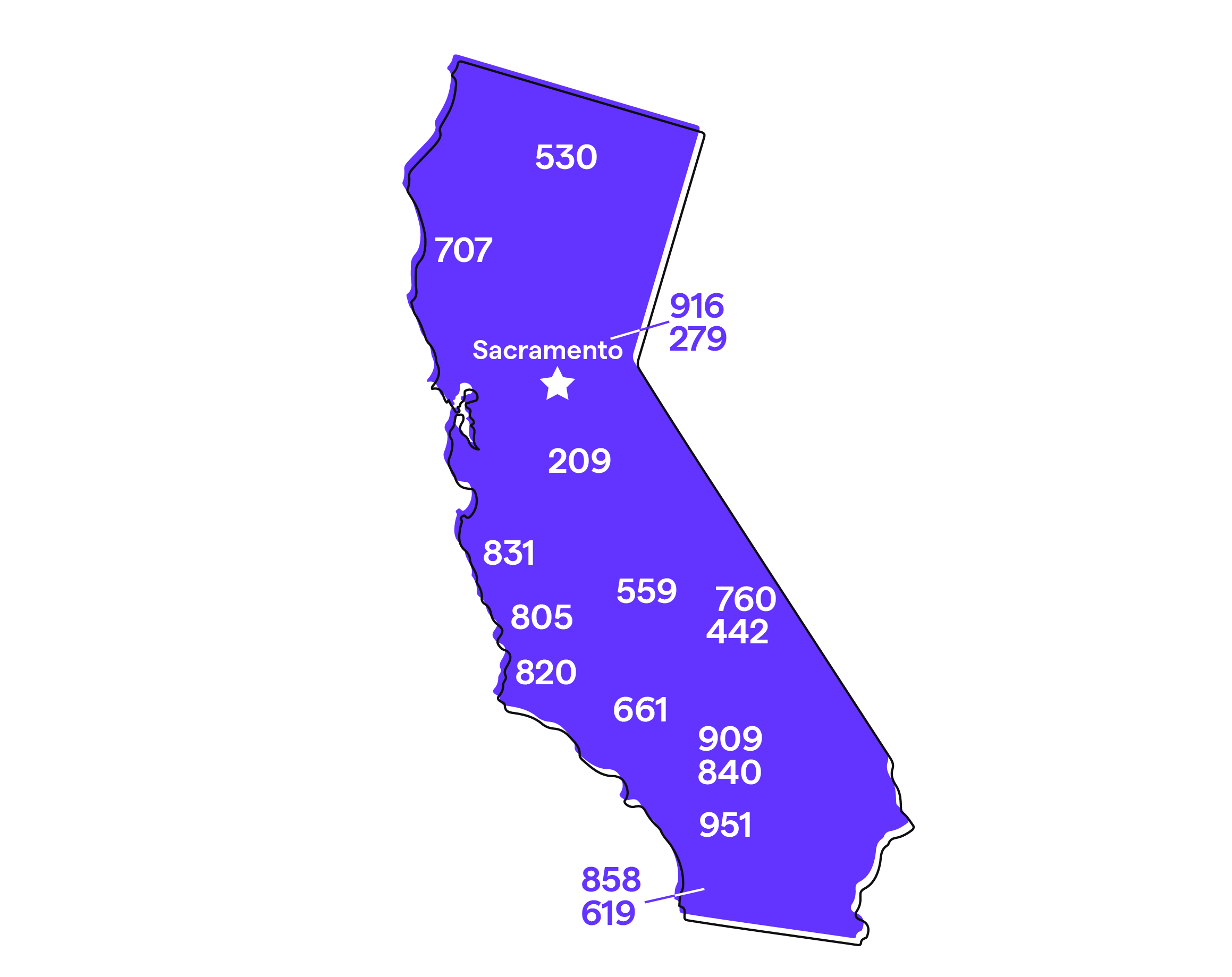
The question “What’s the California area code?” is not as straightforward as it might seem, because there isn’t just one. California is a tapestry of distinct regions, each often served by its own set of area codes. These numeric prefixes are more than just digits; they are geographic markers that help define communities and streamline communication across a state that is larger than many countries. For the discerning traveler, familiarizing oneself with California’s area codes is a practical step that can enhance efficiency, prevent misdials, and provide a clearer sense of the state’s regional divisions. This guide delves into the intricate web of California area codes, offering insights tailored for the modern traveler.
The Golden State‘s Geographic Dialing Map
Area codes serve as the foundational layer of any telecommunications infrastructure, segmenting vast geographical regions into manageable dialing zones. In California, a state renowned for its innovation and sprawling urban centers, the system of area codes has evolved significantly over decades to accommodate explosive population growth and technological advancements. For travelers, these codes act as an invisible map, guiding their calls to the correct regional destination.
Understanding Area Code Divisions
At its core, an area code is a three-digit prefix that directs a telephone call to a specific geographic region. When you dial a ten-digit number, the first three digits tell the network where the call is headed before the remaining seven digits pinpoint the exact recipient. California, being the most populous state in the United States for many years, has a complex and extensive network of area codes. These divisions aren’t arbitrary; they typically follow county lines, major metropolitan areas, or historically significant boundaries, making them surprisingly intuitive once you understand the pattern.
For instance, a traveler planning a trip to Los Angeles might encounter a host of different area codes all within the greater Los Angeles metropolitan area. This isn’t confusing if one views it as a way to identify distinct sub-regions, each with its own character and attractions. From the coastal allure of Santa Monica to the glitz of Hollywood and the exclusive neighborhoods of Beverly Hills, understanding which codes belong where can streamline communication with local businesses, tour operators, and accommodation providers.
Historical Evolution of California Area Codes
The journey of California’s area codes mirrors the state’s incredible growth story. When the North American Numbering Plan (NANP) was first established in 1947, California was initially assigned just three area codes: 213 for Southern California (primarily Los Angeles), 415 for the Bay Area and much of Northern California, and 916 for the central and northern interior. As the population boomed post-World War II, and telephone penetration surged, these original codes began to split, creating new ones to meet demand.
The 1950s saw the introduction of 714 for Orange County and parts of the Inland Empire, and 805 for the central coast and San Joaquin Valley. Decades later, the digital revolution and the proliferation of mobile phones, fax machines, and internet modems led to an unprecedented demand for new numbers. This era saw the introduction of “overlay” codes, where a new area code is assigned to the same geographic region as an existing one, requiring ten-digit dialing even for local calls. This historical context explains why a single region, like the Bay Area or Los Angeles, might have multiple active area codes, a crucial detail for any traveler to grasp.
Navigating California’s Major Area Codes by Region
To simplify the vast number of area codes, it’s most useful for travelers to think in terms of California’s major geographical and cultural regions. Each region offers distinct attractions and experiences, and its associated area codes become an integral part of its identity.
Southern California: From Los Angeles to San Diego
Southern California is a mosaic of vibrant cities, stunning coastlines, and desert escapes, making it one of the most popular travel destinations globally. As such, it boasts a high concentration of area codes:
- Los Angeles County: The heart of Southern California is a complex web of codes due to its immense size and population.
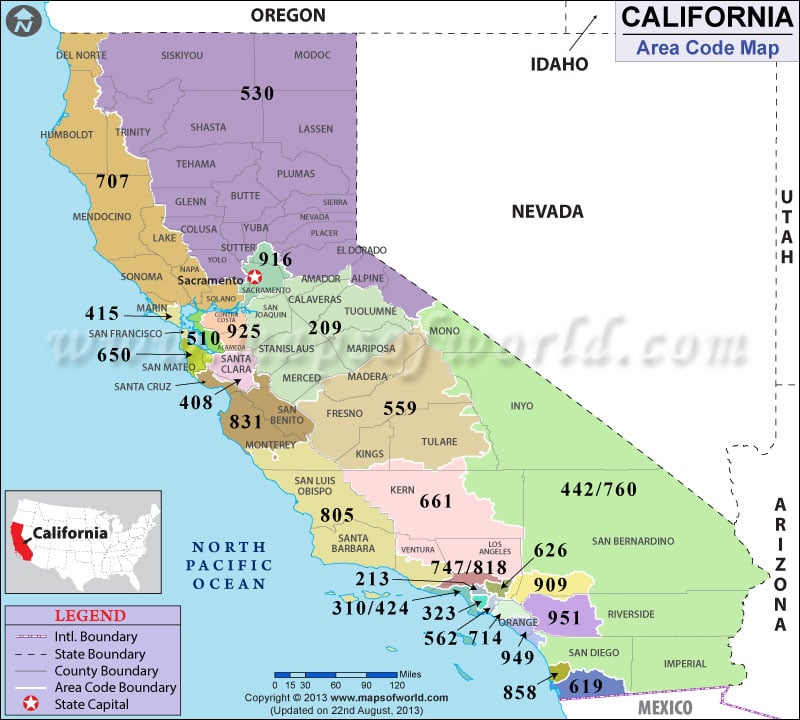
- 213/323: These are the historic downtown Los Angeles core and surrounding central L.A. neighborhoods. Travelers looking to contact businesses in areas like Little Tokyo or the Arts District might encounter these.
- 310/424: Covering the western and southern parts of Los Angeles County, including affluent areas like Beverly Hills, Santa Monica, Malibu, and Torrance. Many hotels and upscale dining establishments popular with travelers will use these codes.
- 818/747: Serving the San Fernando Valley, including Burbank, Glendale, and parts of Hollywood. Theme parks like Universal Studios Hollywood often fall under these.
- 562: Primarily Long Beach and southeastern Los Angeles County.
- 626: Covering the San Gabriel Valley, including Pasadena and Alhambra.
- Orange County: 714/657 – Home to world-famous attractions like Disneyland and beautiful beaches such as those in Huntington Beach and Laguna Beach.
- San Diego County: 619/858 – The codes for San Diego city and its coastal northern communities, a major draw for its vibrant culture, beaches, and culinary scene.
- Inland Empire: 909/951 – Encompassing cities like Riverside, San Bernardino, and Ontario. This region also includes desert destinations like Palm Springs, popular for resorts and golf.
- Central Coast: 805 – Stretching from Ventura County through Santa Barbara to San Luis Obispo and parts of Kern County. This code is key for exploring scenic Highway 1 and wine regions.
Northern California: The Bay Area and Beyond
Northern California is characterized by its dramatic coastlines, tech innovation hubs, and historic cities like San Francisco.
- San Francisco City and County: 415/628 – These iconic codes cover the city’s diverse neighborhoods, from Fisherman’s Wharf to Chinatown and Golden Gate Park.
- East Bay (Alameda and Contra Costa Counties): 510/341 – Includes Oakland, Berkeley, and other vibrant communities.
- Peninsula (San Mateo County): 650 – Stretching south from San Francisco, this area includes Stanford University and parts of Silicon Valley.
- Silicon Valley (Santa Clara County): 408/669 – Home to San Jose, Cupertino, and the global tech industry’s titans.
- North Bay (Marin, Sonoma, and Napa Counties): 707 – Encompasses the scenic Wine Country (Napa Valley, Sonoma County), the redwood forests, and coastal towns. Essential for wine tasting tours and charming boutique stays.
- Sacramento and Northeastern California: 916/279 – The state capital Sacramento and surrounding areas, including parts of the Sierra Nevada foothills.
- Far Northern California: 530 – A vast, sparsely populated region including areas like Redding, Lake Tahoe (on the California side), and the Shasta Cascade region, offering abundant outdoor activities.
- Central California (primarily San Joaquin Valley): 209 – Covers cities like Stockton, Modesto, and the gateway to Yosemite National Park.
- Central Coast (Monterey, San Benito, Santa Cruz Counties): 831 – Iconic coastal towns like Monterey, Carmel-by-the-Sea, and Santa Cruz are under this code, ideal for scenic drives and marine life exploration.
Central California and The Valleys
Beyond the major coastal metropolises, California’s interior valleys are rich in agriculture and offer a different pace of travel.
- San Joaquin Valley Central: 559 – This code serves major cities like Fresno and is a common route for travelers heading to national parks like Yosemite National Park, Sequoia National Park, and Kings Canyon National Park.
- Kern County and High Desert: 661 – Covers Bakersfield and parts of the Mojave Desert, including Edwards Air Force Base and routes towards Death Valley National Park.
Practical Tips for Travelers: Making Calls in California
Understanding California’s area codes is not just an academic exercise; it has real-world implications for travelers. While most modern cell phones automatically handle many dialing complexities, a basic grasp of the system can save time and prevent communication hurdles.
Dialing within the Same Area Code
For years, local calls within the same area code only required dialing the seven-digit number. However, with the widespread implementation of overlay area codes, ten-digit dialing (area code + seven-digit number) has become the standard practice across most of California. This means that whether you’re calling across the street or across town, if you’re in an area with an overlay (which is most urban areas now), you’ll need to dial all ten digits. Always assume ten-digit dialing unless specifically advised otherwise by a local service. This rule simplifies things for travelers as it removes the guesswork of whether a call is “local” or not.
Dialing Different Area Codes and Long Distance
When calling a different area code within California, you will always dial 1 + area code + seven-digit number. For example, if you are in San Francisco (415) and need to call a restaurant in Los Angeles (213), you would dial 1-213-XXX-XXXX. This is considered a long-distance call, but with most modern phone plans, particularly for cell phones, long-distance charges within the United States are either free or very low. For travelers relying on hotel landlines, it’s always wise to check their long-distance policies and rates.
International Visitors and Mobile Phones
For international visitors, dialing California numbers from their home country requires the international dialing code for the United States (+1), followed by the area code and the seven-digit number (e.g., +1-213-XXX-XXXX).
Once in California, if you are using your home country’s mobile service with international roaming, or a local U.S. SIM card, the dialing rules are generally the same as for domestic travelers: use ten-digit dialing for all local calls within California, and 1 + area code + number for calls outside your immediate area code but within the state. Most smartphone operating systems are smart enough to recognize a U.S. number format, but knowing the underlying area code structure can be helpful, especially when communicating with local businesses or emergency services. It can also help you quickly determine a caller’s origin if you receive an unexpected call, potentially indicating if it’s a local inquiry or something from further afield.
The Future of California Area Codes: Overlays and New Additions
California’s dynamic growth means its area code map is never truly static. As the population continues to expand and the demand for new phone numbers persists, the state’s regulatory bodies periodically introduce new area codes or implement overlay plans.
The Need for New Codes
The primary driver for new area codes is number exhaustion. Each area code can theoretically support millions of unique phone numbers, but with every household having multiple devices, and businesses requiring numerous lines, these pools deplete over time. Overlays, which allow a new area code to cover the same geographic region as an existing one, have become the preferred method for adding capacity. This avoids the disruptive “split,” where a single area code is divided into two separate geographic regions, forcing some residents and businesses to change their numbers. While overlays necessitate ten-digit dialing for all calls within that region, they offer a less disruptive transition.
Anticipating Future Travel Planning
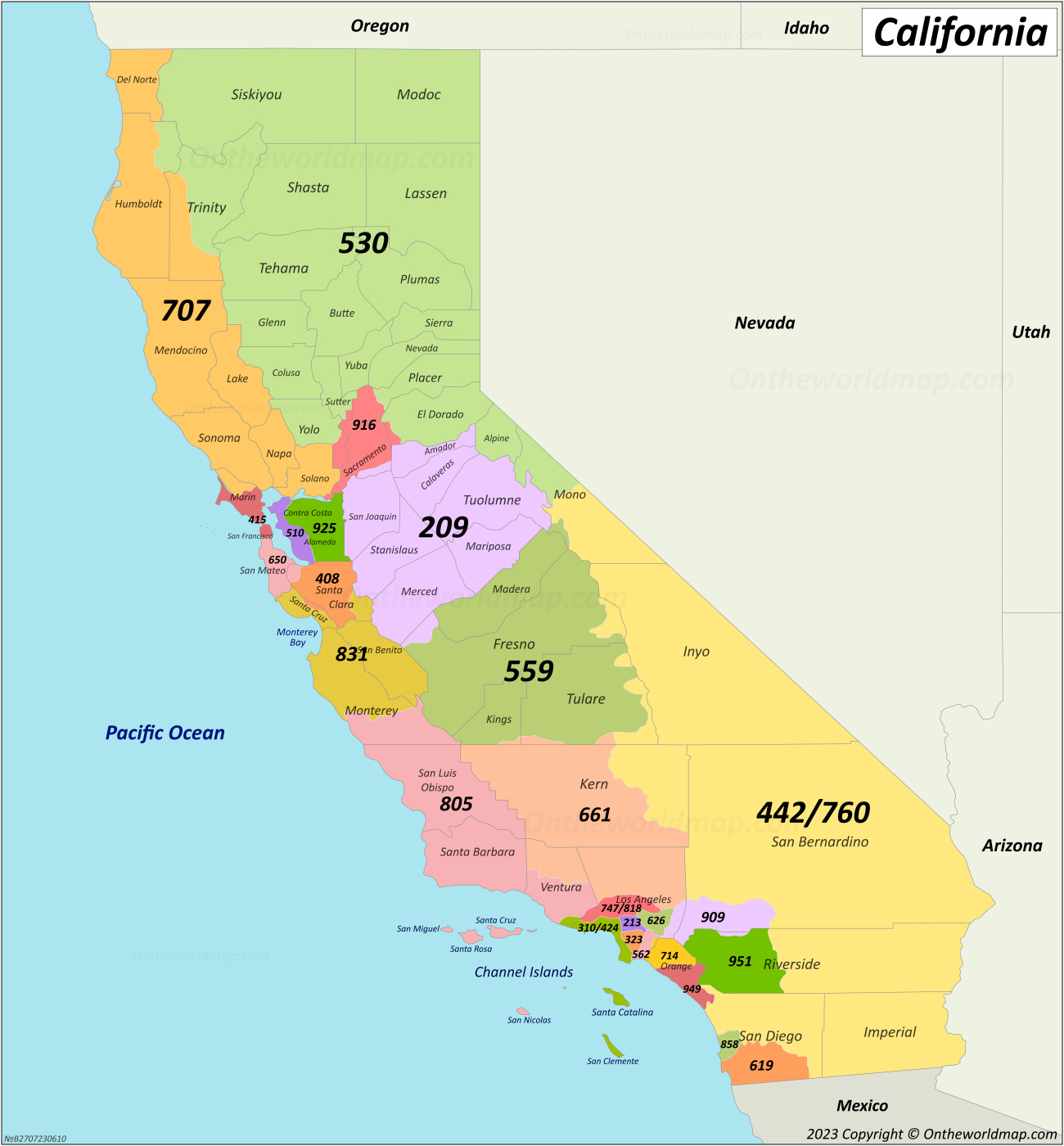
For travelers, understanding this ongoing evolution means staying informed. Before a trip, a quick search for the current area codes in your destination cities can be beneficial. For instance, if you’re planning an extended stay in California or setting up a temporary local phone number, you might encounter some of the newer, less familiar area codes. These newer codes, such as 747 (overlay for 818 in San Fernando Valley) or 279 (overlay for 916 in Sacramento), are just as valid and functional as their older counterparts.
Ultimately, knowing “What’s the California area code?” leads to the insightful answer: there are many, each a digital signpost to a unique part of the Golden State. For the well-prepared traveler, this knowledge transforms a simple query into a valuable tool for navigating California’s diverse regions, ensuring seamless communication and an even richer travel experience.
LifeOutOfTheBox is a participant in the Amazon Services LLC Associates Program, an affiliate advertising program designed to provide a means for sites to earn advertising fees by advertising and linking to Amazon.com. Amazon, the Amazon logo, AmazonSupply, and the AmazonSupply logo are trademarks of Amazon.com, Inc. or its affiliates. As an Amazon Associate we earn affiliate commissions from qualifying purchases.